In the modern landscape of hyper-consumerism, where digital storefronts and aggressive marketing are optimized to capture the attention of children, many parents find themselves in a precarious position. How does one teach the value of a dollar in a world where "money" is often just an invisible transaction on a parent’s smartphone? For one Vermont family, the answer lies not in abstract lectures, but in real-world, hands-on experience at the local county fair and beyond.
By treating money as a tool rather than a source of anxiety, this family has developed a structured, transparent, and surprisingly effective approach to financial literacy that starts with the basics: earning, budgeting, and the often-painful reality of debt.
The Core Philosophy: A Two-Tiered Financial Framework
At the heart of their approach is what they call the "Family Money Philosophy." While the term sounds academic, the application is refreshingly simple. The parents have drawn a hard line between "needs" and "discretionary wants."

The Parental Obligation
The parents maintain full responsibility for the foundational pillars of childhood survival and growth. This includes housing, clothing, healthcare, nutritious meals, and educational access—including admission fees to museums or public events like the county fair. By covering these costs, the parents ensure that the children feel secure and that money is not equated with their fundamental safety.
The Discretionary Domain
Everything outside of those core needs falls into the children’s sphere of responsibility. If a child wants a specific treat, a toy at a gift shop, or an extracurricular item from a school fundraiser like the Scholastic Book Fair, they must use their own funds. This distinction is critical: it teaches the children that their money is finite and that they have the agency to choose how to allocate it.
A Chronology of Financial Maturity
The journey toward financial literacy for the two children, aged 5 and 7, did not happen overnight. It has been a scaffolded process, built upon age-appropriate milestones.

- The Recognition Phase (Ages 4-5): The parents focused on basic recognition. This involved identifying different coin denominations, reading price tags, and observing the act of exchange. They explicitly explained that "Mama works" to earn money, which is then traded for the items the family uses.
- The Labor Phase (Ages 5-6): The introduction of paid chores. The children began to understand that money is a byproduct of labor. They were tasked with specific, value-added chores—such as organizing kitchen cabinets—that earned them a "fair market value" wage.
- The Management Phase (Ages 6-7): This is where the children took ownership. They were given their own wallets and the responsibility of keeping track of their earnings. The parents ceased being the "bank" or the "porter" for their children’s money. If a child forgot their wallet, they could not make a purchase.
Supporting Data: The Mechanics of the "Chore Economy"
The family’s system relies on a strict differentiation between unpaid household contribution and paid labor.
Unpaid Daily Responsibilities
The children are expected to participate in the household without compensation. These tasks include making beds, cleaning their rooms, collecting eggs from the family coop, and putting away their own laundry. The logic is that these tasks are part of being a functioning member of the family unit.
Paid "Family Benefit" Chores
When the children take on tasks that go above and beyond their personal upkeep—such as deep-cleaning common areas or assisting with organizational projects—they are paid. However, the standard is high. If a job is not completed to a professional standard, the children must return to the task. "Trashlettes" left on the stairs after an attempt to empty the bins result in a redo, ensuring the children learn that quality of work matters.
The "Debt Lesson": A Hard-Learned Realization
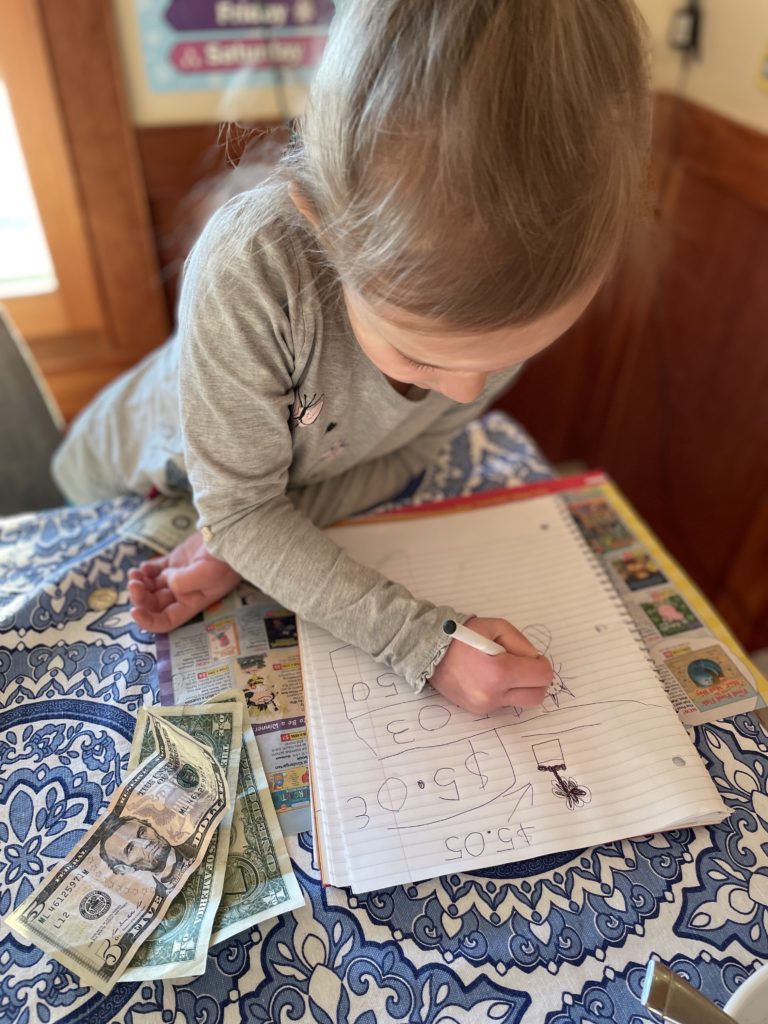
Perhaps the most controversial, yet impactful, element of this system is the deliberate allowance of debt. During a past outing, one child fell in love with an inflatable toy that cost $13, while she only possessed $9. The parents offered a loan of $4, provided she understood the consequences: the debt had to be paid back through mandatory, rather than optional, chores.
When the reality of working to pay for an item she already owned set in, the child expressed frustration: "It is not fun to do chores to earn money for something I’ve already bought."
This visceral experience is the cornerstone of the family’s philosophy. By allowing the child to feel the "sting" of debt, the parents taught a lesson that no textbook could convey: debt reduces future freedom. Since that incident, both children have been significantly more cautious with their spending, often engaging in complex, real-time budgeting to ensure they have enough funds before committing to a purchase.

Official Perspectives: Demystifying the Adult World
The parents emphasize that money is simply a tool—like sleep, water, or exercise—that helps individuals achieve their goals. By being transparent about their own work—including one child’s realization that her mother’s meetings are "boring but important"—they remove the mystery and potential shame associated with household finances.
This approach aligns with current child development theory, which suggests that children as young as five are capable of understanding the basic exchange of value. By avoiding the "anxiety-inducing" shroud of secrecy, the parents ensure their children view money with logic rather than emotion.
Implications for Future Financial Literacy
The family is currently looking toward the next phase of education: the concept of long-term savings and compound interest. The plan is to establish a "Bank of Parental Units" that pays interest on the children’s savings. This will introduce the children to the concept of time-value of money, shifting their focus from immediate consumption to future rewards.

Key Takeaways for Parents
- Be Consistent: If you tell your child they are responsible for their money, don’t "bail them out" when they forget their wallet.
- Define Value: Clearly differentiate between household duties (expected contribution) and paid labor (earned income).
- Use Real-World Scenarios: Use the grocery store, the fair, or the museum as a laboratory for math and decision-making.
- Encourage Ownership: Let them manage their own cash, even if it means they occasionally lose a few dollars. The lesson learned from a lost wallet is worth far more than the currency itself.
By implementing these strategies, the parents are doing more than just teaching their children how to count change; they are providing them with the emotional and intellectual framework to navigate a complex, capitalistic world. They are raising children who view money not as a master, but as a manageable instrument for achieving a life of purpose and contentment. As they look toward the future, the primary goal remains constant: to raise independent, financially literate individuals who understand that every choice has a cost, and every dollar earned is a testament to the time and effort invested.