WASHINGTON — In an era defined by economic uncertainty and rising household debt, personal finance experts frequently stress the importance of budgeting. Yet, translating broad financial theories into sustainable daily habits remains a persistent challenge for millions of households. While financial literature is heavily saturated with complex investment strategies and macroeconomic forecasts, the foundational battleground of personal wealth is often won or lost at the kitchen table through routine, communication, and shared administrative labor.
A behind-the-scenes look at long-term domestic money management reveals how one household shifted away from fragmented oversight toward a structured, collaborative financial routine. The case study illustrates a modern framework for overcoming the traditional friction points of marital financial management: the division of mental load, the systematic tracking of variable expenses, and the proactive mitigation of monetary stress before it escalates into crisis.
Main Facts: Bridging the Divide in Domestic Financial Management
For years, the division of labor regarding household accounts followed a traditional, siloed path. Donnie Lawson assumed primary responsibility for managing the bills and balancing accounts following his marriage to Abby Lawson in 2006. While Donnie capably handled the administrative mechanics of bill payment, the arrangement created an unintended structural imbalance: a heavy mental load concentrated entirely on one partner, while the other remained detached from the day-to-day fiscal reality.
The turning point arrived when Abby recognized that passive detachment was doing her partner a disservice. Furthermore, she realized that achieving true intentionality in spending required the active, synchronized participation of both adults in the household.
Rather than adopting a piecemeal approach, the household instituted a formalized system centered around weekly administrative checkpoints, standardized transaction tracking via custom digital spreadsheets, and the strategic utilization of sinking funds. Today, the entire family financial apparatus operates on a disciplined schedule that requires roughly 20 to 30 minutes of dedicated administrative time per week, resulting in heightened fiscal transparency and drastically reduced money-related anxiety.
Chronology: From Passive Detachment to Synchronized Systems
The evolution of the Lawson family’s financial routine spans nearly two decades, marked by distinct phases of trial, error, and system refinement:
2006–The Baseline Era: Following their marriage, financial management was delegated almost exclusively to Donnie. Abby remained focused on creative pursuits and childcare, maintaining minimal engagement with account balances or billing cycles.
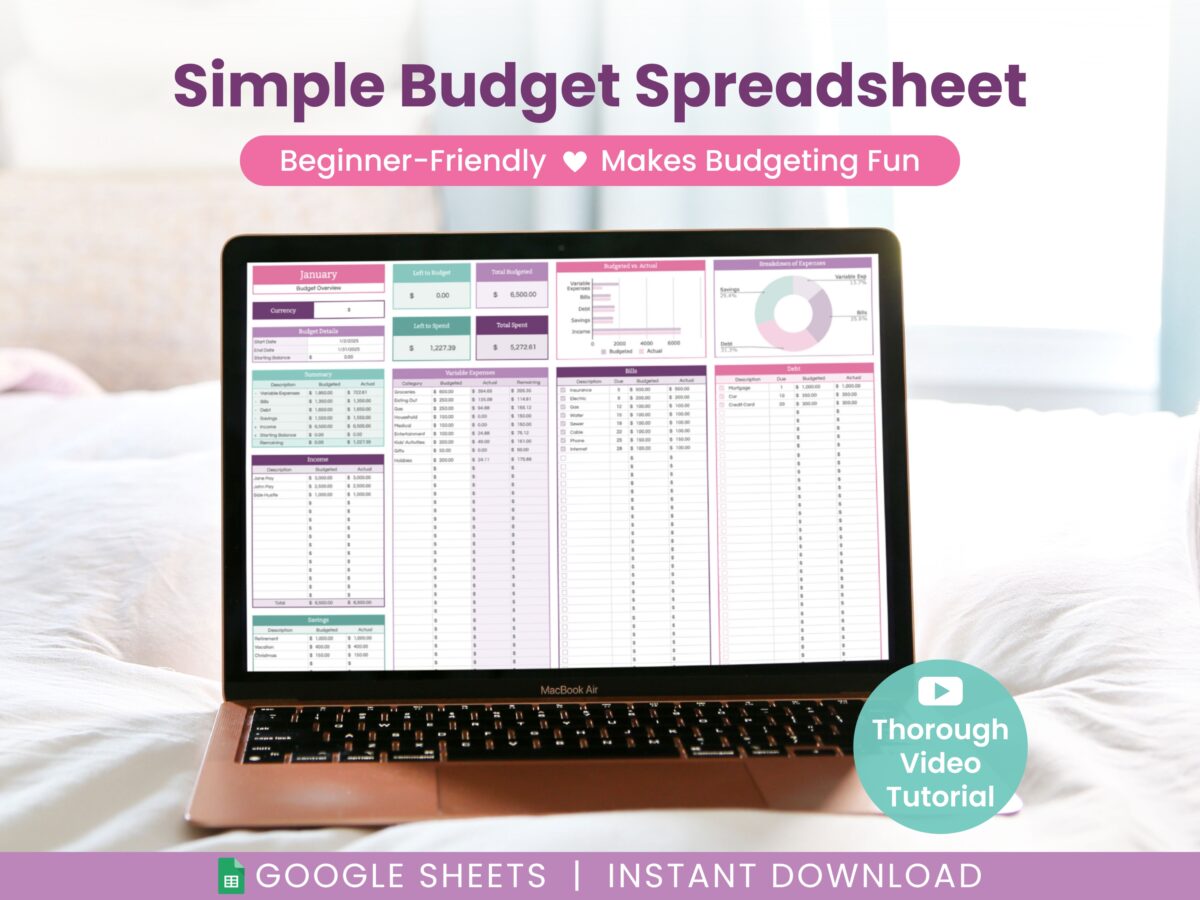
The "Aha" Transition: Recognizing the inequity of the mental load and the limitations of operating without unified spending goals, Abby integrated herself into the financial process. Rejecting austere, joyless budgeting methods, she engineered aesthetic and functional organizational tools, starting with a printable budget binder and eventually graduating to dynamic digital spreadsheets.
The Established Routine (Present): For the past several years, the household has maintained a strict weekly rhythm. Weekdays are characterized by credit card transactions paid in full monthly, culminating in a dedicated Friday administrative window where transactions are logged, bills are settled, and short-term sync meetings are conducted.
Monthly and Annual Reviews: At the close of each month and calendar year, the family aggregates its data against historical benchmarks to refine category limits, evaluate subscription utility, and calibrate long-term savings trajectories.
Supporting Data: The Mechanics of the Weekly "Money Moves"
The operational backbone of the family’s financial routine relies on precise categorization and disciplined weekly execution. Every Friday, a standardized protocol is enacted to reconcile accounts and forecast future obligations.
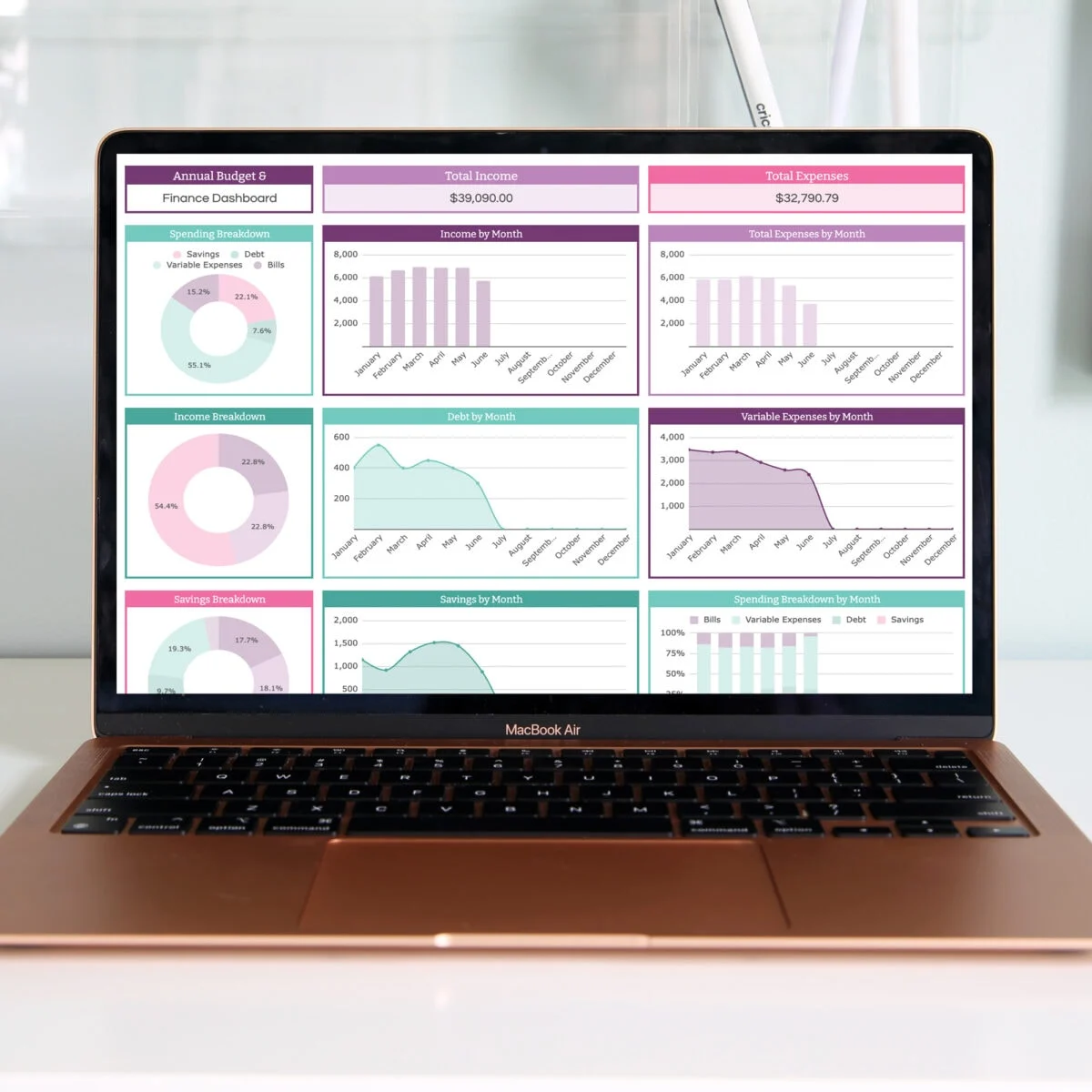
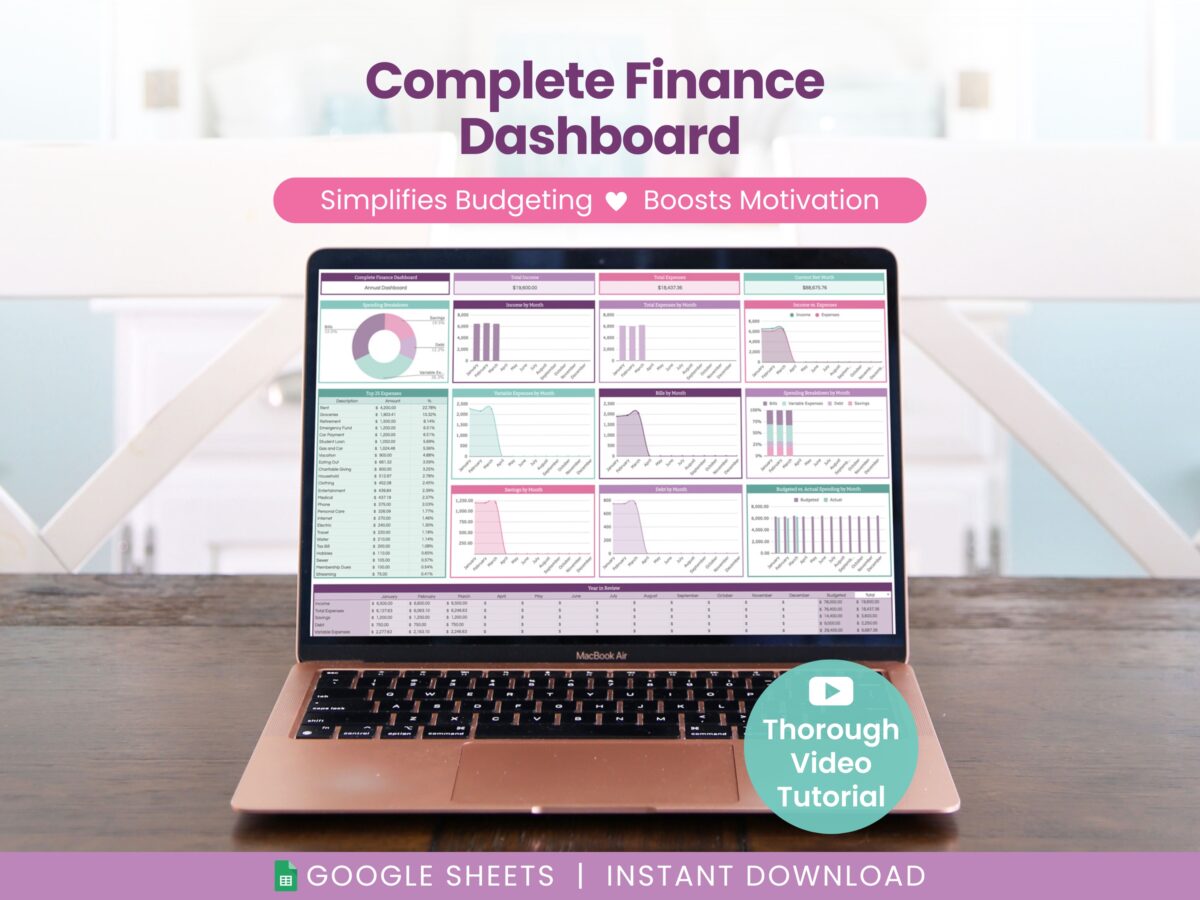
Throughout the week, both partners charge routine transactions to designated credit cards, leveraging rewards while ensuring balances do not incur interest. On Fridays, transaction logs and digital screenshots are transmitted to a centralized hub. Abby logs these entries into a custom-built digital ledger—the Complete Finance Dashboard—which automatically categorizes expenses into fixed monthly bills, variable living costs, and discretionary spending.
Sinking funds form a critical layer of this infrastructure. Rather than absorbing unexpected costs through high-interest debt, the family utilizes automated weekly transfers to pre-fund foreseeable expenditures, including annual holiday shopping, family vacations, and an emergency buffer designated for structural home repairs, vehicular maintenance, and unforeseen medical bills.
Data compiled by behavioral economists suggests that households utilizing automated sinking funds and weekly micro-reviews experience a 40% reduction in impulse-driven budget deviations compared to those relying solely on retroactive monthly statements. By reviewing category burn rates mid-month—such as identifying when three-quarters of the monthly "Eating Out" allowance has been exhausted by day fifteen—the household dynamically self-corrects without requiring draconian cutbacks.
Official Perspectives and Behavioral Implications
While the strategies employed by individual households vary infinitely based on income brackets, cultural backgrounds, and professional schedules, behavioral finance experts underscore the psychological validity of the model.
Dr. Elena Vance, a behavioral economist specializing in household decision-making dynamics, notes that financial infidelity and marital stress are rarely rooted purely in a lack of funds; rather, they stem from asymmetric information and misaligned expectations.
"When one partner acts as the sole custodian of household capital, a psychological barrier forms," Dr. Vance explains. "The non-participating partner often views spending limits as arbitrary restrictions imposed from the outside, while the administrator feels unsupported and resentful of the invisible labor required to keep the ledger balanced. Implementing a brief, predictable weekly synchronization transforms money from an emotional weapon into a neutral, collaborative project."
Furthermore, the implementation of regular audits aligns with broader macroeconomic trends encouraging digital literacy and consumer self-reliance. As traditional banking shifts increasingly toward digital interfaces, consumers who actively audit their subscriptions, variable spending velocity, and net worth trajectory demonstrate greater resilience against inflationary pressures.
Implications for Modern Households
The broader implications of this structured domestic routine extend well beyond a single family’s balance sheet. In an economic environment marked by fluctuating interest rates and persistent cost-of-living pressures, the traditional model of passive financial stewardship is increasingly inadequate.
Reduction of Latent Stress: By replacing large, emotionally charged annual financial summits with low-stakes, five-minute weekly conversations, households can neutralize conflicts before they compound into systemic marital friction.
Democratization of Financial Literacy: Removing the mystique surrounding mathematics and accounting through intuitive tools—whether digital spreadsheets, automated dashboards, or printable binders—empowers individuals who historically felt alienated by "numbers-heavy" tasks.
Long-Term Predictive Accuracy: Aggregating granular, category-specific spending data on a monthly and annual basis equips families to forecast major capital allocations—such as collegiate funding, real estate investments, or retirement milestones—with empirical precision rather than guesswork.
Ultimately, the transition from financial avoidance to active mastery demonstrates that effective wealth management is less about sophisticated Wall Street maneuvers and more about the unglamorous, consistent execution of small administrative disciplines at home. As households navigate an increasingly complex economic landscape, establishing a predictable, shared money routine serves as an essential anchor for long-term stability and peace of mind.