By Daniel Oropeza | Shopping Editor
September 9, 2026
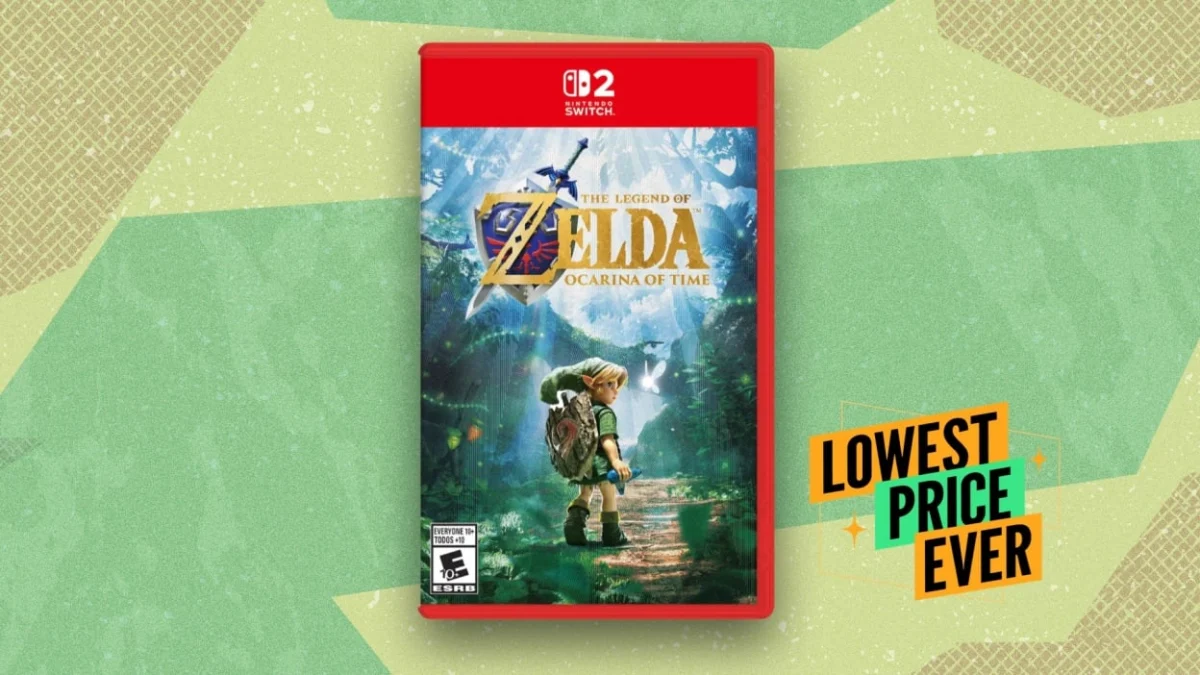
The gaming world is currently abuzz following this week’s highly anticipated Nintendo Direct, where the company finally pulled back the curtain on one of the most requested titles in gaming history: a full-scale, ground-up remake of The Legend of Zelda: Ocarina of Time. As fans scramble to secure their copies, retail giant Walmart has launched an aggressive early-bird promotion, offering the game for $59.99—a $10 discount off the standard $69.99 MSRP.
For those looking to secure their journey back to Hyrule, this deal represents a rare opportunity to save on a flagship Nintendo title before its November 5 launch. However, given the intensity of demand surrounding the 40th Anniversary of the franchise, analysts suggest this inventory will move rapidly.
Main Facts: The Return of a Legend
The announcement of the Ocarina of Time remake has effectively dominated the discourse in the gaming community. Unlike the previous high-definition ports or Virtual Console releases, this version is a comprehensive reimagining. Nintendo has confirmed that while the core narrative remains intact, the game features modernized graphics, fully voiced cutscenes, and refined gameplay mechanics that bridge the gap between classic retro design and modern sensibilities.
The most significant technical change, which has already sparked intense debate on social media, is the inclusion of dedicated jump mechanics. Historically, Link’s movement in the original 1998 N64 title was automated when approaching ledges. This new implementation offers players unprecedented verticality and environmental interaction, effectively changing how the player traverses the vast landscapes of Hyrule.
The Walmart pre-order deal is currently the most competitive pricing available. While Nintendo has not yet confirmed if every physical copy will include the "textured foil cover art" promised for the first printing, securing a pre-order early is the most reliable way for collectors to improve their odds of receiving the premium edition.
Chronology of the Announcement
The path to this week’s announcement has been paved with years of rumors and fan speculation.
- Early 2024: Industry insiders began reporting that Nintendo was quietly testing updated engines on legacy assets.
- January 2026: Leaks regarding the "40th Anniversary" celebration began circulating, specifically pointing toward a major 3D Zelda project.
- September 7, 2026: During the Nintendo Direct presentation, the trailer for Ocarina of Time was the "one more thing" reveal, confirming the November 5 release date.
- September 8, 2026: Major retailers, including Walmart, went live with pre-order pages.
- September 9, 2026: The $59.99 promotional price point was established, signaling a strategic push by retailers to capture market share ahead of the holiday season.
Supporting Data: Why This Remake Matters
The Legend of Zelda: Ocarina of Time is frequently cited as the greatest video game of all time. Its original 1998 release achieved a 99/100 on Metacritic, a record that stood for over a decade. The remake is positioned not just as a nostalgia play, but as a technical showcase for the hardware ecosystem.
Market analysts note that the release aligns with the launch window of the Nintendo Switch 2, which also features a themed "40th Anniversary Edition" console. Crucially, Nintendo has confirmed that the console bundle does not include a packed-in copy of the game. This decoupling is a departure from historical practices where hardware bundles often included the software, forcing consumers to purchase the game separately.
This separation has created a unique retail dynamic: demand for the physical cartridge is expected to be higher than that of previous console generations, as every owner of the 40th Anniversary console is a potential customer for the standalone software.
The "Light Temple" Mystery and Gameplay Implications
One of the most persistent urban legends in gaming history concerns the "Light Temple." In the original N64 development cycle, many players theorized that a sixth dungeon—a Light Temple—was cut from the final release due to cartridge space limitations.

For nearly three decades, fans have combed through the game’s code, finding unused textures and file paths that suggest a more robust endgame. Nintendo’s decision to include "new mechanics and additions" has renewed hope that the developer may have finally integrated the long-lost Light Temple. While Nintendo has remained tight-lipped regarding specific dungeon additions, the expanded scope of the remake suggests that the world of Hyrule will be more interconnected and dense than in the original version.
The inclusion of dialogue in cutscenes is another massive shift. In 1998, the game relied entirely on text boxes. The transition to fully voiced sequences brings the title in line with modern standards established by The Legend of Zelda: Breath of the Wild and Tears of the Kingdom, potentially deepening the emotional resonance of the story for a new generation of players.
Official Responses and Developer Intent
While Nintendo has been cautious about revealing all the game’s secrets, their official statements emphasize "respect for the legacy while embracing the future." In a press release following the Direct, a spokesperson stated:
"Our goal with this remake was not to replace the original, but to provide a version of Hyrule that feels as grand and vibrant as it did in our memories. We have introduced quality-of-life improvements that make the journey feel more fluid, while maintaining the precise level design that defined the 1998 experience."
Industry critics have lauded this approach, noting that Nintendo has successfully avoided the "uncanny valley" that often plagues high-fidelity remakes of low-polygon classics. By utilizing a stylized art direction—similar to the Link’s Awakening remake but with more realistic lighting—Nintendo is aiming to capture both the hearts of original players and the eyes of modern audiences.
Implications for the Gaming Industry
The pricing strategy adopted by Walmart—under-cutting the standard $69.99 market rate—is a clear signal of the competitive nature of the upcoming holiday retail season. With the Switch 2 platform launching, retailers are viewing the Zelda franchise as the "anchor" product for their hardware sales.
Furthermore, the emphasis on "physical, first-printing" collectibles like the textured foil cover art suggests that Nintendo is doubling down on the value of physical media in a digital-first world. In an era where digital storefronts dominate, the scarcity of a premium physical edition creates a secondary market incentive that keeps the brand relevant long after the initial launch buzz fades.
For the consumer, the implication is simple: if you intend to play this game at launch, the window to secure a discount is narrow. The combination of historical significance, updated mechanics, and potential new content makes this the most important release in Nintendo’s 2026 calendar.
As we approach November 5, the primary question remains: will the finished product satisfy the high expectations of the most loyal fanbase in the industry? If the pre-order numbers are any indication, the answer is a resounding "yes."
Disclaimer: We may earn a commission from links on this page. Deal pricing and availability are subject to change after the time of publication.