In the modern era of relentless distractions and escalating burnout, the quest for efficiency has shifted from complex software solutions to a surprisingly tactile philosophy: the physical environment. While many productivity gurus focus on willpower and discipline, a burgeoning movement led by behavioral experts suggests that the secret to sustained habit formation lies not in the mind, but in the layout of our living and working spaces.
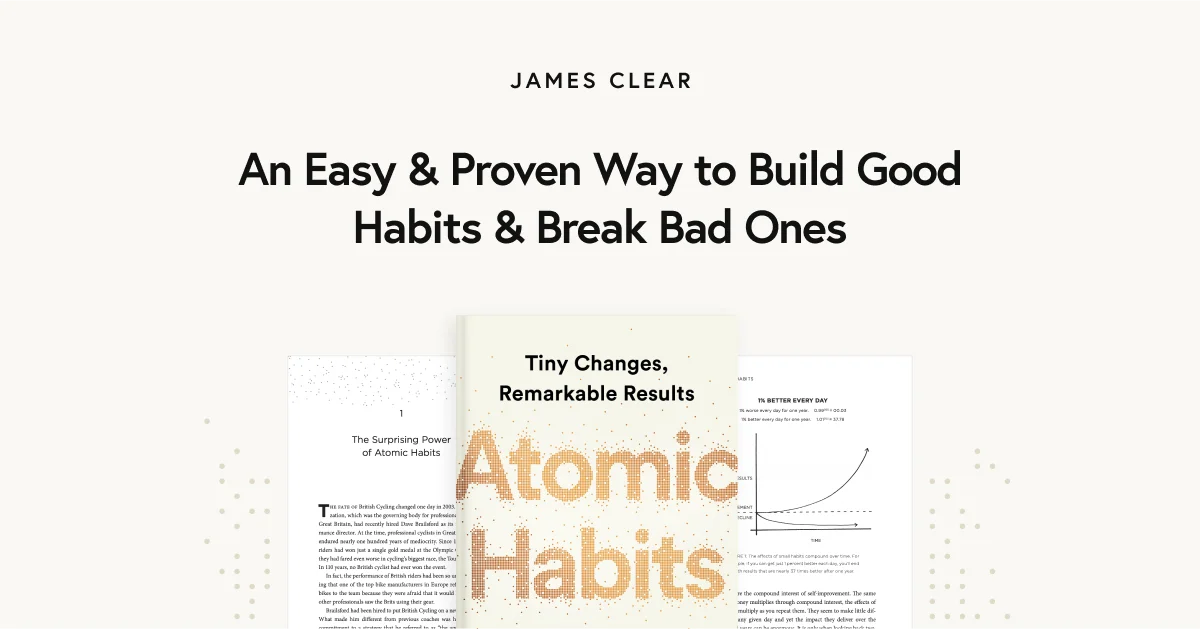
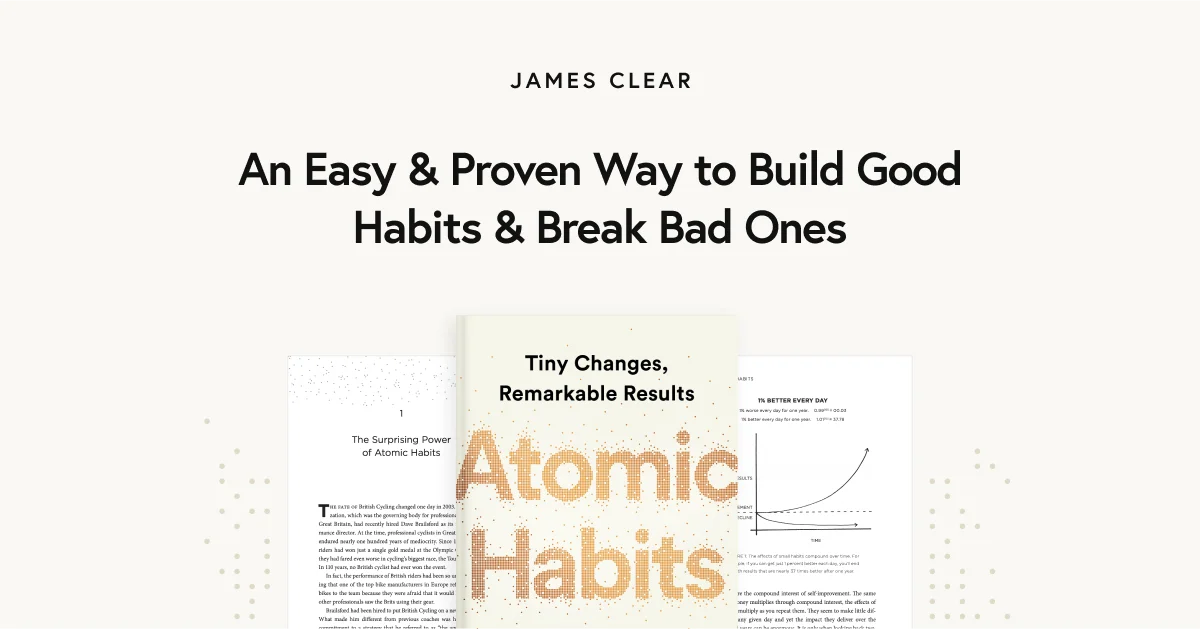
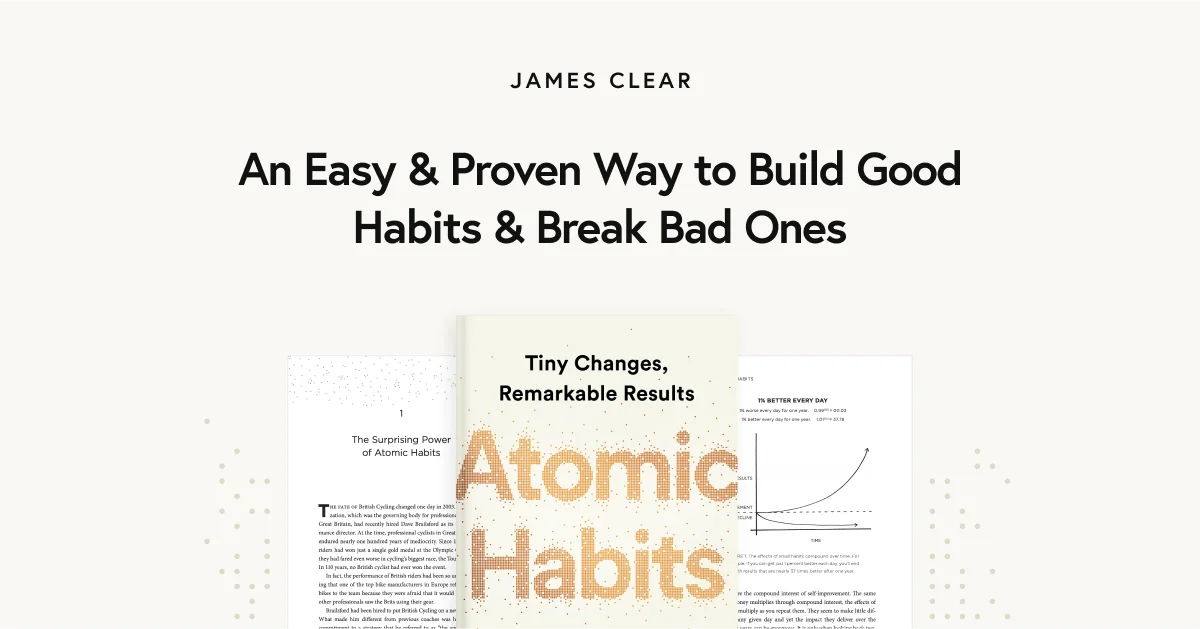
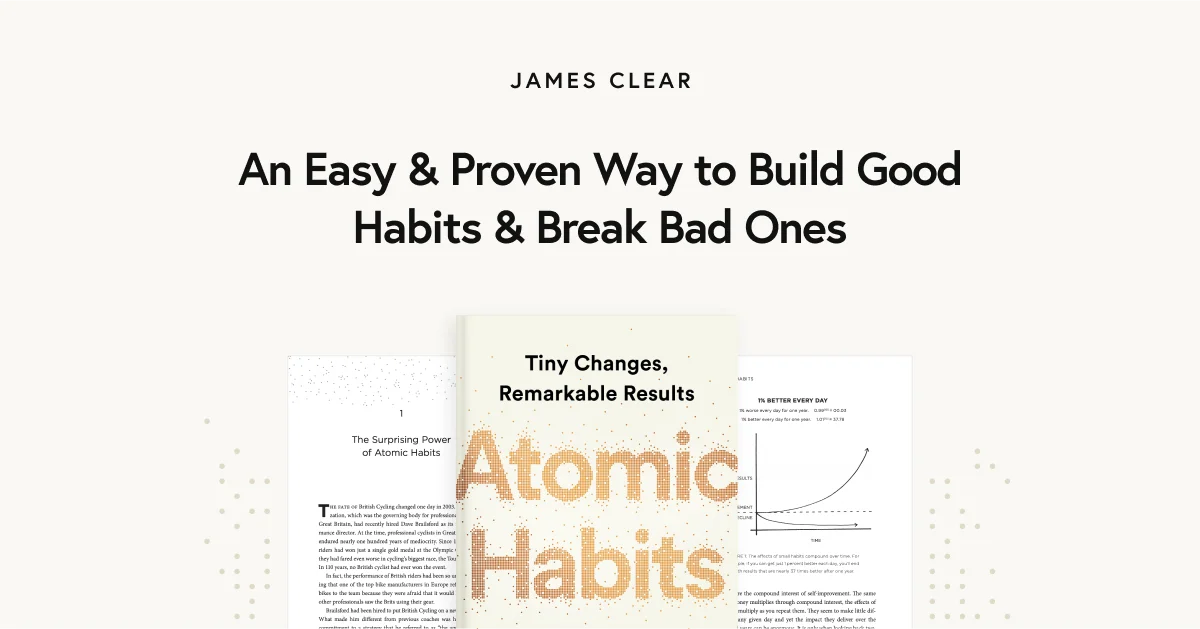
Central to this shift is the concept of "Resetting the Room," a strategy popularized by James Clear in his seminal work, Atomic Habits. This approach moves beyond the traditional notion of "tidying up," reimagining organizational habits as a form of "priming" for future success. By strategically arranging our surroundings, we can reduce the friction of good habits and increase the resistance to bad ones, effectively automating our better selves.
Main Facts: The Mechanics of Environment Design
The fundamental premise of "Resetting the Room" is rooted in the distinction between cleaning for the past and preparing for the future. Traditional cleaning is retrospective; it is the act of erasing the mess left behind by a previous activity. Conversely, "resetting" is prospective. It is a deliberate act of choreography designed to make the next intended action as effortless as possible.
The story of Oswald Nuckols, an IT developer from Natchez, Mississippi, serves as the quintessential case study for this method. Nuckols describes his approach as being "proactively lazy." By returning the remote to the stand, folding the blanket, and clearing the car of trash immediately after use, he ensures that his future self encounters zero friction when transitioning into a new task.
The Two Pillars of Environment Priming:
- Reducing Friction for Positive Habits: This involves "priming the environment" so that the path of least resistance leads to a productive outcome. Examples include laying out workout clothes the night before or setting up ingredients for a healthy breakfast in advance.
- Increasing Friction for Negative Habits: This is the inversion of the principle. By making undesirable behaviors more difficult—such as unplugging the television or placing a smartphone in a different room—individuals can break the cycle of mindless consumption.
James Clear argues that the environment is the invisible hand that shapes human behavior. We often underestimate how much our choices are influenced by what is sitting on our desks or kitchen counters. By taking control of these visual and physical cues, we transition from being victims of our environment to being the architects of it.
Chronology: The Evolution of Habit Science
The concept of environment design did not emerge in a vacuum. It represents the culmination of decades of psychological research into how humans interact with their surroundings.
- 1936: Lewin’s Equation: Psychologist Kurt Lewin proposed that behavior ($B$) is a function of the person ($P$) and their environment ($E$), expressed as $B = f(P, E)$. This laid the groundwork for the idea that changing the environment is often more effective than trying to change the person.
- The 1970s: The Rise of Choice Architecture: Researchers began exploring how the arrangement of options affects decision-making. This was famously demonstrated in cafeteria studies where moving fruit to eye level significantly increased its consumption.
- 2008: Nudge Theory: Richard Thaler and Cass Sunstein published Nudge, bringing the concept of "choice architecture" into the mainstream. They argued that small changes in how choices are presented can have a massive impact on behavior.
- 2018: The Atomic Habits Era: With the release of Atomic Habits, James Clear synthesized these academic concepts into actionable strategies for the general public. His "Resetting the Room" anecdote provided a tangible framework for what researchers had been studying for nearly a century.
- 2020–Present: The Remote Work Revolution: The shift to home-based work amplified the importance of environment design. As the boundaries between "office" and "living room" blurred, the need to "reset" spaces for specific purposes became a survival mechanism for maintaining work-life balance.
Supporting Data: The Science of Friction and Choice
Data from behavioral economics and neurology support the effectiveness of "resetting" strategies. The human brain is wired to conserve energy, a phenomenon often referred to as the "Law of Least Effort."
The Impact of Visual Cues
Studies in the Journal of Marketing Research have shown that the visibility of an object is a primary driver of its consumption. For instance, individuals are significantly more likely to snack on food that is visible on a counter than food tucked away in a cupboard. Clear’s strategy of hiding beer in the back of the fridge or deleting social media apps leverages this data by removing the visual cue that triggers the craving.
Friction and Decision Fatigue
The average adult makes approximately 35,000 decisions a day. This leads to "decision fatigue," where the quality of choices deteriorates as the day progresses. When a room is "reset," the decision of "where to start" is already made.
- Research Insight: A study by Cornell University found that people who kept cereal on their kitchen counters weighed an average of 20 pounds more than those who didn’t. Conversely, those who kept a fruit bowl out weighed about 13 pounds less. This highlights how "priming" with the right physical objects dictates long-term health outcomes.
The 20-Second Rule
Author and researcher Shawn Achor proposed the "20-Second Rule," which posits that lowering the barrier to a habit by just 20 seconds makes it significantly more likely to be performed. Clear’s examples—such as setting out a skillet for breakfast—are practical applications of this rule. By removing the 20 seconds of effort required to find a pan, the individual bypasses the brain’s natural resistance to starting a new task.
Official Responses and Expert Perspectives
The principles of "Resetting the Room" have been echoed by leaders across various sectors, from corporate management to mental health.
Dr. B.J. Fogg, founder of the Behavior Design Lab at Stanford University and author of Tiny Habits, notes that "environment design is not just a ‘nice to have’; it is the most reliable engine of habit change." Fogg emphasizes that while motivation is fickle, a well-designed environment is stable.
Corporate Design Consultants: Modern tech firms like Google and Pixar have long utilized these principles in their office layouts. By "resetting" common areas to encourage "planned serendipity" (placing water coolers and mailrooms in central locations), they prime the environment for employee collaboration.
Psychological Perspectives: Clinical psychologists often suggest environment "resets" for patients struggling with anxiety or ADHD. A cluttered room often reflects and reinforces a cluttered mind. "The act of resetting a room provides a ‘cognitive closure’ to the previous task," says Dr. Elena Rossi, a cognitive behavioral therapist. "It signals to the brain that one neurological loop has ended and another is ready to begin, which significantly reduces transition anxiety."
Implications: Designing a World of Ease
The implications of "Resetting the Room" extend far beyond individual productivity; they suggest a fundamental rethink of how we design our lives and societies.
Workplace Productivity and the Hybrid Model
For the millions of people now working from home, the "Reset" is a vital tool for mental health. By resetting the "desk" area at the end of the day—clearing papers, closing tabs, and putting the mouse away—workers create a physical and psychological boundary that prevents "work creep." This ritual allows for a cleaner transition into domestic life, mitigating the risks of burnout.
Parenting and Education
In educational settings, teachers who "prime" their classrooms for the next day’s lessons find higher levels of student engagement. Parents can use these principles to foster independence in children. By "resetting" a craft station with all necessary supplies in plain sight, they reduce the friction for creative play, making it the "path of least resistance" compared to the easy dopamine of a tablet or television.
Breaking the Cycle of Digital Addiction
As Clear notes, the digital environment is perhaps the most difficult to "reset." The "Path of Most Resistance" strategy is becoming a primary defense against the attention economy. By intentionally adding friction—such as using website blockers or leaving phones in lockers—individuals are reclaiming hours of lost time. The implication is clear: we cannot rely on willpower to fight trillion-dollar algorithms; we must rely on the design of our physical space.
The Philosophy of "Proactive Laziness"
Perhaps the most profound implication is the shift in how we view effort. Oswald Nuckols’ concept of being "proactively lazy" challenges the "hustle culture" narrative that success requires constant, grinding effort. Instead, it suggests that success is a byproduct of intelligent design. When we master the habits of preparation, the habits of execution become an afterthought.
Conclusion: The Path Forward
James Clear’s exploration of environment design reminds us that we are the architects of our own behavior. The "Resetting the Room" strategy is a call to action to stop fighting against our surroundings and start making them work for us.
Whether it is a parent preparing a lunchbox the night before, a writer leaving their laptop open to a blank document, or an IT developer wiping down a toilet while the shower warms up, these small acts of preparation accumulate into a life of ease. The question for the individual, the leader, and the designer remains the same: "How can we design a world where it’s easy to do what’s right?" By resetting our rooms today, we ensure that tomorrow’s success is not a matter of chance, but a matter of design.