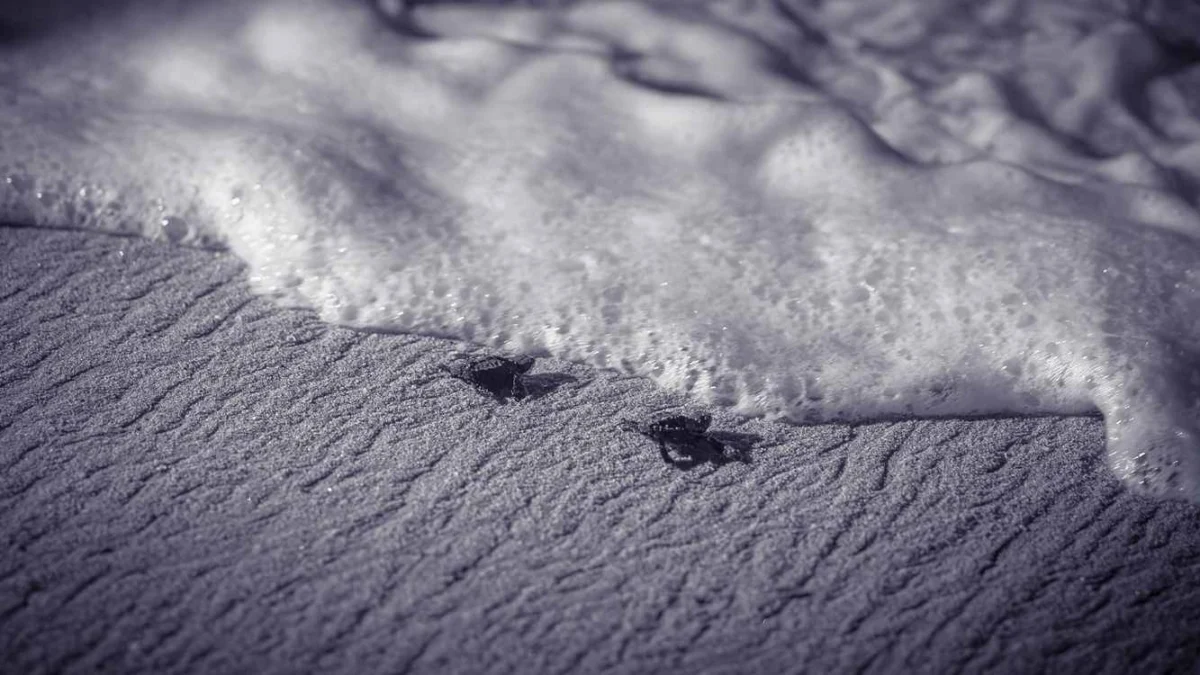
LONG BEACH, Calif. — In a milestone event that has stunned marine biologists and delighted conservationists, a cohort of rare Olive Ridley sea turtle hatchlings—rescued from severe autumn storms—successfully scuttled into the Pacific Ocean over the weekend.
The heartwarming release marks the triumphant culmination of an extraordinary wildlife event that began in late September, when astonished eyewitnesses watched wild sea turtles nest on Southern California beaches for the very first time in recorded history. While scientists are still piecing together the exact environmental and ecological triggers behind this unprecedented geographical shift, experts agree the event represents a fascinating intersection of shifting climate phenomena and decades of tireless global conservation efforts.
Main Facts: A Historic First for the American Pacific
The incredible saga unfolded across the sun-drenched shores of Orange and Ventura counties, altering textbooks and challenging long-held assumptions about the natural range of the Olive Ridley sea turtle (Lepidochelys olivacea).
Typically found in warm tropical and subtropical waters—primarily nesting on massive, synchronized arribadas in Central America, Mexico, and India—these migratory reptiles rarely venture as far north as the United States Pacific coast. When they do appear, they are usually cold-stunned stragglers drifting north on unusual ocean currents.
Nesting, however, is an entirely different biological threshold. For a female sea turtle to intentionally haul herself onto a California beach, dig a deep flask-shaped nest in the sand, deposit her clutch of eggs, and return to the surf is a biological first for the American West Coast.
Thanks to the swift intervention of state and federal wildlife authorities—alongside experts from the Aquarium of the Pacific—the eggs were saved from catastrophic storm surges. After incubating safely off-site, the resulting hatchlings were returned to their native element, completing a journey that has captured the imagination of the public and the scientific community alike.
Chronology of Events: From Shocking Discovery to Ocean Freedom
Phase 1: The Late-September Surprises
The extraordinary sequence of events began on a quiet evening in late September. Lifeguards on a Southern California beach were left entirely speechless when a lone female Olive Ridley sea turtle emerged from the surf. In broad view of stunned onlookers, she methodically hauled her heavy shell across the sand, selected a nesting site above the high-tide line, deposited her clutch of eggs, and slipped back into the Pacific, leaving behind a distinct track and a minor local sensation.
As if rewriting the marine biology rulebooks once was not enough, the phenomenon repeated itself merely 24 hours later at nearby Huntington Beach. State and federal agencies quickly scrambled to document the sites, confirming that these were the first-ever recorded sea turtle nests on the entire U.S. West Coast.
Phase 2: The Storm Threat and Rescue Mission
Initially, wildlife officials intended to let nature take its course, leaving the delicate eggs to incubate in the California sand under the watchful eyes of local monitors. However, late-season meteorological forecasts painted a grim picture. Severe, unseasonal storms threatened to flood the beaches, triggering heavy erosion that would have completely destroyed the subterranean nests.
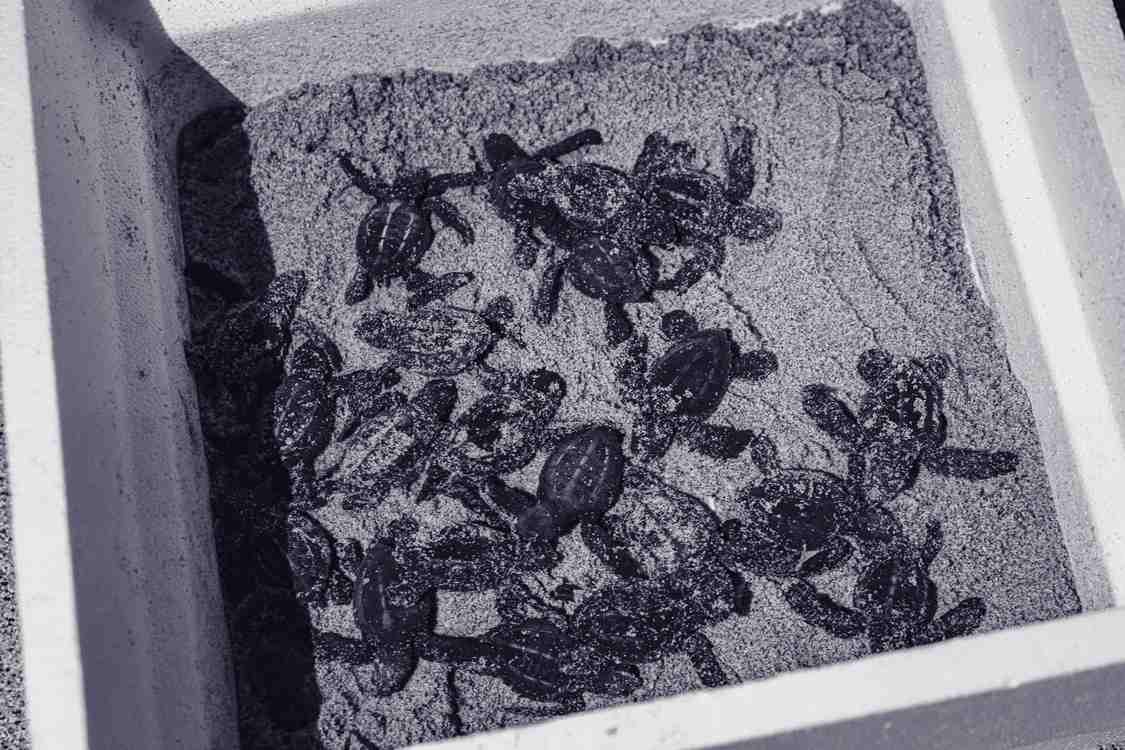
In a race against time, a coalition of state and federal wildlife authorities made the executive decision to evacuate the nests. The precious eggs were carefully excavated and transported to the safety of the Aquarium of the Pacific in Long Beach, where specialized staff monitored their incubation in a controlled, optimal environment.
Phase 3: Hatching and the Midnight Release
Weeks later, the tiny Olive Ridley hatchlings emerged from their shells at the aquarium, active, healthy, and eager for the sea.
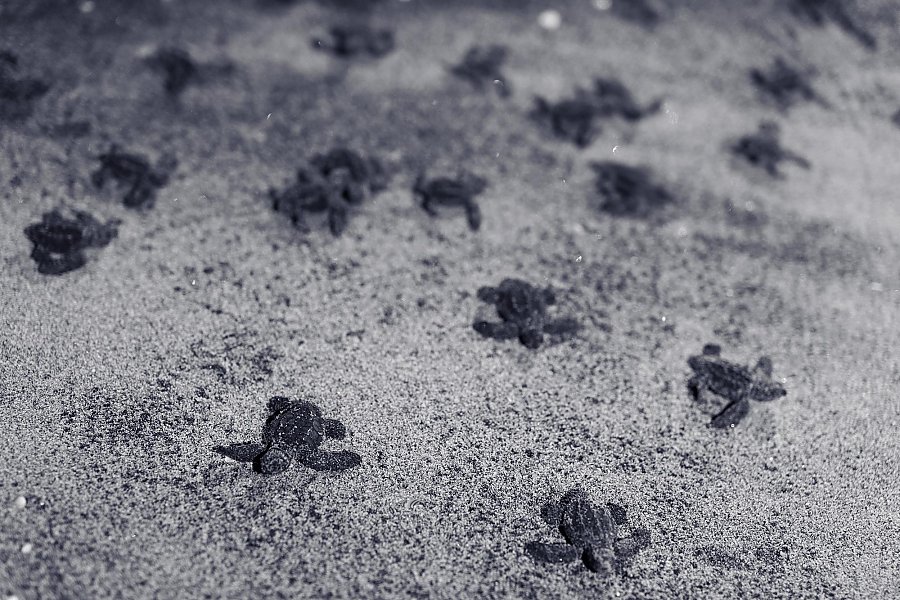
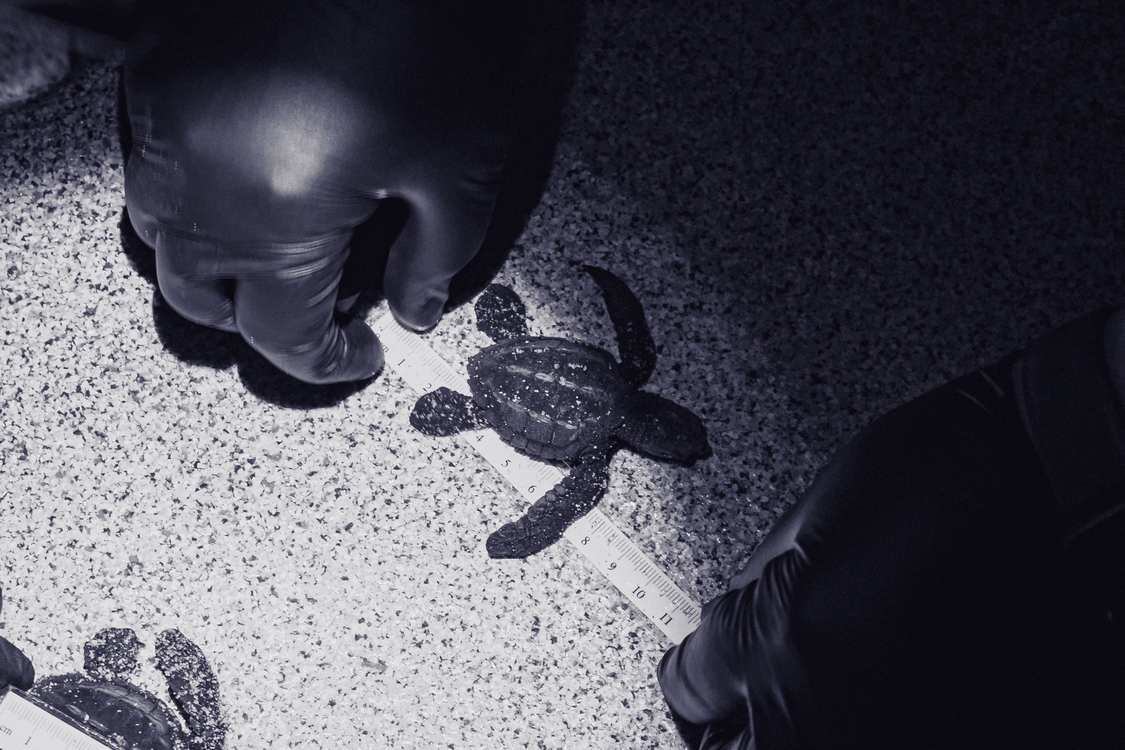
Transported discreetly back to Orange County beaches, the hatchlings were released under the cover of darkness to shield them from avian predators and excessive human disruption. Photographers using specialized red and infrared lighting—which does not disorient the phototactic hatchlings—captured the moving scene. Handlers gently measured each tiny turtle before placing them on the damp sand, allowing them to make the critical crawl to the water on their own four flippers, imprinting on the shore that may guide them home decades later.
Supporting Data and Environmental Context: The Super El Niño Factor
While the public celebrated the adorable sight of turtle flippers carving paths in the sand, marine scientists immediately began searching for the "why." How did tropical reptiles end up nesting thousands of miles north of their traditional range?
Jonathan Snyder of the U.S. Fish and Wildlife Service (USFWS) office in Carlsbad pointed to a constellation of potential factors, chief among them being large-scale oceanographic shifts.
+--------------------------------------------------------------------------+
|                        KEY ENVIRONMENTAL DRIVERS                         |
+--------------------------+-----------------------------------------------+
| Ocean Temperature Shifts | Warm-water anomalies draw tropical species    |
|                          | far north of historical boundaries.           |
+--------------------------+-----------------------------------------------+
| Super El Niño Phenom.    | Altered jet streams and elevated sea surface  |
|                          | temperatures create favorable coastal niches. |
+--------------------------+-----------------------------------------------+
| Population Recovery      | Decades of international conservation have    |
|                          | expanded population densities globally.       |
+--------------------------+-----------------------------------------------+
"One obvious potential reason for this never-before-witnessed event could be the Super El Niño weather phenomenon this year," Snyder explained during a media briefing. El Niño events bring warm tongues of water up the coast of North America, effectively expanding tropical habitats northward and creating thermal highways for species that normally avoid temperate zones.
Furthermore, the nests were not confined to a single isolated incident. In November, just as the initial rescue operations were concluding, USFWS documented yet another nest further up the coast in Ventura County. Because of these dispersed locations, exact totals regarding how many females nested and how many total clutches were laid remain fluid as biologists continue to comb coastal archives for missed reports.
Official Responses: A Testament to Global Conservation
Rather than viewing these northern nests as mere anomalies or distress signals from a warming planet, federal wildlife officials have framed the event through a lens of profound optimism.
According to Snyder, the California nesting events are an indirect reward for decades of arduous, cross-border conservation initiatives. For years, international agreements, protection of nesting beaches in Central America, and the mandatory use of Turtle Excluder Devices (TEDs) in commercial shrimp trawls have worked in tandem to safeguard the species.
"There have been decades of effort by dedicated individuals both in the US and abroad that have done everything they can for sea turtle conservation," Snyder said during a press conference. "And those efforts have really moved the needle for conservation… for Olive Ridley sea turtles in particular, their populations have increased substantially throughout portions of their range."
Snyder emphasized that this demographic rebound is precisely why these turtles are now present in sufficient numbers along our coast to take advantage of these unique environmental conditions. Without thriving, growing populations in their core ranges, surplus females would never have been available to pioneer new territory off the coast of California.
Cassandra Davis, Director of Volunteer Services at the Aquarium of the Pacific, echoed these sentiments while noting the complex biological questions raised by the event.
"It is not known why these sea turtles chose Southern California beaches as nesting sites, but it may indicate important historical changes that could have long-term implications for this species and for local sea turtle management and protection," Davis stated. She noted that researchers are carefully weighing multiple hypotheses—ranging from cyclical weather anomalies and oceanographic warming to potential range expansion driven by population pressure.
Broader Implications for Marine Management
The successful hatching and release of the Olive Ridley turtles carries significant ramifications for the future of West Coast marine wildlife management.
- Policy Adaptations: Local, state, and federal agencies may need to update coastal management plans to account for the possibility of recurrent sea turtle nesting events. Beach renourishment projects, nighttime lighting ordinances, and coastal development guidelines traditionally designed to protect shorebirds may now need to incorporate sea turtle nesting protocols.
- Climate Resilience and Range Shifts: As global sea surface temperatures continue to fluctuate, marine species are increasingly forced to adapt. Understanding whether these California-born turtles will return to the same beaches to nest in 15 to 20 years—when they reach sexual maturity—will provide critical insights into how marine reptiles respond to shifting climatic boundaries.
- Public Engagement: The high-profile nature of the rescue has galvanized local communities. Volunteers, lifeguards, and aquarium staff worked in seamless coordination to protect the nests, proving that urbanized coastlines can coexist with sensitive wildlife when robust educational and rescue networks are in place.
As the tiny Olive Ridley hatchlings vanish into the vast blue expanses of the Pacific, they carry with them the hopes of scientists, conservationists, and nature lovers everywhere. What began as a startling anomaly on a quiet September evening has evolved into a shining testament to the resilience of nature and the profound impact of dedicated global stewardship.