The landscape of domestic robotics has undergone a dramatic transformation over the last decade. Gone are the days when a robot vacuum was little more than a "dumb" disc prone to getting trapped under a dining room chair or snagged on a stray power cable. Today, we are witnessing the arrival of sophisticated, AI-driven machines capable of complex physical interaction with their environments. At the forefront of this evolution is the Roborock Saros Z70, a device that experts are increasingly describing as an "AI-powered housekeeper" rather than a mere floor cleaner. With a current, limited-time promotional price of $999.99—a 50% reduction from its $1,999 MSRP—the Saros Z70 has moved from a luxury curiosity to a viable contender for the modern, efficiency-focused household.
The Core Innovation: More Than Just Suction
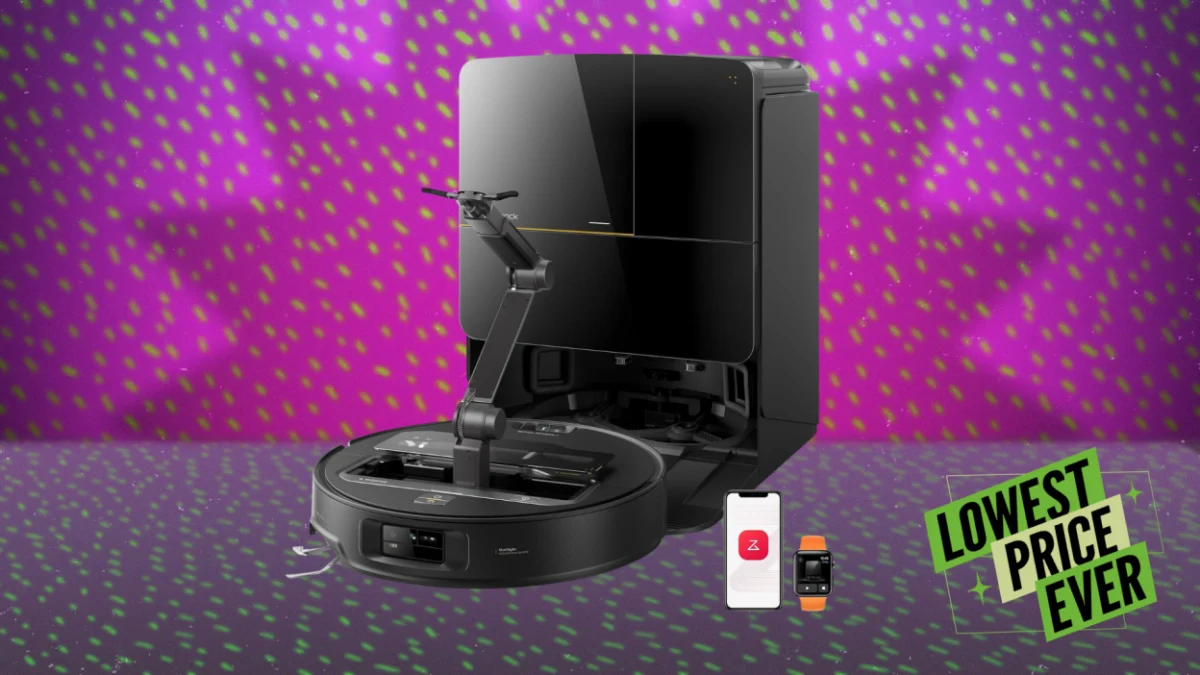
The defining feature of the Roborock Saros Z70 is the Omnigrip robotic arm. While high-end vacuums have long utilized LiDAR and advanced obstacle avoidance, they have historically struggled with the "clutter problem." If a pair of socks, a slipper, or a stray toy was left on the floor, the robot would simply navigate around it, leaving that specific patch of carpet uncleaned.
The Saros Z70 changes this protocol entirely. Utilizing integrated AI-driven computer vision, the unit identifies movable obstacles, navigates to them, and uses its mechanical appendage to shift them aside. The logic sequence is impressive: the robot performs an initial sweep of the open floor space, memorizes the location of the obstructions, and then returns to the site after the primary cleaning cycle to move the obstacle and sanitize the space that was previously covered.
Safety remains a priority in this mechanical interaction. The system is programmed with weight-sensitive parameters, ensuring that the arm does not attempt to "clean" or move pets, fragile valuables, or heavy furniture. By automating the tidying process, the Saros Z70 transitions from a tool that requires human intervention to clear a floor to one that actively prepares a room for a deeper clean.
A Chronology of Progress: From Bumping to Thinking
To understand the magnitude of the Saros Z70, one must look at the trajectory of Roborock’s engineering history.
- 2014–2016: The Navigation Era. The early iterations of robot vacuums were characterized by "random walk" algorithms. They moved until they hit a wall, turned, and repeated. Roborock entered the market by refining SLAM (Simultaneous Localization and Mapping) technology, which allowed robots to map rooms in real-time.
- 2017–2020: The Smart Integration Era. This period saw the integration of LiDAR, high-precision sensors, and mobile app connectivity. Users gained the ability to set "no-go zones" and schedule cleanings via smartphones.
- 2021–2024: The Self-Sustaining Era. The introduction of auto-empty docks and mop-washing stations meant that robots could operate for weeks without human intervention.
- 2025–Present: The Interaction Era. The Saros Z70 represents the current peak of this timeline. It is no longer just about movement and suction; it is about agency. The robot is now tasked with making decisions about the physical state of the home, moving objects, and performing multi-stage cleaning tasks that mirror human workflows.
Supporting Data: The Technical Specifications
The raw performance metrics of the Saros Z70 suggest that it is designed to compete with industrial-grade consumer hardware. Its 22,000Pa suction power is significantly higher than the industry standard for home units, allowing it to extract deep-seated debris from thick carpets.
Key Technical Pillars:
- Omnigrip Robotic Arm: Capable of moving up to 10 items per cycle, focusing on common floor clutter like footwear and lightweight textiles.
- Advanced Mopping System: Features hot-water mopping capabilities, which are essential for sanitizing hard floors and removing stubborn, dried-on stains. The system supports 30 distinct levels of water flow, allowing for granular control based on flooring material (e.g., hardwood vs. tile).
- Mobility and Design: Standing at just 3.14 inches tall, the unit is engineered to slide beneath low-profile furniture—an area where many competitors with top-mounted LiDAR sensors fail. Its chassis allows for climbing thresholds of up to 1.5 inches, facilitating seamless movement between rooms with varying floor heights.
- Battery Efficiency: The unit offers a two-hour and 15-minute runtime. While the mechanical arm consumes additional energy, the efficiency of the software allows for approximately 150 square meters of coverage with the arm engaged, ensuring that even large living spaces can be serviced in a single charge.
Official Responses and Industry Reception
Industry analysts have lauded the Saros Z70 for its "problem-solving" approach. CNET and other major tech outlets have highlighted that the inclusion of an articulating arm effectively solves the "pre-cleaning" tax—the time a human spends picking up the floor so the robot doesn’t get stuck.
Roborock’s design philosophy, as expressed in recent product briefings, focuses on the concept of "Invisible Service." The goal is for the machine to operate in the background so effectively that the homeowner forgets it is working. By integrating voice control—allowing users to instruct the vacuum to clean a specific area after an accidental spill—the company is moving toward a more conversational and intuitive user interface.

Critics, however, note the complexity of mechanical arms. Moving parts are historically more prone to failure than static sensors. As the warranty periods for these devices become a point of discussion, Roborock has emphasized the durability of the Omnigrip components, citing rigorous stress testing that simulates years of daily object manipulation.
Implications for the Future of Home Automation
The release of the Saros Z70 marks a pivot point in the smart home industry. We are moving away from devices that provide "data" (mapping, stats, battery levels) to devices that provide "service" (physical labor, tidying, object management).
1. The Death of the "Pre-Clean"
The primary barrier to robot vacuum adoption has always been the requirement for a clear floor. By effectively removing the need for a human to scan the room for cables, socks, and toys, the Saros Z70 lowers the barrier to entry for busy professionals and families.
2. The Rise of Multi-Purpose Robotics
The arm on the Z70 is the first step toward true "General Purpose" home robots. If a vacuum can learn to move a shoe, the next logical step is a robot that can put away laundry or organize a desk. The AI models driving the Z70’s computer vision are being trained to recognize an increasing variety of objects, suggesting that future firmware updates could expand the types of items the robot is capable of manipulating.
3. Economic Accessibility
At $999.99, the Saros Z70 is an investment. However, when viewed through the lens of a "housekeeper" subscription—a service that would cost thousands of dollars annually—the hardware pays for itself in roughly a year. This price point, especially at the 50% off mark, represents a significant aggressive play by Roborock to capture market share from high-end competitors.
Conclusion: Is It Worth the Investment?
For the average consumer, the choice of a robot vacuum often comes down to a balance between convenience and cost. The Roborock Saros Z70 is clearly positioned at the premium end of the spectrum, but its unique feature set—specifically the ability to move obstacles rather than just avoid them—sets it apart from the sea of standard LiDAR-equipped robots currently on the market.
As we look toward the future, the Saros Z70 serves as a compelling proof-of-concept. It demonstrates that the future of home automation is not just about smarter sensors, but about physical, active, and helpful interaction with our daily environments. For those looking to reclaim their time and invest in the next generation of domestic technology, the current deal on the Saros Z70 offers a rare opportunity to own a piece of the future at a price that is finally within the reach of the mainstream.
As always, when integrating high-end robotics into your home, consider the floor layout and the specific obstacles in your living space. However, if your home is a battleground of clutter and you are tired of the daily "vacuum rescue" mission, the Saros Z70 may well be the definitive solution you have been waiting for.