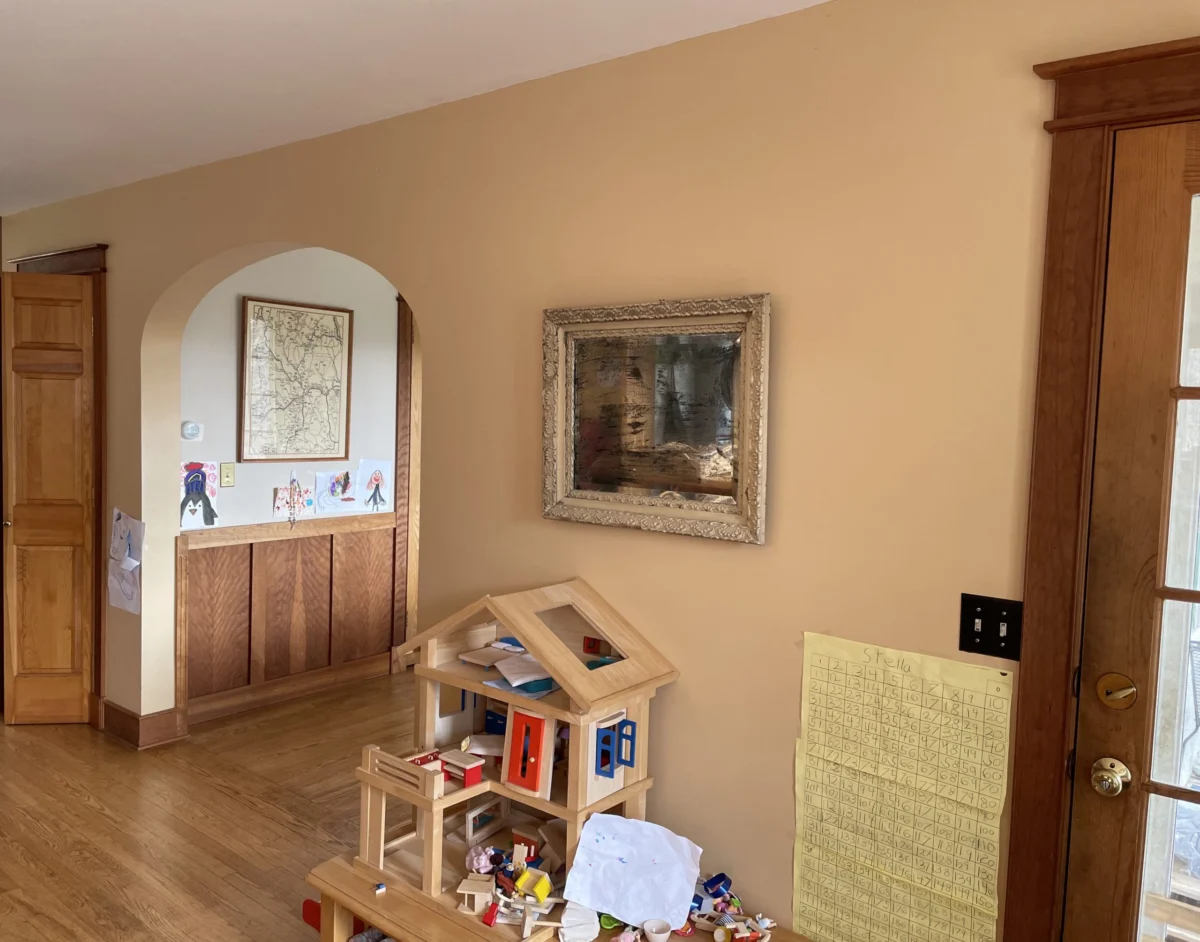
The removal of a load-bearing wall is often the "final boss" of residential renovations. For the Frugalwoods—a family known for their commitment to intentional, cost-effective living—the decision to eliminate a central, awkward partition in their 1991-built home was a project that spanned years of planning, financial discipline, and structural engineering. The result, finally achieved in June, represents not just a cosmetic upgrade, but a fundamental shift in the functionality and flow of their living space.
Main Facts: The "Menace Wall" Removed
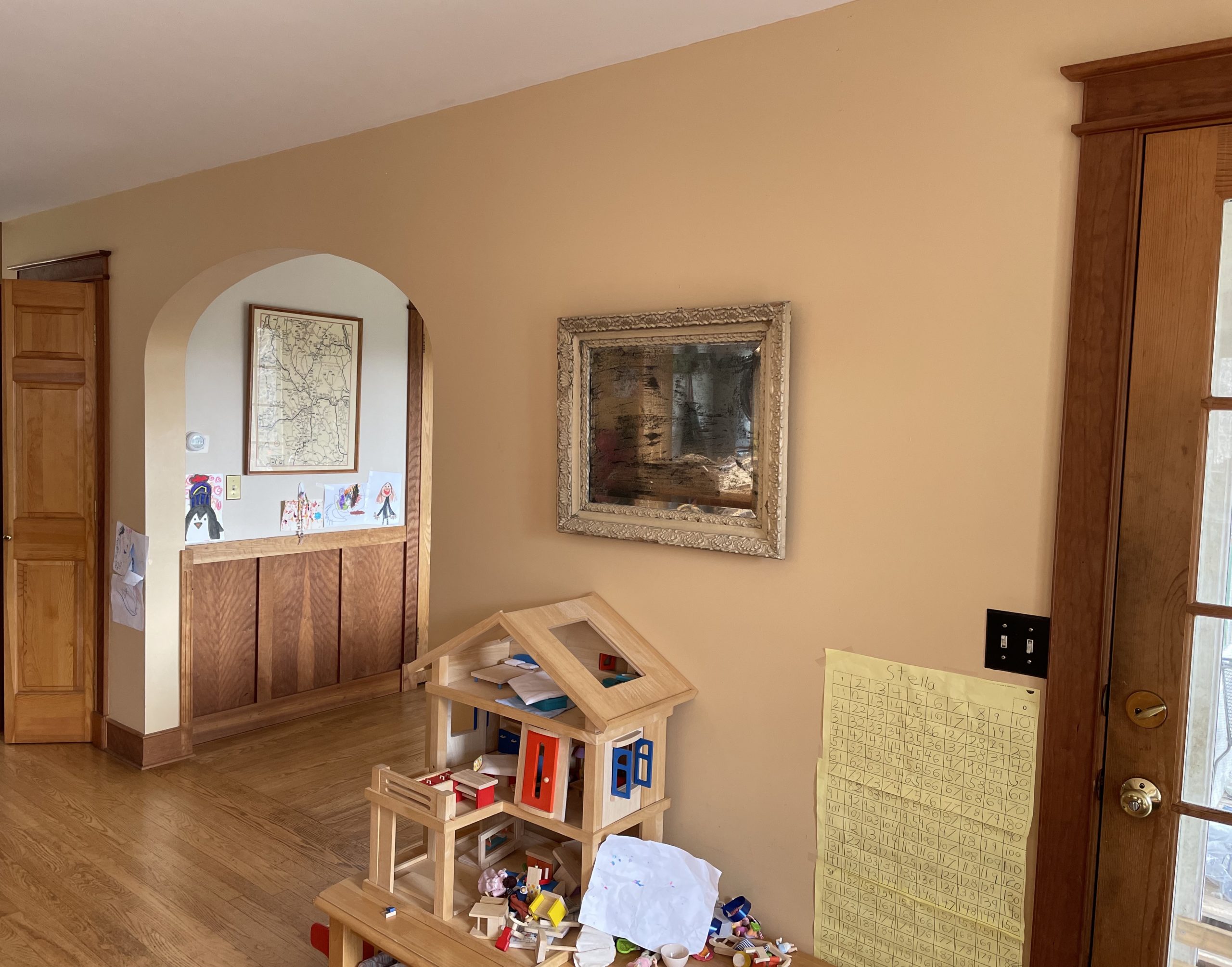
For years, the Frugalwoods lived with a structural partition that effectively severed their kitchen and dining room from the rest of the downstairs living area. The wall was characterized by an oddly placed, low arched doorway that served as a constant point of frustration and visual clutter.
The primary challenge in this project was the wall’s dual purpose: it was both load-bearing and a central artery for the home’s mechanical systems. When the house was constructed in the early 1990s, builders utilized this specific wall to house critical plumbing stacks and complex electrical wiring. Removing it required a surgical approach, blending high-level structural engineering with the couple’s signature DIY ethos. The project culminated in a total expenditure of over $5,000 for the month of June, covering specialized labor, materials, and essential structural components.

A Chronology of Construction
The transformation was not a weekend project; it was a grueling, multi-phase endeavor that required extreme patience.
Phase 1: Demolition and Mechanical Rerouting
The project began with the demolition of the drywall, a task the owners undertook themselves. Once the structure was exposed, the true complexity of the project became clear. They contracted a professional plumber to execute a delicate "zig-zag" rerouting of the plumbing stack, which was integrated into the ceiling and a corner of the pantry. To ensure the new piping remained accessible yet aesthetically integrated, the couple repurposed leftover siding from their backyard chicken coop to construct a custom enclosure.
Phase 2: Electrical Integration
With the plumbing addressed, an electrician was brought in to overhaul the electrical box and wiring. A significant upgrade included the addition of a recessed light fixture over the dining table. This addition has notably improved the functionality of the room, particularly for family activities like game nights, where lighting had previously been insufficient.
Phase 3: Structural Support
The most technical phase involved the recessing of a load-bearing support beam. To ensure the safety of the house, the couple hired an architect to perform precise load calculations. Nate, the husband, then undertook the advanced carpentry work, constructing a temporary "ladder" support wall to hold the ceiling while the main steel beam was installed. This work was a testament to the couple’s ability to blend professional consultation with hands-on labor.
Supporting Data: June’s Financial Breakdown
The Frugalwoods maintain a high degree of transparency regarding their household expenses. Their June financial report highlights the significant investment required to undertake such a major renovation.
| Item | Amount | Notes |
|---|---|---|
| Lumber & Drywall | $703.53 | Materials for the temporary wall and beam |
| Home Improvement Tools | $600.61 | Specialized tools (bottle jack, heavy-duty hardware) |
| Electrician | $494.98 | Rerouting and new lighting installation |
| Groceries | $1,147.44 | Bulk food and household staples |
| Medical Expenses | $250.38 | Routine lab work and co-pays |
| Transportation (Gas) | $194.85 | Fuel costs |
| Recreation (Beach Pass) | $150.00 | Local seasonal access |
| TOTAL MONTHLY SPEND | $5,044.63 | Includes all living and renovation costs |
The data illustrates a balanced approach to spending: while the home renovation required a significant cash outlay, other areas of the budget remained optimized. For instance, by leveraging an MVNO (Mobile Virtual Network Operator) for their cell phone service, the family spent only $28.24 for two phones—a stark contrast to industry averages.

Official Perspective: The Philosophy of DIY
The Frugalwoods operate under a distinct philosophy: "I’m always happy to pay people to do stuff I can’t, or don’t know how to do. I’m equally happy to do stuff myself that I feel safe and confident in my ability to do."
This mindset allowed them to save thousands in general labor costs while ensuring that the "high-stakes" elements—specifically the plumbing and the structural calculations—were handled by licensed professionals. The couple emphasizes that while they enjoy the "grunt work" of demolition and finish carpentry, they respect the boundaries of their expertise, particularly regarding the integrity of their home’s skeleton.
Implications: A More Open Future
The removal of the wall has yielded immediate quality-of-life improvements. The downstairs now features an open-concept flow that was previously impossible. Furthermore, the strategic decision to open the ceiling has provided an opportunity for future-proofing; the couple plans to coordinate further kitchen upgrades while the electrical access remains available, preventing the need to tear into the new drywall later.
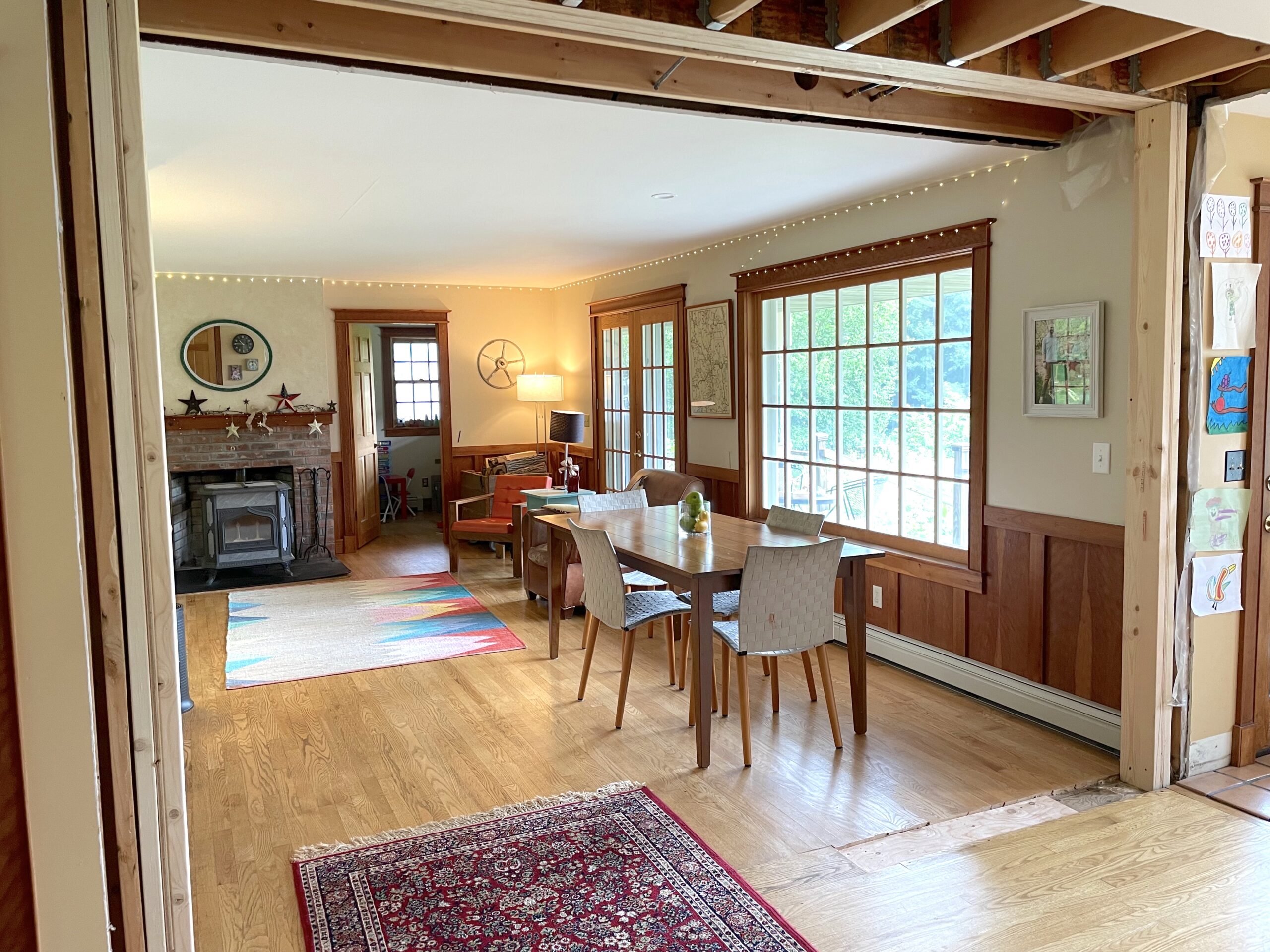
The project serves as a case study for long-term home ownership. By prioritizing structural integrity and professional guidance over quick, "surface-level" cosmetic changes, the Frugalwoods have increased the long-term value and usability of their property.
Financial Optimization Tips
Beyond the renovation, the Frugalwoods continue to advocate for rigorous financial hygiene. Their recommendations include:
- High-Yield Savings: They argue that leaving cash in low-interest accounts is a "waste of resources," advocating for high-yield savings vehicles that allow money to work passively.
- Cash-Back Strategies: By utilizing rewards credit cards for necessary purchases—and paying the balance in full—they earned nearly $90 in cash back during the same month they spent heavily on renovations.
- Holistic Money Tracking: The couple recommends tools like Empower (formerly Personal Capital) to maintain a clear picture of net worth, debt, and investment trajectory.
As the Frugalwoods look toward their next project, the success of the wall removal remains a cornerstone of their journey. It is a reminder that while renovations are often "terrifying" and expensive, the long-term payoff in home functionality and financial autonomy is, in their estimation, 100% worth the effort. For those looking to follow in their footsteps, the advice is simple: plan for the long haul, know when to call a pro, and never underestimate the value of a well-organized spreadsheet.