In the world of industrial design, the concept of "standard" has historically been a synonym for "male." From the internal crash-test dummies used in automotive safety to the temperature settings in commercial office buildings, the modern environment is often calibrated to a physiological baseline that excludes a significant portion of the population. Nowhere is this more apparent—or more physically taxing—than in the realm of office furniture.
Most ergonomic chairs are engineered based on the average height and weight of men, often leaving women to contend with oversized headrests, unreachable lumbar support, and seat pans that are simply too deep. The Musso E80 Muse arrives as a direct challenge to this status quo. Designed specifically to accommodate a height range of 4ft 9in to 5ft 11in, the Muse isn’t just another office chair; it is an exercise in inclusive design that prioritizes the unique anatomical needs of the female workforce.
Main Facts: A Shift in Ergonomic Philosophy
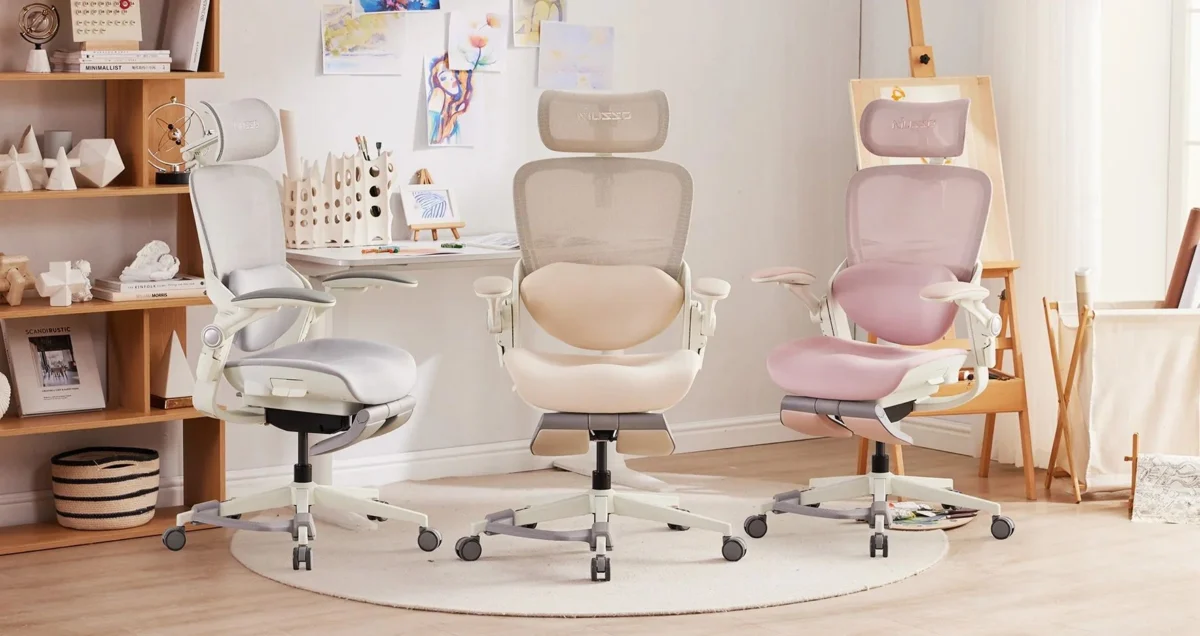
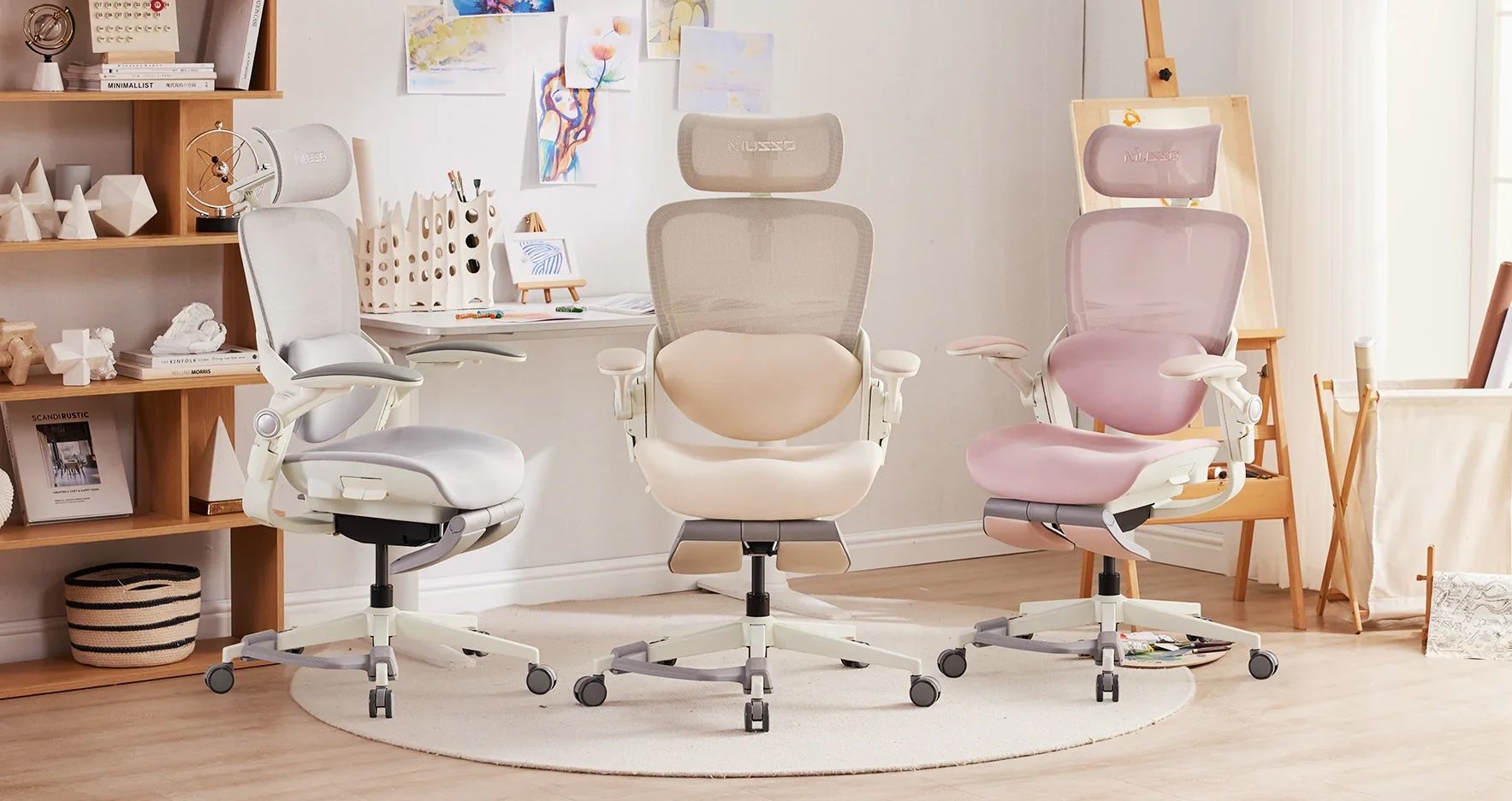
The Musso E80 Muse is positioned as a mid-range ergonomic solution, priced at $369. While the market is flooded with "brutalist" office chairs—typically clad in harsh, industrial mesh and cold, metallic frames—the Muse pivots toward a softer, more intuitive aesthetic. Available in a palette of Blush, Pink, Grey, and White, the chair is clearly designed to integrate into home offices that value warmth and comfort alongside productivity.
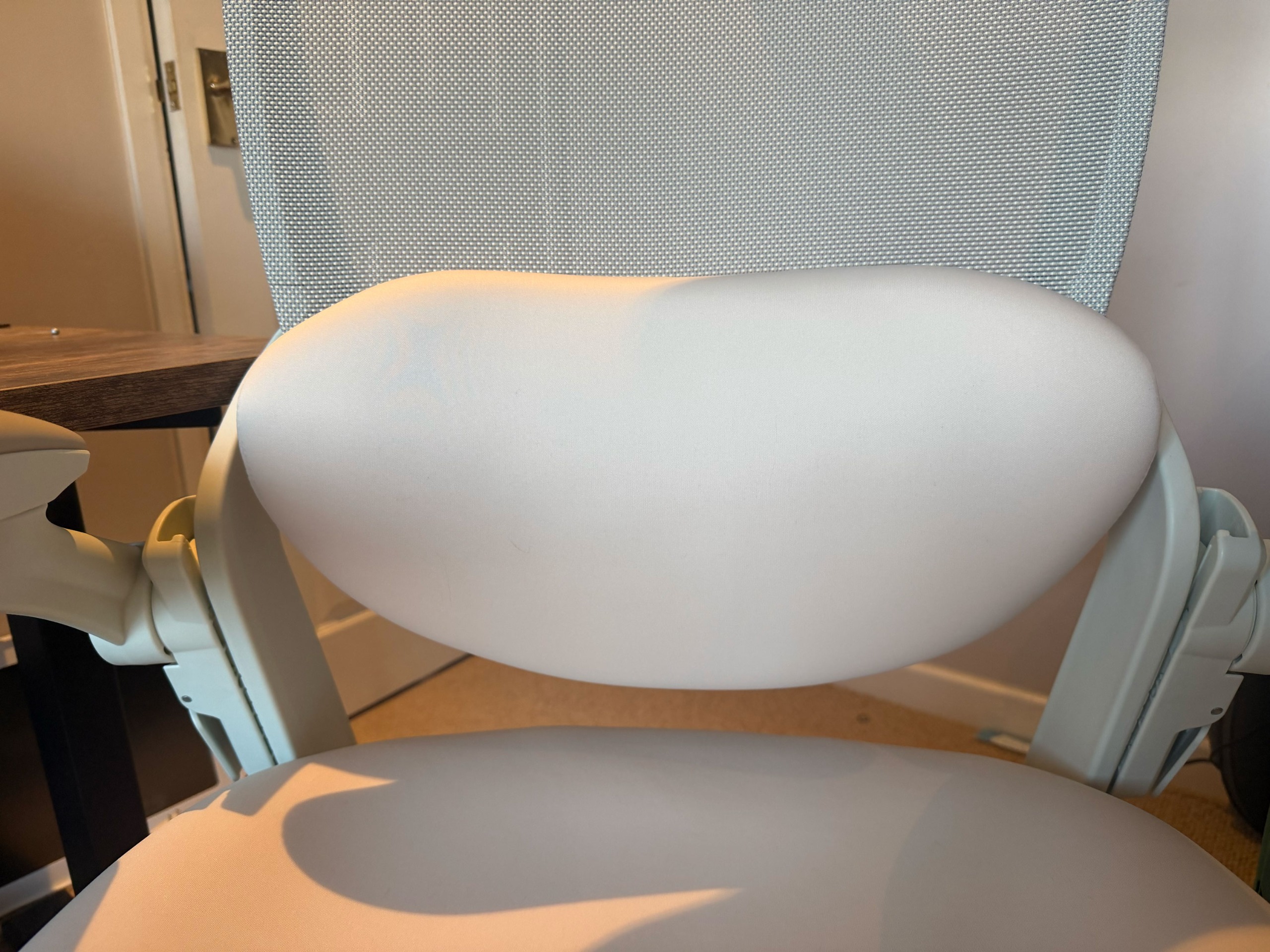
The core value proposition of the E80 Muse lies in its proportions. For many women, standard office chairs result in "the dangle"—a phenomenon where the seat height cannot be lowered enough for feet to rest flat on the floor, or the seat depth is so significant that the backrest never actually touches the lumbar region. The Muse addresses this with a refined, shorter backrest, a lowered seat-height floor, and highly adjustable lumbar support.
Chronology of Development: From Concept to Comfort
The development of the Muse reflects a growing industry awareness regarding "gender-neutral" design flaws. For years, the office furniture sector operated under the assumption that a "one-size-fits-all" chair was a viable business model. However, user feedback and ergonomic studies have consistently shown that the "average" user is a moving target that does not exist.
The Musso E80 Muse was conceptualized as a response to the pervasive discomfort reported by shorter users. Over several months of testing and iteration, the design team focused on the "touchpoints"—the areas where the body meets the chair. By shifting the lumbar support to a more anatomically accurate position and utilizing a softer, more pliable mesh material, the developers moved away from the rigid, unyielding structures that define traditional office seating. The resulting product is a testament to the fact that when you design for the edge cases—in this case, smaller statures—you often end up creating a better product for everyone.
Supporting Data: Why Dimensions Matter
To understand the impact of the E80 Muse, one must look at the data regarding musculoskeletal health in the workplace. Lower back pain is the leading cause of work-related disability, and a significant contributor to this is poor posture forced by ill-fitting furniture.
- Height Adaptability: Designed for users between 4ft 9in and 5ft 11in, the chair fills a gap in the market for users who are traditionally underserved by standard "one-size" chairs.
- Lumbar Efficacy: Clinical studies regarding office chairs suggest that "active" lumbar support—support that moves with the spine rather than forcing it into a fixed curve—reduces fatigue. The Muse’s lumbar system is significantly more forgiving than its competitors, allowing for micro-adjustments that prevent the "static load" that causes muscle ache.
- Material Science: The transition from rigid mesh to a "soft-touch" hybrid material is not purely aesthetic. The increased flexibility allows for better blood circulation in the thighs, as the edge of the seat is less likely to press into the popliteal space (the back of the knee).
The User Experience: A Case Study in Adjustability
While the technical specifications are impressive, the true test of the E80 Muse is in the day-to-day operation. Testing revealed that the chair requires a "settling-in" period. Unlike cheap, static chairs that feel comfortable for five minutes but painful after an hour, the Muse requires the user to invest time in finding their "Goldilocks" position.
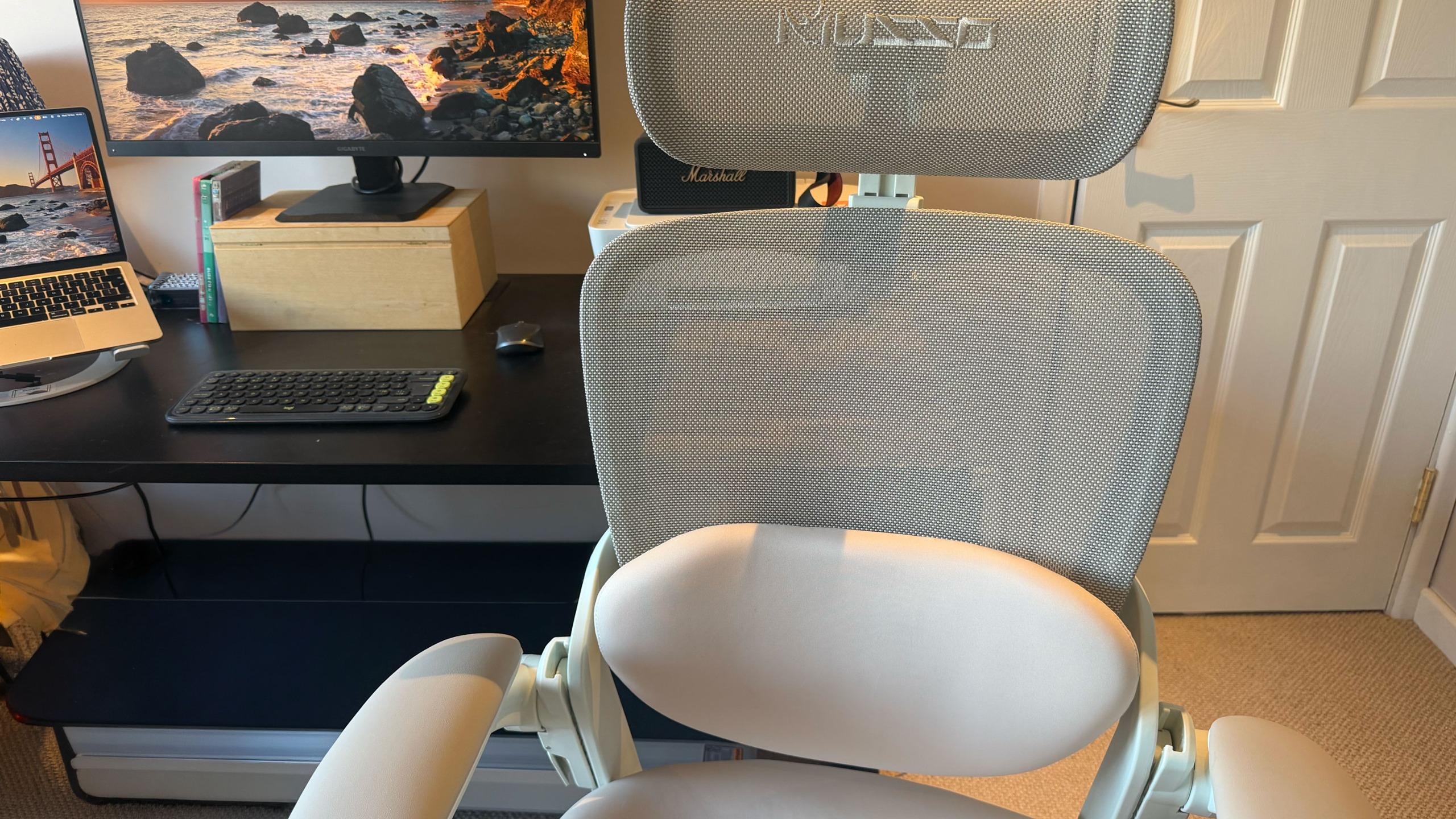
Once adjusted, the chair provides a level of support that feels almost bespoke. The ability to bring the headrest forward—a feature often missing in even high-end executive chairs—is a game-changer for those who suffer from "tech neck." Furthermore, the integration of a retractable footstool acknowledges that for many, true ergonomic alignment requires leg elevation, a feature that transforms the chair from a mere desk accessory into a holistic workstation.
However, the product is not without its compromises. To hit the $369 price point, Musso has clearly had to make trade-offs. The adjustment levers and knobs, while functional, possess a slightly brittle, "plasticky" tactile quality. While these components are durable enough for daily use, they lack the satisfying, heavy-duty mechanical weight found in $1,000+ office chairs. It is a calculated trade-off: the manufacturer has prioritized the cushioning and structural geometry over the finish of the non-essential hardware.
Official Responses and Industry Context
Industry analysts have noted that the Musso E80 Muse represents a broader trend of "democratizing ergonomics." As remote and hybrid work become permanent fixtures of the modern economy, the home office has shifted from a spare corner of the house to a primary workstation. Consequently, consumers are becoming more educated about their own ergonomic needs.
Musso has stated that the E80 series was designed to be "accessible, not exclusive." By avoiding the "medical device" look common in high-end ergonomic chairs, they have successfully courted a demographic that wants health benefits without sacrificing the design integrity of their living space.
Implications: A New Standard for Workplace Inclusion?
The implications of the E80 Muse go far beyond the chair itself. It raises a fundamental question: Why has it taken so long for manufacturers to account for the physical diversity of the human body in such a basic product?
The success of the Muse suggests that there is a massive, untapped market for products that are designed with specific user demographics in mind. If a company can solve the problem of lower back pain for a 5ft 5in user simply by adjusting the seat height and lumbar arc, the industry at large has a responsibility to follow suit.
For the user, the takeaway is clear: stop settling for chairs that don’t fit. The "one-size-fits-all" era is coming to a close. Whether you are a creative professional, a student, or a corporate executive, your chair should be an extension of your body, not a constraint upon it.
Final Verdict: Is It Worth It?
If you have spent years struggling with chairs that feel too deep, too tall, or too rigid, the Musso E80 Muse is, quite frankly, a revelation. It is not a perfect piece of industrial engineering—the plastic knobs are a reminder of its mid-range price tag—but it is a perfect piece of human-centered design.
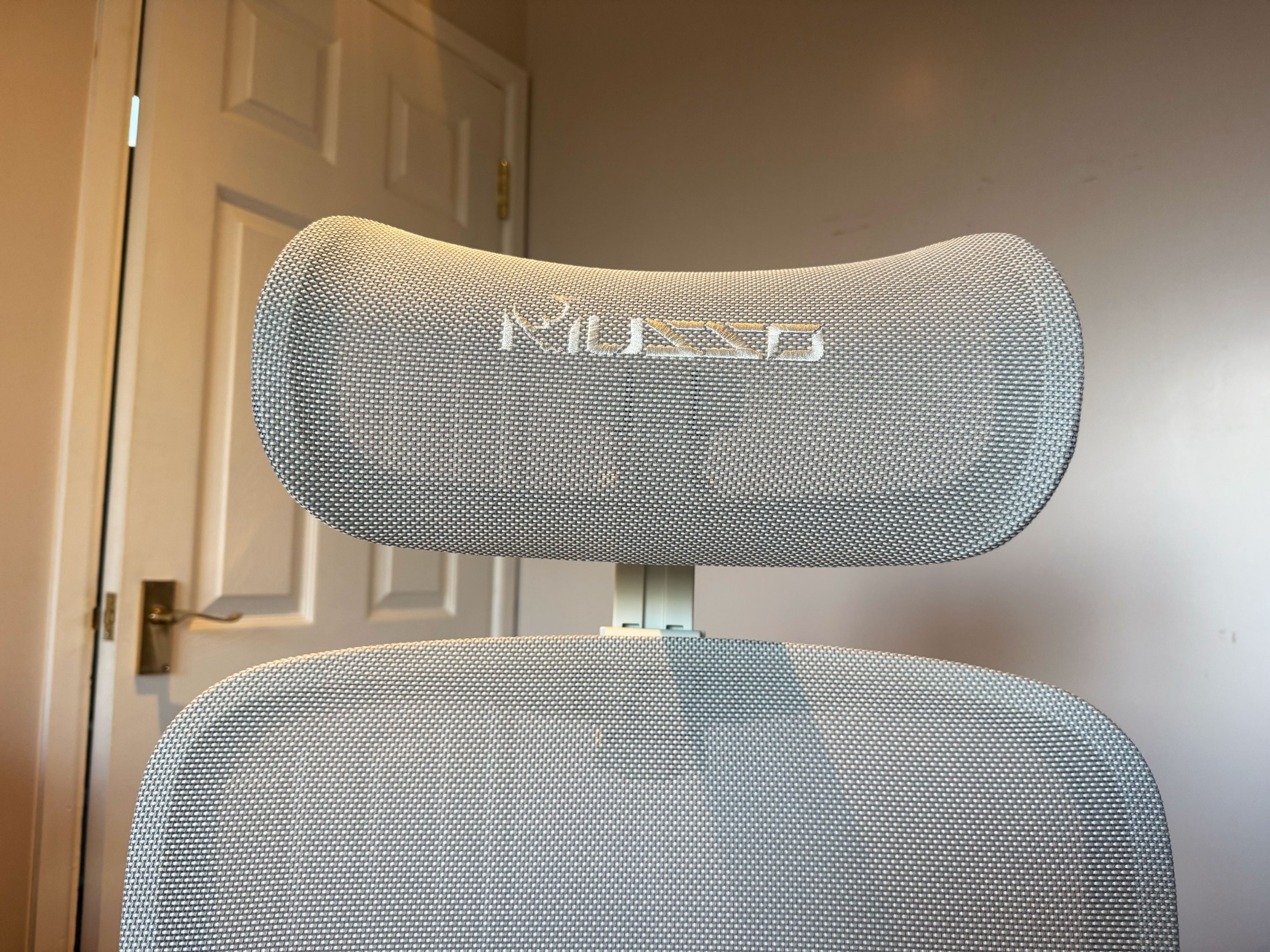
For those who fall within the target height range, the reduction in back pain alone justifies the $369 investment. It is a rare example of a product that acknowledges the user’s physical reality rather than expecting the user to adapt to a standard, outdated design. In an era where we spend thousands of hours in front of our screens, investing in a chair that actually fits is not a luxury—it is an essential component of professional longevity and personal well-being.
The Musso E80 Muse proves that by simply listening to the needs of the user, design can be more inclusive, more comfortable, and significantly more effective. It is a strong contender for anyone looking to upgrade their home office, and a wake-up call to the furniture industry that the era of "one-size-fits-all" is officially over.