
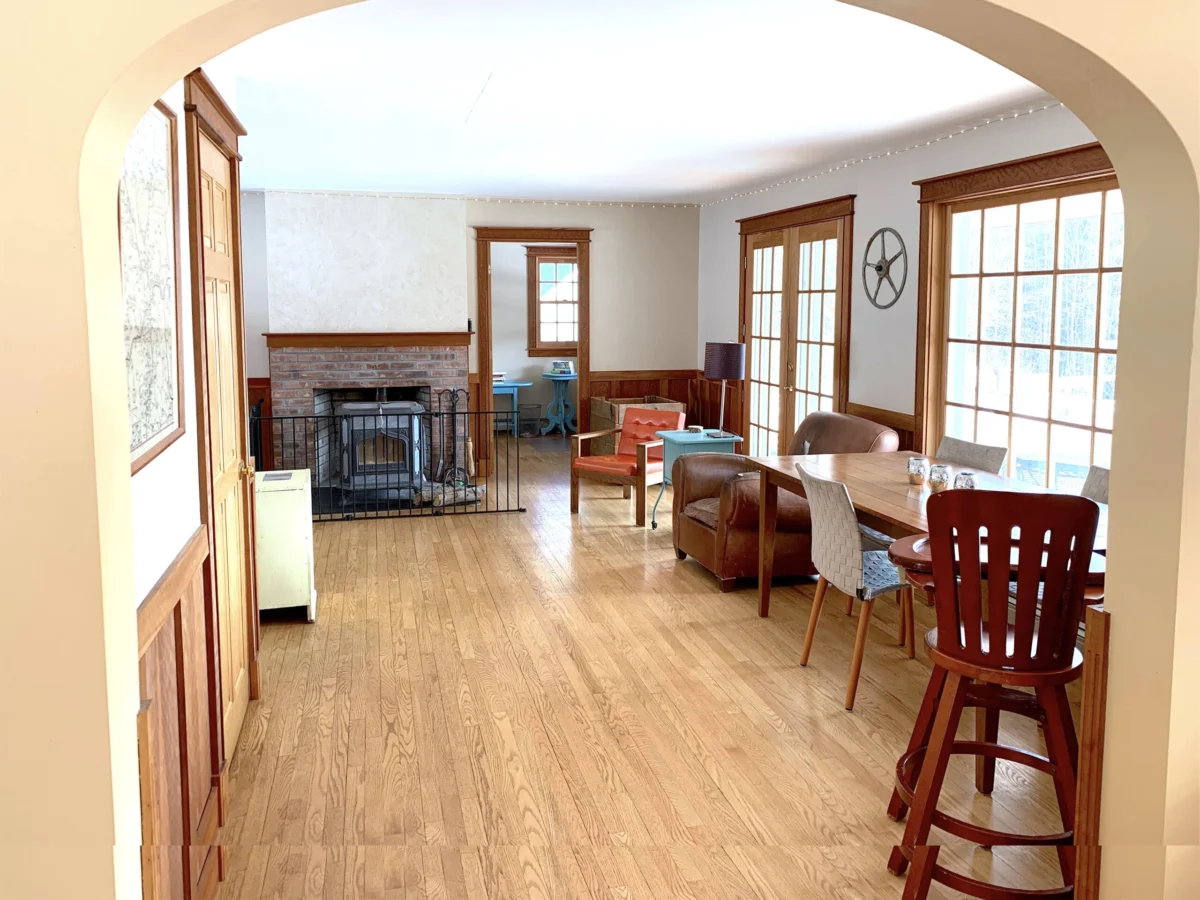
In the quiet corners of Vermont, a family is redefining the intersection of modern parenting, financial stewardship, and intentional living. Known to their community and digital following as the "Frugalwoods," this household has recently pivoted from high-octane corporate life to a more deliberate, nature-integrated existence. Their latest monthly expense report serves not merely as a ledger of outflows, but as a cultural manifesto on how one family navigates the costs of raising children while maintaining an unwavering commitment to a low-consumption, high-fulfillment lifestyle.
The Literary Rite of Passage: Nurturing a Young Reader
At the heart of their domestic life this month is a charming, albeit academically rigorous, transition: the introduction of J.R.R. Tolkien’s The Hobbit to their seven-year-old, Kidwoods. For Mr. Frugalwoods, a long-time aficionado of Middle-earth, this is the fulfillment of a long-standing aspiration.

The journey toward this literary milestone was not accidental. It was a scaffolded process, moving through John Patience’s Fern Hollow series and Brian Jacques’ Redwall epic before tackling the dense prose of Tolkien. The household has established a daily afternoon ritual where the child reads aloud to her father. This practice serves a dual purpose: it acts as a pedagogical tool for the child’s burgeoning literacy and as an intimate bonding experience that allows the parents to monitor her pronunciation and comprehension.
While the parents initially expressed concern that the darker themes of The Hobbit—the greed of dragons and the duplicity of goblins—might prove too frightening for a first-grader, the result has been the opposite. The text has provided a safe, distanced environment to discuss complex moral quandaries. When characters exhibit "bad behavior," it offers a touchstone for the child to identify and articulate ethical nuances. The only friction in this idyllic routine? The younger sibling, Littlewoods, who remains understandably frustrated by her current inability to join the reading circle.

The Art of the Thrift: A Philosophy of Secondary Markets
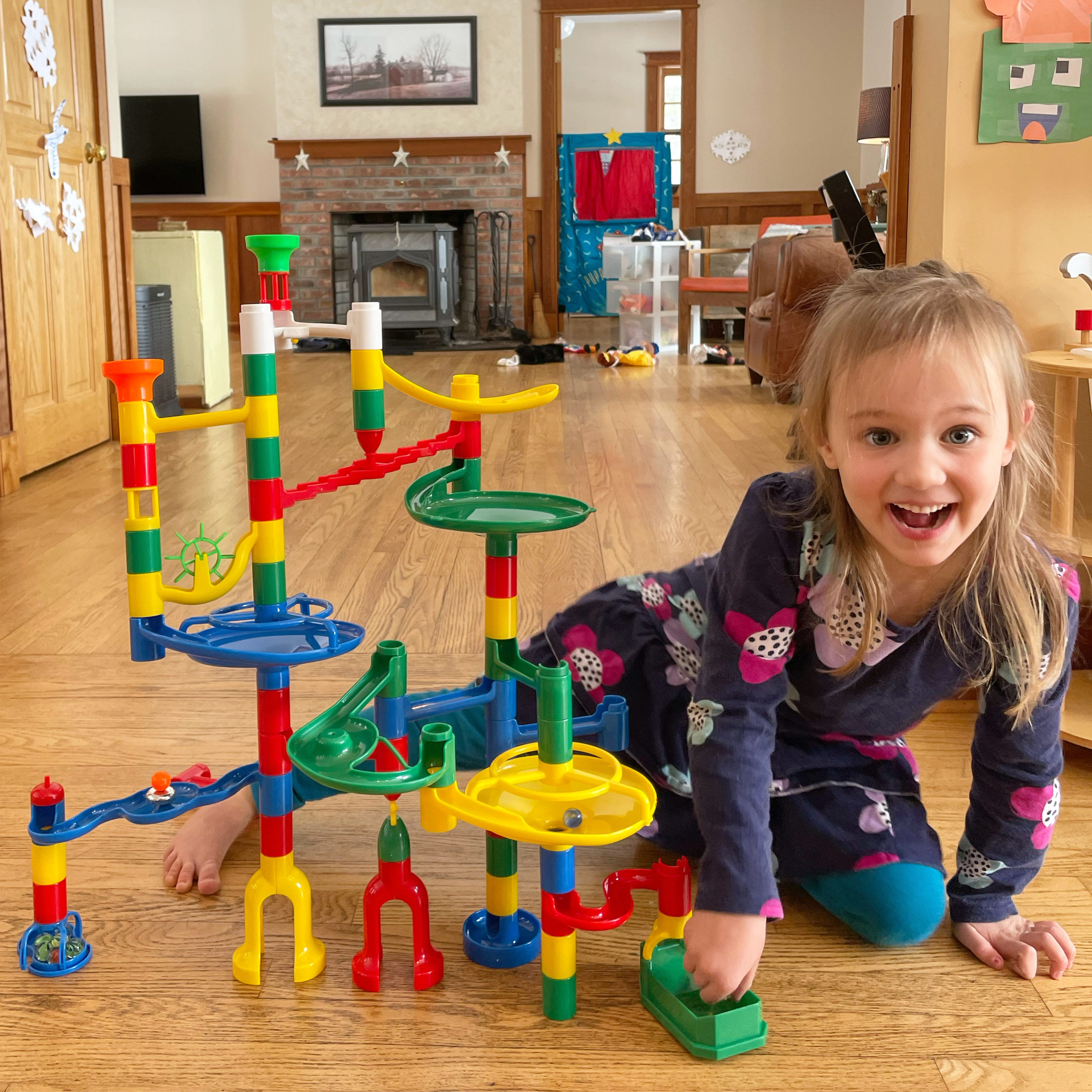
Beyond the books, the Frugalwoods have been active participants in Vermont’s robust yard sale and thrift store season. This activity is more than a cost-saving measure; it is a fundamental pillar of their economic philosophy.
In a world defined by the "paradox of choice," where infinite consumer options often lead to paralysis and dissatisfaction, the Frugalwoods argue that the secondary market offers a curative simplicity. By choosing to source clothing, household goods, and recreational items from yard sales, they bypass the relentless marketing cycle that drives most modern consumer behavior.
The benefits, they contend, are seven-fold:
- Decision Fatigue: Limiting options to what is available at a thrift store reduces the mental load of shopping.
- Environmental Impact: Reusing goods significantly lowers the individual’s carbon footprint.
- The Kismet Factor: Finding a specific, high-quality item at a fraction of the cost provides a unique sense of serendipity.
- Endowment Effect Mitigation: When goods are inexpensive or second-hand, the emotional attachment to "stuff" is reduced, fostering a healthier detachment from material possessions.
- The Joy of the Hunt: The process itself is framed as a recreational pursuit.
- Community Building: Engaging with neighbors at sales fosters local connections.
- Time Efficiency: By avoiding big-box retail, they often save time in the long run.
Chronology of May: A Deep Dive into Monthly Expenditures
The May expense report provides a transparent window into their life. With a total expenditure of $4,641.49, the family’s spending reflects a blend of essential maintenance, educational investment, and intentional luxury.

Major Financial Outlays
- Groceries ($879.72): The largest line item, reflecting the reality of feeding a family of four.
- Restaurants ($493.81): A significant category that demonstrates the family’s willingness to spend on social experiences rather than material goods.
- Household Supplies & Home Improvement ($469.98): This includes everything from toothpaste to essential repairs.
- Education ($420.00): A final, poignant payment for preschool.
Infrastructure and Maintenance
The report highlights the realities of homeownership in a rural environment. Significant investments were made in equipment to maintain their property, including a battery-operated string trimmer ($293.15) and a pole saw attachment ($126.94) for pruning fruit trees. The family also noted the recurring "kid tax"—the necessity of replacing cabinet hinges, doorknobs, and toilet paper holders that succumb to the wear and tear of active children.
Implications: The Macro View of Micro-Decisions
The Frugalwoods’ financial strategy is built on the premise of "earning money while doing nothing." This is evidenced by their use of high-yield savings accounts and cash-back credit cards. By treating their personal finances as a systematized, optimized business, they are able to extract value from standard transactions.

For instance, their commitment to using Mobile Virtual Network Operators (MVNOs) for cell phone service allows them to pay approximately $28.24 per month for two lines. This, combined with a 2% cash-back strategy on all purchases, ensures that the family is constantly reclaiming small percentages of their outgoings.
The philosophical implication of their approach is clear: frugality is not about deprivation. It is about the reallocation of resources. By saving on commodities like cell service and new clothing, the family is able to direct their capital toward what they deem more valuable: time with their children, the maintenance of their home, and the pursuit of shared experiences.

Looking Forward: A Model for Modern Living?
The Frugalwoods model is increasingly relevant in an inflationary economy where the cost of living continues to climb. Their methodology suggests that by auditing one’s spending—down to the level of the $12.55 writing tablet or the $27.55 guitar strings—one can regain a sense of agency over their financial future.
Their advice to the reader remains consistent: you cannot make informed decisions if you do not know where your money is going. By leveraging digital tools like Empower (formerly Personal Capital) and maintaining rigorous, public documentation of their spending, they invite their audience to engage in a similar process of financial self-discovery.

As the plum trees bloom in their Vermont yard and the girls grow into their second-hand clothes, the Frugalwoods stand as a case study in how to live well on less. They argue that if you can master the "small" numbers—the $5 parking fees and the $10 batteries—the "big" numbers, such as retirement and financial independence, begin to take care of themselves. It is a quiet, steady, and thoroughly intentional path that prioritizes the long-term wealth of the family over the short-term satisfaction of the consumer.