By Olivia Rosane and Cristen Hemingway Jaynes
Methane is a silent, invisible, and odorless force that has become the central focus of the global climate conversation. Found everywhere from the digestive tracts of livestock to the depths of Arctic permafrost and the furnaces in our homes, methane is a powerful greenhouse gas. While carbon dioxide (CO2) is often cited as the primary driver of long-term global warming, methane is the second-most important contributor to the climate crisis. Its unique chemical properties—and the alarming rise in its atmospheric concentration—have made it the "high-stakes" variable in our race to stabilize the planet’s temperature.

Main Facts: Understanding the Molecule
Methane (CH4) is a hydrocarbon consisting of four hydrogen atoms bonded to a single carbon atom. It is abundant in nature and originates from both geological and biological processes.
- Geological Origins: Methane is typically formed when heat and pressure act upon decomposing organic matter over millions of years, forming the basis of what we know as "natural gas."
- Biological Origins: Through a process called methanogenesis, microorganisms known as archaea produce methane as a byproduct of oxygen-free respiration. This occurs naturally in wetlands and in the digestive tracts of ruminant animals like cows, sheep, and goats.
- Atmospheric Impact: Methane is a potent greenhouse gas. When it enters the atmosphere, it absorbs heat energy reflected from the Earth’s surface and traps it, preventing it from escaping into space. While methane has a shorter atmospheric lifespan than CO2—lasting approximately 12 years compared to centuries—it is far more potent. Over a 20-year period, methane traps 86 times more heat per unit of mass than CO2.
Chronology: The Industrial Surge
The concentration of methane in our atmosphere has seen an unprecedented, and largely human-driven, spike since the dawn of the Industrial Revolution.

- Pre-Industrial Era: Atmospheric methane levels were significantly lower before human-led industrialization and intensive agricultural expansion began.
- 2020–2021: Scientists observed an "exceptional surge" in methane emissions, particularly from tropical wetlands and thawing permafrost, raising concerns about climate feedback loops.
- 2021 (COP26): The United Kingdom and the United States launched the Global Methane Pledge, aiming to cut global methane emissions by 30% from 2020 levels by 2030.
- 2023: Methane concentrations soared to 1,934 parts per billion (ppb), representing a 265% increase compared to pre-industrial levels.
- 2024–Present: Despite numerous pledges, emissions from the oil and gas sector have continued to rise, exceeding 120 million metric tons per year.
Supporting Data: The Measurement Gap
Accurately tracking methane is notoriously difficult because emissions come from diffuse sources. Scientists employ two primary methods:
- Bottom-Up Approaches: These involve local ground-level measurements or estimations based on specific activity data (e.g., multiplying the number of cows by the average methane output per cow).
- Top-Down Approaches: These use airplanes, high-altitude platforms, and satellites to measure atmospheric concentrations from above.
The disparity between these methods is striking. A 2023 study found that satellite data often detects "super-emitter" incidents—massive, sudden leaks from pipelines or landfills—that bottom-up inventories fail to capture. In fact, research suggests that the largest 5% of leaks are responsible for more than 50% of total gas-industry emissions. Furthermore, direct measurements of U.S. oil and gas methane emissions have been found to be 60% higher than the estimates provided by the Environmental Protection Agency (EPA).

Official Responses and Policy Failures
While the Global Methane Pledge has gained 159 signatories as of January 2025, the gap between political promises and physical reality remains wide. The International Energy Agency (IEA) has noted that while the oil and gas sector could slash emissions by 70% using existing, cost-effective technology, the "implementation gap" is significant.
Currently, only 13% of global methane emissions are covered by meaningful reduction policies. Critics, including environmental campaigner Bill McKibben, argue that the continued buildout of Liquefied Natural Gas (LNG) infrastructure in nations like the U.S., Canada, and Australia undermines any potential climate progress. By treating natural gas as a "bridge fuel," governments are locking in infrastructure that, when methane leakage is accounted for, can be more warming-intensive than coal over a 20-year horizon.

Implications: A Tipping Point or a Turning Point?
The implications of failing to curb methane are severe. Methane is also a precursor to ground-level ozone, a harmful pollutant that causes roughly half a million premature deaths annually due to respiratory and heart disease.
The Climate Feedback Loop
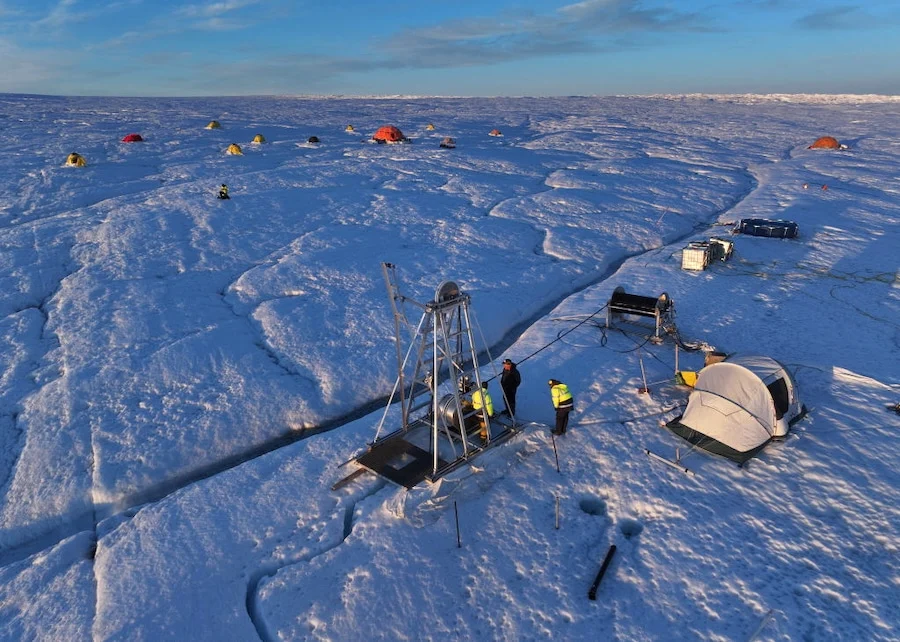
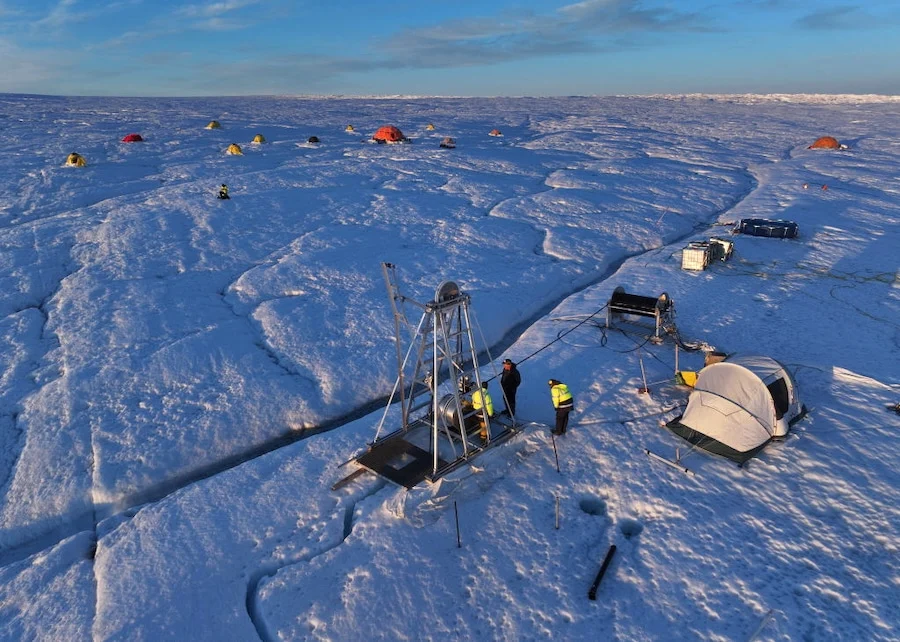
Perhaps most concerning is the role of methane in positive climate feedback loops. As the planet warms, Arctic permafrost thaws, releasing ancient carbon and methane that have been trapped for millennia. This creates a vicious cycle: warming leads to thawing, which leads to more methane, which leads to more warming. If these "tipping points" are crossed, the process could become irreversible.

The Opportunity for Rapid Cooling
However, methane’s short lifespan is its greatest strategic advantage. Because it does not linger in the atmosphere for centuries like CO2, the Intergovernmental Panel on Climate Change (IPCC) has identified methane reduction as the most effective strategy to limit global heating to 1.5 degrees Celsius in the near term. The Global Methane Assessment concludes that curbing these emissions is the most effective lever we have to decrease warming over the next 20 years.
Path to Mitigation
Reducing methane requires a three-pronged approach:

- Agriculture: Shifting toward plant-based diets, reducing food waste, and adopting innovations like methane-inhibiting seaweed feed supplements for livestock can significantly lower agricultural output.
- Fossil Fuels: A rapid transition to renewable energy is the primary solution. In the interim, stringent leak detection and repair (LDAR) protocols and the elimination of routine venting and flaring are mandatory.
- Waste Management: Transitioning to a circular, zero-waste economy and upgrading wastewater treatment facilities to capture biogas are critical steps.
What Individuals Can Do
While systemic change is the ultimate goal, individual action creates the social and political pressure necessary to force that change:
- Dietary Shifts: Reducing meat and dairy consumption, even incrementally, decreases the demand for methane-intensive livestock production.
- Electrification: Replacing gas stoves and furnaces with induction ranges and electric heat pumps reduces the demand for fossil gas infrastructure at the household level.
- Civic Engagement: Supporting advocacy groups—such as 350.org, Oil Change International, and local environmental justice networks—is essential to stopping the expansion of LNG export terminals and holding corporations accountable for their leak rates.
Conclusion
Methane represents both our greatest vulnerability and our most immediate opportunity in the climate fight. While the surge in atmospheric concentrations is a clear warning sign, the fact that methane can be mitigated quickly offers a rare window of hope. By recognizing the limitations of current fossil fuel reliance and prioritizing aggressive, science-based reduction strategies, we can "lower the thermostat" of the planet. The technology exists; the challenge remains one of political will and public demand.