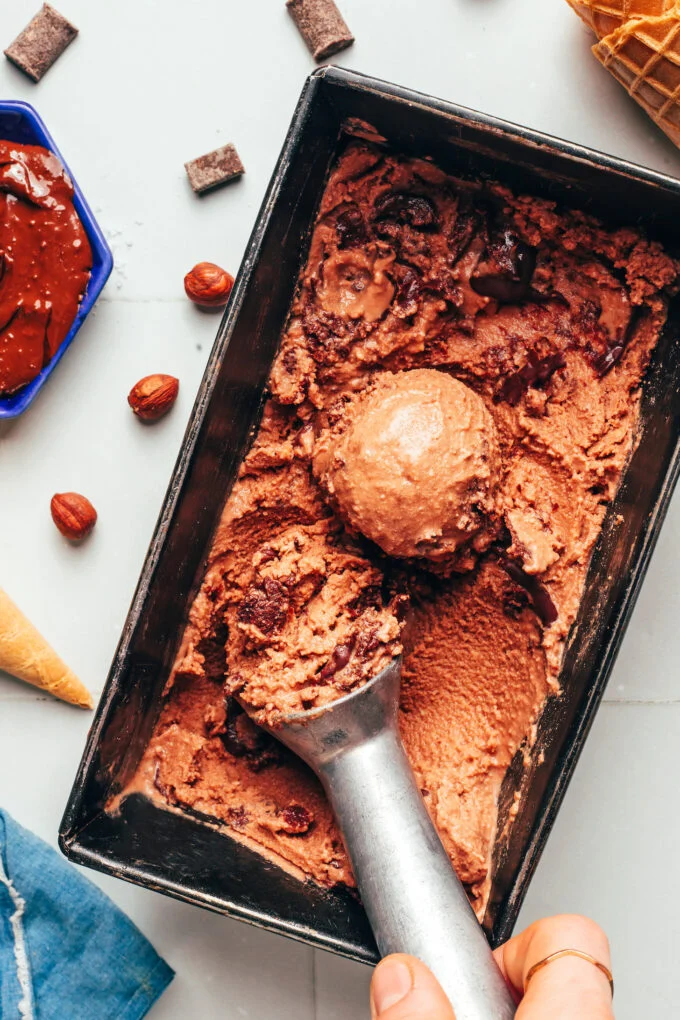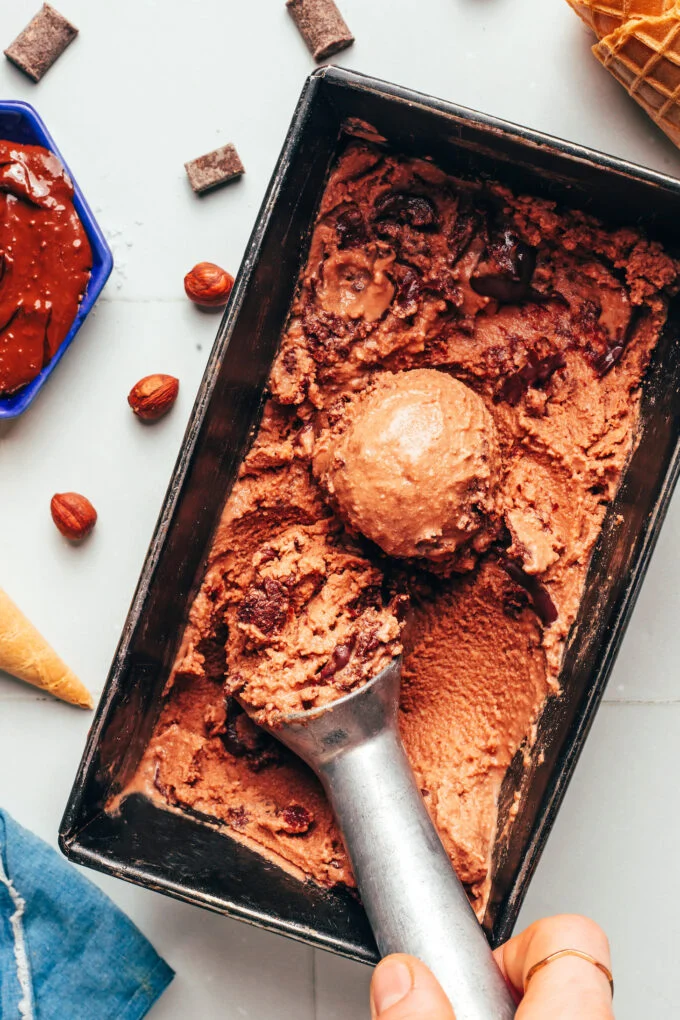
As the mercury climbs and the summer season approaches, the quest for the perfect cooling treat often leads food enthusiasts back to the timeless, indulgent combination of chocolate and hazelnuts. While commercial ice cream aisles are typically dominated by dairy-heavy products, a new, sophisticated, and entirely plant-based contender has emerged to disrupt the status quo. Minimalist Baker has unveiled a six-ingredient vegan Nutella-style ice cream that promises the same decadent, creamy texture as traditional gelato, but with a cleaner, allergen-friendly profile.
This article explores the culinary mechanics behind this recipe, the rising trend of artisanal vegan frozen desserts, and how simple, high-quality ingredients are changing the way we think about homemade indulgence.
The Core Concept: A Masterpiece in Simplicity
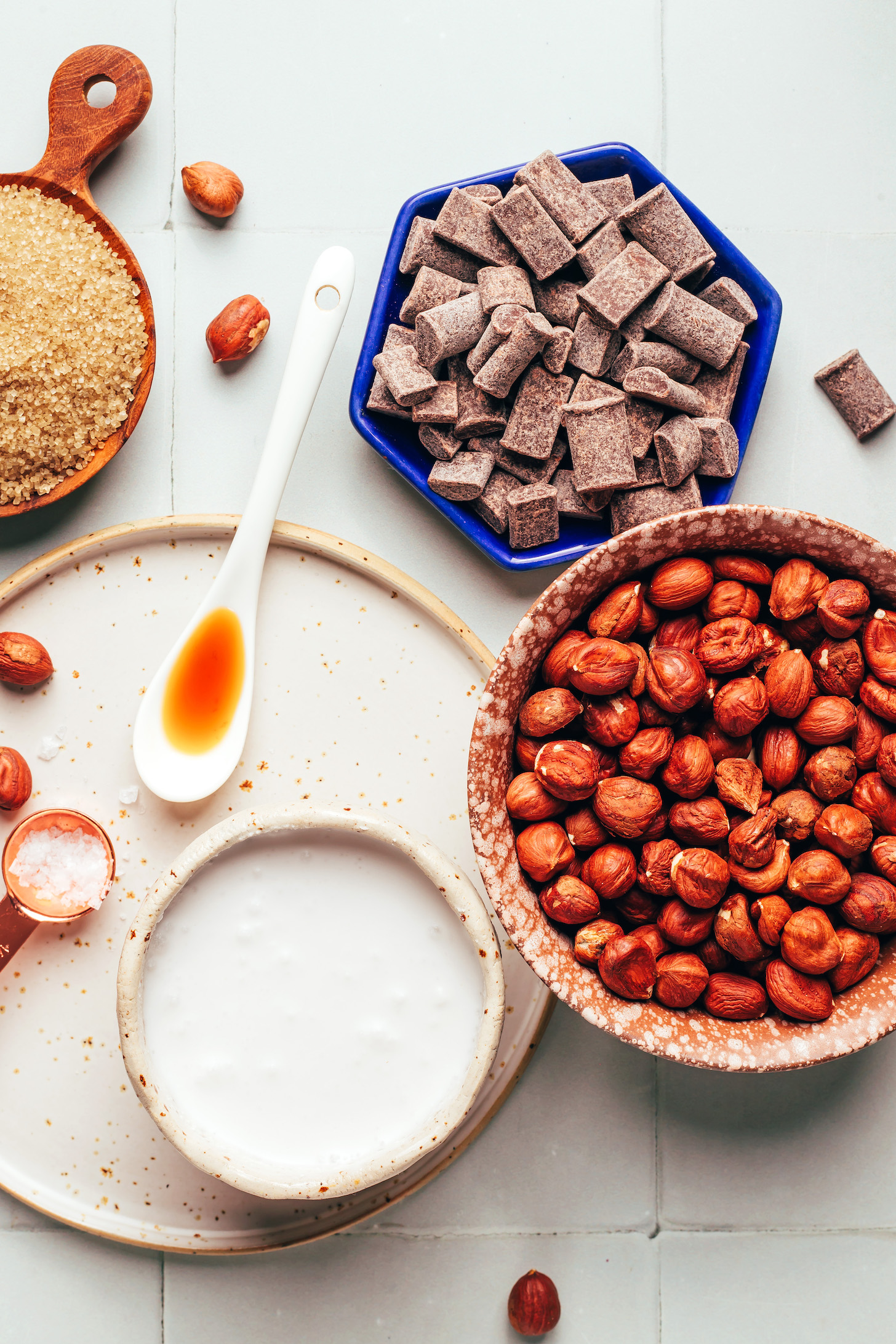
At its heart, this recipe is a masterclass in culinary minimalism. By focusing on only six primary components—hazelnuts, chocolate, light coconut milk, cane sugar, vanilla, and salt—the creator manages to replicate the complex, roasted profile of the iconic Italian spread, Nutella, while elevating it into a frozen, scoopable format.
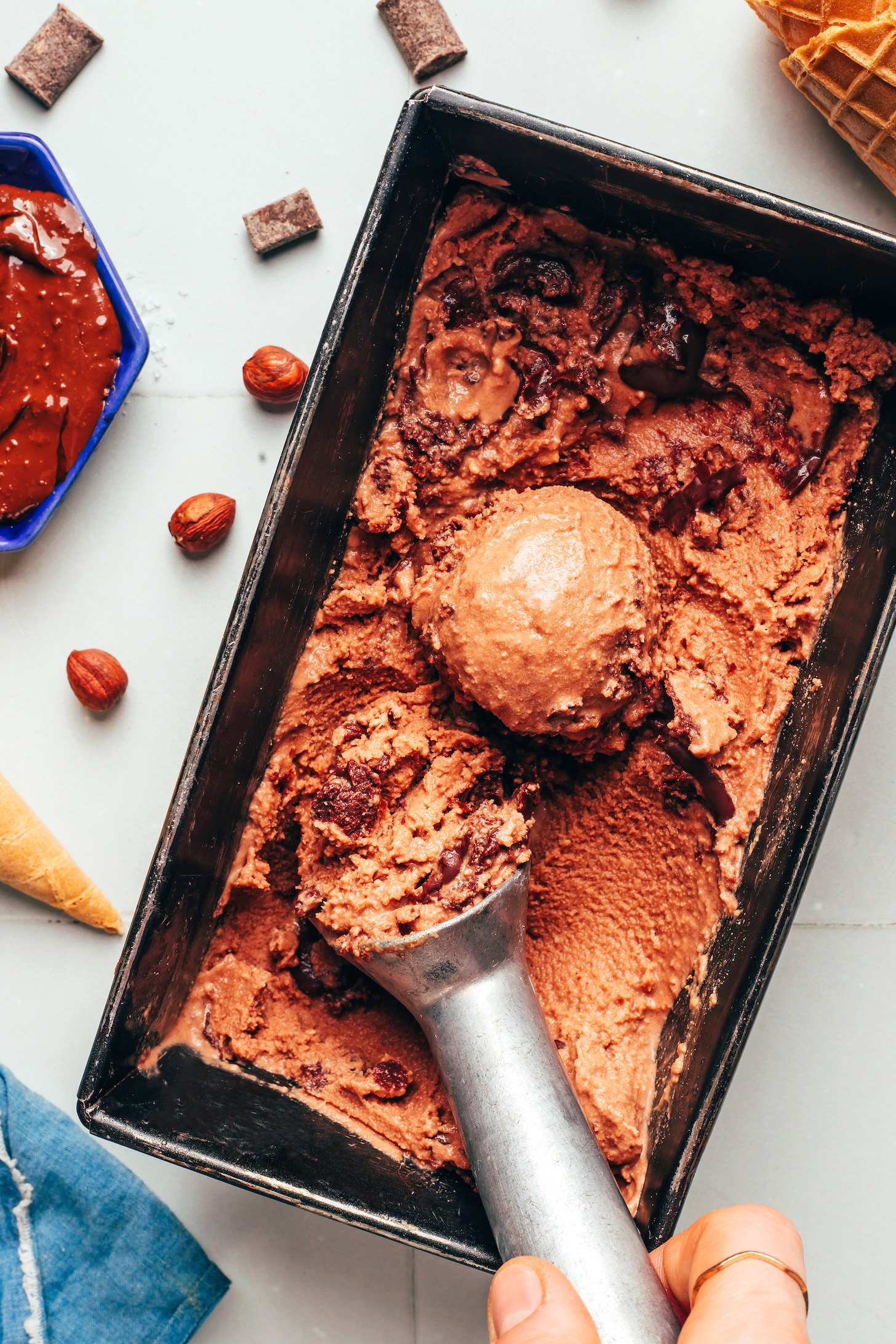
The brilliance of this dish lies in its texture. Achieving a "fluffy" consistency without the use of eggs or heavy dairy is notoriously difficult in home kitchens. However, by utilizing the natural fats found in roasted hazelnuts and the emulsifying properties of high-quality light coconut milk, the recipe achieves a mouthfeel that rivals premium store-bought brands. This isn’t just a "vegan alternative"; it is being positioned as a superior, intentional dessert experience.
A Chronological Breakdown of the Process
To achieve professional-grade results at home, the process requires a systematic approach. The recipe follows a distinct, multi-stage evolution from raw pantry staples to a finished, churned delight.
Stage 1: The Roasting Phase
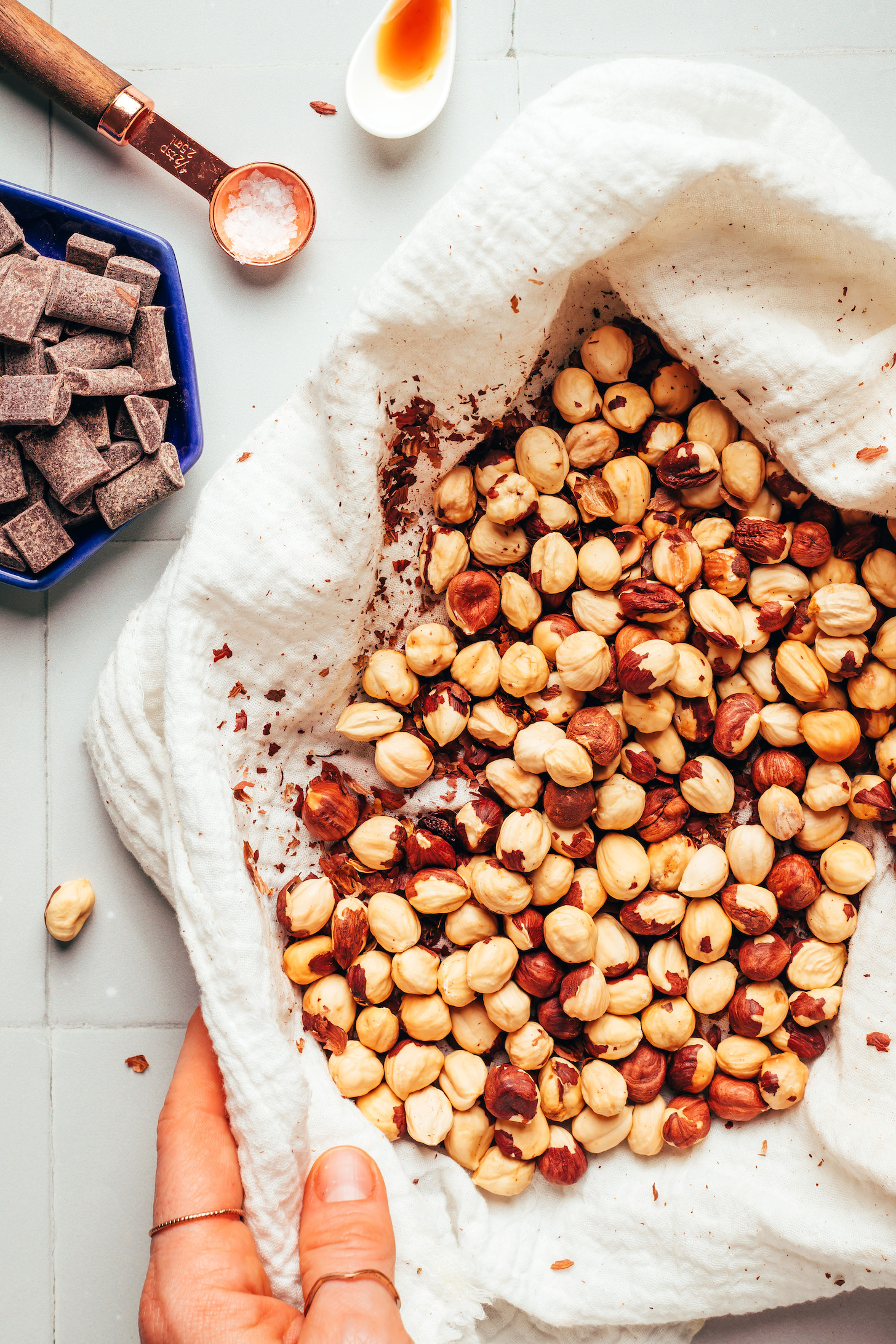
The journey begins with the hazelnuts. Roasting is not merely a flavor-enhancing step; it is a chemical necessity. By heating the raw nuts, you release their natural oils, which deepens the roasted aroma and allows the bitter, papery skins to loosen. This stage is crucial for ensuring the resulting "Nutella" base is smooth rather than gritty.
Stage 2: The Emulsification
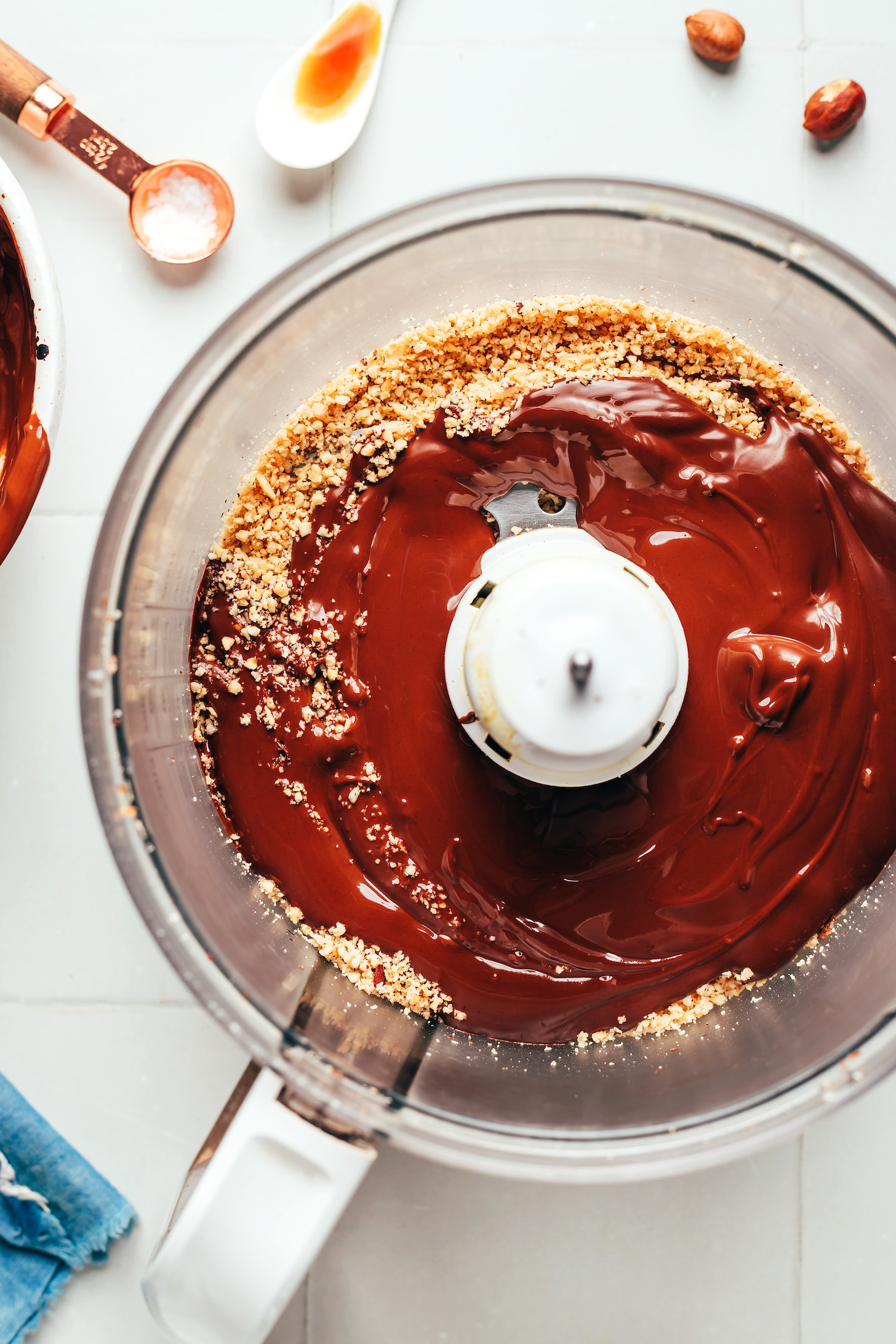
Once the hazelnuts are roasted and skinned, they are pulverized and blended with melted chocolate. This creates a rich, decadent nut butter that forms the backbone of the ice cream’s flavor profile. A portion of this mixture is reserved—a clever culinary tactic—to be swirled in at the final stage, ensuring pockets of intense, concentrated flavor throughout the pint.
Stage 3: The Base Infusion
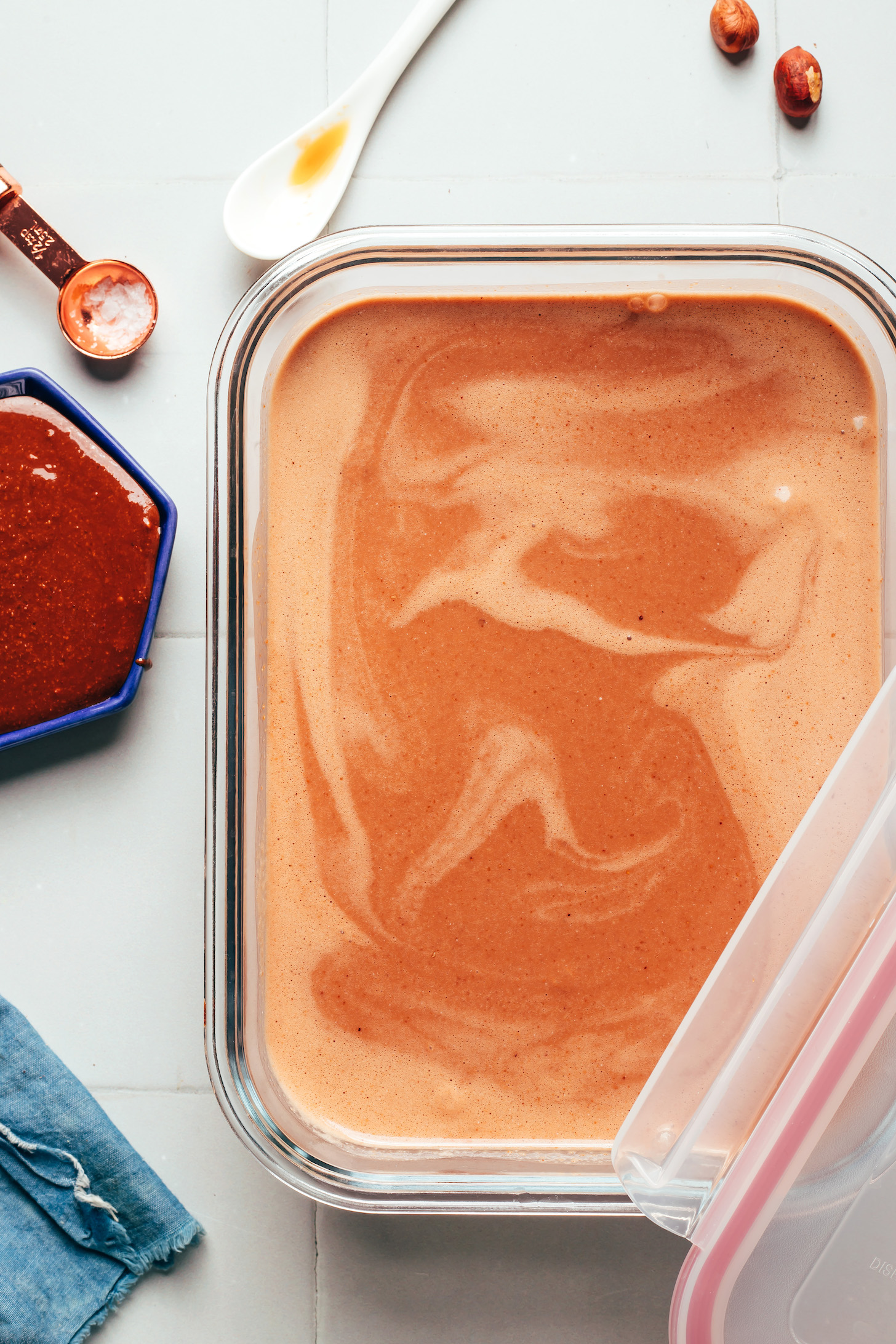
The remaining nut butter is combined with light coconut milk, cane sugar, vanilla, and a pinch of salt. The inclusion of light coconut milk is a strategic choice; it provides the necessary lipids for a creamy texture without the overwhelming "tropical" coconut flavor that often accompanies full-fat versions.
Stage 4: The Cooling Interval
The mixture is refrigerated for a minimum of one hour. This step serves two purposes: it allows the flavors to meld and ensures the base is thoroughly chilled before it hits the ice cream maker. A colder base leads to smaller ice crystals during the churning process, which is the secret to a smooth, non-icy texture.
Stage 5: Churning and Swirling
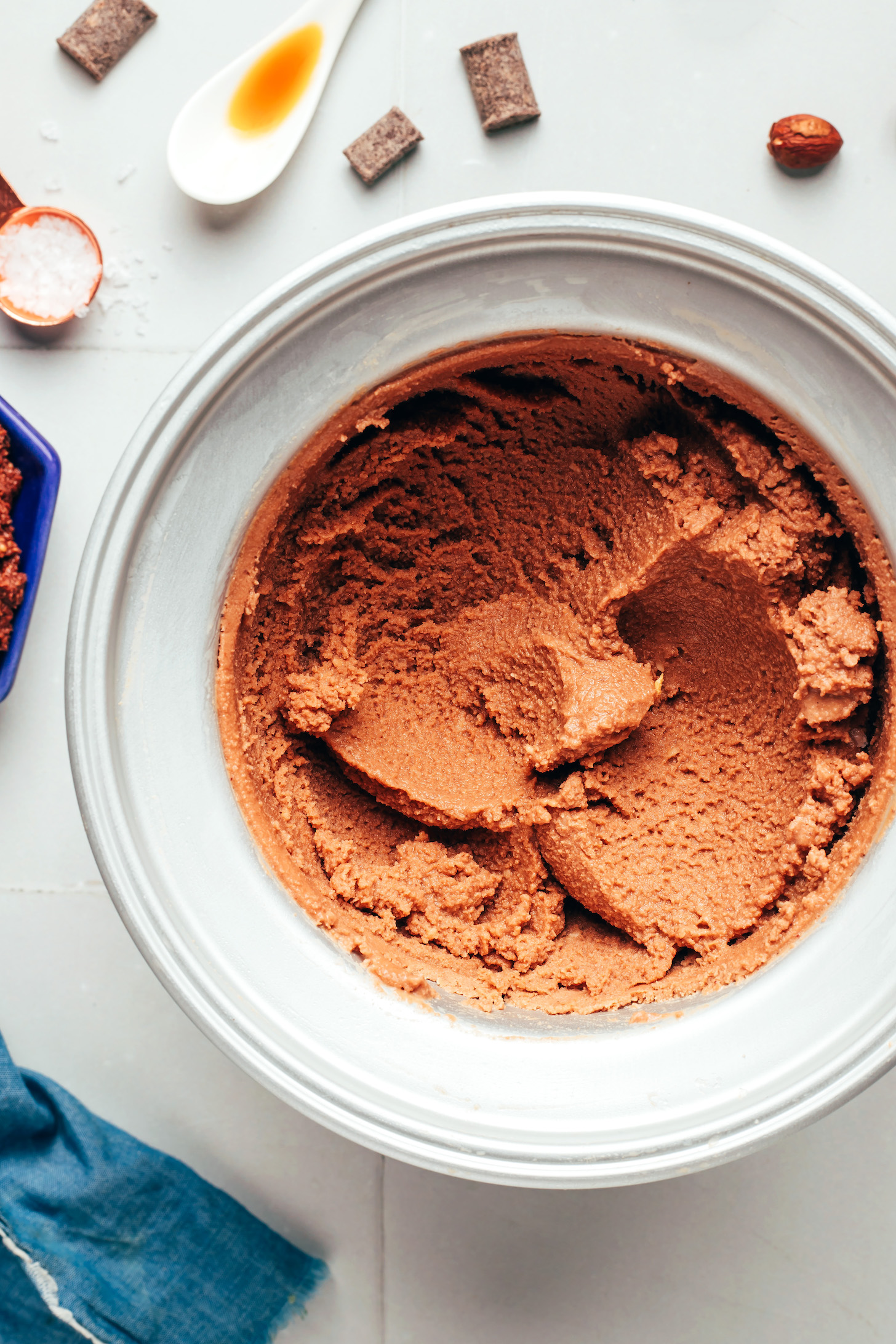
The mixture is added to an ice cream maker for approximately 30 minutes. Once the base reaches a soft-serve consistency, the reserved chocolate-hazelnut spread is gently folded in. This "swirl" technique creates a beautiful visual contrast and a textural explosion of chocolatey intensity.
Supporting Data: Nutritional and Practical Analysis
For the health-conscious consumer, the transparency of this recipe is a significant draw. With approximately 277 calories per half-cup serving, the dessert offers a balance of indulgence and mindful portioning.
| Nutritional Metric | Per Serving (~1/2 Cup) |
|---|---|
| Total Fat | 21.2 g |
| Saturated Fat | 9.4 g |
| Total Carbohydrates | 21.5 g |
| Protein | 3.6 g |
| Sugar | 17 g |
| Fiber | 2.8 g |
Beyond the numbers, the recipe is highly versatile, being both gluten-free and vegan. The freezer-friendly nature of the dish—which keeps for up to one month—makes it an ideal staple for summer entertaining. By utilizing emulsified coconut milk (such as those containing guar gum), the home cook can achieve a commercial-quality texture that remains scoopable even after several days in a standard home freezer.
Professional Perspectives and Industry Implications
The rise of recipes like this one signals a broader shift in the culinary industry. As consumers become more aware of supply chain ethics and personal health, the demand for "DIY" luxury has increased. Professional pastry chefs note that the ability to create high-end gelato-style desserts using minimal, plant-based ingredients represents a democratization of fine dining.
"The barrier to entry for high-quality, dairy-free frozen desserts has effectively collapsed," notes one industry observer. "When you control the roasting of your own nuts and the quality of your chocolate, you aren’t just making a substitute; you are making a product that is objectively fresher than anything sitting in a supermarket freezer for six months."
Furthermore, the emphasis on using "better-for-you" ingredients—such as cane sugar and natural vanilla—aligns with the growing trend of "clean labeling." By avoiding the stabilizers and artificial flavors common in mass-produced treats, home cooks are taking agency over their dietary intake while still satisfying the universal human craving for comfort food.
Culinary Tips for Success
To truly excel at this recipe, several professional-level nuances should be considered:
- Coconut Milk Selection: The choice of coconut milk is paramount. Brands that include natural emulsifiers like guar gum provide a superior, velvety texture. If using a brand without these, the ice cream may require a slightly longer churn time or may need to be consumed closer to the time of churning.
- Temperature Control: Ensure all components are cold before churning. The warmer the base, the longer the ice cream maker has to work, which can lead to air incorporation and a less dense, less satisfying final product.
- The Art of the Swirl: When folding in the reserved chocolate-hazelnut mixture, do not over-mix. The goal is to have distinct streaks of the spread, which provides a varied experience with every bite.
- Equipment Maintenance: Ensure your ice cream maker bowl is frozen for at least 24 hours prior to use. A bowl that has not reached a deep-freeze temperature will fail to set the base properly, resulting in a soup-like consistency.
Conclusion: A New Standard for Summer
The movement toward plant-based desserts is no longer a niche interest; it is a mainstream culinary evolution. This six-ingredient vegan Nutella ice cream is a testament to the fact that limitations often foster the greatest creativity. By paring down the ingredient list to its most essential, high-quality components, the home cook can bypass the industrial manufacturing process and produce a dessert that is not only healthier but significantly more vibrant in flavor.
As summer parties and warm-weather gatherings fill the calendar, this recipe stands ready to serve as a cornerstone of the dessert menu. Whether you are catering to specific dietary needs or simply looking for the most delicious way to cool down, this chocolate-hazelnut creation offers a perfect balance of professional technique and home-kitchen accessibility.
Grab your cones, prepare your churn, and prepare to elevate your summer dessert game. After all, when a masterpiece is only six ingredients away, there is no reason to settle for anything less.