By Meredith Dietz, Senior Staff Writer
September 15, 2026
For millions of people, the ritual of drifting off to sleep is inextricably linked to audio. Whether it is the rhythmic drone of a true-crime podcast, the soothing cadence of a guided meditation, or the calming frequencies of "Sleep Music 528 Hz" playlists, silence is often the enemy of a restful night. However, the hardware used to facilitate this auditory comfort has historically been limited to two suboptimal categories: earbuds, which are prone to falling out and causing ear canal discomfort, or external speakers, which risk disturbing a partner or violating the sanctity of a quiet bedroom.
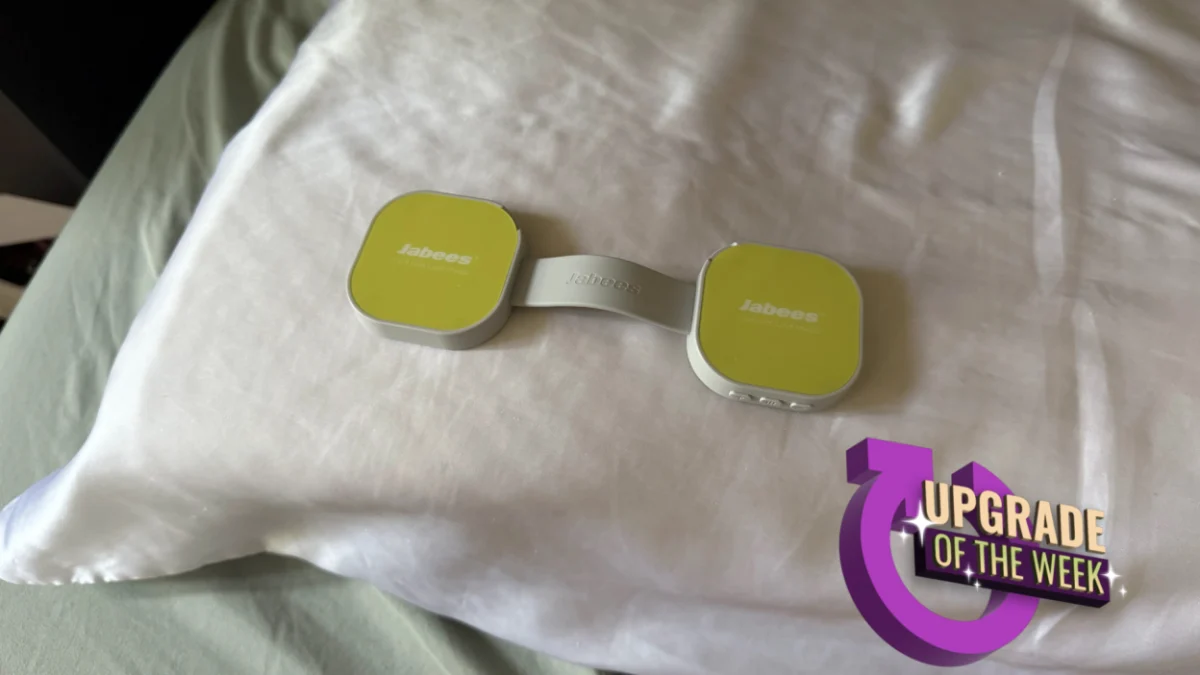
This week’s "Upgrade of the Week" focuses on a technological solution that bridges this gap: the Jabees Peace Duo, a specialized under-pillow speaker system. By utilizing bone conduction technology designed for the bedroom, this device promises a private, comfortable, and unobtrusive way to curate your nightly soundscape.
The Core Problem: The Nighttime Audio Dilemma
The modern sleep hygiene market is saturated with "smart" gadgets, but for the side sleeper, technology often creates as many problems as it solves. Traditional earbuds—even high-end wireless models—are frequently designed for ergonomics during movement, not for the sustained pressure of a head resting against a pillow.
For side sleepers, wearing earbuds creates a "pressure point" effect where the device is driven into the ear canal, leading to discomfort or even pain after only a few hours of use. Conversely, using a smartphone speaker or a bedside Bluetooth device creates a "broadcast" issue. If you share your bed with a partner, or if you reside in a home with thin walls, external sound projection is rarely a viable long-term solution. The Jabees Peace Duo enters the market as a targeted solution to this specific conflict, offering a "private listening" experience that requires no physical contact with the ears.
Understanding the Technology: How It Works
The Jabees Peace Duo differentiates itself from standard speakers through its utilization of bone conduction technology, a mechanism more commonly associated with high-end sports headphones.

The Mechanics of Pillow Conduction
Typically, bone conduction technology transmits sound vibrations directly to the inner ear through the bones of the skull, bypassing the eardrum entirely. In the context of the Peace Duo, the device functions as an "under-pillow" transducer. When placed beneath a pillow, the speakers convert electrical signals into physical vibrations. These vibrations travel through the material of the pillow to the user’s head.
Because the pillow acts as a physical buffer, the sound is localized. It creates a narrow cone of audio that the user can perceive clearly, while significantly reducing the sound leakage that would otherwise disturb a person sleeping just a few inches away. The inclusion of a dual-speaker setup allows for stereo separation, providing a sense of depth and positioning—an essential feature for those listening to binaural beats or immersive soundscapes.
Chronology of Development: From Concept to Bedside
The evolution of sleep-focused audio technology has seen several distinct phases over the last decade:
- 2015–2018 (The Earbud Era): Consumers relied primarily on standard Bluetooth earbuds. This period was marked by high rates of lost earbuds in bedding and reports of "ear fatigue."
- 2019–2022 (The Headband Phase): The introduction of soft, fabric-enclosed speakers integrated into headbands allowed for a more comfortable experience, though many users found the fabric too warm for year-round use.
- 2023–Present (The Under-Pillow Revolution): The focus shifted toward non-wearable audio. By removing the need for the user to wear anything at all, the "under-pillow" category—led by devices like the Jabees Peace Duo—has gained significant traction among consumers who prioritize comfort and minimalist bedside setups.
Supporting Data and User Experience
While the technical specs—such as the 10-hour battery life—are impressive, the real-world utility of the device is rooted in its psychological impact on sleep.
Battery Life and Reliability
The 10-hour battery life is a critical design choice. Many competing devices struggle to reach the six-to-eight-hour mark, often dying in the middle of the night and potentially waking the user. The Peace Duo’s capacity ensures that the audio remains consistent from the moment the user lies down until they wake in the morning.
The Trade-off: Fidelity vs. Comfort
It is important to manage expectations regarding sound quality. Because the audio must travel through the foam or down of a pillow, the high-frequency response is naturally softened. Audiophiles might characterize this as a "muffled" quality, but in a sleep context, this is arguably a feature rather than a bug. The dampened sound profile prevents harshness, resulting in a more ambient, "dreamy" quality that many users find more conducive to sleep than crisp, high-fidelity sound.

Implications for Sleep Hygiene
The integration of the Jabees Peace Duo into a nightly routine has broader implications for how we view our sleep environments.
- Reduced Electronic Clutter: By replacing the need for multiple devices, users can simplify their nightstand.
- Increased Privacy: For those who live in shared spaces, this device offers a level of auditory privacy that was previously impossible without direct ear contact.
- Psychological Association: By using a dedicated device for sleep audio, users may find it easier to mentally "switch off" when they engage the speakers, creating a conditioned response that signals to the brain that it is time to rest.
Official Perspective and Market Positioning
Market analysts note that the growth of the sleep-tech sector is being driven by a post-pandemic shift in consumer behavior. With more people working from home and experiencing higher levels of "screen fatigue," the desire for passive, non-visual engagement at night has skyrocketed.
While manufacturers of these devices generally emphasize the "private" nature of the tech, they also highlight the importance of safety. Unlike earbuds, which can block out emergency alarms or the sounds of a home, under-pillow speakers allow the user to remain peripherally aware of their environment. If a fire alarm sounds or a child cries in the next room, the user is far more likely to hear it through an under-pillow speaker than they would through noise-canceling earbuds.
The Bottom Line: Is It Worth the Upgrade?
The Jabees Peace Duo is not intended for high-fidelity music listening; it is a utility device designed for a singular, vital purpose. For the chronic podcast listener or the person who relies on white noise to dampen the sounds of a bustling city, it represents a significant improvement over the status quo.
Why You Might Want It:
- Unmatched Comfort: If you are a side sleeper, the total lack of physical contact with your ears is a game-changer.
- Durability: You no longer have to worry about crushing your phone or losing earbuds in the folds of your duvet.
- Immersive Soundscape: The muffled, filtered quality of the audio creates an immersive effect that feels less like a speaker and more like a gentle, surrounding atmosphere.
The Caveats:
- Audio Quality: Do not expect studio-level clarity. This is for spoken word and ambient tracks.
- Pillow Density: The effectiveness of the device can vary based on your pillow’s thickness. Extremely thick memory foam may dampen the sound more than intended, while thinner down pillows might allow too much sound to escape.
Ultimately, this upgrade is about removing the friction from your nighttime routine. If you find yourself frustrated by earbuds or feeling guilty about playing audio out loud, the Jabees Peace Duo offers a balanced, private, and deeply comfortable way to reclaim your sleep sanctuary. It is an investment in your nightly peace of mind, proving that sometimes the best technology is the kind that you don’t even realize is there.