Main Facts: The Rise of the 2026 Printable Calendar
In an era increasingly dominated by digital notifications, cloud-based applications, and algorithmic reminders, a counter-movement is quietly taking over home offices and kitchen counters worldwide: the humble paper calendar. With early demand surging months ahead of previous years, lifestyle and organization platforms have officially launched their much-anticipated free printable calendars for 2026.
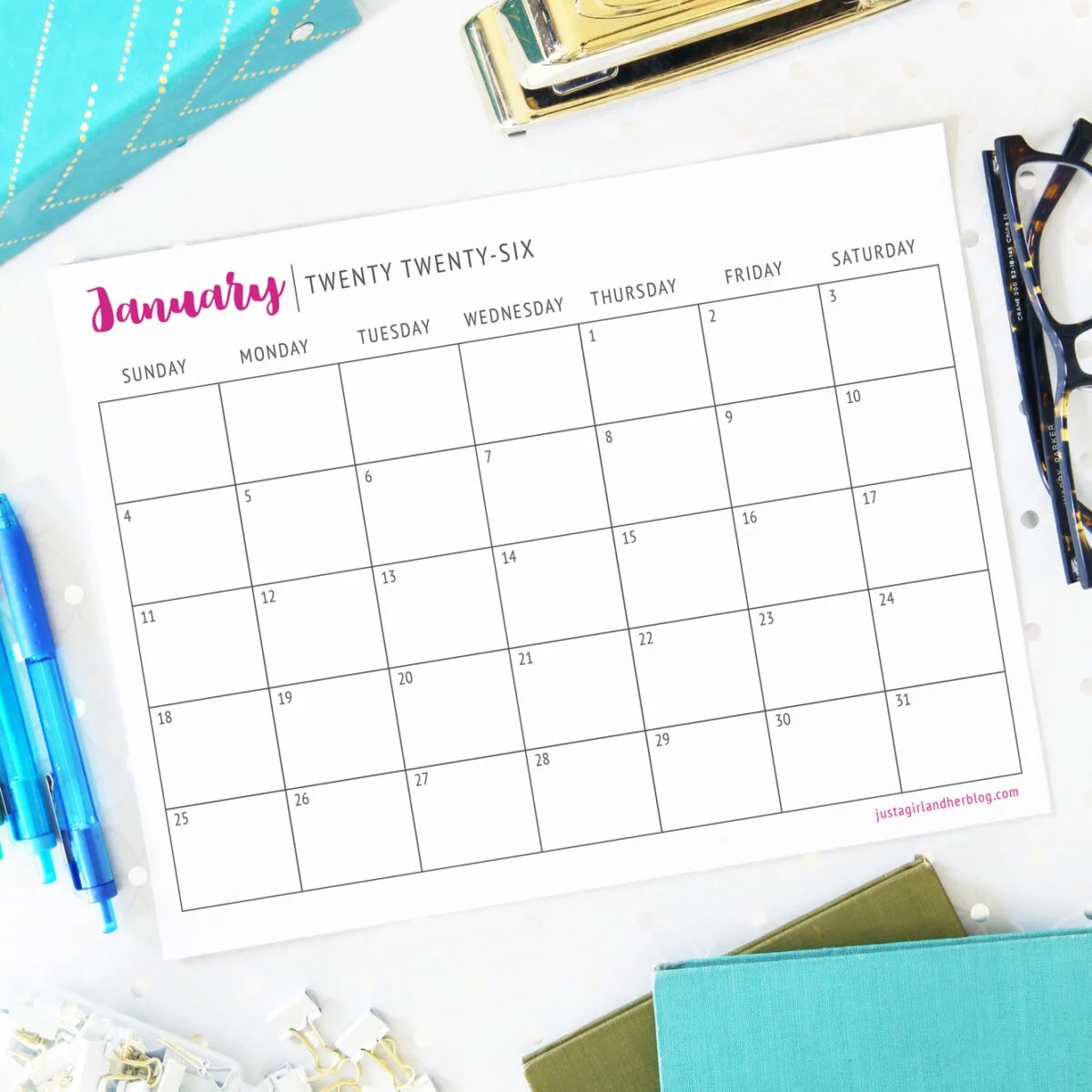
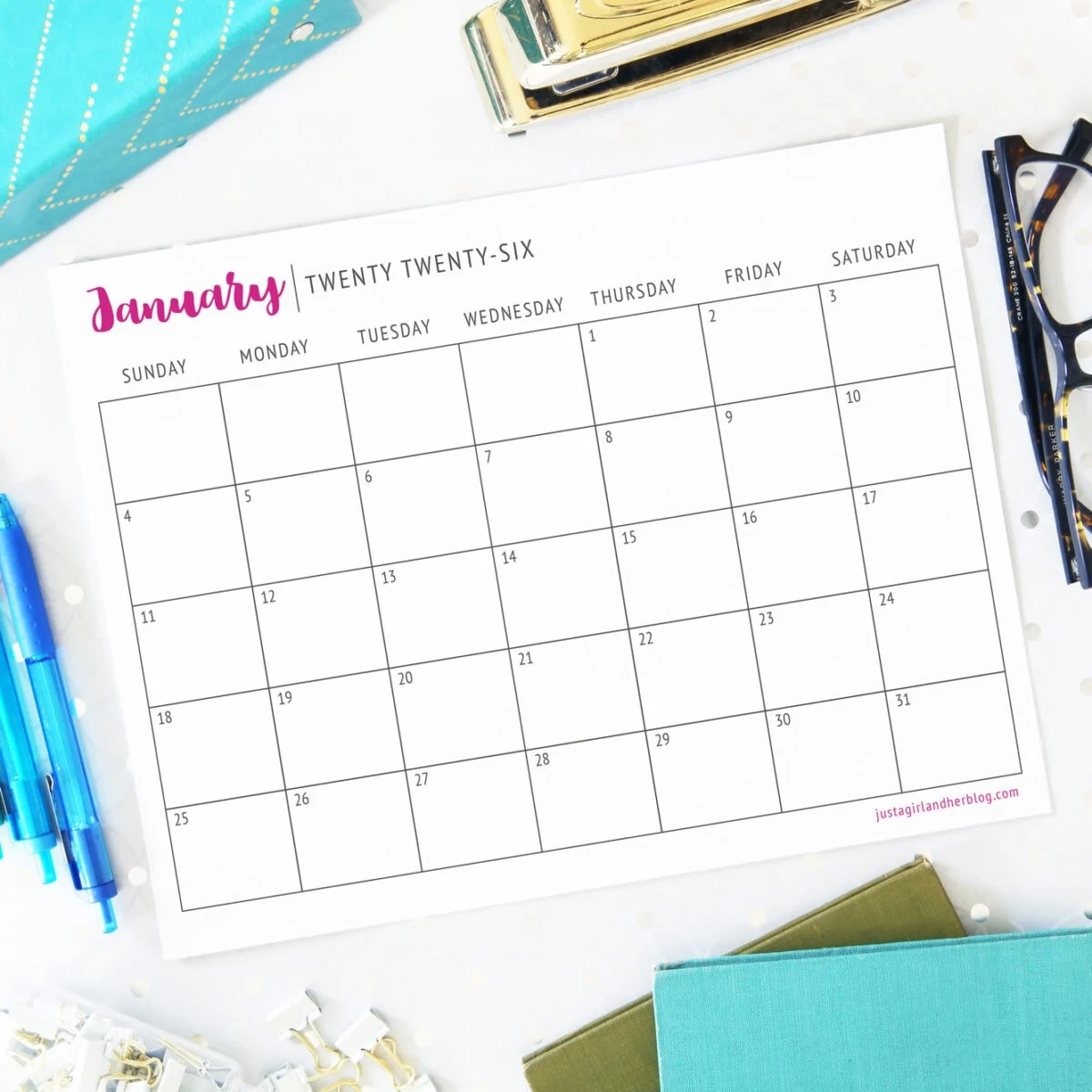
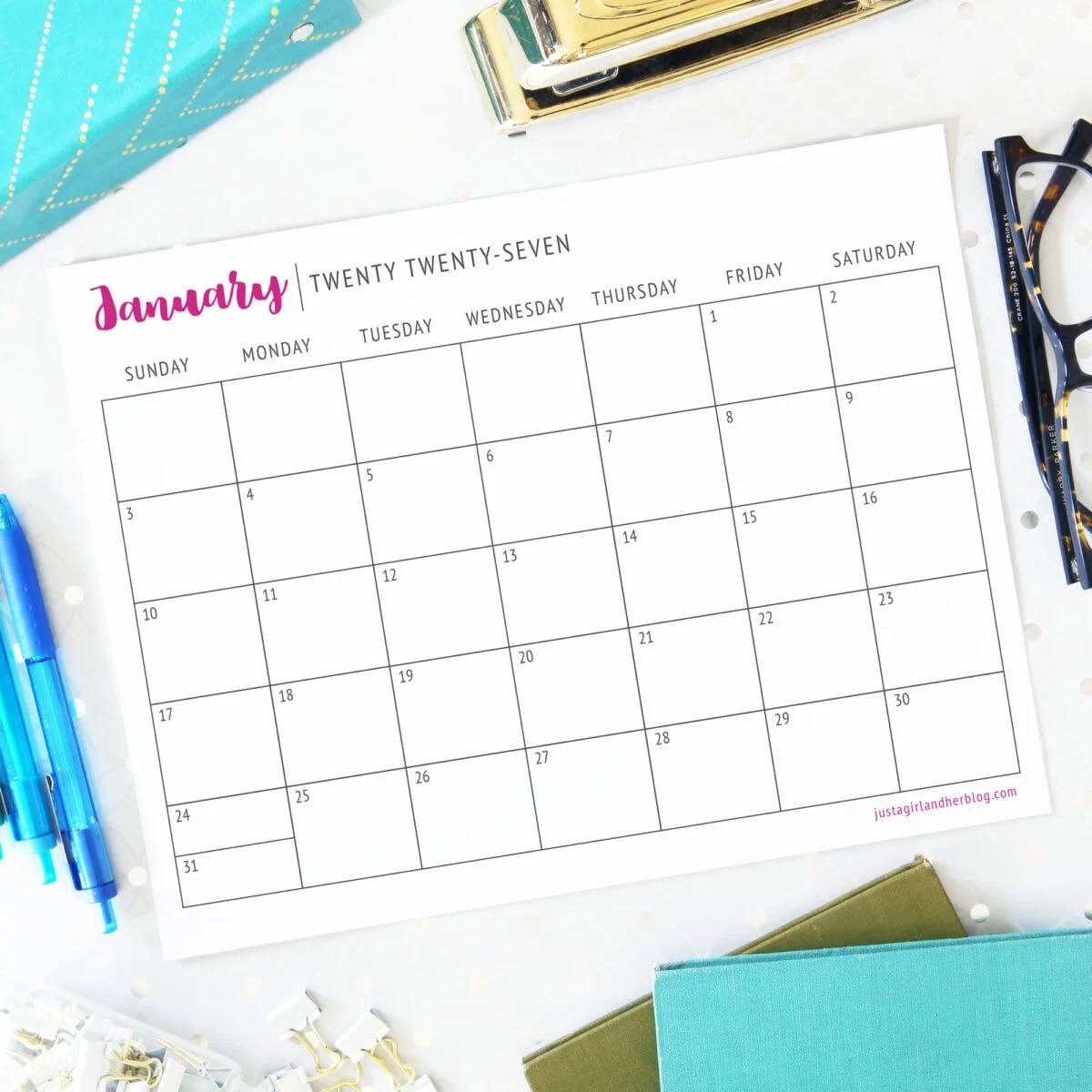
Designed for standard 8.5” x 11” printer paper, these versatile resources offer users a tactile, highly customizable method to manage hectic daily schedules, track long-term goals, and coordinate family logistics. Far from being rendered obsolete by smartphones, paper calendars are experiencing a massive renaissance. Industry experts attribute this trend to "digital fatigue"—the psychological wear and tear caused by constant screen time and notification overload.
The newly released 2026 collection bridges the gap between aesthetic appeal and functional utility. Featuring clean typography, ample writing space, and distinct layouts ranging from vertical monthly grids to horizontal spreads, these free printables provide an immediate psychological anchor for individuals seeking clarity amidst chaos.
Chronology: From Holiday Bank Freebies to the Digital Download Era
To understand the modern craze for printable calendars, one must examine how society’s relationship with time management tools has evolved over the decades.
Nostalgia and Early Demand
Decades ago, before personal computers were staples in every household, physical calendars served as primary year-end tokens of appreciation. Banking institutions, local merchants, and insurance agencies would distribute complimentary wall calendars during the holiday season. Historical anecdotes from former bank tellers reveal an insatiable public appetite for these items; customers would begin inquiring about the upcoming year’s stock as early as mid-summer. Once the shipments arrived, institutions often had to ration them to prevent individuals from hoarding multiple copies.
The Shift to Digital and the Print-on-Demand Revolution
As the internet expanded in the late 1990s and 2000s, digital calendars like Microsoft Outlook and Google Calendar revolutionized professional scheduling. However, a significant segment of the population felt disconnected from the physical act of planning. Digital entries lacked the tactile satisfaction of crossing out a completed task or visualizing an entire month at a glance.
This realization sparked the DIY planning movement in the early 2010s. Bloggers and productivity experts began designing bespoke, aesthetically pleasing calendar templates that users could download instantly from home. By cutting out manufacturing and shipping delays, consumers gained the power to print exact layouts tailored to their specific needs. By 2024 and 2025, inquiries for future iterations—such as the 2026 calendars—began arriving earlier than ever, with some enthusiasts expressing interest as early as April, long before the previous year had even reached its midpoint.
Supporting Data and Productivity Insights: Why Tactile Planning Works
While skeptics might view paper calendars as an unnecessary redundancy in a world of smart devices, a growing body of behavioral science supports the efficacy of physical planning tools.
The Cognitive Benefits of Handwriting
Numerous psychological studies emphasize that the physical act of writing by hand engages different neural pathways than typing on a keyboard or tapping a smartphone screen.
Enhanced Memory Retention: Research conducted by neuroscientists indicates that the complex spatial and tactile information generated when writing letters by hand promotes superior cognitive encoding and long-term recall.
The "Zeigarnik Effect": Unfinished tasks weigh heavily on the human psyche. Physically checking off a box on a paper calendar provides an immediate sense of closure and dopamine release, which drives future motivation.
Versatility Beyond Basic Scheduling
While traditional calendars were primarily used to mark appointments and holidays, modern users have repurposed printable templates into multifaceted life-management dashboards. Popular use cases include:
Meal Planning and Grocery Coordination: Mapping out weekly dinners to reduce food waste and streamline grocery budgets.
Fitness and Health Tracking: Monitoring workout routines, daily water intake, or recovery days.
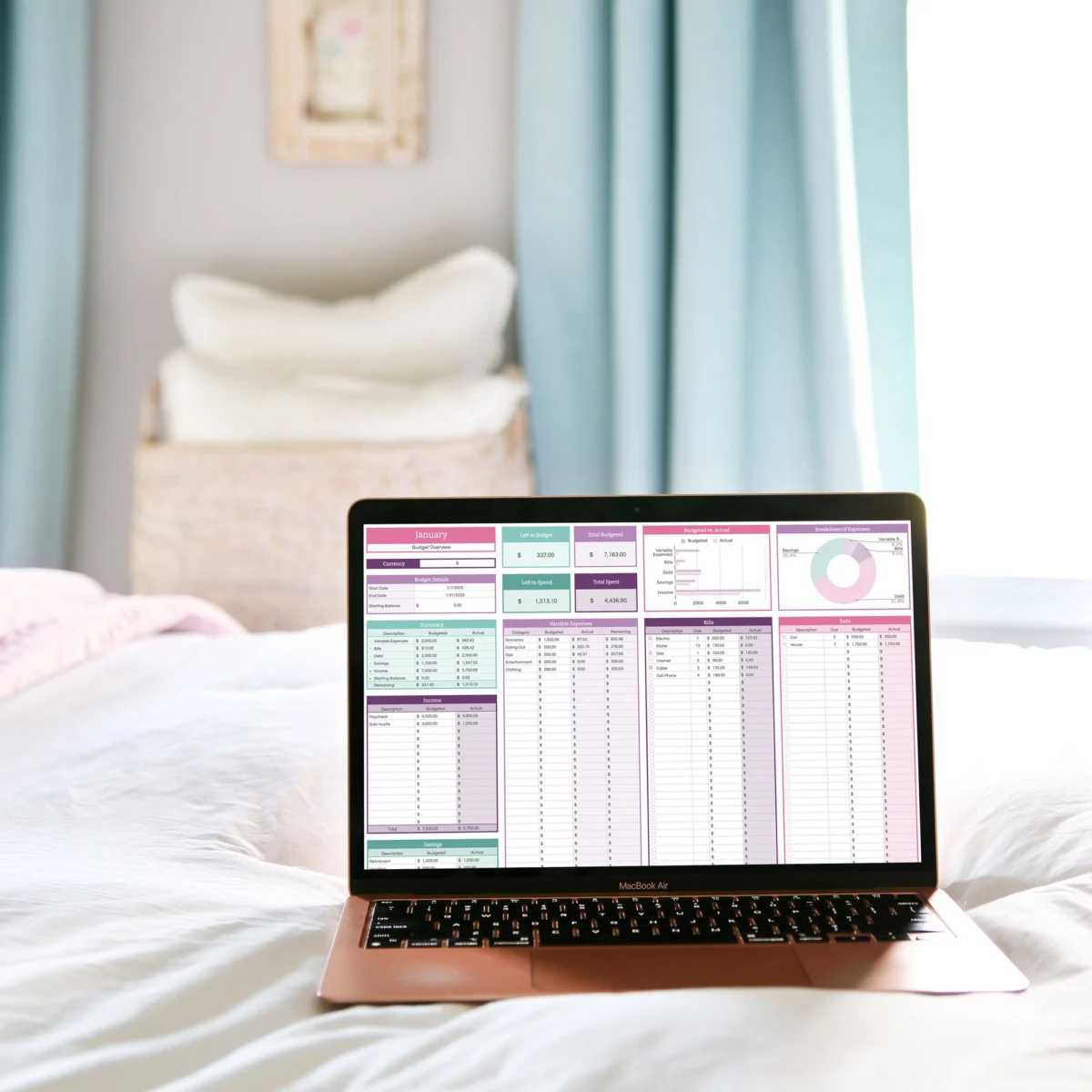
Financial Goal Management: Keeping a visual record of savings milestones, debt paydown schedules, and bill due dates.
Academic and Homeschooling Curriculums: Organizing lesson plans, assignment deadlines, and extracurricular activities for students.
Content and Editorial Planning: Tracking publication schedules for bloggers, influencers, and small business owners.
Official Perspectives and Expert Commentary
Organization experts and productivity advocates emphasize that the simplest tools often yield the most profound results. According to lifestyle strategist and content creator Abby Lawson, creator of these popular planning resources, the goal behind offering free printables is to strip away the overwhelming complexity often associated with modern productivity systems.
"There’s just something about calendars that gets people excited," Lawson notes. "It’s a simple tool, but sometimes the simplest tools are the best. I’m always amazed at how a little organization can spark motivation and help get the ball rolling on all of those things you’ve been wanting to accomplish."
Industry analysts point out that the democratization of design tools has allowed creators to bypass traditional publishing gatekeepers, offering highly specialized layouts—such as academic calendars, fiscal-year planners, and minimalist vertical grids—directly to the end consumer at zero cost.
Furthermore, consumer advocacy groups highlight the economic advantages of print-at-home productivity systems. In an economic climate where commercial planners can cost anywhere from $20 to over $60, a free high-resolution PDF downloaded and printed on standard office paper provides an accessible, budget-friendly alternative for families and students navigating tighter financial constraints.
Implications: The Future of Time Management and Personal Productivity
The sustained and growing popularity of free printable calendars carries significant implications for the productivity industry, workplace wellness, and individual mental health.
Combating Burnout Through Mindful Planning
As remote and hybrid work models blur the boundaries between professional and personal life, individuals are increasingly seeking methods to "unplug" without losing control of their responsibilities. Paper calendars offer a screen-free sanctuary. By sitting down at a desk with a pen and a physical monthly grid over a cup of coffee, individuals can process their schedules mindfully, away from the constant barrage of email alerts and push notifications.
The Circular Economy of DIY Organization
The success of free printable resources has fostered vibrant online communities where users share tips on custom binding, paper weights, lamination techniques, and aesthetic accessories like washi tape and highlighters. This trend demonstrates that consumers do not necessarily want automated, AI-driven scheduling solutions for every aspect of their lives; rather, they crave agency, personalization, and a tangible connection to their daily routines.
Looking Ahead to 2026
As households and professionals begin mapping out their futures, the availability of accessible, beautifully designed organizing tools ensures that everyone—regardless of budget—has the opportunity to take control of their time. Whether pinned to a refrigerator, clipped into a heavy-duty three-ring binder, or kept neatly beside a computer keyboard, the 2026 printable calendar stands ready to transform good intentions into concrete achievements.
Note: Free printable calendars provided across major lifestyle platforms are intended for personal use only and remain protected under copyright laws. Users are encouraged to download resources from verified creators, utilize standard 8.5” x 11” paper stock for optimal printing results, and explore complementary planning printables to build a fully customized organizational system for the year ahead.