In the modern cinematic landscape, a quiet revolution is taking place. While the traditional Hollywood studio system continues to lean heavily on established franchises, risk-averse formulas, and committee-driven narratives, a new wave of independent creators is capturing the global imagination. From the unsettling, low-budget viral success of The Backrooms to the experimental narrative ambition of Obsession, audiences are signaling a profound shift in preference: they are hungry for originality, strange aesthetics, and stories that do not feel like products of a corporate machine.
However, the chasm between having a visionary idea and realizing it on screen remains wide. For years, the tools required to bridge that gap—specifically pre-visualization (previs) software—have been locked behind the gates of high-budget production houses. Lightcraft, a technology firm aiming to disrupt this status quo, believes it has found the key to empowering the next generation of storytellers. With the beta launch of its "Spark Story" platform at SIGGRAPH 2026, the company is attempting to do for 3D filmmaking what Google Docs did for collaborative writing: making complex, high-end production planning accessible to anyone with a vision.
The Bottleneck of Creativity: Why Previs Matters
Previs has historically been the secret weapon of the blockbuster. Before a production spends tens of millions of dollars on location shoots, stunt choreography, or complex VFX, it builds a digital map of the film. By testing camera angles, lens choices, and character movement in a virtual space, filmmakers can mitigate risk and avoid the "fix it in post" mentality that often inflates budgets and dilutes creative vision.
"The challenge is that having a great idea and actually making it are two very different things," explains Elijah Welch, co-founder and president of Lightcraft. "A filmmaker can picture an incredible shot, write it into a script, and explain it to a team, but until everyone can see that idea, it remains open to interpretation. When production becomes expensive, experimentation becomes harder. Taking risks becomes harder."
For the independent filmmaker, this has meant that ambitious, genre-bending concepts were often discarded before they even reached the camera, simply because there was no way to prove they would work without a massive budget.
The Spark Story Solution: A Chronology of Innovation
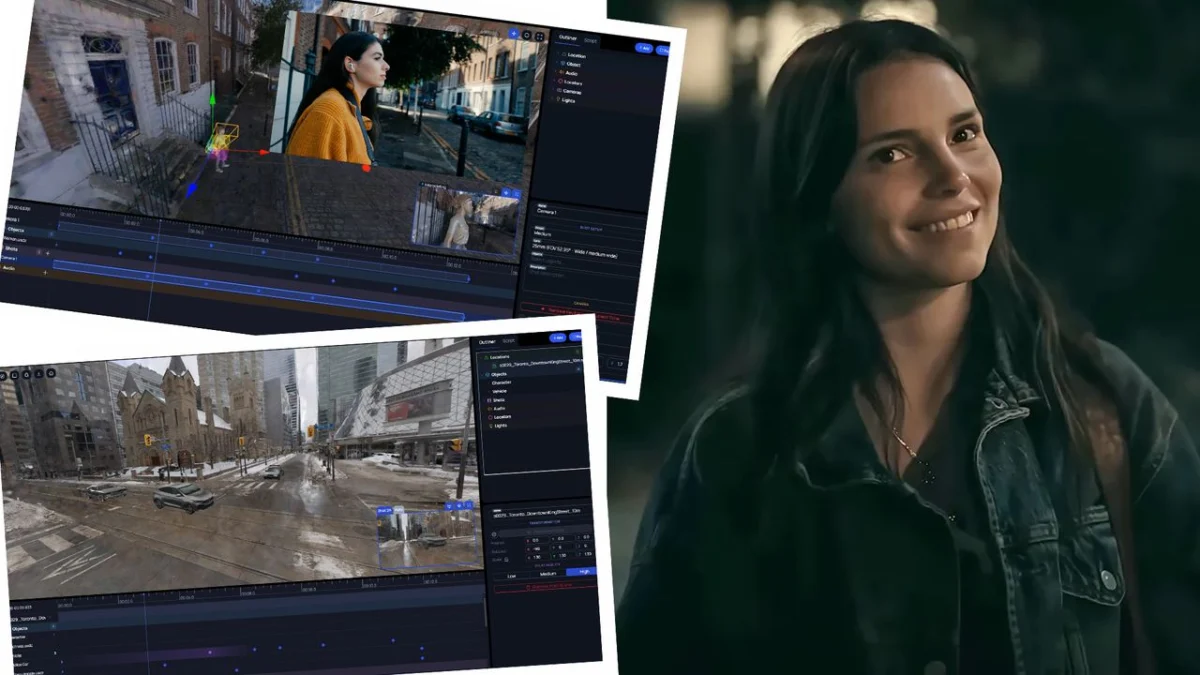
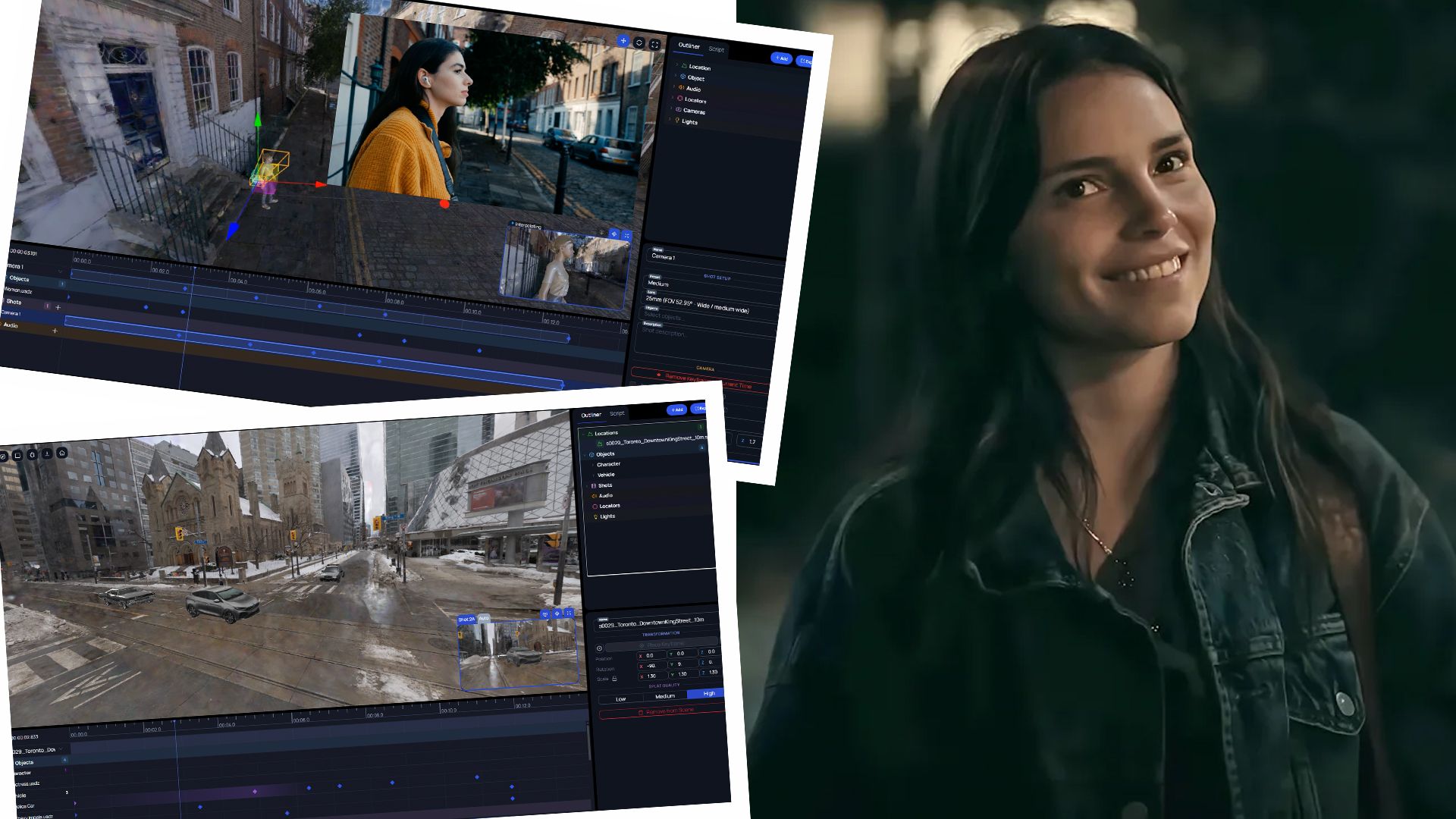
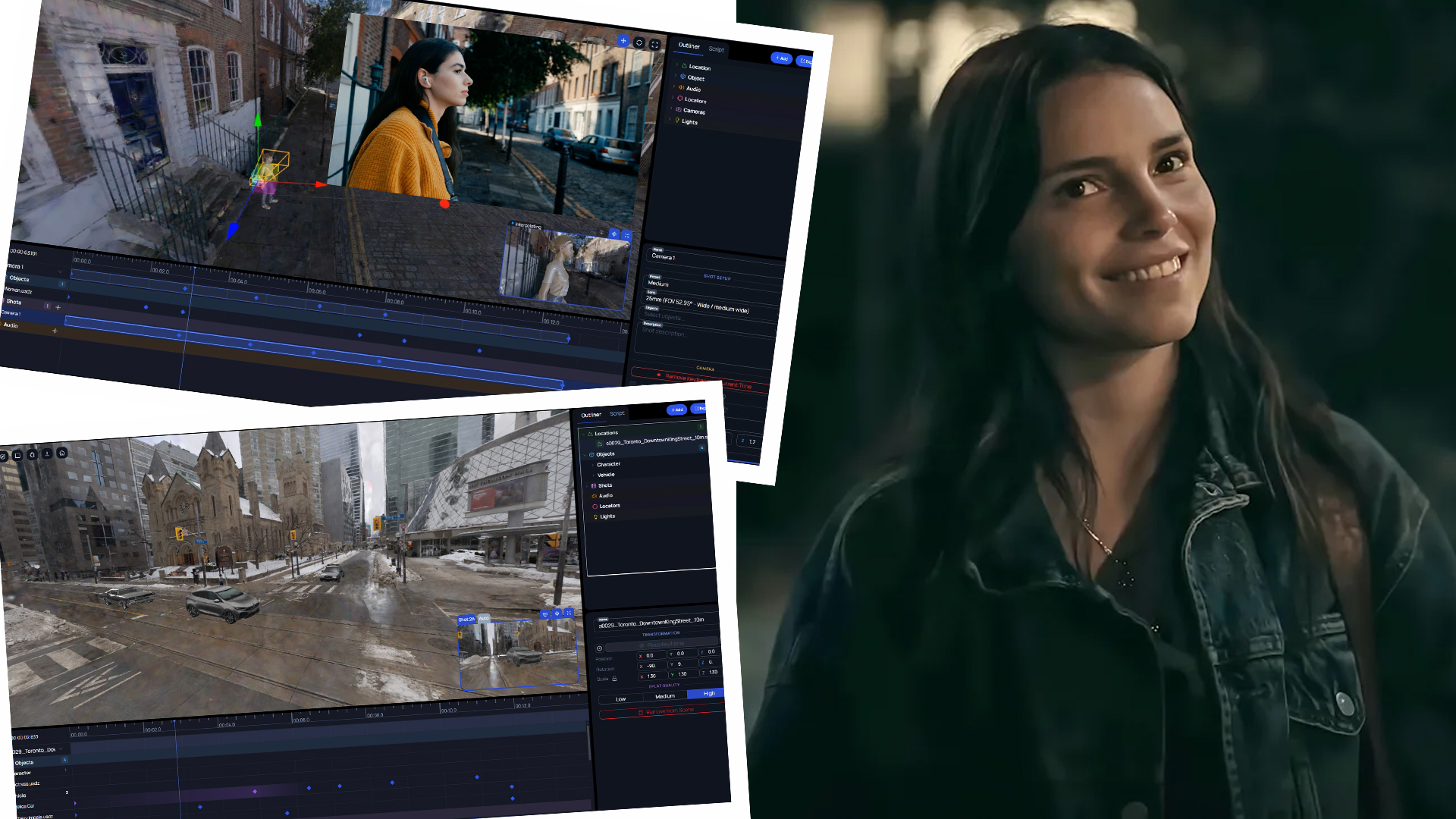
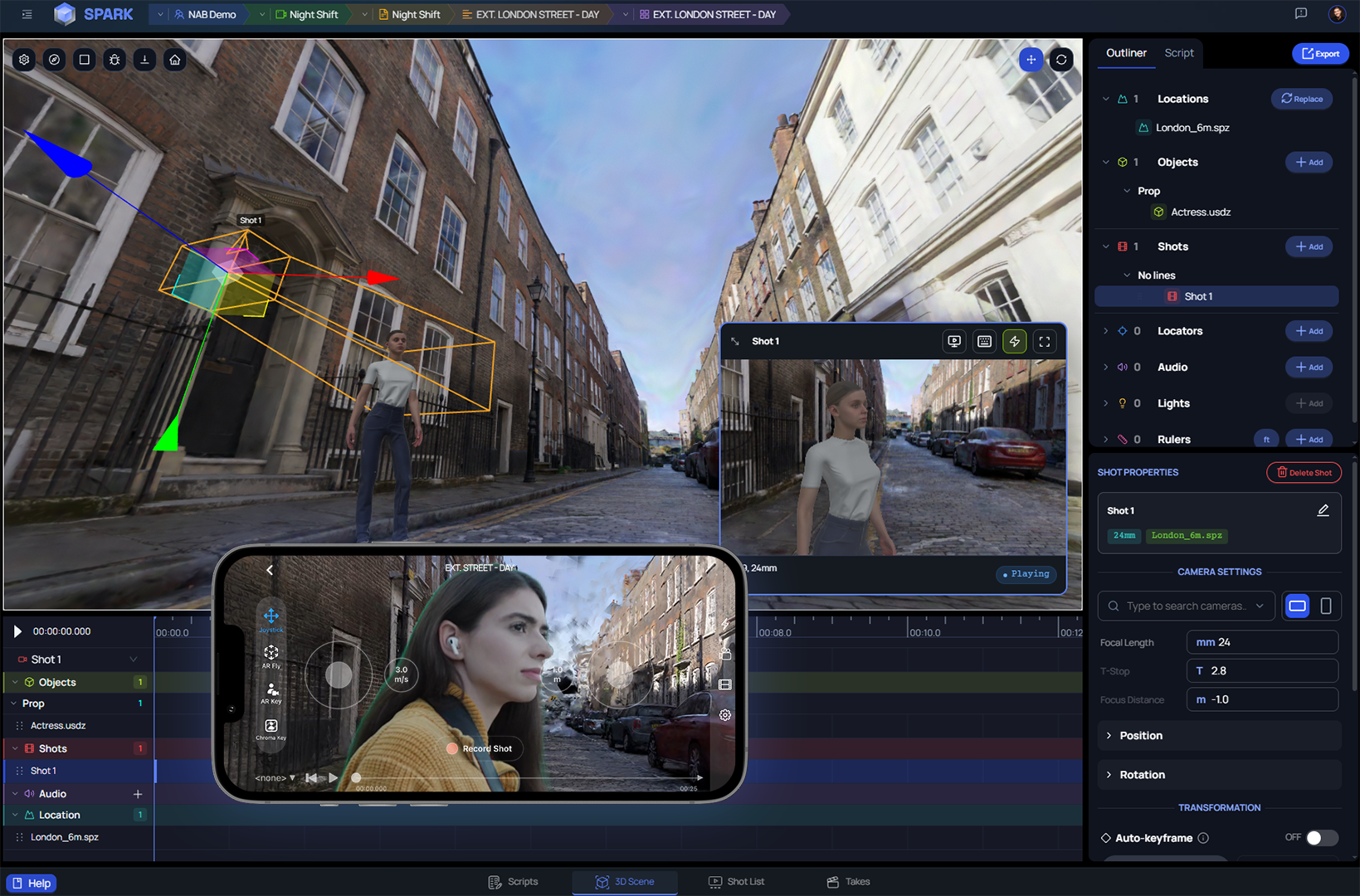
Lightcraft’s development of Spark Story represents a convergence of gaming technology and film production. The platform is designed as an interactive, intuitive previs tool that functions in real-time.
- Conceptualization (The Script-First Approach): Unlike many tools that focus on the technical asset first, Spark Story treats the screenplay as the "central nervous system." Every asset, camera move, and lighting setup is tethered to a specific line or scene in the script.
- Beta Launch (SIGGRAPH 2026): The platform debuted at SIGGRAPH 2026, showcasing its ability to bridge the gap between abstract text and concrete visual reality.
- The AR Revolution: During demonstrations, users can utilize an iPhone to step into a virtual set, essentially using augmented reality to "scout" locations and frame shots before a single frame of professional film is captured.
- Integration: Spark Story is designed to play nicely with industry standards, allowing direct imports from Blender, Unreal Engine, and Maya, ensuring that artists aren’t forced to abandon their existing pipelines.
Breaking Down the Tech: Features and Workflow
The platform is built on the philosophy that filmmakers should think more like game developers. In the gaming industry, iterative world-building is the standard; developers test, tweak, and refine environments long before the final "build." Lightcraft is porting this mindset to cinema through several key features:
Spark Atlas
One of the most critical hurdles in modern production is the management of digital assets. As a film grows in complexity, keeping track of which version of a scene matches which set of metadata becomes a logistical nightmare. Spark Atlas solves this by connecting captured footage and metadata directly to the relevant scene and script section, providing a centralized dashboard for the entire creative team.
Real-Time Compositing and Asset Libraries
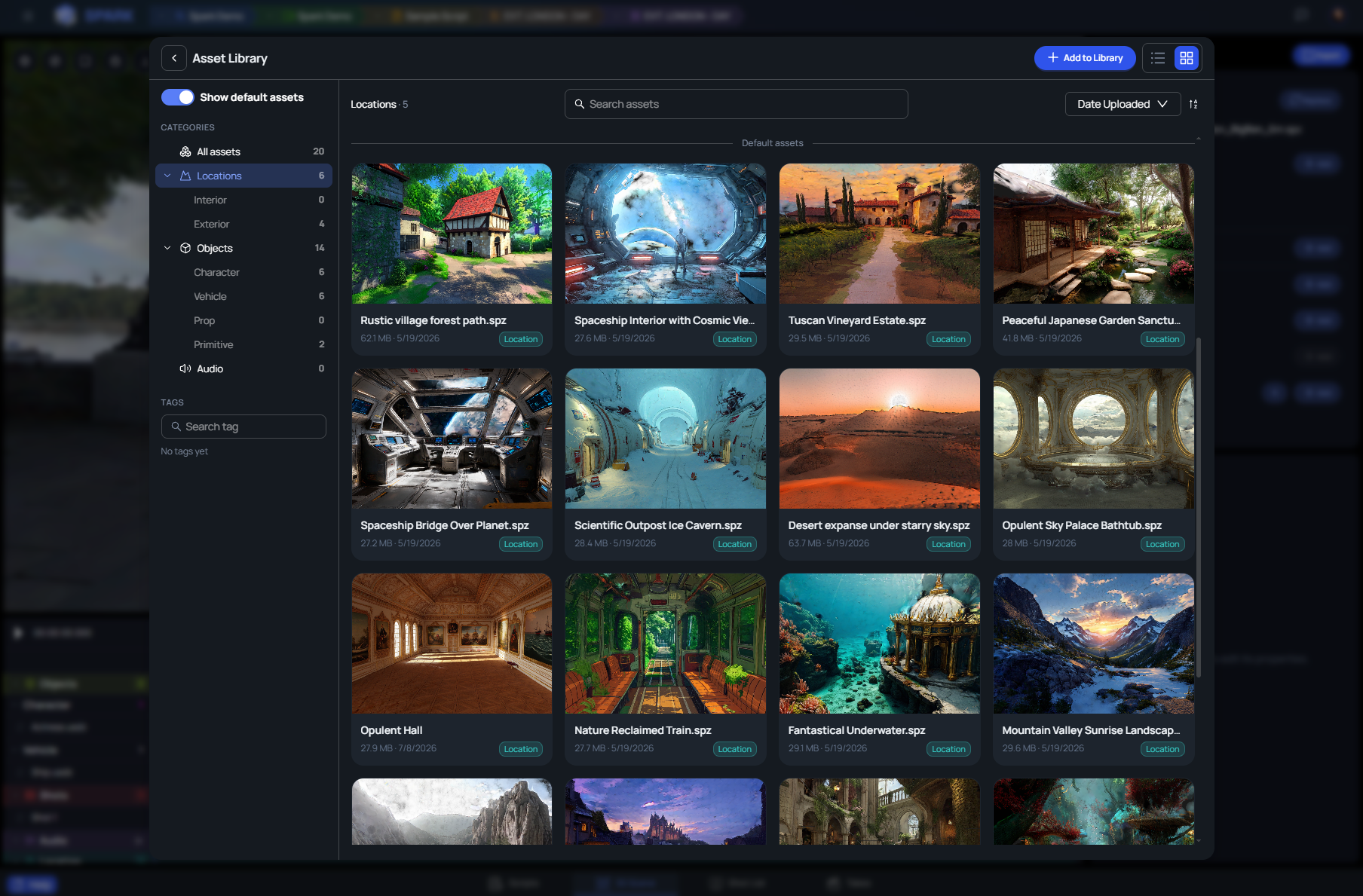
The platform includes a robust library of 3D assets, allowing creators to populate their scenes instantly. By combining these assets with real-time compositing, a director can see what a scene looks like with final-stage lighting and composition while standing in a room with their DP. This eliminates the "creative friction" that occurs when a team has to wait for days or weeks to see a rendered result.
Official Perspective: The Human Element
Elijah Welch emphasizes that the goal is not to automate the art of filmmaking, but to remove the barriers that prevent it. "For me, this is coming from the standpoint of really enabling people to get started," Welch notes. "Getting folks unstuck from that stage of ‘I have this idea in my head or on paper’ to actually being able to see it is really what Spark Story is all about."
Welch points to a significant cultural shift occurring among digital creators. "Folks from TikTok, YouTube, and Instagram who are used to making 10-second or 30-second content are starting to ask: ‘Why can’t I make a 30-minute or a five-minute short?’"
This generation has mastered the art of pacing and engagement on short-form platforms. They possess the creative instinct; they simply lack the infrastructure to scale those instincts into longer-form, higher-production-value narratives. By lowering the cost of entry and providing a sandbox for experimentation, Lightcraft is providing a bridge for these creators to migrate into traditional long-form storytelling.
Implications for the Future of Cinema
The potential impact of a tool like Spark Story cannot be overstated. Throughout history, the evolution of film has been inextricably linked to the democratization of technology. The rise of portable cameras in the 1970s and 80s allowed for the gritty, revolutionary work of directors like Sam Raimi and Peter Jackson. The digital revolution of the 2000s, exemplified by films like The Blair Witch Project, proved that a compelling, innovative idea could bypass the studio gatekeepers entirely.
Spark Story marks the next logical step in this progression. If the early 2000s were about the democratization of capturing footage, the late 2020s are about the democratization of planning and executing complex, high-concept narratives.
1. The Death of "Impossible" Shots
By allowing creators to test "impossible" shots—such as complex drone maneuvers or intricate virtual set extensions—without the financial risk of failure on a live set, we are likely to see a surge in visual creativity in indie cinema. Filmmakers will be able to take risks that were previously considered "budget-prohibitive."
2. The Rise of the "Director-Generalist"
As these tools become more integrated, we may see the rise of a new type of filmmaker: one who is as comfortable managing a 3D asset library as they are directing actors. This hybrid skill set will allow for smaller, leaner crews to achieve results that were once the domain of hundred-person VFX houses.
3. A Shift in Funding Paradigms
Investors and producers often shy away from original ideas because they are difficult to visualize on a spreadsheet. By providing a high-fidelity, interactive previs, creators can "pitch" their vision in a way that feels tangible and low-risk. If a director can show a financier a fully realized, interactive 3D preview of their short film, the likelihood of securing funding or distribution increases significantly.
Conclusion: The Horizon of Independent Storytelling
We are not necessarily heading toward a future where every teenager with a smartphone will produce a Marvel-sized blockbuster from their bedroom. However, we are moving toward a future where the quality of one’s vision is no longer limited by the size of one’s bank account.
Lightcraft’s Spark Story is a testament to the idea that the next great cinematic masterpiece might not come from a boardroom in Burbank, but from a laptop in a living room. By providing the tools to plan, test, and refine, Lightcraft is not just building software—they are building a pathway for the next generation of storytellers to stop dreaming about their movies and start making them. In an era where audiences are crying out for "something fresh," this technological shift may be the catalyst that finally forces the industry to evolve.