At the heart of the recent Autodesk University 2026 (AU26) conference, a singular, persistent message echoed across the keynote stages and exhibition floors: AI is not here to replace the artist; it is here to liberate them. While the tech industry at large has been caught in a frantic, often polarizing, arms race to automate creative output, Autodesk—the titan of 3D design and engineering software—is positioning itself as the vanguard of a more measured, human-centric evolution.
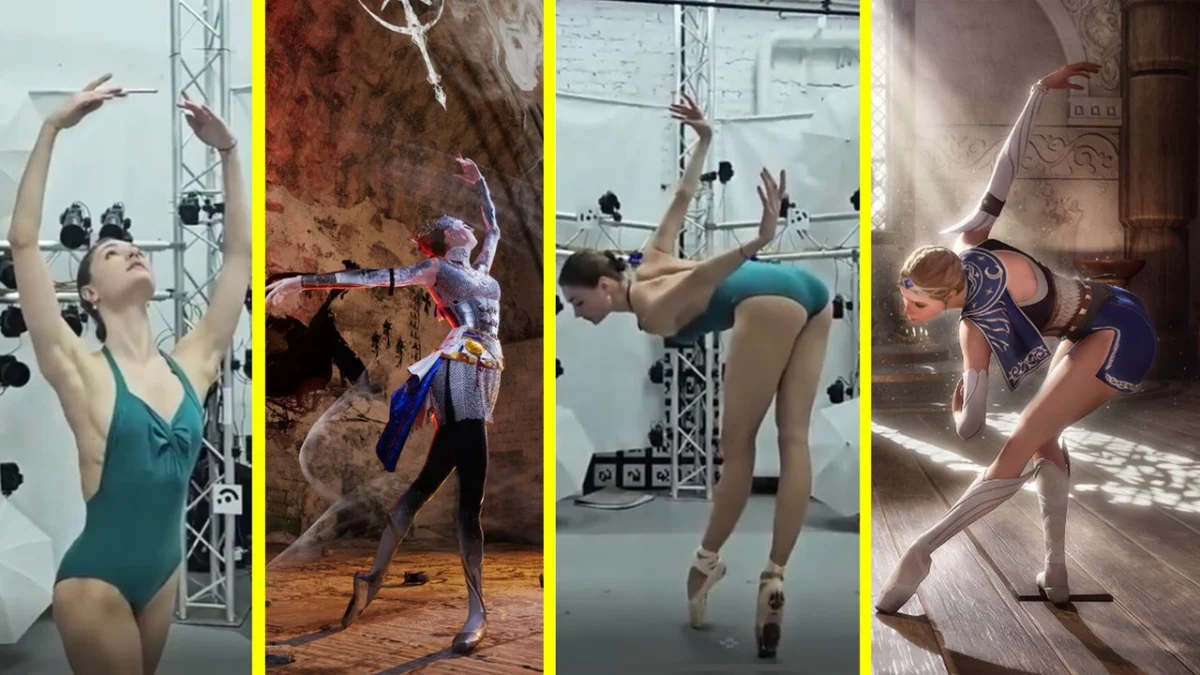
For industry professionals, the narrative remains consistent: the goal is to offload the "grunt work"—the repetitive, time-consuming technical hurdles—so that the creative spark can flourish. From the launch of the new AI-integrated platform Flow Studio to the subtle implementation of AI tools like MotionMaker within the industry-standard Maya, Autodesk is clearly defining a future where software acts as a partner, not a replacement.
The Philosophy of "Flow": A Shift in Creative Economics
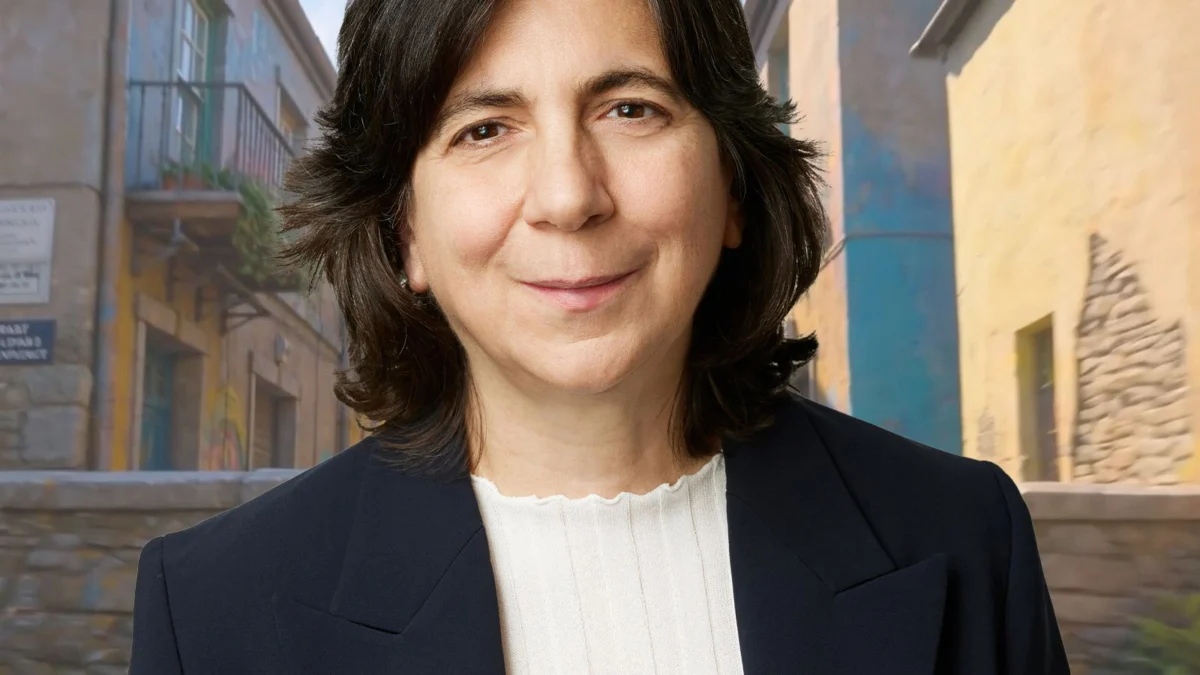
Diana Colella, EVP and Head of Media & Entertainment at Autodesk, sits at the center of this shift. In a candid discussion, Colella moves beyond the standard industry rhetoric of "efficiency" to address a more nuanced question: what, exactly, should a professional do with the time they reclaim through automation?
"How do you make people go faster?" Colella posits, acknowledging the blunt, bottom-line-focused nature of current corporate demands. The targets for this acceleration are clear: the soul-crushing rendering times and the administrative production tasks that clutter a creative’s day without contributing to the artistic vision.
However, Colella pushes back firmly against the prevailing fear that this reclaimed time will simply be filled with "more content" or "more stuff." Instead, she advocates for a qualitative shift. "The way you work might change, but for the better," she explains. "You can be more creative, because AI is not doing the creative."
This distinction is crucial. When asked if the goal is to double the workload of an individual animator or to grant them the breathing room to experiment, Colella is unequivocal. She points to pre-production as the primary beneficiary. By utilizing AI to build assets and run rapid iterations, studios can catch narrative and technical failures early in the process, long before the heavy financial weight of production is committed. It is an argument for quality over volume—an attempt to save the "weird ideas" that are usually cut to meet a deadline.
The "Hidden" Usage of AI in the Creative Industry
Despite the clear benefits, there is a palpable tension in the air. Colella notes a fascinating, albeit uncomfortable, trend: many of Autodesk’s most successful customers are using AI tools but are reluctant to admit it publicly.
"If they are using the AI tools, they won’t tell us," she observes. This reticence is born of a broader, industry-wide anxiety. Every day, creatives are bombarded by discourse suggesting that their labor is being devalued by generative models. This has created a culture of silence where the use of AI is often treated as a professional liability rather than a modern toolset.
Colella is visibly frustrated by this "fearmongering." She believes that the industry needs to move past the defensive posture that equates AI usage with a loss of skill. Currently, the landscape is defined by a paradoxical state: the tools are demonstrably helpful, yet admitting to their use feels like an admission of diminished creative integrity.
To bridge this trust gap, Autodesk is focusing on seamless integration. By folding AI capabilities directly into familiar software environments like Maya—ensuring that the artist never has to leave their primary workspace—Autodesk is attempting to remove the friction of adoption. It is not "traditional vs. AI"; it is simply the artist choosing the right tool for the specific moment.
Transparency and the "AI-Spotting" Phenomenon
The demand for transparency is a two-way street. Colella acknowledges that audiences are becoming increasingly sophisticated, developing a "sixth sense" for AI-generated content. She references TikTok’s recent move to flag AI-generated clips, noting that even without labels, the uncanny, often "off" nature of purely synthetic content is becoming easily detectable by the average viewer.
This reality necessitates a new standard of corporate responsibility. "We have to, at this point, be very transparent about what is an AI feature and what is not an AI feature," Colella asserts. She understands that without this clarity, professional trust—the bedrock of software loyalty—will erode.
The Limitations of Generative Models
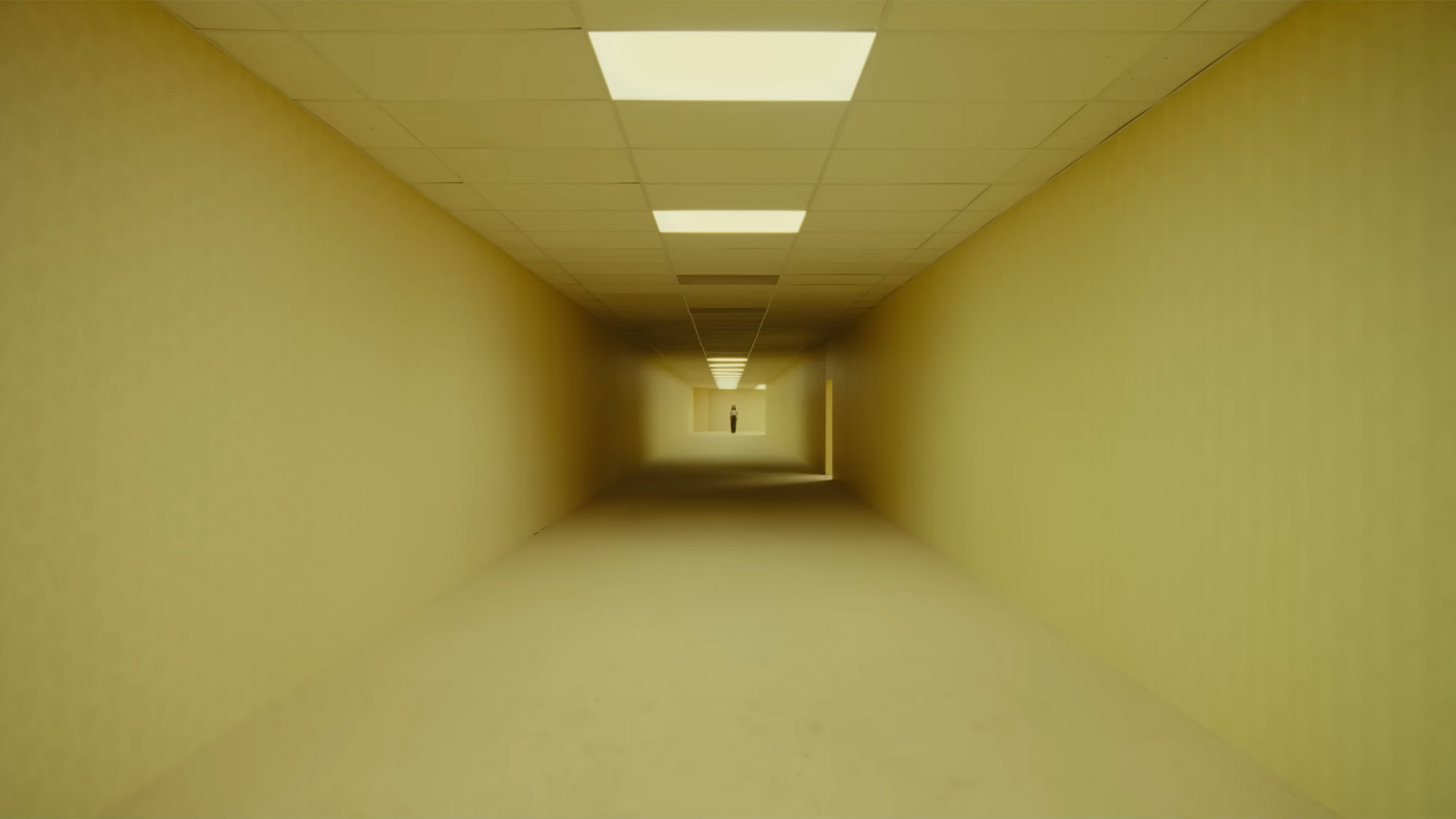
Colella is refreshingly pragmatic about the current ceiling of the technology. She frequently highlights independent projects like The Backrooms and Obsession—low-budget, high-impact horror films that were created entirely without the use of AI or, in some cases, even high-end studio software (relying instead on tools like Blender).
The success of these projects proves a vital point: a piece of software is only as good as the vision it serves. Even if a film is built in a non-traditional environment, it eventually requires the heavy lifting of professional-grade editing, compositing, and color grading to reach the screen. This is where Autodesk’s institutional strength lies. While AI startups are chasing the "magic button" generative dream, Autodesk is focusing on the "heavy lifting"—providing the professional backbone that carries a project from a concept to a finished, theater-ready asset.
This strategic choice also explains why Autodesk has largely avoided the 2D generative AI frenzy. "3D was never easy," Colella notes, "and now with AI, it’s not easy to just replace it." By focusing on 3D, Autodesk is leaning into a discipline that remains deeply technical and highly resistant to wholesale automation.
The Economic Horizon: A Post-Bubble Reality?
Perhaps the most significant difference between Autodesk and the wider AI sector is its financial health. In an industry where startups are frequently valued on the basis of "AI hype" without a clear path to sustainable revenue, Colella is dismissive of the bubble.
"There’s a lot of fundraising. There’s not a lot of selling," she remarks. She contrasts this with the trajectory of Flow Studio, which is already being deployed in real-world production environments. For Autodesk, the focus is on shipping products that solve genuine, paid-for industry problems. While she admits that a correction for the hype-heavy startups is inevitable, she remains confident that companies providing actual, tangible value will remain insulated from the burst.
Implications: A New Era for Independent Creators
Looking toward the future, Colella suggests that the most profound impact of AI in creative tools may not be found in the major studios at all. The film and television industry is currently in a period of severe contraction, defined by tightened budgets and a cautious, risk-averse approach to greenlighting projects.
Colella sees an opportunity here. If the cost of high-quality 3D production drops significantly, the barrier to entry for independent creators vanishes. "I think there’s going to actually be more creators than there is today," she predicts.
This vision suggests a democratization of high-end storytelling, where individual filmmakers can produce work that previously required the resources of a major studio. By shifting the focus away from "cutting jobs" and toward "enabling new creators," Autodesk is proposing a radical shift in the industry’s economic model.
Conclusion: The Real Test for AI
As we move past the initial shock of the AI revolution, the conversation is maturing. The true test for tools like Flow Studio or MotionMaker will not be the raw speed of their output, but the environment they foster.
If the technology is used to squeeze more labor out of existing creative teams, the industry risks losing the very "human" element that makes art resonant. However, if these tools are used as Colella suggests—to clear away the drudgery and provide a canvas for experimentation—then we are on the precipice of a new, more prolific era of digital storytelling. The future of creative software, it seems, isn’t just about what the computer can do; it’s about what it allows the human to finally dare to dream.