In an operation of unprecedented logistical complexity, a group of 30 beluga whales, long held in the controversial confines of Ontario’s Marineland, has embarked on a journey toward freedom and specialized care. After years of legal battles, public outcry, and a precarious existence in a shuttered theme park, the first four of these marine mammals have successfully arrived at the Shedd Aquarium in Chicago. This move marks the beginning of a massive, multi-national effort to ensure the health and safety of animals that had become the center of one of the most high-profile animal welfare crises in the Western world.
The Logistics of a Marine Migration
Moving a multi-ton marine mammal across international borders is a task that defies conventional transport logic. The operation, coordinated by the Association of Zoos and Aquariums (AZA), required a symphony of specialized equipment, expert veterinary oversight, and high-level government cooperation.
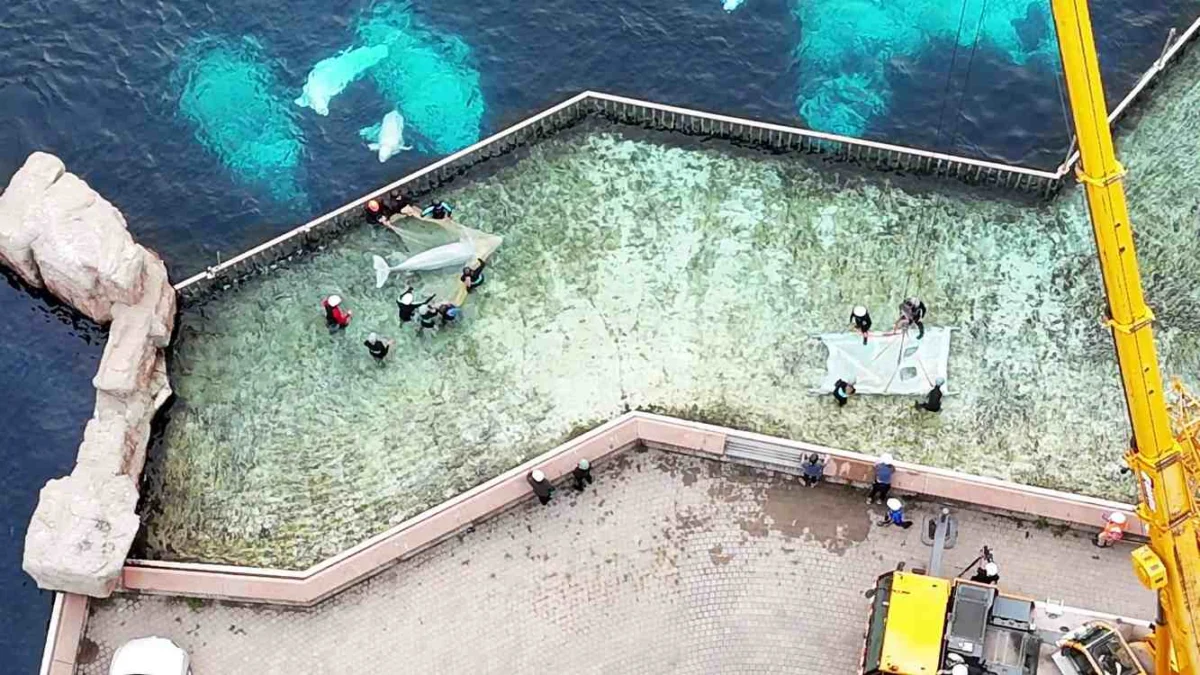
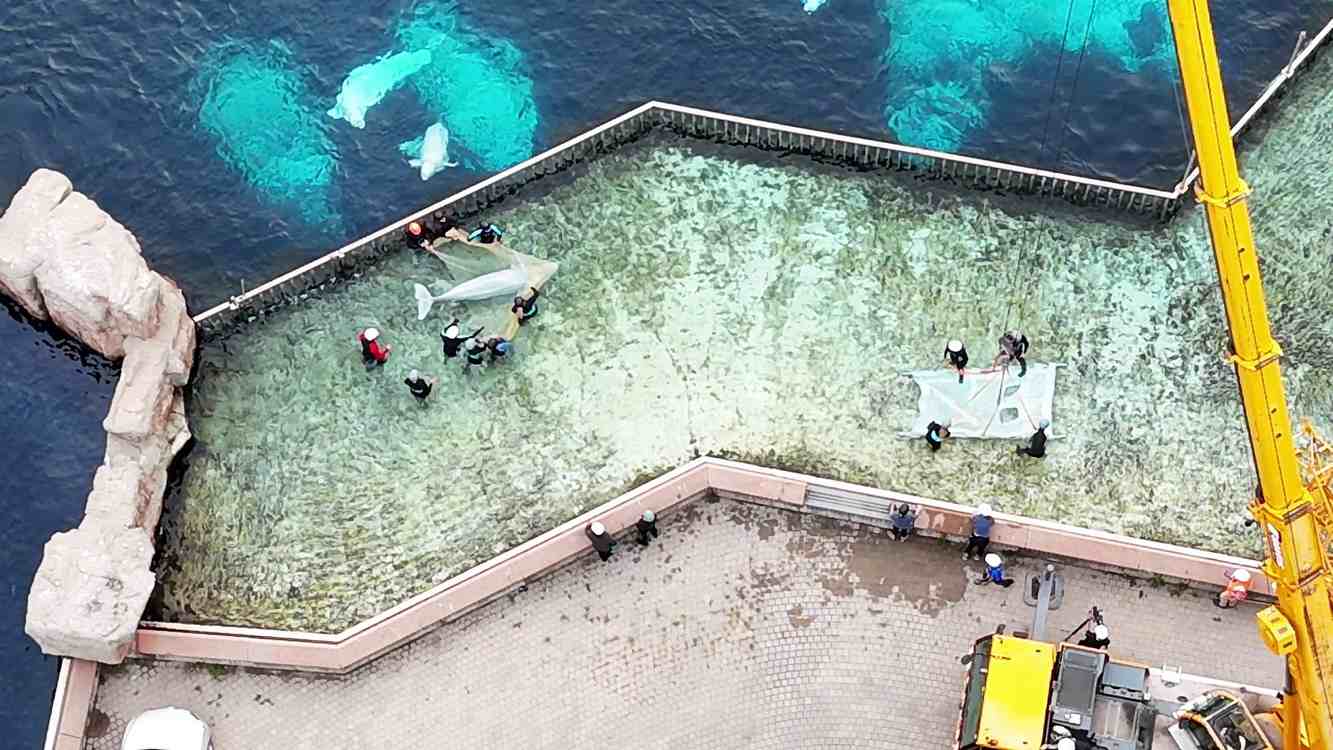
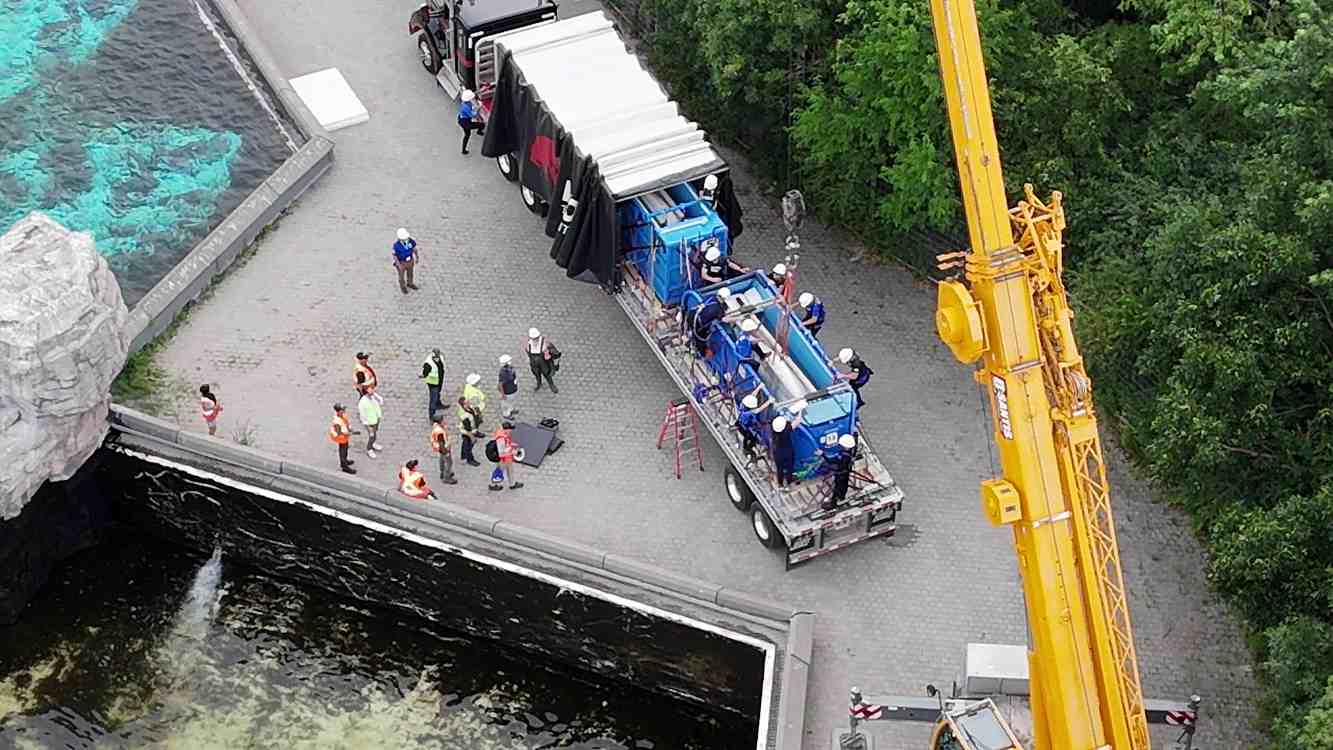
Photographs from the translocation process reveal the delicate nature of the move. Each whale was carefully lifted from the holding pools at Marineland using custom-designed cloth gurneys. These reinforced slings were designed to support the whales’ weight evenly while minimizing stress. Once secured, the animals were hoisted by crane and gently lowered into specialized, climate-controlled transport containers. These containers, which replicate the water chemistry and temperature requirements of a sub-arctic environment, were then loaded onto heavy-duty trailer trucks for the initial leg of the journey.
The final leg to Chicago involved a Qatar Airways Boeing 777 freighter aircraft. The whales were flown to O’Hare International Airport before being transported to their final destination: the Abbott Oceanarium at the Shedd Aquarium. This transit process—from pool to plane to aquarium—was orchestrated to maintain the animals’ physiological stability throughout every stage.
A Chronology of a Crisis
The journey of these 30 whales to their new homes is the culmination of years of systemic failure and recent, urgent intervention.
Years of Controversy
For decades, Marineland in Ontario faced relentless scrutiny. Investigations, court cases, and accusations of institutionalized neglect painted a grim picture for the animals kept on the premises. As the theme park’s financial stability waned, so too did its ability to provide even the most basic standard of care for its marine residents.
The Threat of Euthanasia
The situation reached a breaking point in recent years. With no funding to sustain the necessary filtration, nutrition, and veterinary care for 30 belugas, the facility’s operators went as far as threatening to euthanize the animals if government permits for relocation were not granted. A previous attempt to export the whales to facilities in China had failed, leaving the whales in a state of limbo—too accustomed to human care to be returned to the wild, yet increasingly vulnerable in their existing environment.
The Breakthrough
The turning point arrived when both the National Oceanic and Atmospheric Administration (NOAA) in the United States and the Department of Fisheries and Oceans (DFO) in Canada reached an agreement to facilitate a rescue. By approving the transfer of 28 of the whales to four top-tier American aquariums, and working with Spanish authorities to move the remaining two to Oceanogràfic València in Spain, the authorities effectively saved the animals from a tragic outcome.
Supporting Data: The "Sub-Pod" Strategy
The decision to move the first four whales together was not accidental. Shedd Aquarium officials noted that the four females—aged 21, 26, and 27—had formed a cohesive social unit, often referred to by experts as a "sub-pod."
In the wild, beluga whales are highly social creatures that thrive on complex, long-term bonds. Recognizing these existing social structures is critical to the success of a translocation. By keeping the sub-pod together, the rescue team mitigated the psychological trauma typically associated with such a drastic change in environment.
The Shedd Aquarium’s Abbott Oceanarium is currently conducting rigorous health and wellness checks. This involves:
- Nutritional Stabilization: Providing specialized diets to ensure the whales regain or maintain optimal body condition.
- Behavioral Monitoring: Assessing how the whales interact with one another and their new surroundings.
- Environmental Acclimation: Gradually adjusting the whales to the specific water quality and sensory inputs of their new habitat.
Official Responses and Expert Insights
The complexity of this operation has brought together some of the world’s leading experts in marine biology and animal husbandry.
Dan Ashe, president and CEO of the AZA, emphasized the extreme difficulty of the undertaking, stating, "Moving animals like beluga whales, even under the best of circumstances, is challenging." The logistical hurdles involved in maintaining water oxygenation, temperature, and monitoring vital signs while in transit cannot be overstated.
Dr. Karisa Tang, lead veterinarian and vice president of animal health at Shedd Aquarium, described the arrival as a new chapter for the whales. "Now that they are here, the full attention of our care and veterinary teams is on getting to know these whales and providing whatever supplemental support, care, treatment, nutrition, and attention we can provide to help them acclimate to their new environment."
Charlie Jacobsma, the director of animal behavior and training at the Shedd, highlighted the importance of patience. "We are watching closely for the rescued belugas to eat a full diet, socialize with one another, and investigate the habitat, which are encouraging signs of their progress," he noted. "We are cautiously optimistic as we start to see some of those initial indicators."
Implications for Marine Animal Welfare
This mass translocation represents a significant shift in how the international community approaches the management and welfare of captive marine mammals.
Setting a Precedent
The collaboration between Canada, the U.S., and Spain demonstrates that international regulatory bodies can successfully work together to resolve animal welfare crises when political will and private-sector expertise align. It creates a blueprint for future rescue operations involving large-scale captive facilities that are no longer viable.
The Future of the Remaining Whales
While the four whales in Chicago have begun their recovery, the work is far from over. The Georgia Aquarium, along with two SeaWorld facilities in San Diego and San Antonio, are currently preparing their own habitats to receive the remaining members of the group. Each transfer will follow the same high-level protocol used for the Chicago cohort, ensuring that the lessons learned from this first successful move are applied across the board.
Institutional Responsibility
The collapse of Marineland’s beluga program serves as a cautionary tale regarding the long-term sustainability of keeping complex, social, and long-lived animals in commercial theme park settings. The public outcry that fueled this rescue has sent a clear signal to the industry: the standard of care for captive animals is no longer a private matter, but one of public concern.
As the four belugas in Chicago continue to explore their new home, their progress stands as a testament to the dedication of the teams who spent years fighting for their right to a healthier, more humane life. While they may never be able to return to the Arctic seas from which their ancestors came, they have finally transitioned from being products of a failing system to being patients in a world-class care environment.
The successful transport of these four whales is not just a logistical victory; it is a moral one. It proves that even when faced with the most daunting institutional failures, a coordinated, compassionate, and scientifically rigorous approach can provide a lifeline to those who cannot speak for themselves. The coming months will be critical, but for the first time in years, the future for these 30 belugas is finally beginning to brighten.