
PERTH, AUSTRALIA — Deep beneath the scorched red surface of Western Australia’s iconic Pilbara region, a geological treasure trove is quietly redefining what is possible in the global transition to green energy. For over a century, the ancient, rust-colored landscapes of the Australian outback have been synonymous with the extraction of traditional mineral wealth, fueling global industrialization through massive iron ore exports. Today, however, scientists believe these very same ancient rocks may hold the key to an entirely different kind of bonanza: a virtually limitless, naturally occurring supply of clean hydrogen fuel.
In a groundbreaking study published in the International Journal of Hydrogen Energy, researchers at Edith Cowan University’s (ECU) School of Engineering have revealed that magnetite—a mineral abundantly found within Western Australia’s vast banded iron formations—can react with hot underground water to generate hydrogen gas. This natural process, occurring deep within the Earth’s crust, represents a monumental shift in how humanity might source zero-emission fuel, potentially transforming Australia from a traditional mining giant into a premier global exporter of green energy.
Main Facts: The Discovery of Natural Hydrogen in the Pilbara
The core breakthrough centers on the chemical interaction between magnetite and superheated water under high-pressure subterranean conditions. Hydrogen gas is widely recognized as one of the few viable clean energy alternatives capable of decarbonizing heavy industries that cannot easily be electrified by batteries alone, such as long-haul aviation, maritime shipping, and heavy-rail freight.
However, traditional methods of producing hydrogen have long been plagued by economic and environmental hurdles. While hydrogen can be produced cleanly via water electrolysis powered by wind or solar energy, the process requires massive amounts of electrical power, making it costly and difficult to scale. Conversely, producing hydrogen through conventional industrial reforming methods often relies on fossil fuels, negating its environmental benefits.
The discovery made by the ECU research team bypasses these industrial bottlenecks entirely by tapping into "white hydrogen"—naturally occurring hydrogen gas generated entirely by geological processes within the Earth. By simulating the extreme environments found deep beneath the Australian desert, the researchers demonstrated that nature has already done the heavy lifting. If harnessed successfully at scale, these subterranean deposits could provide a self-replenishing, zero-emission energy reserve capable of powering generations to come.
Chronology: How the Breakthrough Unfolded
The path to this discovery began with a growing global interest in natural hydrogen—often referred to as gold or white hydrogen—as geologists around the world began investigating whether subterranean pockets of the gas could be sustainably harvested.
- Initial Hypothesis Formulation: Researchers at Edith Cowan University turned their attention to Western Australia’s banded iron formations (BIFs), which are among the largest and oldest geological structures on Earth. They hypothesized that the interaction of iron-rich minerals with deep geothermal waters could catalyze the production of hydrogen gas through a process akin to serpentinization or iron oxidation.
- Laboratory Simulation: To test this theory, the research team designed a controlled experiment to replicate the hostile, high-energy environment found kilometers beneath the red deserts of the Pilbara. They exposed magnetite samples to water heated to 200°C (392°F) under extreme pressure for a duration of 60 days.
- Observation and Measurement: Over the two-month test period, the team monitored the chemical reactions taking place within the pressurized chambers. The results confirmed that hydrogen gas was successfully generated as the magnetite interacted with the thermal fluid.
- Publication of Findings: Following rigorous peer review, the findings were officially published in the International Journal of Hydrogen Energy, bridging the gap between theoretical geochemistry and actionable real-world energy exploration.
Supporting Data: Inside the Experiment
To better understand the mechanics of natural hydrogen generation, the ECU team tested different configurations of magnetite to see how physical properties influenced gas production rates.
In a comparative trial, researchers pitted a solid 1.5-gram sample of banded iron slab rock against a mere 200 milligrams of finely ground magnetite powder. The results provided crucial insights into the physics of subterranean gas generation: due to its significantly higher surface area and porosity, the powdered magnetite produced five times more hydrogen gas by weight than the solid slab.
While the absolute volume of gas generated in the laboratory scale was relatively modest—describing a yield roughly equivalent to one-fiftieth the volume of a single raindrop from a 200-milligram sample—the implications of scale are immense.
Professor Stefan Iglauer, co-author of the study, emphasized that the experiments successfully bridged the gap between microscopic lab trials and macro-level geological systems. “Our findings show that hydrogen production depends not only on the amount of magnetite present, but also on how easily water can access fresh mineral surfaces through fractures, pores, and permeable pathways,” Iglauer explained.
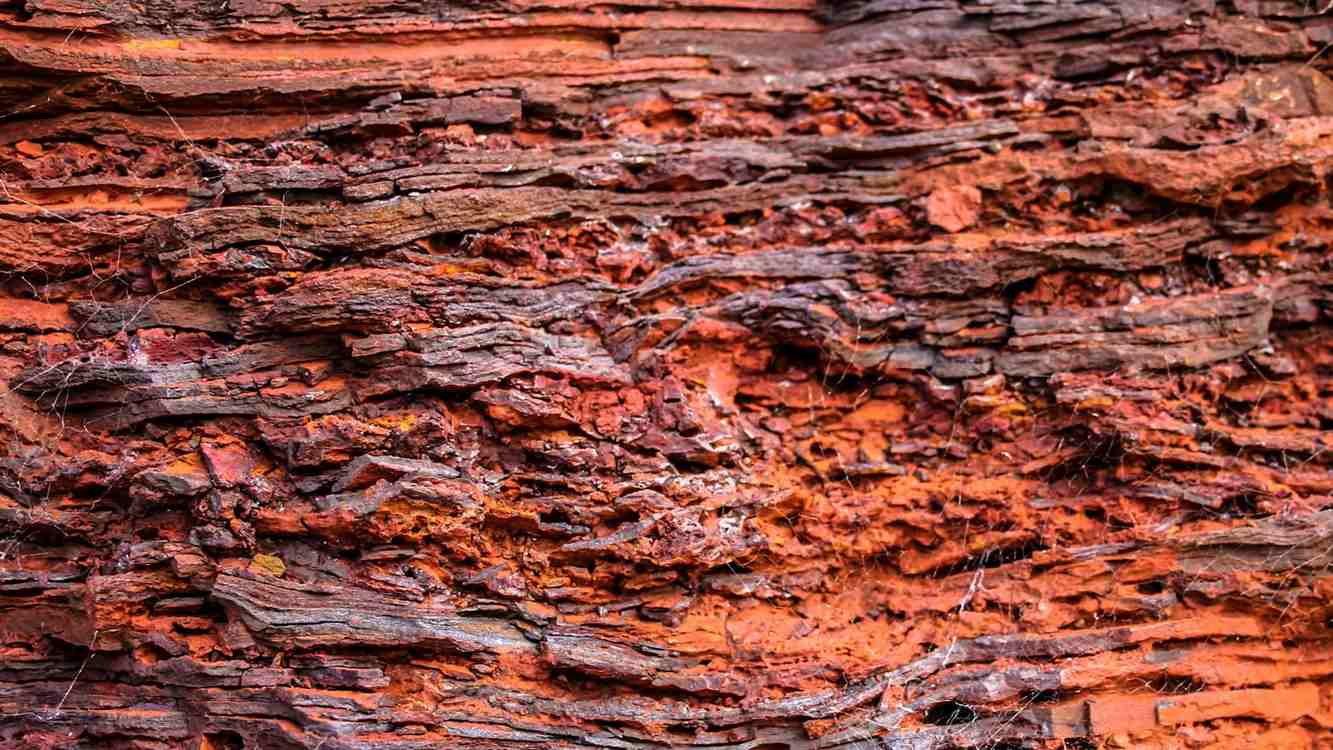
When extrapolated across the vast, kilometer-thick iron deposits spanning the entire Pilbara region—where millions of tons of magnetite are fractured and bathed in geothermal waters—the cumulative potential output scales exponentially.
Official Responses and Expert Perspectives
The academic and scientific community has responded to the breakthrough with immense enthusiasm, viewing it as a potential paradigm shift for energy markets both in Australia and internationally.
Lead author Kaveh Moghanirahimi highlighted the sheer geographic advantage held by Western Australia. “Western Australia has some of the world’s largest banded iron formations. If we can unlock this resource at scale, it could be transformative for our energy future,” Moghanirahimi stated. Beyond commercial export potential, he noted a vital secondary benefit: “We even see the potential for Western Australia to strengthen its energy independence during times of crisis through access to this naturally generated hydrogen.”
Associate Professor Alireza Keshavarz echoed these sentiments, pointing to the generational impact the discovery could have on the national economy. “Australia could be sitting on a massive, untapped energy reserve, and the potential is enormous,” Keshavarz said in an official university release. “There is enough hydrogen for Australia to benefit for generations, and potentially enough for us to become a major exporter of clean energy to the rest of the world.”
Implications: A New Frontier for Clean Energy
The implications of the ECU study stretch far beyond the borders of Western Australia. As nations worldwide scramble to secure reliable supplies of clean energy to meet strict net-zero carbon targets, the pursuit of natural hydrogen is rapidly gaining momentum.
Similar explorations for white hydrogen are currently underway globally, including notable projects in Canada, where researchers are investigating clean power sources hidden beneath existing mines. If Australia can successfully transition from laboratory-scale experiments to commercial exploration and extraction of its underground hydrogen, it could fundamentally disrupt global energy markets.
Transforming the Mining Sector
For a region built on the extraction of solid commodities like iron ore, the presence of natural hydrogen offers an unprecedented synergy. Existing mining infrastructure, geological surveying data, and deep-drilling expertise could be repurposed to locate and harvest gaseous energy from the exact same rock formations that have driven the state’s economy for decades.
Economic and Environmental Longevity
As global demand for fossil fuels declines in the coming decades, resource-dependent economies face the daunting task of reinventing themselves. By leveraging its unique geology, Western Australia has the opportunity to pivot seamlessly from a traditional fossil-fuel and mineral exporter into a clean-energy superpower.
The ECU research team’s successful simulation marks only the first step on a long road toward commercialization. Moving forward, geologists and engineers will need to map subterranean permeability pathways, assess reservoir sealing capacities, and develop safe, efficient extraction techniques. Nevertheless, the knowledge that the Australian outback is quietly brewing clean fuel beneath the surface offers a compelling vision of a sustainable future—one fueled by the very earth beneath our feet.