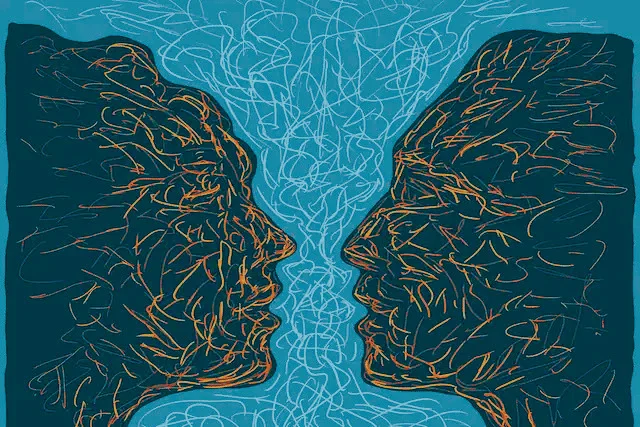

“When we are no longer able to change a situation, we are challenged to change ourselves.” — Viktor Frankl
For millions of individuals, the path to a medical diagnosis is not a straight line, but a labyrinth of dismissed symptoms, misattributions, and profound frustration. For Arman Soltani, VP of Design at PastWisdom.com, this journey culminated in a life-altering diagnosis of Crohn’s disease—a chronic inflammatory condition that, while initially daunting, became a catalyst for a total lifestyle transformation. His story serves as a poignant reminder of the power of patient advocacy and the capacity for the human spirit to find growth within the constraints of chronic illness.
The Diagnostic Labyrinth: When Symptoms Are Misunderstood
The medical narrative of chronic illness often begins with a period of uncertainty. For Soltani, the onset was characterized by persistent, localized pain in the lower right abdomen. Because appendicitis has a hereditary component in his family, he instinctively suspected an acute issue. However, he encountered a recurring obstacle in the medical system: the tendency to attribute physical distress to psychological stressors.
"Are you under a lot of pressure?" became a refrain from multiple practitioners. During this period, Soltani was navigating a demanding professional and personal landscape. When doctors suggested that stress was the primary driver of his agony, he followed their clinical advice—taking extended leave, traveling, and attempting to lower his workload. Yet, the sharp, disruptive pain that routinely pulled him from sleep at 3:00 a.m. remained.
This phenomenon—where "stress" is used as a diagnostic catch-all—is a documented issue in clinical settings. When medical professionals cannot immediately pinpoint a physical etiology, they often rely on biopsychosocial factors to explain patient discomfort. While stress can certainly exacerbate gastrointestinal conditions, it is rarely the sole cause of chronic, localized pain. Soltani’s experience highlights the importance of the "patient-as-expert" model, where the individual’s intuition about their own body must be treated as a primary diagnostic tool.
Chronology of a Medical Breakthrough
The turning point in Soltani’s journey arrived when he chose to stop accepting "stress" as a definitive answer. By persistently advocating for his own health, he forced a shift in the diagnostic protocol.
- Initial Phase: Several months of unexplained abdominal pain. Repeated consultations with primary care providers lead to recommendations for lifestyle changes and stress management.
- The Advocacy Pivot: Facing a third medical professional who echoed the same diagnosis, Soltani challenged the narrative, asserting that his symptoms were physiological rather than psychosomatic.
- Diagnostic Imaging: The physician agreed to a CT scan, which provided the first objective evidence of abnormality in the lower intestine.
- Specialized Intervention: A referral to a gastroenterologist followed, culminating in a colonoscopy and biopsy.
- The Diagnosis: The biopsy confirmed Crohn’s disease, an autoimmune condition where the immune system attacks the digestive tract, causing chronic inflammation.
The relief Soltani felt upon receiving the diagnosis—despite the lifelong nature of the condition—is a common reaction among patients with rare or "invisible" illnesses. The diagnosis transformed an amorphous, terrifying unknown into a manageable clinical reality.
Understanding Crohn’s: A Complex Clinical Landscape
Crohn’s disease, a type of inflammatory bowel disease (IBD), affects millions globally. Unlike acute illnesses that can be cured with a course of antibiotics or a surgical procedure, Crohn’s is chronic and requires ongoing management.
The Mechanism of the Disease
In patients with Crohn’s, the immune system mistakenly identifies the body’s own digestive tissue as a foreign threat. This triggers a cycle of inflammation that can lead to severe abdominal pain, malnutrition, and, if left unmanaged, the need for surgical intervention to remove damaged segments of the intestine.

The Challenge of Individualized Triggers
One of the most difficult aspects of living with Crohn’s is the lack of a universal dietary protocol. Clinical research underscores that triggers are highly idiosyncratic. While medical professionals may provide general guidelines—such as avoiding high-fiber foods during a flare-up—the reality of the disease is that a food item that is benign for one patient may trigger a severe inflammatory response in another.
For Soltani, the "troublemakers" were specific: coffee, spicy food, orange juice, greasy fast food, and alcohol. Navigating these restrictions required two years of rigorous trial and error, a process of "paying attention, cutting things out, and adding them back" to build a personalized safety net for his body.
The Perspective Shift: Is Illness a Form of Discipline?
Perhaps the most provocative element of Soltani’s experience is his interaction with a friend who viewed his diagnosis through a counter-intuitive lens. When told of the chronic nature of the disease, the friend remarked, "Dude, you’re so lucky."
While such a statement might seem insensitive to those currently suffering, the friend’s logic was rooted in the concept of forced optimization. Many people navigate life with poor nutritional habits and sedentary behaviors, often ignoring their health until a catastrophic event occurs. By having a condition that demanded immediate and strict compliance with a healthy lifestyle, Soltani was forced to cultivate habits that he otherwise might have ignored.
Fifteen years post-diagnosis, Soltani now views this forced discipline as a silver lining. By eliminating harmful dietary triggers and prioritizing gut health, he has achieved long-term stability and avoided recent flare-ups. This highlights a critical, if often overlooked, truth: Chronic illness can serve as an unexpected catalyst for long-term health optimization.
Implications for Patients and Healthcare Providers
Soltani’s story offers three primary takeaways for anyone currently struggling with health uncertainty or managing a chronic condition:
- Trust Your Intuition: You are the primary stakeholder in your own health. If you feel dismissed, do not stop seeking answers. Advocate for yourself until you find a provider who is willing to conduct the necessary diagnostics.
- The Turning Point: A diagnosis, while difficult, can act as a catalyst for life-changing habits. It forces an individual to confront the limitations of their body and respond with intentionality rather than negligence.
- The Hidden Silver Lining: It is often impossible to see the benefits of a difficult situation while in the "middle of the storm." Resilience is not about enjoying the hardship, but about recognizing how the hardship has refined your character and your lifestyle over time.
Conclusion: Turning the Question Back on Yourself
Chronic illness is never a gift in the traditional sense. It involves pain, sacrifice, and the loss of the "healthy" version of oneself. However, as Soltani reflects, there are situations that cannot be changed—and in those moments, the challenge lies in how we choose to adapt.
"You might not like the assignment," Soltani notes. "But you may look back and realize it was the thing that changed you for the better."
By reframing his chronic diagnosis not as a burden to be endured, but as a discipline to be mastered, Soltani has demonstrated that even within the confines of a chronic condition, there is a path to a more vibrant, intentional, and healthy life. His story serves as a testament to the fact that when we can no longer change our circumstances, the act of changing ourselves is, in itself, a form of victory.