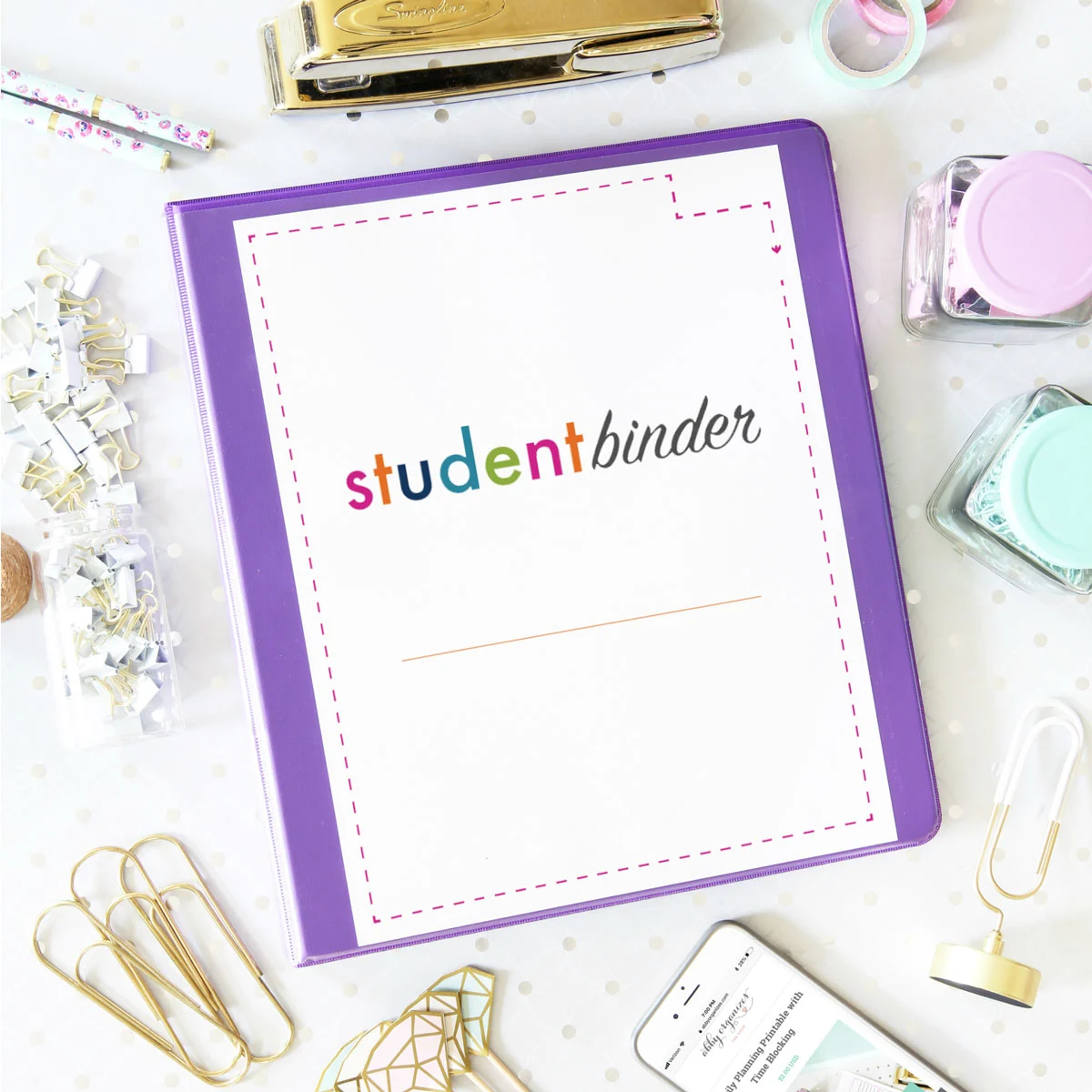
WASHINGTON, D.C. — As families and educators gear up for the frantic rush of the new academic cycle, the perpetual challenge of student organization has taken center stage. In response to mounting concerns over academic stress, time management, and the overwhelming influx of syllabus data, organizational lifestyle platforms have officially released an exhaustive, completely revamped suite of student binder printables.
Designed to streamline classroom information and foster scholastic discipline from day one, this newly expanded resource arrives just in time to combat the annual back-to-school scramble. Featuring over a dozen specialized layouts available in dual color schemes, the initiative aims to bridge the gap between chaotic class schedules and academic achievement for students ranging from middle school to collegiate levels.
Main Facts: A Holistic Approach to Student Success
The newly unveiled student binder system is not merely a collection of generic calendars; it is a meticulously engineered organizational framework. Developed in response to thousands of user inquiries demanding a refreshed layout for the upcoming school year, the system offers versatile tracking tools designed to eliminate surprises at the end of academic grading periods.

Key components of the newly released suite include:

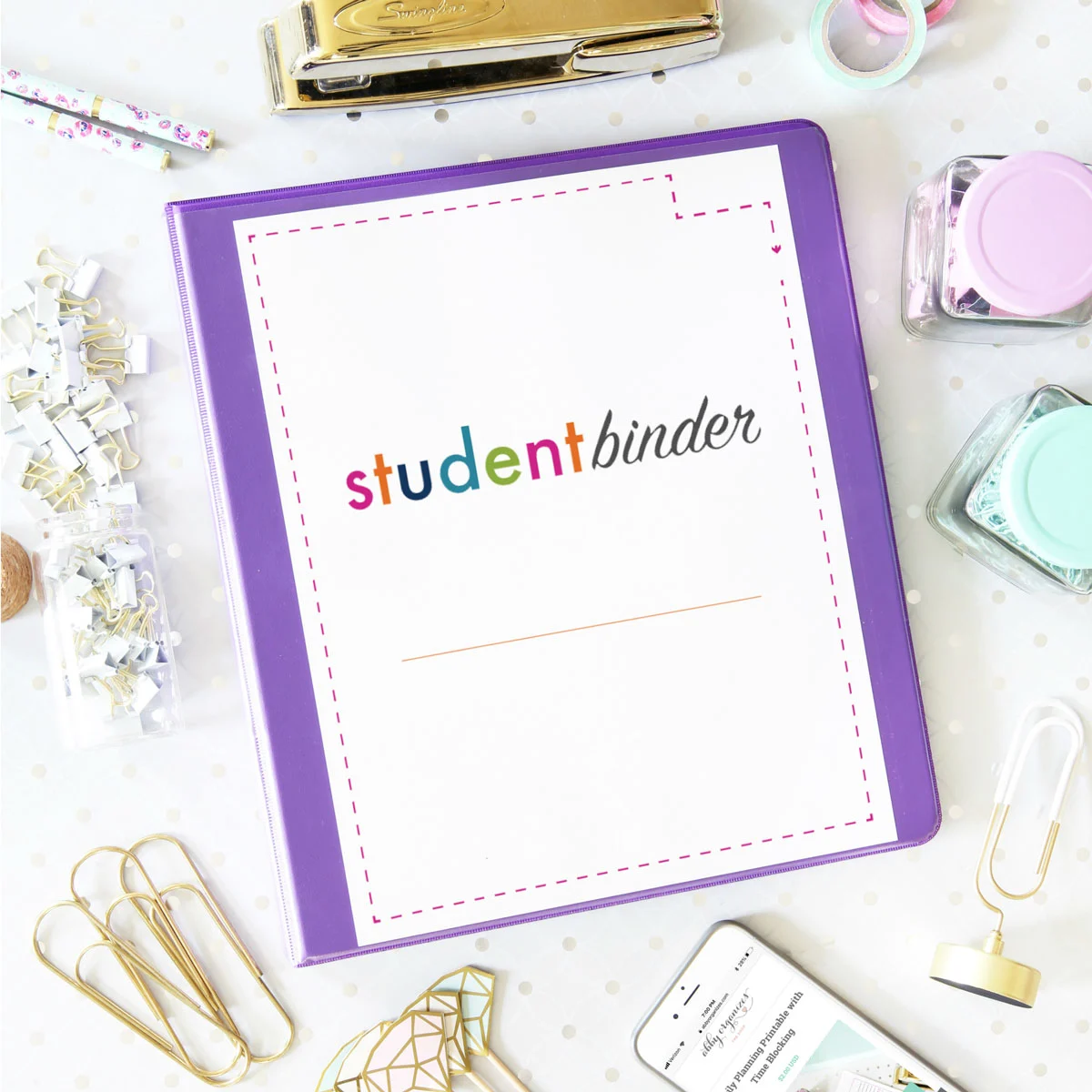
- Customizable Aesthetics: Bright, durable binder covers featuring dedicated spaces for personal identification and emergency contact details, optimized for printing on heavy-duty card stock.
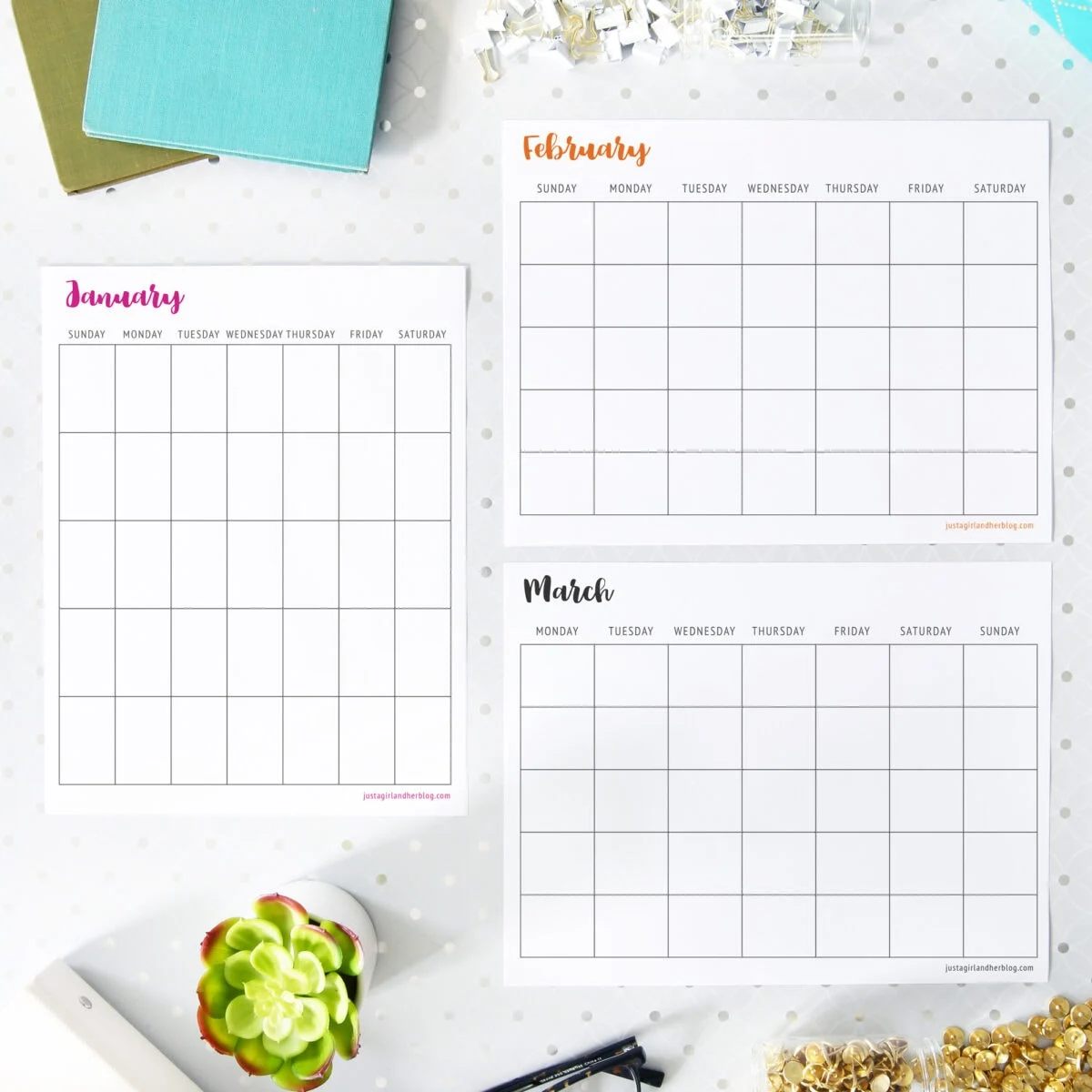
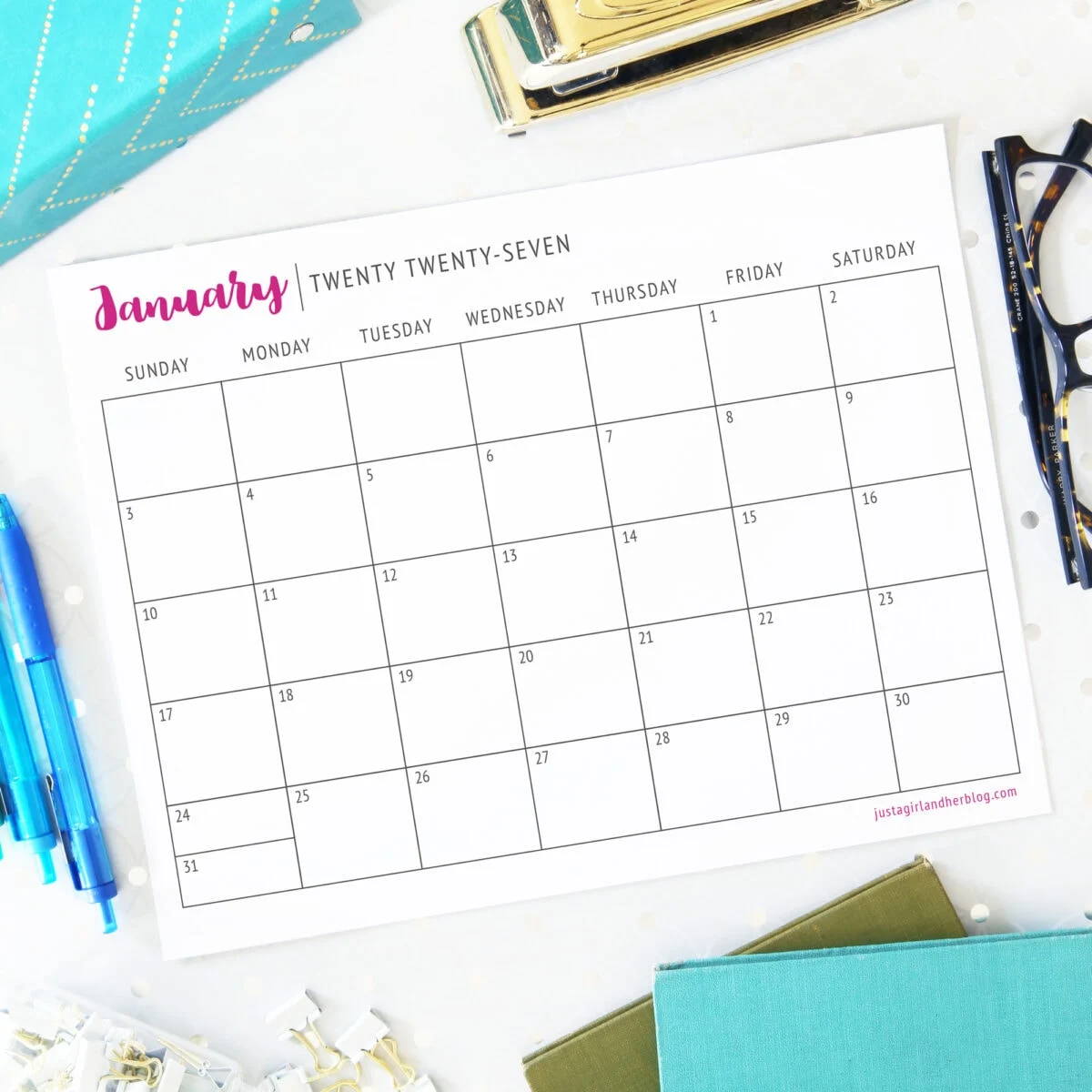
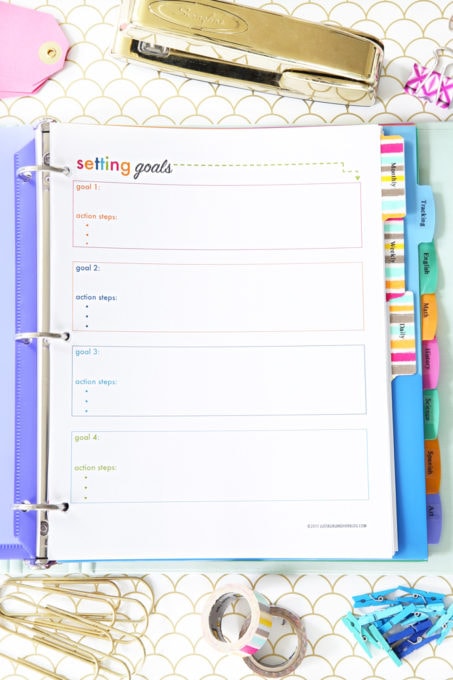
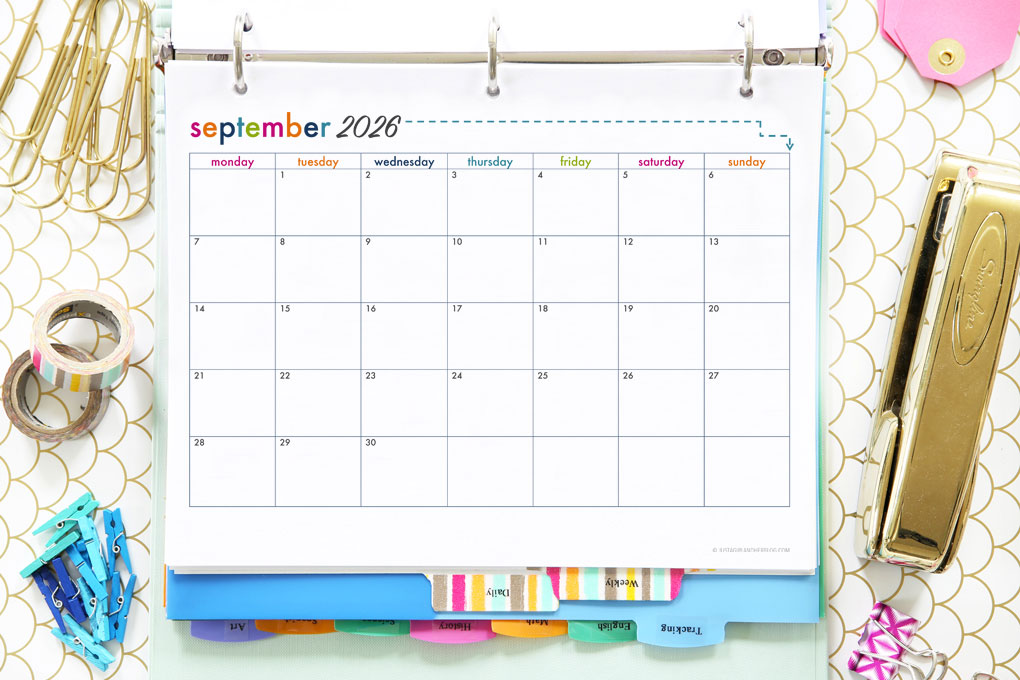
- Comprehensive Planning Modules: Dated monthly calendars spanning July 2026 through December 2027, complemented by undated templates for long-term planning, goal-setting worksheets, and two-page weekly spreads.
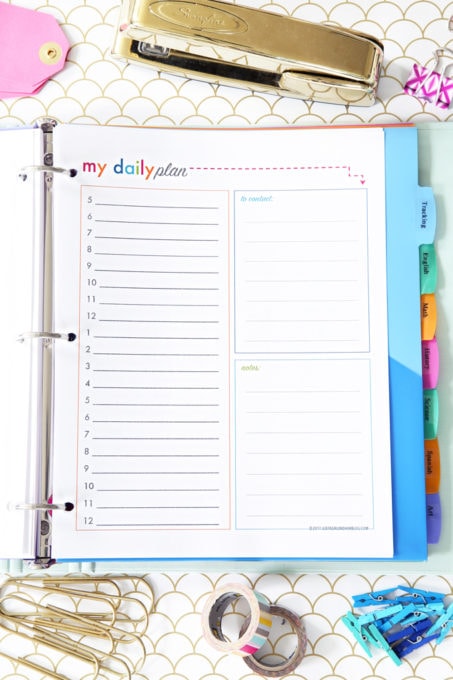
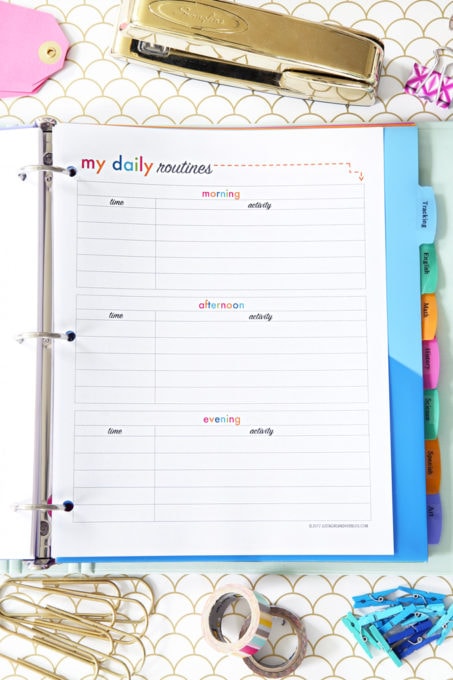
- Advanced Time Management: Hourly daily planning sheets incorporating "time-blocking" methodologies, alongside dedicated daily routine trackers for morning, afternoon, and evening habits.
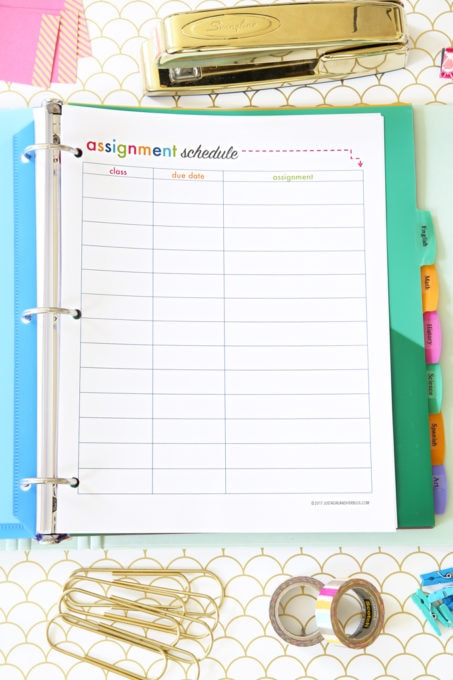
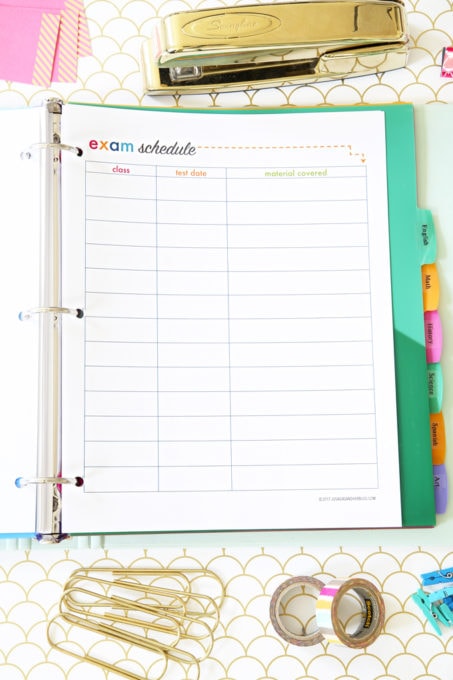
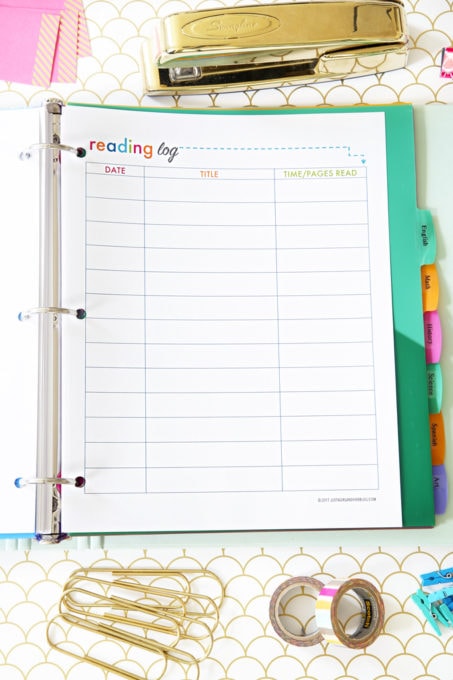
- Academic Tracking Systems: Tailored schedules for assignments and exams, grade-tracking ledgers with running totals, structured note-taking pages, and individual project planners.
- Inclusive Design Options: Complete structural availability in dual color schemes—a vibrant signature palette and a cool-toned blue alternative designed to accommodate diverse stylistic preferences.
Chronology: The Evolution of Classroom Organization
The journey toward this comprehensive 2026–2027 release spans nearly a decade of iterative educational design.
- July 2016: Initial foundational student binder printables were introduced to the public, focusing primarily on basic class schedules and rudimentary grade-tracking. The platform initially catered to elementary and middle school demographics with a singular pink-forward design aesthetic.
- 2018–2021: Following heavy feedback from parents of male students and secondary educators, discussions began regarding the necessity of gender-neutral and alternative color schemes. During this period, digital organization grew exponentially, prompting demands for time-blocking layouts.
- 2022–2024: The platform integrated broader productivity concepts, such as time-blocking and habit-tracking routines, recognizing that modern students face unprecedented distractions from digital devices and fragmented learning environments.
- August 2025–Present: The formal rollout of the 2026–2027 academic templates. This latest iteration represents the most refined version of the binder system to date, incorporating forward-dated calendars that stretch through late 2027 to accommodate year-round academic programs and higher education schedules.
Supporting Data: The Correlation Between Organization and Academic Performance
Educational research consistently underscores the vital link between physical organization, executive functioning skills, and academic success. According to studies published in educational psychology journals, students who actively utilize planners, maintain organized binders, and set tangible goals experience a marked reduction in chronic stress and anxiety related to coursework.
- Syllabus Shock Mitigation: Educational data indicates that over 65% of middle and high school students experience acute anxiety during the first week of classes due to conflicting project deadlines and uncoordinated exam dates. Tools like the newly introduced Assignment Schedule and Exam Schedule directly mitigate this by centralizing data into a single point of reference.
- Grade Transparency: Surveys among college freshmen reveal that more than 40% are routinely surprised by their mid-term or quarterly grades due to a lack of continuous tracking. The inclusion of a dedicated Grade Tracking Printable with running-total columns provides students with real-time academic awareness, empowering them to seek tutoring or adjust study habits proactively before final evaluations occur.
- The Power of Habit Stacking: Behavioral scientists note that structured daily routines—such as the morning and evening preparation lists included in the binder—drastically improve cognitive bandwidth for actual learning by minimizing decision fatigue regarding basic tasks like backpack packing and clothing selection.
Official Responses and Expert Insights
Industry professionals and educational advocates have widely praised the accessibility and thoroughness of the new printables.

"When students walk into a classroom on the first day, they are immediately bombarded with syllabi, reading lists, and project guidelines," notes a veteran educator and curriculum developer. "Without a centralized repository to filter that information, even the brightest students can fall behind simply due to logistical friction. Providing free, beautifully designed templates removes financial barriers to organization."
Mothers and educators alike have also voiced approval for the expanded aesthetic options. "In past years, the heavy reliance on singular color palettes limited adoption among students who preferred cooler tones," noted a prominent parenting and lifestyle advocate. "Offering a parallel blue color scheme acknowledges that personalization is a key driver of student engagement. If a student loves the look of their binder, they are far more likely to open it every single day."
Furthermore, creators behind the initiative emphasize that the utility of the binder extends beyond traditional school walls. Adults returning to continuing education programs, university students managing complex practicums, and professionals seeking granular time-blocking frameworks have increasingly adopted the templates for career and personal management.
Implications: Preparing the Next Generation for Lifelong Productivity
The widespread availability of open-source, highly structured educational printables carries significant implications for modern learning environments. As school districts increasingly digitize their workflows via online portals and learning management systems (LMS), educators have observed a paradoxical rise in digital fatigue and disorganization among students who struggle to translate screen-based notifications into actionable daily tasks.
By encouraging a hybrid approach—combining digital research with tactile, pen-to-paper planning—these printable student binders help reinforce executive function skills that digital notifications often fail to cultivate. Writing down goals, physically checking off completed assignments, and mapping out weekly time blocks engage cognitive pathways associated with memory retention and accountability.
As the 2026–2027 academic year approaches, families searching for reliable, aesthetically pleasing, and functionally robust organizational tools can access the complete library of over 300 free printables directly through online resource portals. By equipping students with the right structural framework from day one, educational advocates hope to transform the traditional back-to-school transition from a source of dread into an empowering foundation for lifelong success.
Happy organizing, friends!