
Introduction: The Unmaking of Manhattan
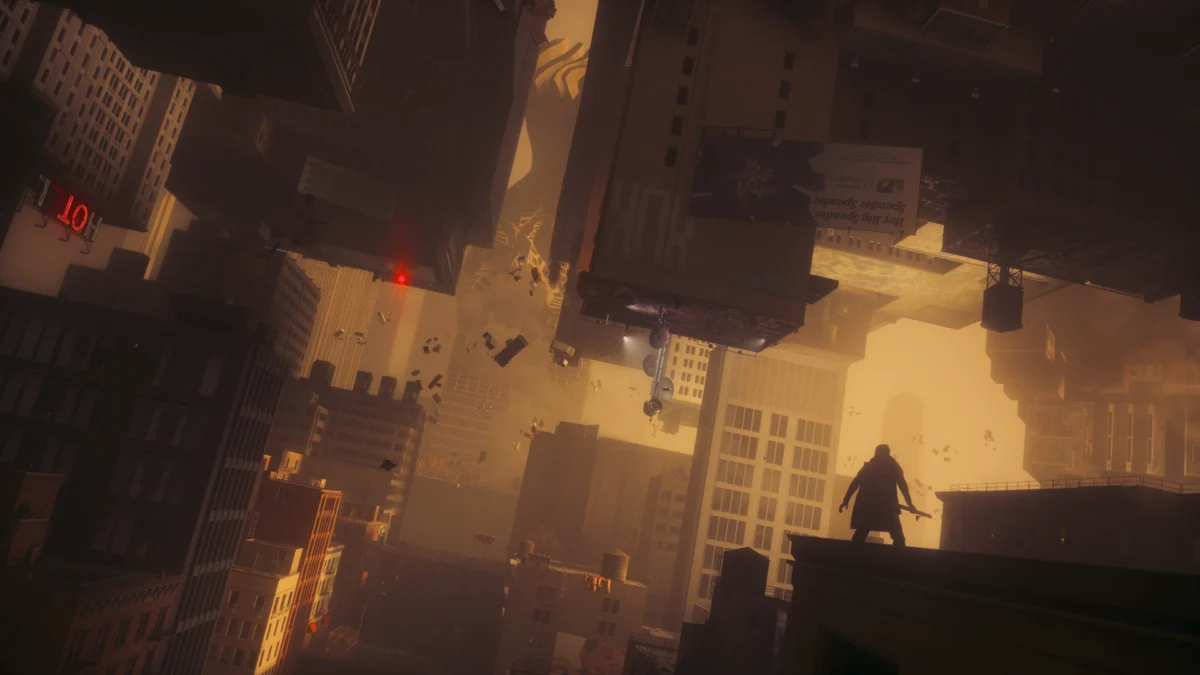
New York City has served as the canvas for countless digital apocalypses, from the rain-slicked streets of The Division to the sprawling, high-fidelity playground of Marvel’s Spider-Man. However, Remedy Entertainment’s latest outing, Control Resonant, approaches the iconic skyline with a surgical, surrealist scalpel. By bleeding the "New Weird" aesthetic of the Federal Bureau of Control (FBC) out of the brutalist confines of The Oldest House and into the bustling grid of Manhattan, Remedy has crafted an urban nightmare that defies both gravity and expectation.
Released on September 24, 2026, for PC, PlayStation 5, and Xbox Series X/S, Control Resonant is an ambitious expansion of the Control universe. It is a game defined by its contradictions: visually arresting yet often mechanically restrictive; narratively profound yet occasionally bogged down by repetitive combat loops.
The Chronology of Chaos
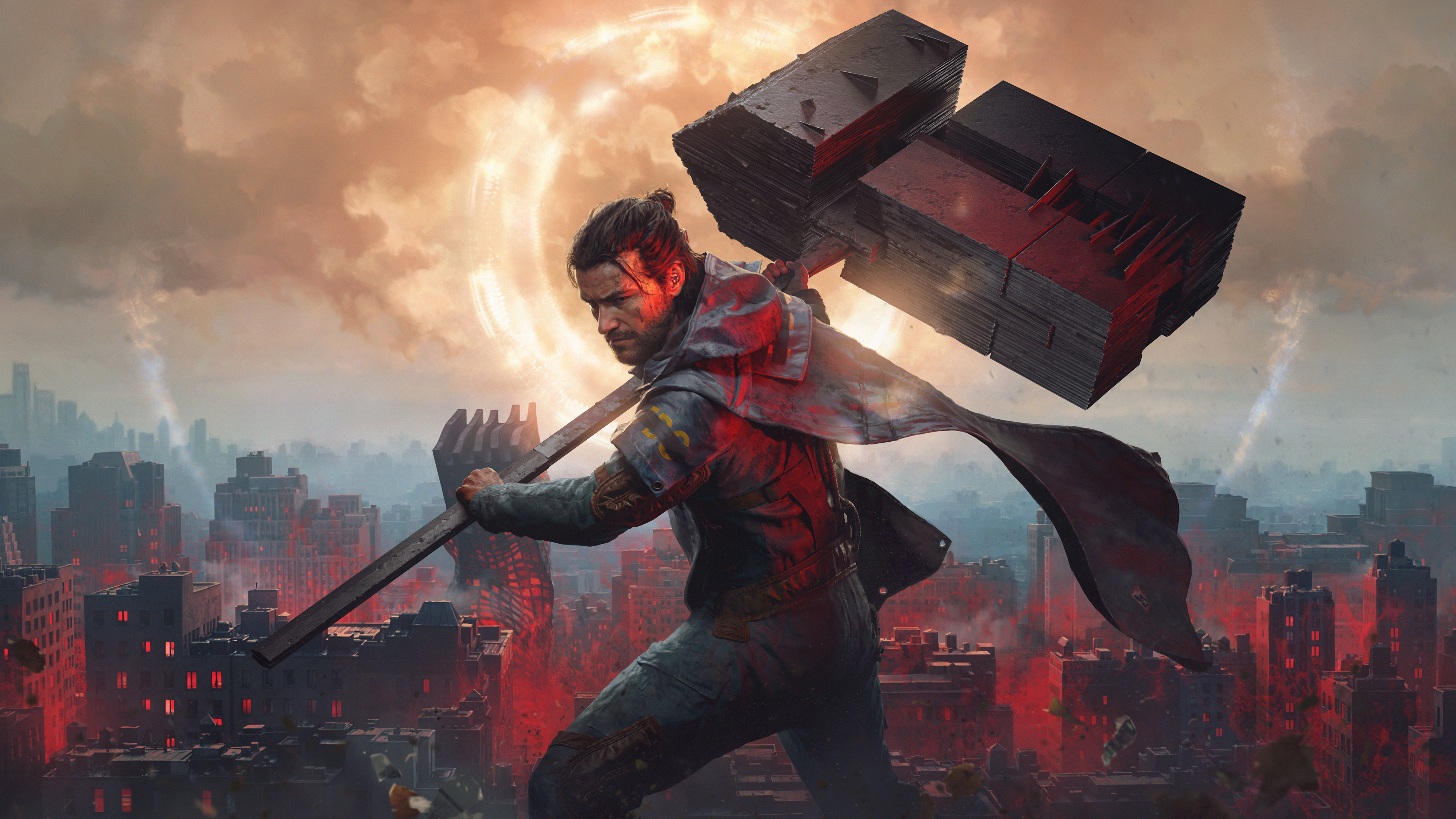
The narrative baton has been passed. In Control Resonant, players step into the shoes of Dylan Faden, the brother of the original game’s protagonist, Jesse Faden. While Jesse—now MIA—navigated the Bureau’s shifting corridors in the first title, Dylan’s journey is one of reclamation. Having spent the majority of the first game as a captive subject of the FBC’s inhumane experimentation, his perspective is one of trauma, clarity, and newfound power.
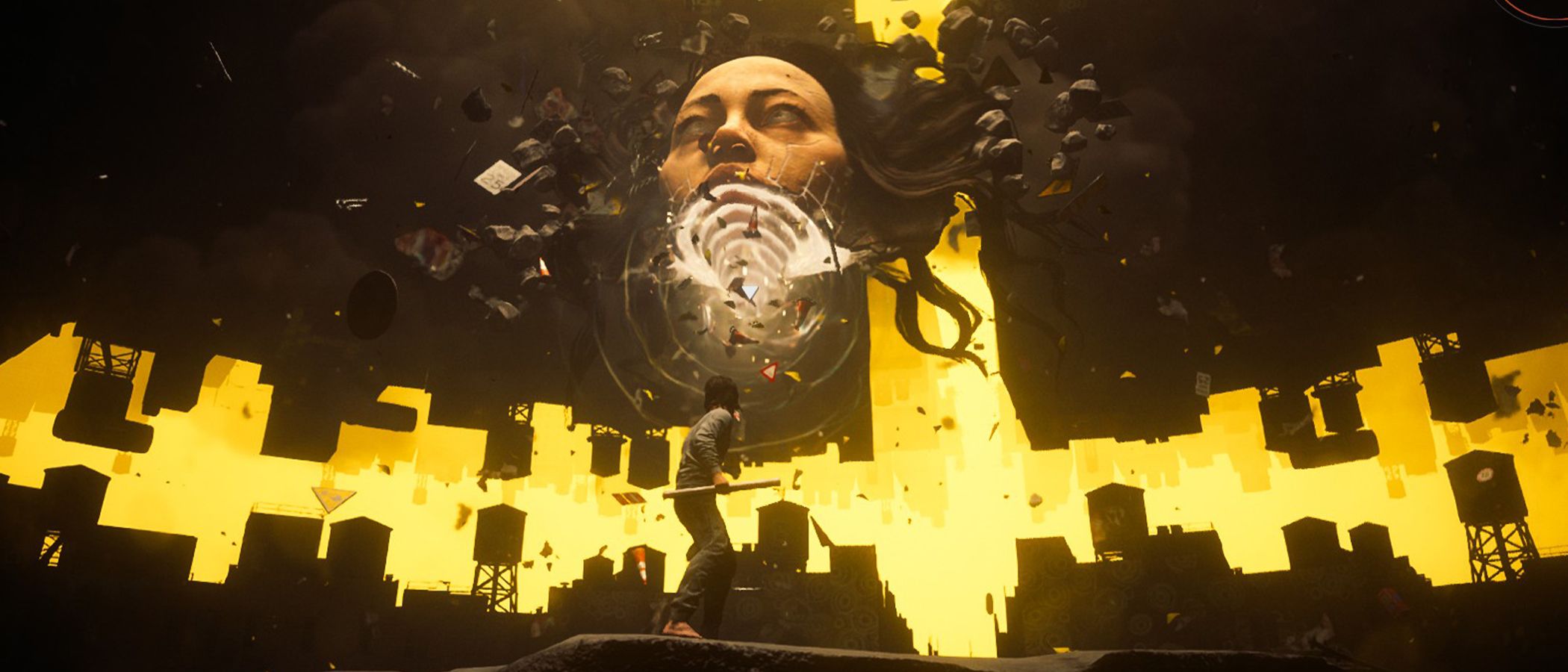
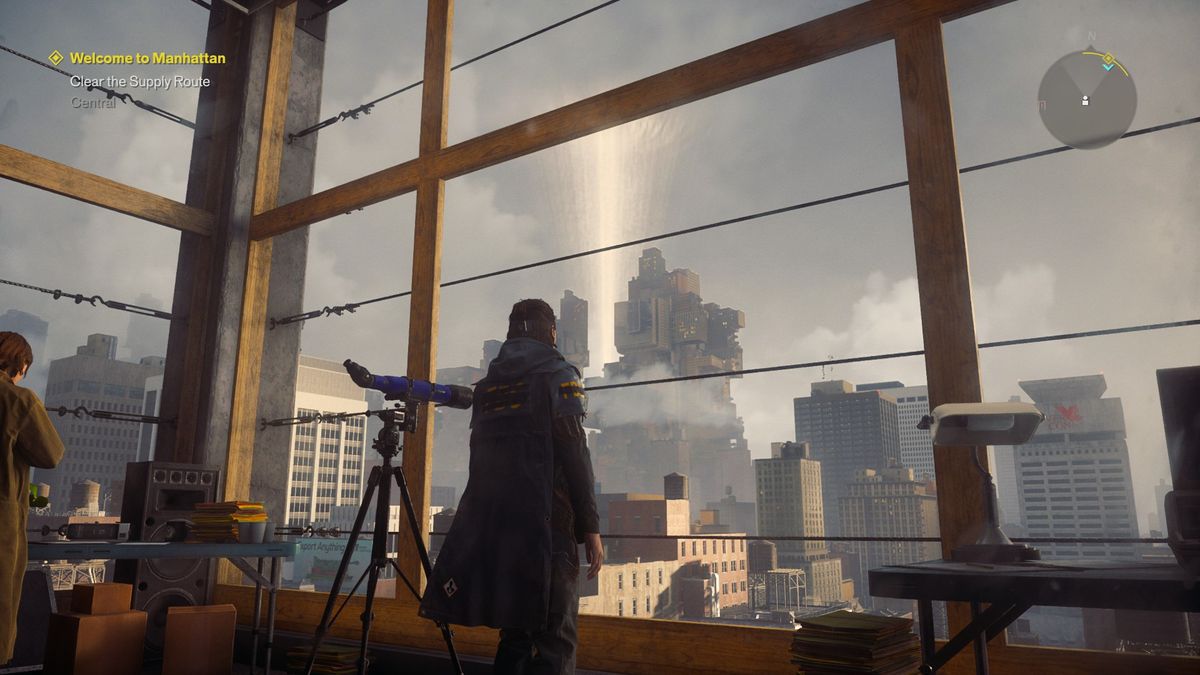
The story picks up as the paranatural entity known as "The Hiss" escapes its containment, infecting the city at large. The transformation is not merely a military occupation but an ontological shift. Streets buckle upward, skyscrapers refract into impossible geometries, and the very concept of "patterning"—a phenomenon that suggests an AI-driven, hallucinatory recreation of reality—turns the familiar New York landscape into a shifting, uncanny purgatory.
A Visual and Technical Odyssey
At the heart of the experience is Remedy’s proprietary Northlight Engine. The game serves as a technical showcase for what modern hardware can achieve when paired with artistic audacity. The engine fully incorporates path tracing, rendering environments that feel tangibly dense.
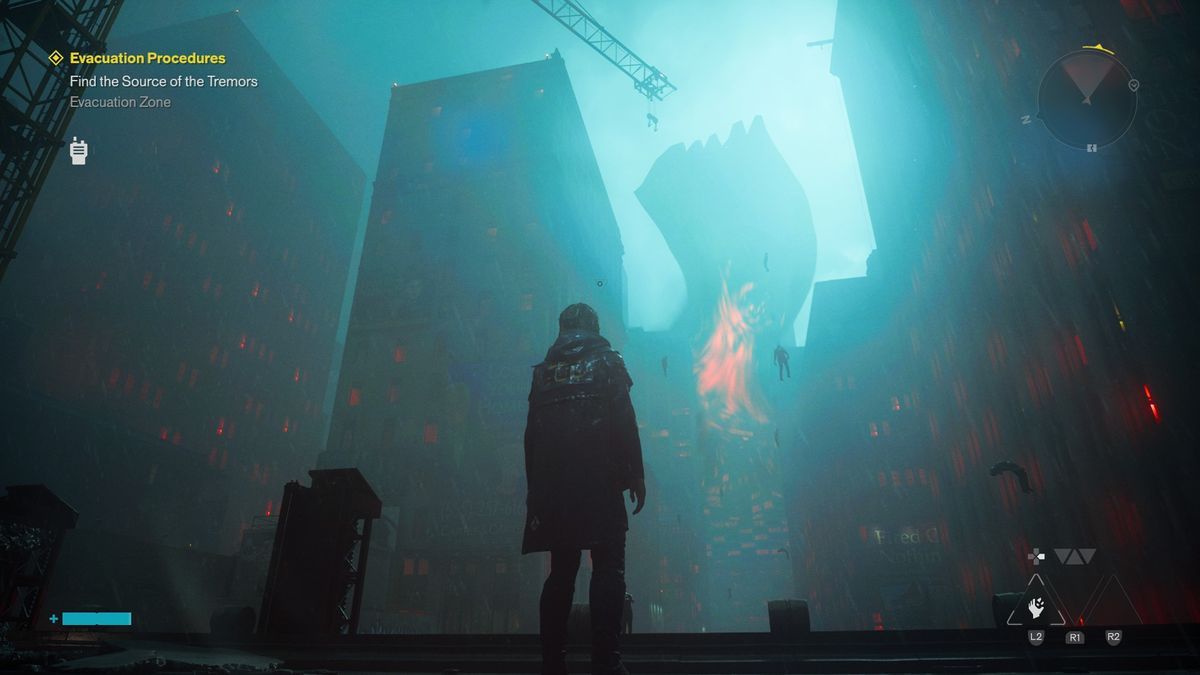
Even on modest hardware where ray tracing must be disabled to maintain a consistent frame rate, the art direction remains stellar. The juxtaposition of the mundane—the precise detail of a radiator in an apartment window or the flickering, nonsensical text on a billboard—against the otherworldly "Hiss" corruption creates a palpable sense of unease. The game avoids the "yellow paint" trope of modern navigation, trusting the player to decipher its architectural puzzles. However, this lack of hand-holding is a double-edged sword. While it rewards exploration, it frequently leads to aimless wandering, particularly in the later, more reality-defying segments where the traditional rules of geometry no longer apply.
Gameplay Mechanics: From Shooter to Scythe
The most significant departure in Control Resonant is the shift in combat philosophy. While the original Control felt like a tactical shooter, Resonant leans heavily into melee-focused, rhythmic combat.
Dylan’s weaponry—the shape-shifting "Aberrant"—allows for fluid, distinct playstyles. Players can opt for the sweeping, wide-reaching arc of a scythe or the precision-based, critical-hit potential of twin blades. This is augmented by a Mega Man-inspired progression system: upon defeating "Resonant" bosses, players inherit their paranatural abilities. Whether it is a protective shield or a devastating area-of-effect ground pound, these skills are customized within "The Gap," a stark, abstract mental plane that serves as a meditative contrast to the chaotic streets of New York.
The combat feels kinetic, drawing inspiration from high-octane action titles like Devil May Cry. With the camera pulled back to provide better situational awareness and an emphasis on aerial combos, the game avoids the tedious parry-heavy meta that currently dominates the action RPG genre.
Supporting Data: The "Sponge" Problem
Despite the mechanical depth, the game faces a critical hurdle: enemy pacing. The Hiss, while aesthetically varied—ranging from reality-warping entities to possessed city infrastructure like buses—often fall into the "damage sponge" category.
Combat encounters frequently feel like a war of attrition. Players often find themselves button-mashing through extended skirmishes, unable to execute the satisfying, choreographed finishers that the game’s combat system otherwise encourages. The level-scaling system, which ensures that as you grow stronger, your enemies gain health and resistance in tandem, can make the progression feel stagnant.
Remedy has wisely included a comprehensive suite of accessibility options. Players can adjust incoming and outgoing damage, or even toggle one-hit kills, without sacrificing their ability to earn achievements. While these tools allow players to curate their own experience, they also underscore a design flaw: the game’s default balance equates difficulty with duration rather than tactical complexity.

Official Responses and Creative Direction
Remedy Entertainment has positioned Control Resonant as a direct narrative evolution of the Control brand. Following the mixed critical reception of the multiplayer-focused FBC: Firebreak, Resonant acts as a return to the studio’s bread and butter: high-concept, narrative-driven single-player experiences.
The integration of mixed-media storytelling remains a cornerstone of the experience. The game features a haunting, original needle-drop soundtrack and the return of live-action segments, with Matthew Porretta reprising his role as the eccentric Dr. Casper Darling. Perhaps the most daring creative risk is a lengthy flashback sequence rendered in a 16-bit pixel art style, reminiscent of classic RPGs like Earthbound. It is a jarring, brilliant, and welcome curveball that proves Remedy’s commitment to experimental storytelling remains untarnished.
Implications for the Future of the Genre
Control Resonant is an essential experience for fans of surrealist fiction and the "New Weird" aesthetic. It manages to scale up the intimate horror of its predecessor to an entire city block, proving that Remedy is still a master of world-building.
However, the implications for the future of the series are clear: while the world-building and artistic vision are industry-leading, the combat design must evolve to match the fluidity of the movement. The reliance on repetitive, bullet-sponge encounters threatens to dilute the impact of the game’s most creative moments.
For those willing to engage with the accessibility settings or weather the occasionally repetitive combat, the game offers a rare, high-concept odyssey. It is a bold statement piece in an industry that often plays it safe. As the credits roll, one is left with the impression that while Control Resonant may have a few rough edges, its commitment to pushing the boundaries of what a video game can look and feel like is something to be celebrated.
Verdict Summary
- The Good: An unparalleled aesthetic vision, incredible world-building, and a highly customizable, experimental combat system that favors movement over static parrying.
- The Bad: Restrictive zone-based navigation that lacks adequate signposting; combat that occasionally feels like a tedious, high-health grind rather than a skill-based encounter.
Ultimately, Control Resonant is a testament to the fact that even when a game stumbles in its design, a powerful, coherent, and haunting artistic vision can elevate the entire experience into something truly unforgettable. It is a must-play for those who prefer their games to feel like a fever dream rather than a simulation.