NATIONAL REPORT — As families and educators gear up for the frantic transition from summer vacation to the structured rhythm of the new academic year, the perennial challenge of student organization has taken center stage. In response to overwhelming demand from parents, teachers, and students alike, lifestyle and organization platform Just a Girl and Her Blog has officially announced the release of its newly updated, comprehensive Free Printable Student Binder system.
Designed to combat the academic chaos that often accompanies the first day of class, the newly expanded collection aims to bridge the gap between heavy-handed digital tools and tangible, analog time-management methods. Featuring hundreds of customizable pages spanning multiple categories, the release arrives at a critical juncture when educational specialists emphasize the cognitive benefits of tactile planning for school-aged children and college students alike.
Main Facts: What the New Student Binder System Offers
The core of the newly launched system is its sheer versatility and modular design. Built to be housed inside a standard three-ring binder, the toolkit goes far beyond a basic daily planner, serving as a comprehensive archive for a student’s entire academic ecosystem.
Key components of the 2026–2027 collection include:
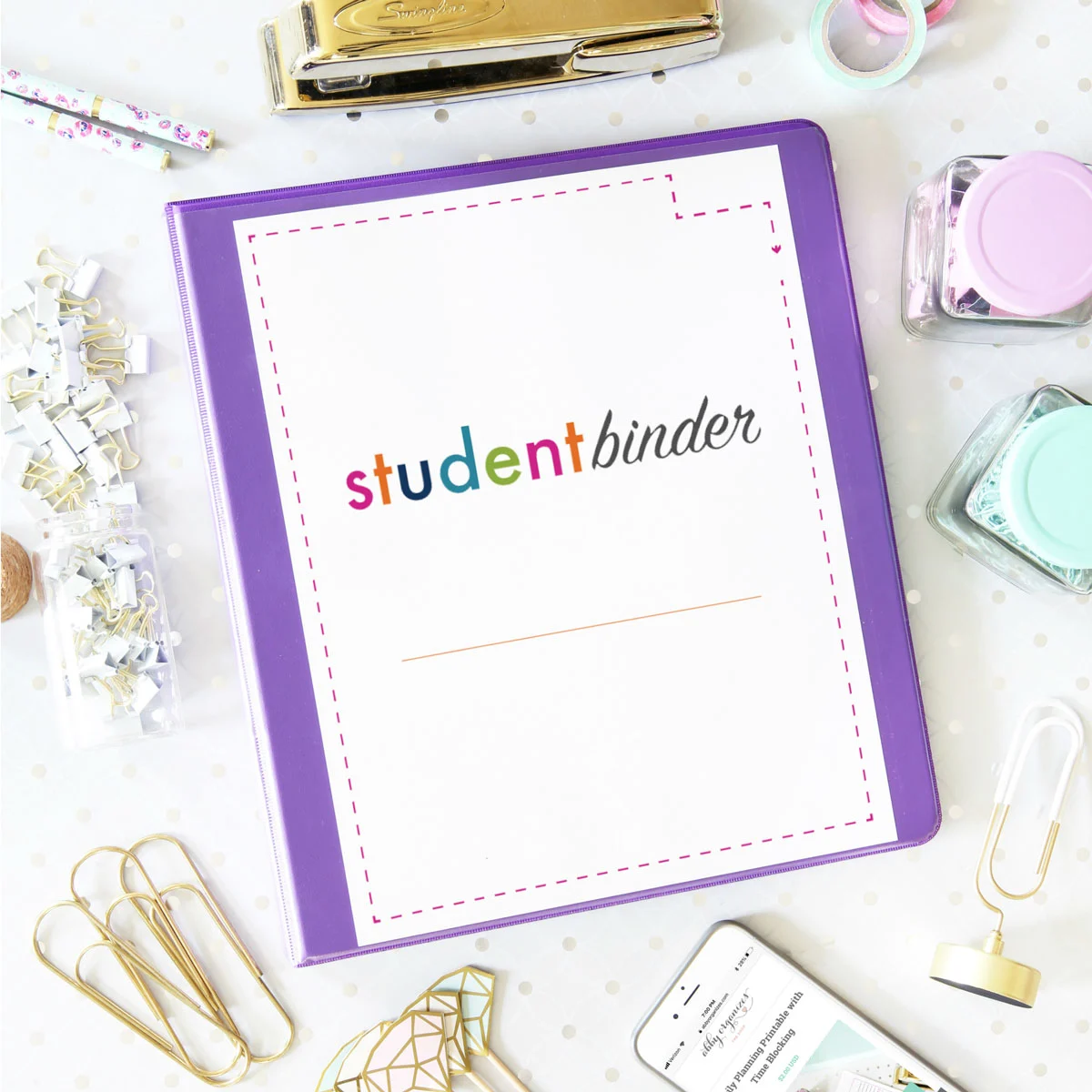
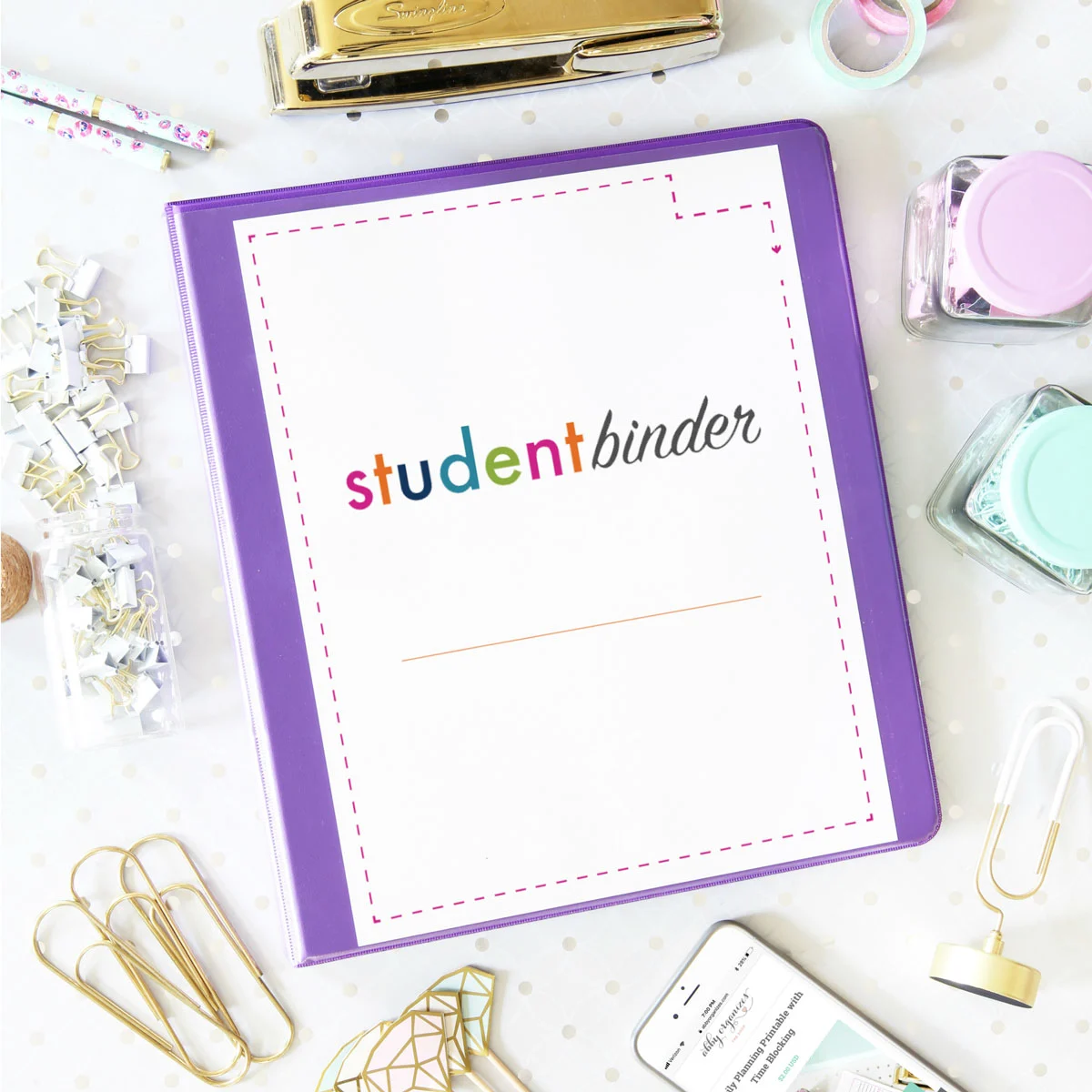
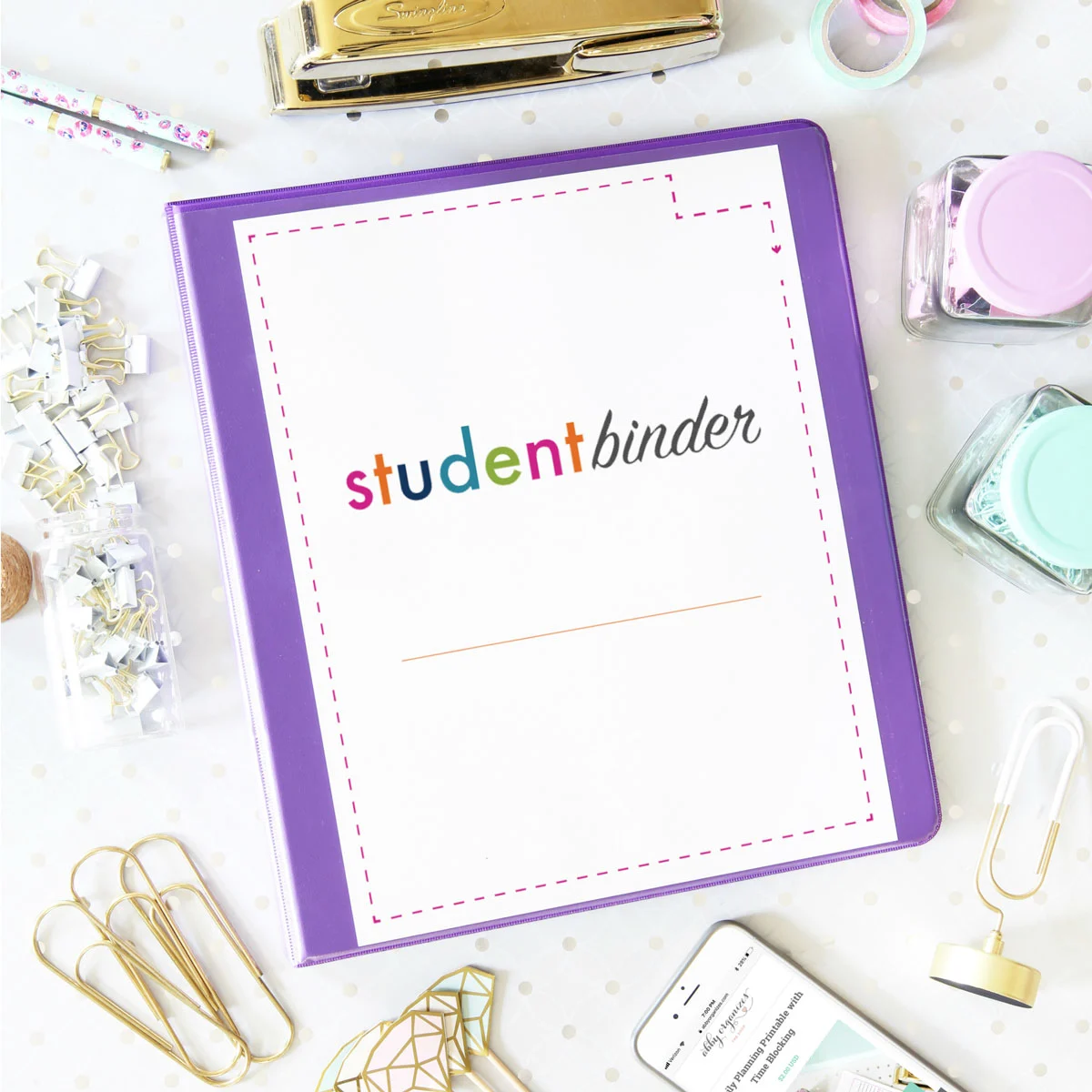
Customizable Aesthetic Covers: Heavy-duty, visually engaging binder covers designed to be printed on white cardstock for maximum durability, complete with designated spaces for student identification and emergency contact information.
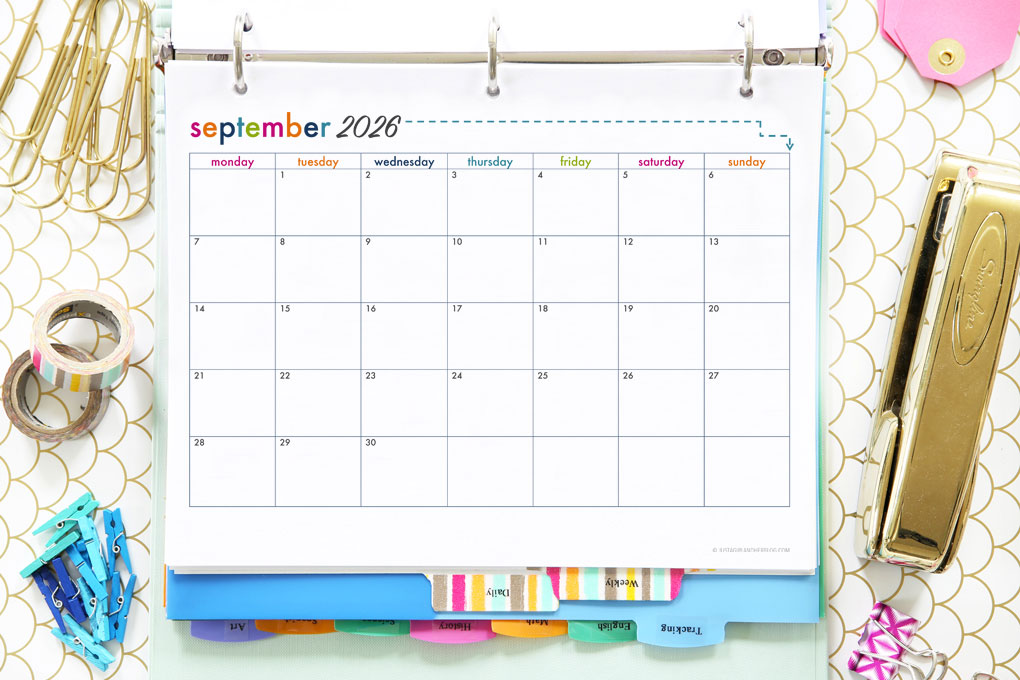
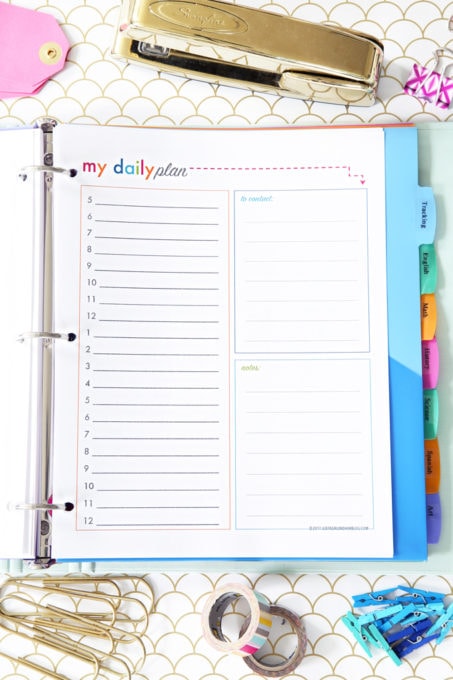
Planning and Scheduling Infrastructure: Dated monthly calendars running from July 2026 through December 2027, complemented by undated templates for perpetual use, class schedule trackers, and detailed time-blocking daily and weekly layouts.
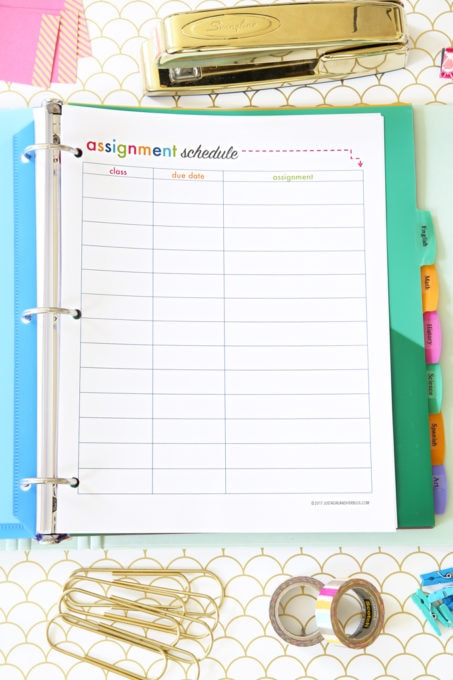
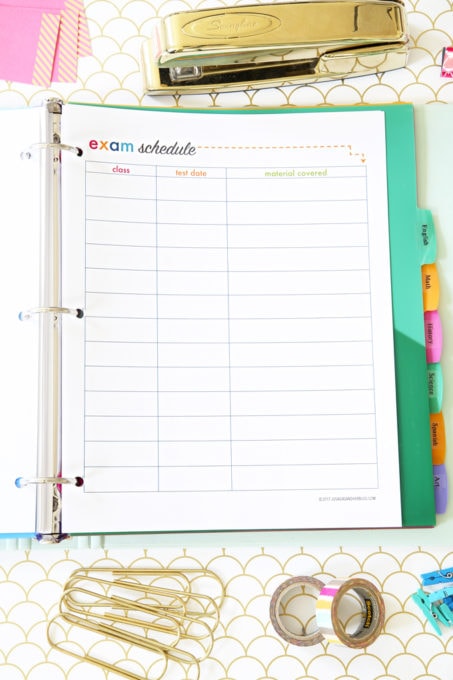
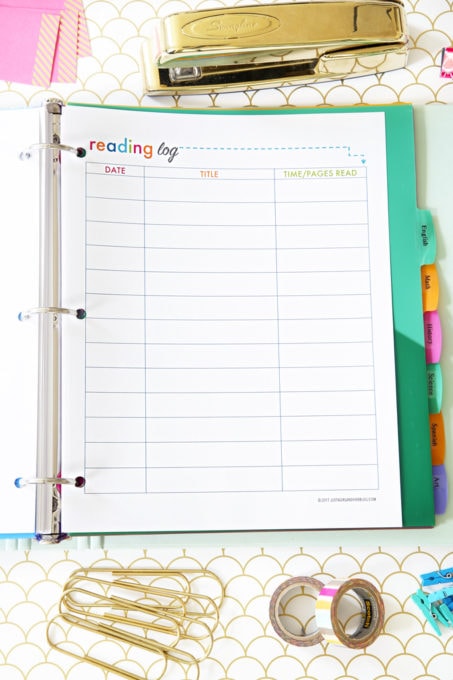
Academic Tracking Modules: Dedicated log sheets for monitoring assignments, upcoming examinations, cumulative grade tracking across distinct subjects, and extensive reading logs.
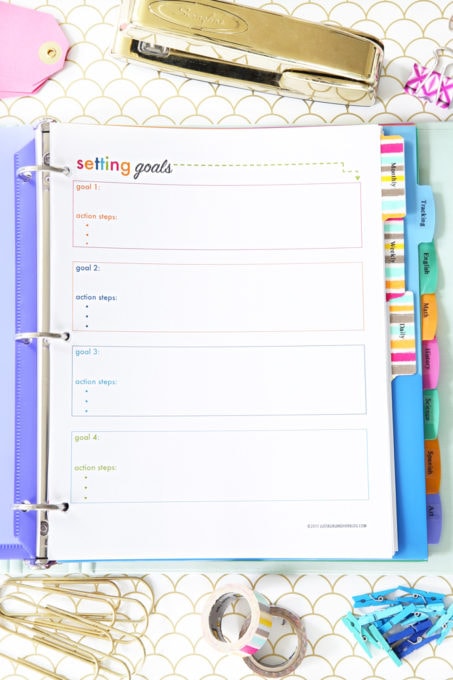
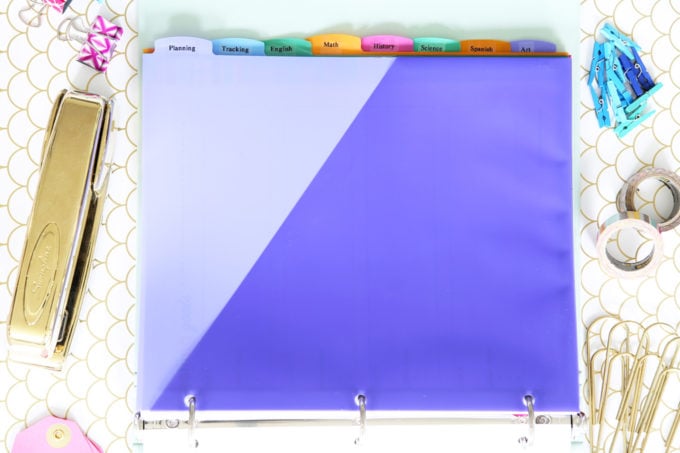
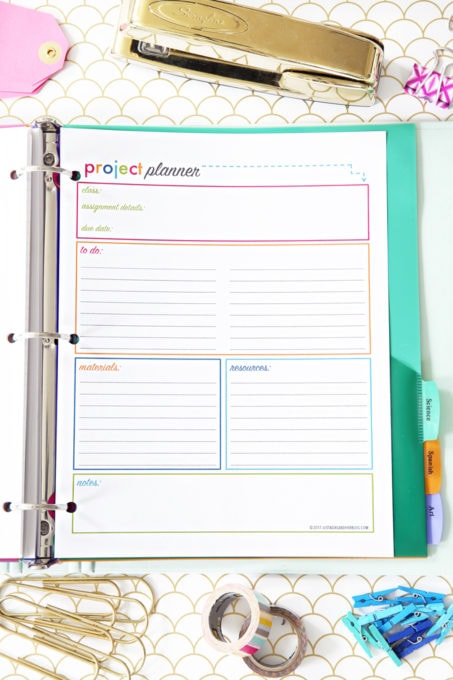
Subject-Specific Dividers and Project Planners: Modular tab inserts paired with notes pages and project planning workflows to break down complex multi-step assignments into manageable tasks.
Dual Color Schemes: Available in both bright, vibrant palettes and a secondary, cooler blue-toned aesthetic designed to accommodate diverse stylistic preferences.
Chronology: The Evolution of a Digital Organization Staple
The journey toward this year’s comprehensive release reflects years of user-driven development and community feedback.
2016 (Foundation): The initial framework of the student binder was published online, born out of a former English teacher’s desire to demystify complex academic syllabi and help students manage overwhelming workloads.
2018–2021 (Expansion and Customization): Following widespread adoption, users began requesting specialized layouts. This period saw the introduction of dedicated goal-setting sheets, routine trackers, and specialized time-blocking grids to match modern productivity trends.
2022–2024 (The Boy-Mom Request Era): A recurring critique from parents centered on the initial colorways leaning heavily toward traditional pink-centric palettes. In response, designers rolled out a secondary, gender-neutral blue color scheme, significantly expanding the user base among elementary, middle, and high school boys.
Late Summer 2025 – Present (The 2026–2027 Overhaul): Following months of direct inquiries from educators and parents asking, "When are you going to update the student binder?!" development teams finalized the rolling calendar updates (stretching through late 2027) and integrated them into the platform’s central Free Printable Library, which now houses over 300 distinct organizational pages.
Supporting Data: Why Analog Organization Still Matters in a Digital Age
While contemporary classrooms increasingly rely on learning management systems (LMS) like Google Classroom, Canvas, and digital tablets, educational psychologists and productivity experts continue to advocate for tactile organization tools.
The Cognitive Benefits of Physical Planning
Recent educational research highlights several key advantages of physical, paper-based student planners over entirely digital workflows:
Enhanced Retention: Studies consistently show that writing tasks, assignment deadlines, and lecture notes by hand activates motor regions of the brain associated with memory formation, leading to better long-term recall than digital typing.
Reduced Digital Fatigue: With screen time for school-aged children reaching unprecedented highs, physical binders offer a "low-tech" mental break, decreasing cognitive overload and minimizing digital distractions (such as notifications or open browser tabs).
Visual Progress Tracking: Physical grade trackers and assignment check-off lists provide a tangible sense of accomplishment. Seeing a physical column fill up with running grade totals or watching a project planner get checked off step-by-step fosters intrinsic motivation.
Accessibility and Equity
Another major driver behind the enduring popularity of printable organizers is economic accessibility. High-end commercial planners can often cost anywhere from $20 to $50 per academic year, placing a financial burden on families with multiple children. By offering a modular, free-to-print alternative, digital resource creators provide an equitable solution where families can print only the specific pages they need, reducing waste and out-of-pocket expenses.
Official Responses and Creator Insights
The driving force behind the platform, former English educator and organization specialist Abby Lawson, emphasized that the philosophy of the binder centers on simplicity and consistency rather than rigid perfectionism.
"I know I was always overwhelmed on the first day of class when I would get my syllabus from each teacher and immediately be bombarded by assignments and test dates," Lawson noted during the system’s rollout. "Everyone probably won’t need all of these different printables for planning their time, but I wanted to make sure I provided a bunch of different options so each person could choose the printable or printables that would work best for them."
Lawson also underscored the importance of integrating habit-building routines directly into the student’s day:
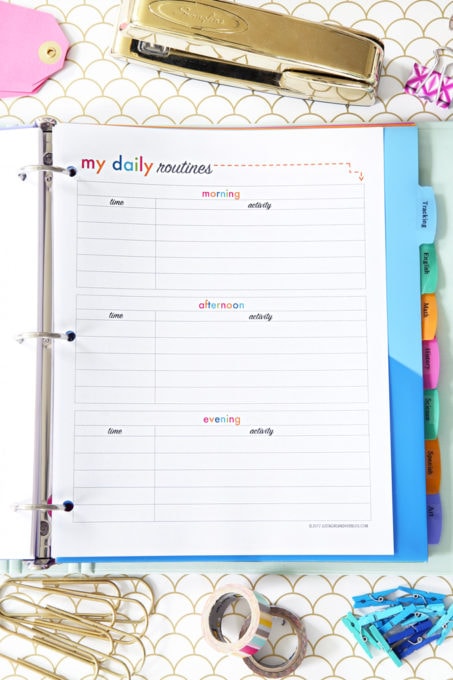
"Sometimes it’s helpful to clarify which items need to happen each morning—like packing a lunch or filling your backpack—afternoon, and evening. The student binder printables are simple, but when used consistently, they can truly help make your school year and your life so much easier."
Feedback from the user community has been overwhelmingly positive. Parents note that the system provides an invaluable training ground for executive function skills, teaching young learners how to independently manage long-term projects, track grades without end-of-quarter surprises, and advocate for their own academic success.
Implications: Preparing Students for Lifelong Success
The introduction of structured, comprehensive organizational systems at the primary and secondary education levels carries profound implications for long-term development. Executive dysfunction—the inability to plan, focus, remember instructions, and juggle multiple tasks—is frequently cited by educators as a primary barrier to student achievement.
By equipping students with clear frameworks for goal-setting, daily routine management, and subject-specific tracking early in the school year, tools like the printable student binder help foster critical life skills. These habits extend far beyond the classroom, laying the groundwork for professional time management, financial tracking, and personal organization in adulthood.
How to Access the System
Families, educators, and independent learners looking to implement the system can access the complete collection through the platform’s online Free Printable Library. By subscribing to the designated mailing list, users receive immediate digital access to both full color-scheme sets (bright multi-color and cool blue), allowing them to customize, print, and assemble their binders well ahead of the upcoming academic rush.
As the back-to-school season accelerates, tools that bridge the gap between structure and flexibility will undoubtedly remain essential resources for students striving to conquer their academic goals.