By Jake Peterson
September 9, 2026
The annual Apple September keynote has once again signaled a shift in the mobile landscape. Following months of intense speculation and industry leaks, Apple has officially unveiled its most ambitious hardware lineup to date. While the updates to the iPhone 18 Pro series and Apple Watch Series 12 represent a refined evolution of Apple’s core philosophy, the true centerpiece of this year’s event was the long-rumored entry into the foldable market: the iPhone Duo.
Main Facts: A New Era for Apple Hardware
The 2026 event was defined by a transition toward "Deep Intelligence" and physical hardware versatility. Apple has moved beyond incremental updates, focusing on thermal management, professional-grade camera control, and the integration of advanced neural processing across its entire ecosystem.

The headline announcement, the iPhone Duo, marks Apple’s first foray into the foldable smartphone segment. Priced at a premium $1,999, it is designed to bridge the gap between a portable handset and a tablet-like experience. Complementing this, the iPhone 18 Pro and Pro Max offer significant internal upgrades, specifically in the form of the 2nm A20 Pro chip, which promises desktop-class performance in a pocketable form factor.
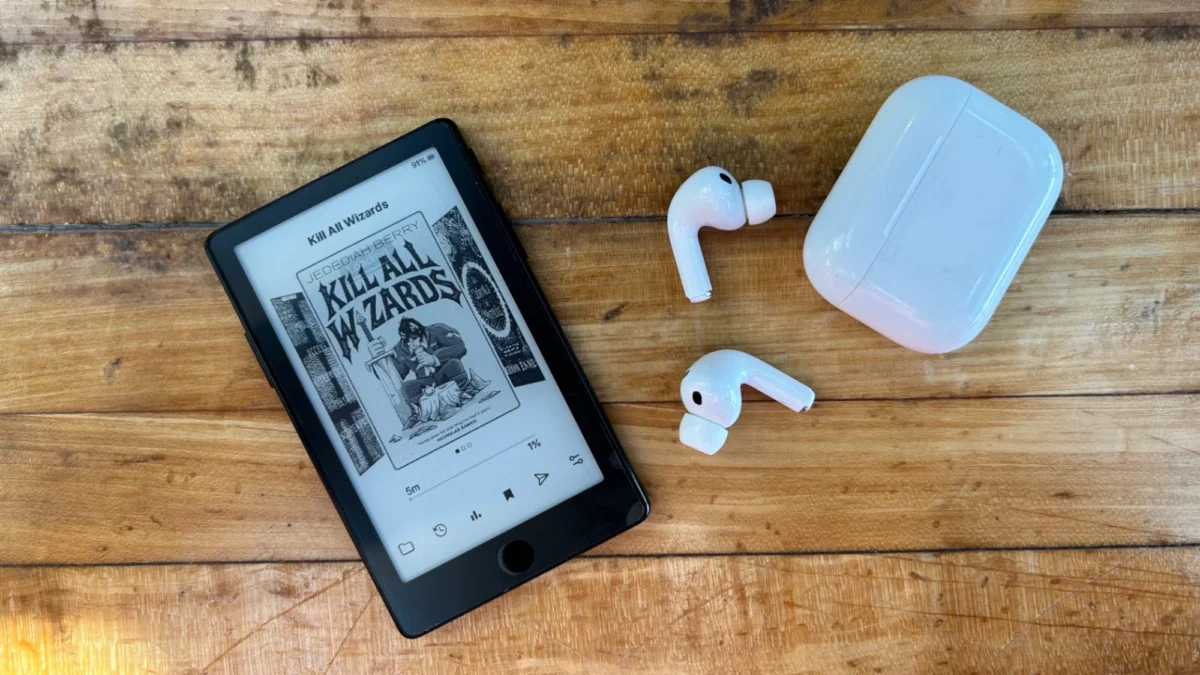
Rounding out the hardware are the AirPods 5, which now bring Active Noise Cancellation (ANC) to the base model, and the Apple Watch Series 12 and Ultra 4, which introduce a revolutionary "Health Sensing System" capable of medical-grade heart rate monitoring.
Chronology of the Announcement
The event began with a focus on the iPhone 18 Pro series, establishing the performance baseline for the year. Following the phone reveal, Apple pivoted to personal audio with the new AirPods, before shifting to the wearables segment with the Series 12 and Ultra 4 watches. The presentation concluded with a "One More Thing" style reveal of the iPhone Duo, which effectively served as the demonstration of Apple’s vision for the future of mobile multitasking.

The iPhone 18 Pro Series: Performance and Optics
The iPhone 18 Pro and 18 Pro Max maintain the familiar aesthetic of their predecessors but introduce a sophisticated color palette including Black, Silver, Glacier (deep blue), and Burgundy (dark red). Beyond the chassis, the internal architecture has undergone a complete overhaul.
The A20 Pro Chip
At the heart of the 18 Pro is the A20 Pro, a 2nm silicon masterpiece. Featuring a six-core CPU and a seven-core GPU, the chip offers a 20% increase in processing speed and 40% faster graphics performance compared to the A19 Pro. Crucially, Apple has integrated a larger vapor chamber—three times the surface area of the previous generation—to sustain this performance without throttling.
Camera Innovations
Apple has introduced a variable aperture system to the Pro line, allowing for physical control of light intake. This hardware change, paired with new software-level "Pro Controls," allows users to manually adjust white balance, shutter speed, and aperture without relying on third-party applications. Furthermore, the introduction of "Apple Reference Image" provides users with digital negatives, ensuring that even if AI-assisted edits are applied, the original sensor data remains recoverable.

The iPhone Duo: Bridging the Gap
The iPhone Duo is not merely a folding screen; it is a fundamental redesign of the iOS interface. When folded, the 5.4-inch outer display acts as a compact, passport-sized device. When unfolded, the 7.4-inch internal display reveals an iPad-inspired multitasking environment.
Multitasking and Hinge Engineering
The Duo utilizes an intricate hinge mechanism consisting of over 100 components. This allows the device to function in various "modes," such as a tented display for media consumption or a laptop-style configuration where the bottom half of the screen serves as a control deck. Drag-and-drop functionality between split-screen apps brings a level of desktop productivity previously unattainable on an iPhone.
Apple Watch: The Health Revolution
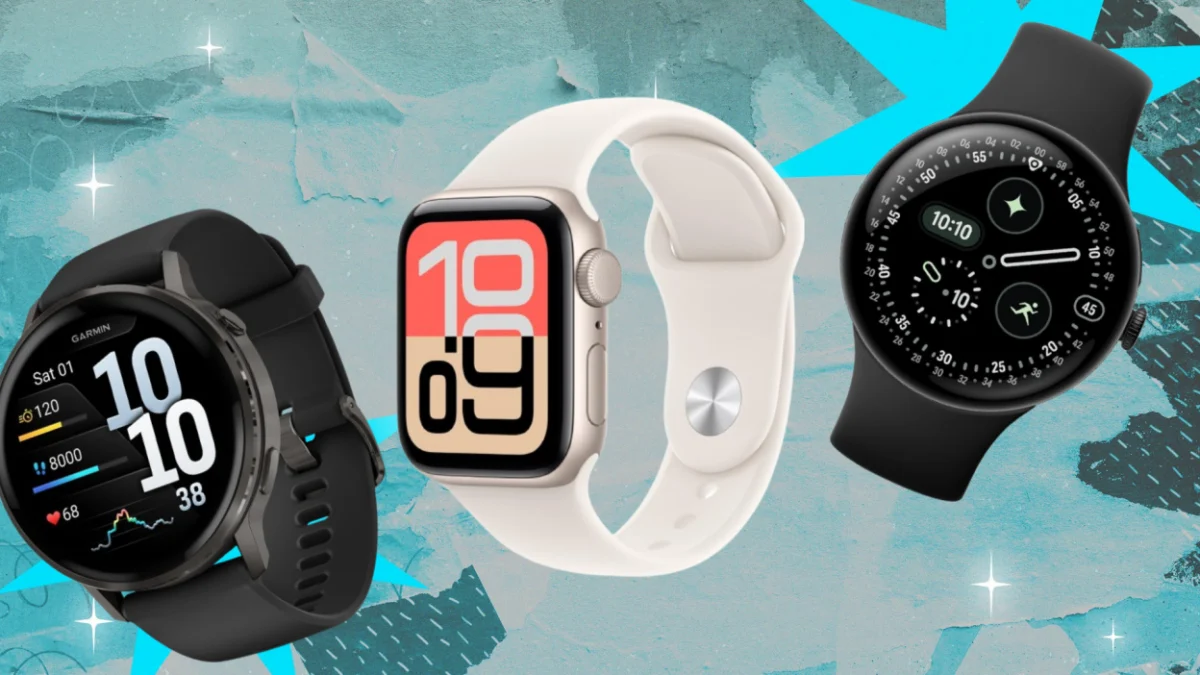
The Apple Watch Series 12 and Ultra 4 represent the most significant update to health tracking in years. By increasing the frequency of heart rate monitoring to every five seconds, Apple claims to have achieved the highest accuracy in wearable heart rate sensors.

The Readiness Metric
The "Readiness" score is a new analytical tool that synthesizes activity, sleep, and HRV (Heart Rate Variability) data to advise users on whether to push their bodies or focus on recovery. Coupled with the redesigned Health app and the "Health Age" metric, Apple is positioning the watch as a preventative diagnostic tool rather than just a fitness tracker.
Official Responses and Strategic Implications
Apple’s leadership emphasized that these products are designed with privacy at their core. The "Audio Intelligence" features on the new watches, which perform real-time sound recognition and transcription, were highlighted as being processed locally on the S11 chip. By keeping data encrypted and off-cloud, Apple continues to differentiate itself from competitors whose AI models often rely on server-side processing.
Economic and Market Impact
With the iPhone 18 Pro starting at $1,199 and the iPhone Duo at $1,999, Apple is testing the upper limits of consumer price elasticity. The company is betting that the shift toward "Pro" workflows—enabled by the A20 chip and the foldable form factor—will justify the high entry cost for power users and enterprise clients.

Implications for the Tech Industry
The 2026 announcements carry several broader implications:
- The End of the "Standard" Smartphone: By releasing the iPhone Duo, Apple has validated the foldable form factor as a legitimate category, likely forcing Android competitors to double down on their own hinge technologies.
- Silicon Supremacy: The leap to 2nm process technology in the A20 Pro puts Apple years ahead of many traditional laptop manufacturers, potentially blurring the line between "smartphone" and "workstation" even further.
- Preventative Health: The integration of medical-grade heart rate monitoring and injury recovery tracking suggests that the future of the Apple Watch lies in the clinical space.
- Audio Integration: By adding ANC to the base model AirPods 5 for $129, Apple is effectively commoditizing high-end audio features, making it difficult for third-party headphone manufacturers to compete in the mid-range market.
As these devices reach consumers in the coming weeks, the industry will be watching closely to see if the software ecosystem can fully leverage the complex hardware. If the iPhone Duo’s multitasking capabilities perform as seamlessly as the demonstrations suggest, Apple may have successfully redefined the mobile device for the next decade.
For now, the focus shifts to the pre-order dates: September 12 for the iPhone 18 Pro series, and October 16 for the highly anticipated iPhone Duo. Whether these devices will replace our laptops or simply become our most expensive habits remains to be seen, but one thing is certain: Apple’s trajectory is firmly set on a future where hardware and AI are inextricably linked.