
For many, the path to "adulting" is less of a straight line and more of a winding, often rocky road. For Michael and Brian, a couple residing in central Connecticut, the journey toward stability has been marked by career transitions, unexpected life hurdles, and a nagging sense that despite their professional achievements, they are falling behind. As they approach their 10-year anniversary, the couple has opened their financial books to the public, seeking a roadmap to move from a cycle of debt to permanent financial freedom and homeownership.
The Human Element: Meet Michael and Brian
At 34, both Michael and Brian are firmly established in their careers. Michael serves as a project coordinator for a state behavioral health agency focused on youth services, supplementing his income through advocacy and disability leadership work. A brain injury survivor who has navigated significant mental health challenges, Michael finds deep personal meaning in his professional contributions.

Brian, a quality assurance manager at a state-run hospital, has navigated a diverse career path from the corporate world to the non-profit sector and finally to public service. Together, they share their lives with two kittens in a charming, industrial-style apartment in a converted mill. While they have built a comfortable life, they are currently grappling with the psychological weight of "financial shame"—a feeling that they are behind their peers, lacking the land ownership and robust savings they envisioned for their mid-thirties.
A Chronology of Financial Upheaval
The couple’s current anxiety is rooted in the volatility of the past 18 months. In August 2022, they were living in a cozy, affordable studio, planning for a future that included homeownership. However, the shifting economic landscape of 2022 and 2023 forced a change in plans.

Navigating a brutal rental market, they spent three months searching for a new home while simultaneously managing unexpected, high-cost veterinary bills for their new kittens. This transition—from a low-cost, long-term living situation to a higher-rent, larger space—strained their cash flow. While Brian successfully paid off $58,000 in student loans several years ago, the couple now finds themselves carrying $28,259 in consumer debt, creating a sense of urgency that has stalled their long-term goals.
Supporting Data: The Financial Snapshot
To provide context for their situation, a breakdown of their income and liabilities is essential.

Household Income
The couple brings in a combined annual gross income of $167,544, resulting in a net take-home pay of approximately $109,455. Their household budget is structured as follows:
- Brian’s Salary: $2,344.36 net per pay period.
- Michael’s Primary Income: $1,066 net per pay period.
- Michael’s Side Hustle: $703.61 net per pay period.
Liabilities and Assets
The couple’s current debt load consists entirely of credit card balances, totaling $28,259. While they possess a total of $91,250 in assets—including retirement accounts, a small pension fund, and personal savings—these assets are currently underutilized as a buffer against debt.

Their monthly expenditure is $8,035. A significant portion of this goes toward debt repayment ($2,000) and essential living costs. However, their discretionary spending—which includes dining out, home goods, and travel—is where the primary opportunity for optimization lies.
Expert Analysis: The "Frugalwoods" Perspective
Financial experts analyzing the couple’s case note that Michael and Brian are, in fact, in a stronger position than they believe. The perception of being "behind" is often a product of social comparison rather than objective financial reality.
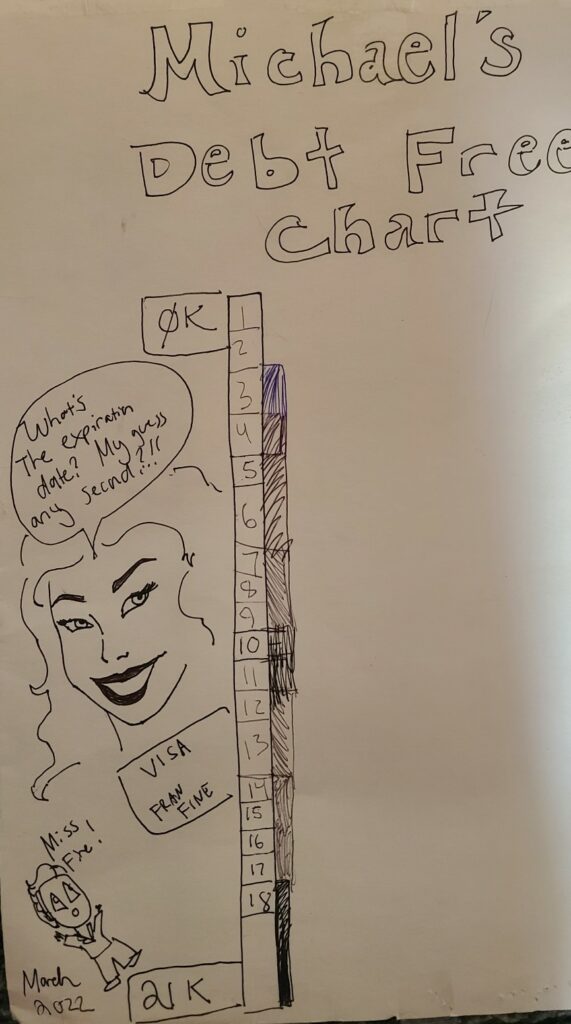
Step 1: Rigorous Expense Tracking
The first pillar of recovery is visibility. The couple is currently spending roughly $96,414 annually. By implementing a strict tracking system—using tools like Empower or simple spreadsheets—the couple can identify the "leakage" in their budget. The recommendation is a "spending detox": the elimination of all non-essential discretionary spending for a set period.
Step 2: Aggressive Debt Elimination
The $28,259 in credit card debt is the most pressing issue. With current payment plans, the couple is on track to pay off the debt, but they have the potential to accelerate this. By slashing discretionary spending, they could theoretically increase their debt repayment capacity to over $4,000 per month, effectively clearing all high-interest debt in less than seven months.

Step 3: Prioritizing the "Emergency Fund"
Once the debt is cleared, the focus must shift to building a robust emergency fund. The couple’s current $9,000 in savings covers only one month of expenses. A safer target would be 3–6 months of living expenses, held in a high-yield savings account, to ensure that future "surprises"—like car repairs or veterinary bills—do not result in a return to credit card usage.
Implications for Future Goals
Michael and Brian’s long-term objectives—homeownership, marriage, and potential graduate education—are contingent on changing their financial habits today.

The Homeownership Trap
While the desire to buy a home is strong, the experts caution against rushing into the market. A mortgage is a massive, long-term commitment that requires a stable foundation. Prioritizing retirement contributions and a solid down-payment fund is essential before seeking a property.
The Education Question
Brian is considering a graduate degree to advance his career. However, the consensus is clear: education should only be pursued if there is a guaranteed, documented, and significant correlation to an increase in future salary. If the degree is for personal fulfillment, it should be treated as a luxury purchase rather than a career investment.

The Retirement "Triple Crown"
Brian and Michael are in an excellent position regarding retirement, with access to a 403b, a 457, and a pension. These are powerful tools. The recommendation is to increase contributions to these tax-advantaged accounts to the maximum allowable limits. This not only reduces current tax liability but secures their future, effectively offsetting concerns regarding the potential instability of Social Security.
Conclusion: A Path Forward
The narrative of Michael and Brian is one of transition. They are not defined by their debt, but rather by their ability to recognize the need for change. By shifting from a mindset of "spending based on income" to "investing based on goals," they can bridge the gap between their current reality and their future aspirations.

The road ahead requires discipline, particularly in the next six months. By adopting a "no-spend" mentality, aggressively clearing their credit card balances, and establishing a rigorous, automated savings plan, the couple will not only achieve their goal of being debt-free but will also build the mental and financial confidence necessary to enter the next decade of their lives with security and peace of mind. As the saying goes, money is just one component of a well-lived life, but managing it correctly provides the freedom to define what that life looks like.