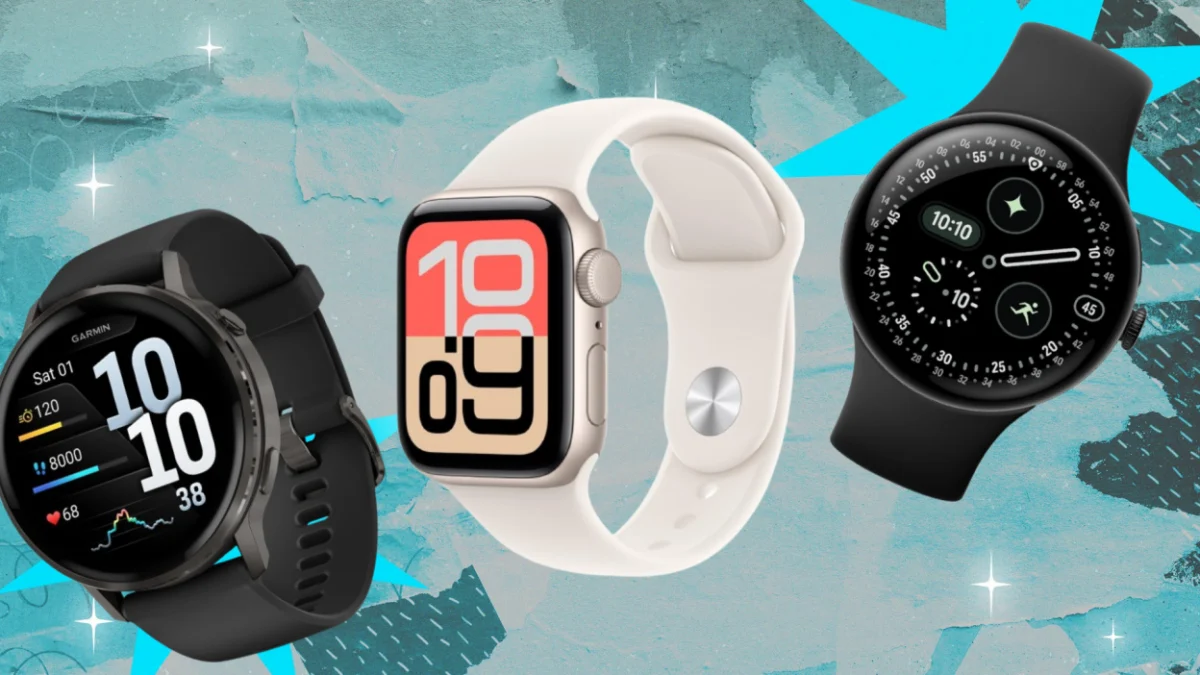
Choosing a smartwatch as a gift in 2026 is a task that requires more than just picking the latest model off the shelf. With a crowded market, the decision is less about technical specifications and more about ecosystem compatibility. Because modern wearables are deeply integrated into the mobile experience, the "best" watch is almost entirely dictated by the smartphone currently in the recipient’s pocket.
This guide provides a comprehensive breakdown of the current landscape, focusing on value, performance, and specific use cases for the most popular platforms.
Main Facts: The Ecosystem Rule
The cardinal rule of the 2026 smartwatch market is simple: Do not cross the streams. Apple Watches are designed exclusively for iPhone users, while Android-based watches—like the Pixel Watch and Galaxy Watch—are optimized for their respective brands. While some cross-compatibility exists, it is often limited, resulting in a degraded user experience.
When selecting a gift, you are not just buying a piece of hardware; you are buying an extension of the user’s digital life. Prioritizing compatibility ensures the recipient can enjoy seamless text messaging, health data syncing, and app integration from the moment they strap the device to their wrist.
Chronology: The Evolution of 2026 Wearables
The wearable tech sector has seen a steady, iterative progression over the last two years.
- Early 2025: The industry focused on AI integration, with major players introducing "Readiness" scores and generative AI assistants (like Gemini and Apple Intelligence) directly to the wrist.
- Late 2025: Battery life optimization became the primary selling point. Manufacturers shifted away from "more features" toward "more reliability," moving to higher-density batteries and more efficient chipsets (such as the S11 and W5 Gen 2).
- September 2026: The current market represents the peak of this refinement cycle. Devices launched this month, such as the Apple Watch Series 12 and the Samsung Galaxy Watch 9, focus on subtle health monitoring enhancements—like blood pressure and insulin resistance tracking—rather than drastic hardware redesigns.
Supporting Data: Why "Mid-Range" is the New Premium
Data from the current market suggests that flagship models often offer diminishing returns for the average consumer. For instance, the Apple Watch SE 3 provides the core experience—sleep tracking, vitals, and fitness monitoring—at a price point significantly lower than the Series 12.
| Model | Battery Life (Typical) | Best For | Ecosystem |
|---|---|---|---|
| Apple Watch SE 3 | 18–32 hours | General Users | iOS |
| Apple Watch Ultra 4 | 50 hours | Athletes/Adventurers | iOS |
| Pixel Watch 4 | 30–40 hours | Pixel Users | Android |
| Galaxy Watch 8 | 30 hours | Samsung Users | Android |
| Garmin Venu 4 | 4–12 days | Dedicated Athletes | Multi-platform |
The cost-to-performance ratio heavily favors the "previous generation" devices (like the Pixel Watch 4 or Galaxy Watch 8) because their software feature sets are virtually identical to the 2026 flagship iterations.
Official Insights and Recommendations
1. The Best All-Rounder: Apple Watch SE 3
For the vast majority of iPhone users, the Apple Watch SE 3 is the superior choice. It features the S10 chip, which is more than capable of handling watchOS 26 and 27. It includes heart rate monitoring, cycle tracking, and robust sleep metrics. While it lacks the ECG and blood oxygen sensors found in the Series 12, most casual users will find the standard vitals tracking sufficient. Its fast-charging capability—0% to 80% in 45 minutes—makes it a low-maintenance companion.
2. The Athlete’s Choice: Apple Watch Ultra 4
For those involved in extreme sports or high-intensity training, the Apple Watch Ultra 4 is unmatched. Its ruggedized design, 3,000-nit display, and 100m water resistance make it a beast. The introduction of the "Readiness" app and the S11 chip allows for deeper analytical insights into recovery and training load, making it a critical tool for serious competitors.

3. The Pixel Experience: Google Pixel Watch 4
Google users should lean toward the Pixel Watch 4. While the Pixel Watch 5 is available, the 4 remains the value king. It features a 3,000-nit AMOLED display, emergency satellite connectivity, and integrated Gemini AI. The software experience—including Google Health Coach and advanced sensor arrays—is nearly identical to the newer flagship, making the 4 a smarter financial decision.
4. The Samsung Ecosystem: Galaxy Watch 8
Samsung users will find the Galaxy Watch 8 to be the optimal bridge between their phone and wrist. Running on the Exynos W1000 chip, it offers 32GB of storage and a high-brightness display. It shines in its specialized health features, such as stress alerts and sleep apnea tracking. It serves as the perfect partner for a Galaxy smartphone, offering a seamless interface that non-Samsung devices simply cannot match.
5. The Fitness Specialist: Garmin Venu 4
If the recipient’s priority is fitness over "smart" features, the Garmin Venu 4 is the gold standard. It offers an incredible battery life of up to 12 days (with the Always-On display disabled). It provides granular data for runners, including stride length, ground contact time, and VO2 max. While it lacks the deep text-response integration for iPhone users, its utility for health-conscious users across both Android and iOS is unparalleled.
Implications of Current Technology
The shift toward "AI-first" wearables in 2026 has significant implications for privacy and data usage. Features like "Audio Intelligence" and persistent heart-rate monitoring mean these devices are gathering more intimate data than ever before.
Consumers should be aware that gifting a smartwatch is, in effect, gifting a biometric data collection device. When choosing a brand, consider the manufacturer’s stance on data privacy. Companies like Apple and Garmin have historically leaned into on-device processing, whereas Google and Samsung often leverage cloud-based AI to provide their "coaching" and "readiness" scores.
Furthermore, the "future-proofing" of these devices is now tied to processor efficiency. As AI models become more complex, older chips will struggle to run new software updates. While the 2026 models are impressive, expect a significant jump in performance by 2028, meaning these gifts are likely intended for a 2-3 year usage cycle.
Conclusion: Making the Right Call
When buying a smartwatch in 2026, ignore the marketing hype surrounding "latest and greatest" hardware refreshes. Focus on the ecosystem:
- iPhone user? Go with the SE 3 for daily use or the Ultra 4 for athletics.
- Pixel user? The Pixel Watch 4 provides the best value.
- Samsung user? The Galaxy Watch 8 is the most logical integration.
- Pure Athlete? The Garmin Venu 4 is the only choice that puts performance and battery life above all else.
By aligning the device with the user’s existing mobile environment, you ensure that the gift is not just a gadget, but a genuinely helpful tool that integrates into their daily routine.