
In an era defined by contactless payments, digital transactions, and ubiquitous online advertising, teaching children the tangible value of money has become a significant challenge for modern parents. For the Frugalwoods family, a household known for its intentional living approach in Vermont, the solution isn’t found in high-level investment theories or complex stock market simulators. Instead, it is rooted in the simple, visceral, and often "annoying" realities of everyday consumerism.
By treating the county fair, the school book fair, and the local restaurant as classrooms, parents are finding that the best way to prepare children for the adult financial world is to demystify money as a tool, not a concept.
The Core Philosophy: Needs vs. Discretionary Spending
The Frugalwoods’ approach to financial literacy is built on a "Family Money Philosophy" that is as transparent as it is rigid. The fundamental boundary is drawn between needs and wants. Under this system, the parental unit assumes full financial responsibility for the essentials of life: clothing, shelter, books, games, education, healthcare, and wholesome family meals.

However, the line is drawn clearly at discretionary spending. If a child desires a trinket at a museum gift shop, a specific treat at a restaurant, or an extra book from the Scholastic fair, they are required to use their own funds. This binary structure—parent-funded survival versus self-funded desire—creates a low-stakes environment where children can experience the immediate consequences of their purchasing decisions.
Chronology of Financial Maturity: From Chores to Consequences
The development of this financial curriculum is not instantaneous; it evolves alongside the child’s cognitive ability to process value.
Phase 1: The Earning Stage
The foundational lesson begins with labor. By assigning household chores that carry a "fair market value," parents shift the child’s perspective from money as a mysterious resource that magically appears to money as a product of work.

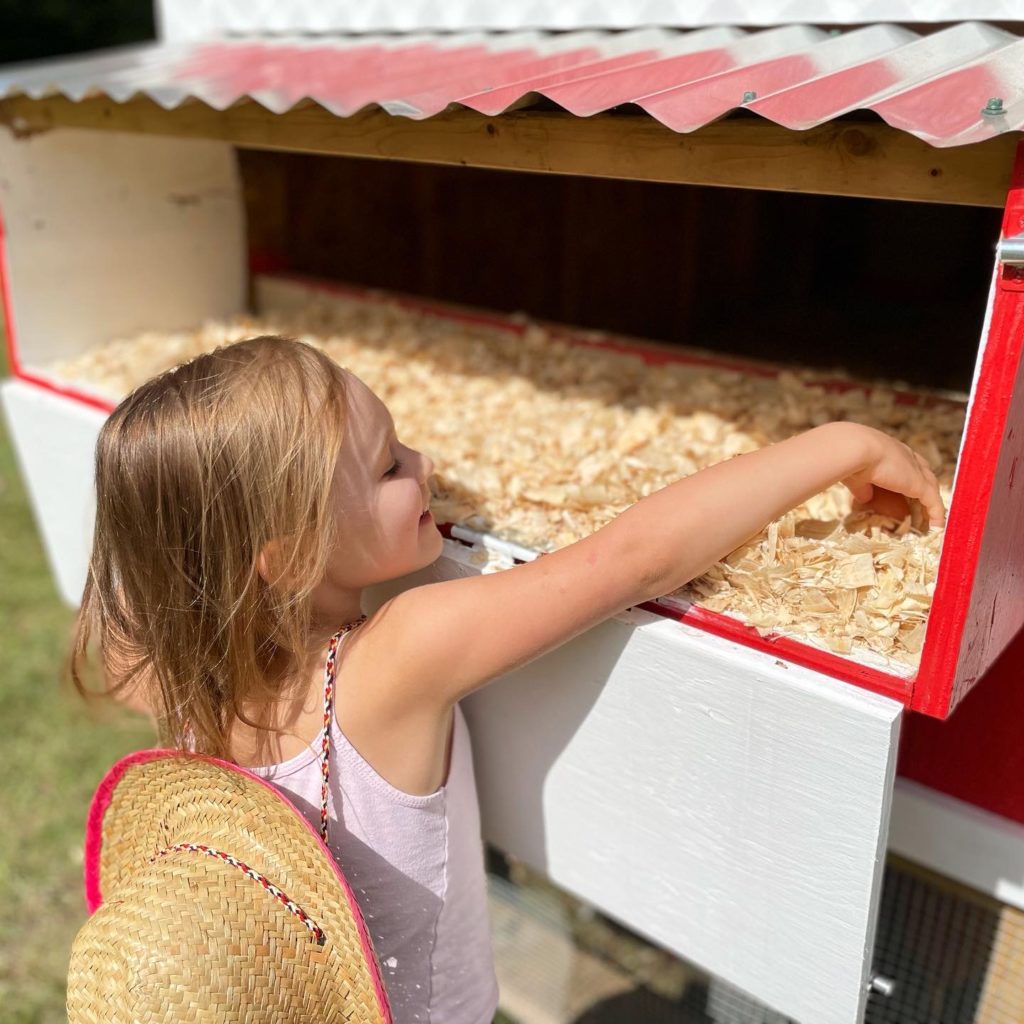
The system distinguishes between "Daily Unpaid Work"—tasks that maintain the family unit, such as cleaning one’s room or collecting eggs—and "Paid Chores," such as organizing complex kitchen cabinetry. This distinction ensures that children understand that being a member of a family involves contributions, while additional wealth is earned through specific effort.
Phase 2: The Responsibility Stage
Once money is earned, it must be managed. The transition from receiving a payment to the physical act of storing it in a wallet is the first step in financial ownership. When a child misplaces a wallet containing their hard-earned cash, it serves as a critical, albeit painful, lesson in personal responsibility. The realization that money lost is often money gone forever is a lesson that sticks more effectively than any lecture on fiscal prudence.
Phase 3: The "Debt" Lesson
Perhaps the most controversial, yet effective, pillar of this philosophy is the allowance of debt. In a notable instance, a child wished to purchase a $13 toy while possessing only $9. The parents allowed the purchase, provided the remaining $4 was treated as a loan to be repaid through mandatory chores.
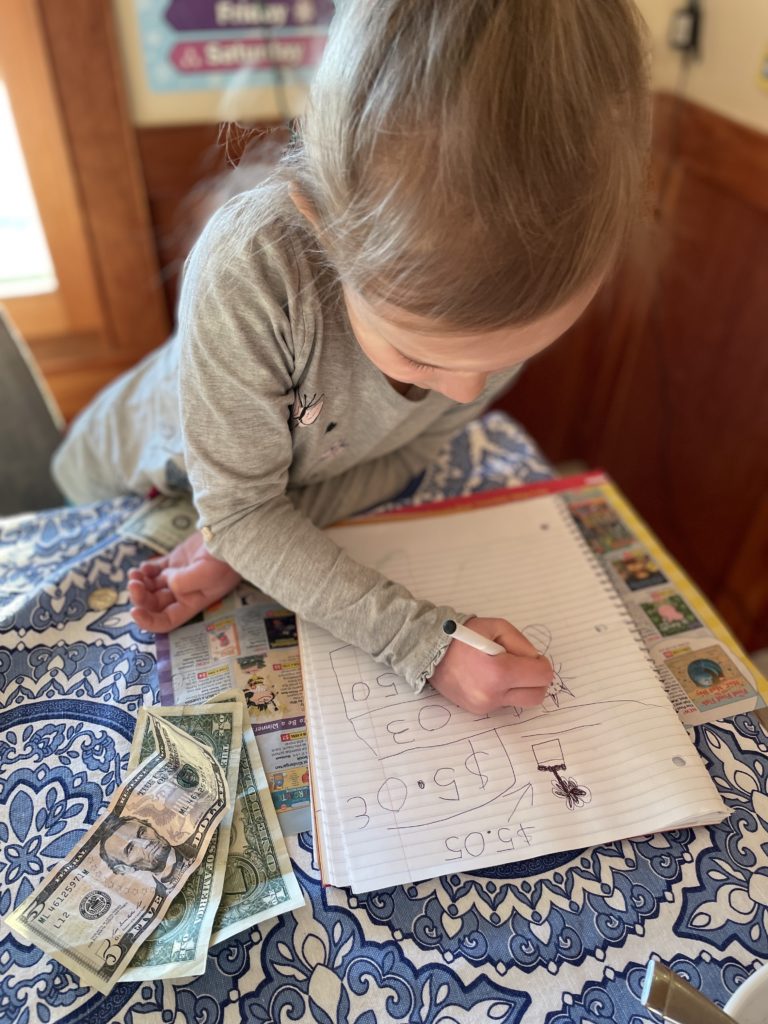
The child’s subsequent realization—that working to pay for a toy already sitting on the shelf is "not fun"—provided a visceral, real-world understanding of the burden of debt. It is a lesson in delayed gratification and the high cost of interest-free borrowing, providing a safeguard against future financial pitfalls.
Supporting Data: The Mechanics of Real-Life Learning
Financial literacy experts often point to "experiential learning" as the gold standard for childhood development. According to developmental psychologists, children between the ages of 5 and 7 are in a prime position to learn basic arithmetic through money.
- Denominations and Counting: By handling cash, children develop a physical sense of what $5 represents versus $1.
- Comparison Shopping: By navigating a book fair flier or a store catalog, children practice the art of evaluating price versus quality.
- The "Cost of Labor" Equation: Explaining that a grocery bill represents a specific number of hours worked by a parent demystifies the "bottomless wallet" fallacy that many children naturally harbor.
This transparency removes the anxiety often associated with family finances. When parents explain that they work to earn money, which is then allocated to groceries and clothes, they frame the family budget as a logical, manageable system rather than a source of stress.
Expert Perspectives and Official "Parental" Responses
Critics of paying for chores often argue that it turns family life into a transaction, potentially eroding the altruistic nature of household help. However, proponents of the Frugalwoods method argue that the differentiation between "daily help" and "extra chores" protects the family unit’s integrity.
When asked about the potential for boredom or resentment regarding chores, the parents emphasize the agency of the child. They allow for negotiation: if a child feels a chore is undervalued, they are encouraged to present a counter-offer. This teaches the basics of salary negotiation and contract law on a micro-scale.
Furthermore, the "professionalization" of the parent’s job in the eyes of the child is a powerful byproduct. When a child observes their parent in a meeting and identifies that the parent is "helping people with their money" while drinking coffee, the child begins to view work as a serious, albeit sometimes tedious, component of adult life.

Implications for Future Financial Health
The ultimate goal of this early exposure is to shift the child’s perception of money from a status symbol to a tool for achieving goals. The implications of this are profound:
- Reduced Financial Anxiety: By stripping away the mystery of how a household operates, children are less likely to experience "money trauma" or irrational fears about scarcity.
- Autonomous Decision-Making: By the time these children reach adolescence, the concepts of saving, budgeting, and the consequences of debt will be second nature, rather than abstract concepts to be learned during the high-stakes environment of college or early adulthood.
- The Savings Frontier: Looking ahead, the introduction of a "Bank of Parental Units" that pays interest serves as the next scaffold in their financial education. Moving from spending-on-demand to saving-for-future-growth is the final hurdle in creating a financially literate adult.
Conclusion: Money as a Tool for Life
The Frugalwoods approach is not about creating tiny accountants or obsessed savers; it is about creating empowered individuals. By allowing children to feel the weight of their own wallets, the frustration of a lost dollar, and the sting of working off a debt, parents are providing the most valuable asset of all: experience.
As the children grow, these lessons will inevitably evolve. The $7 dessert splits and the $4 unicorn loans will eventually give way to high-yield savings accounts and real-world budgeting. But the core lesson—that money is a tool to be earned, respected, and used with intention—remains a constant. In a world of digital abstraction, bringing the financial education back to the physical, tangible, and personal level is perhaps the most important gift a parent can offer.