In a landmark shift for the digital well-being and productivity landscape, the popular journaling platform Day One has announced a major strategic pivot. Effective immediately, all users—regardless of subscription status—can now create an unlimited number of journals. This move effectively removes the "journal count" barrier that previously sequestered multi-faceted organization behind a paywall, signaling a new era of inclusivity for one of the most widely respected diary applications on the market.
The Evolution of Digital Introspection: The Core Announcement
For over a decade, Day One has functioned as a digital repository for millions of users, ranging from casual memory keepers to professional writers and mental health advocates. Historically, the platform operated on a "freemium" model where free users were limited in their ability to categorize their lives into distinct journals.
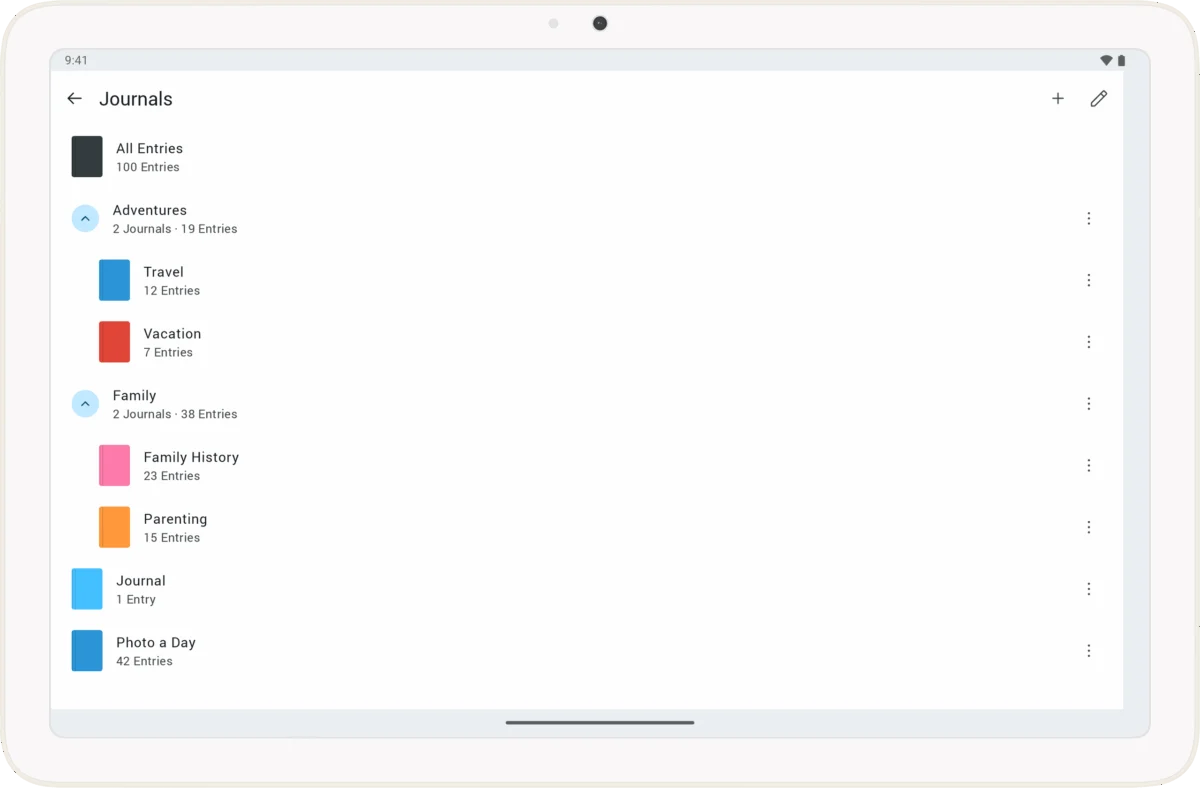
The announcement, delivered via the company’s official blog, confirms that this limitation is now a relic of the past. Whether a user is documenting professional milestones, cataloging fitness journeys, tracking travel experiences, or maintaining private spaces for daily reflections, they are no longer tethered to a single or limited-count journal structure.
"We believe that everyone deserves the freedom to journal the way they want," the company stated in its official press release. "Whether that’s documenting everyday moments, organizing thoughts across different areas of life, or sharing meaningful entries with others, we’re excited to share a big change: all Day One users can now create unlimited journals, no Premium upgrade required."
A Chronology of Accessibility
To understand the significance of this shift, one must look at the recent trajectory of Day One’s development.
- Early 2024: The platform began experimenting with more fluid UI designs, focusing on "intentional" journaling.
- Late 2024: Internal data suggested that users who maintained multiple journals—one for work, one for home, one for health—showed significantly higher retention rates and higher levels of satisfaction with the product.
- May 2025 (The Current Rollout): Day One released version 2025.11, which serves as the technical backbone for this update. The update was synchronized across iOS, Android, and Web platforms simultaneously, ensuring that no segment of the user base was left behind during the transition.
- The Future: With this update, the barrier to entry for "multi-journaling" has been effectively demolished, allowing the company to pivot its focus toward premium feature sets like AI transcription and cloud-heavy media storage.
The Science of Segmented Journaling: Why This Matters
The decision to open up unlimited journals is not merely a feature update; it is a response to the growing psychological research regarding cognitive offloading. Behavioral scientists have long suggested that "compartmentalization" can be a powerful tool for stress reduction and mental clarity.
By allowing users to create separate, dedicated spaces for different aspects of their lives, Day One is facilitating a practice known as "contextual journaling." When a user separates their work-related tasks from their emotional reflections, the brain is better able to shift gears between these two mindsets.
Enhanced Organizational Intent
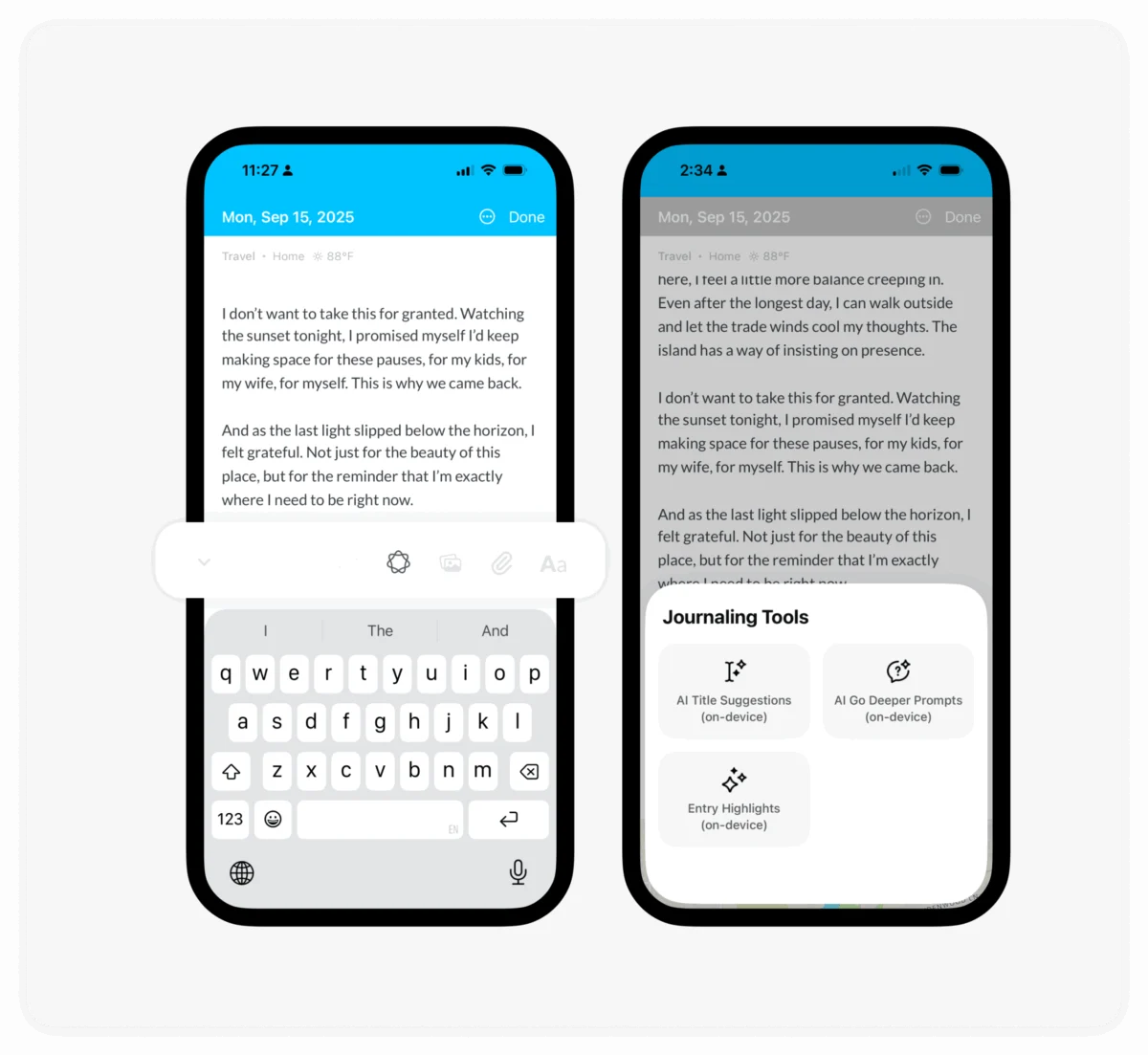
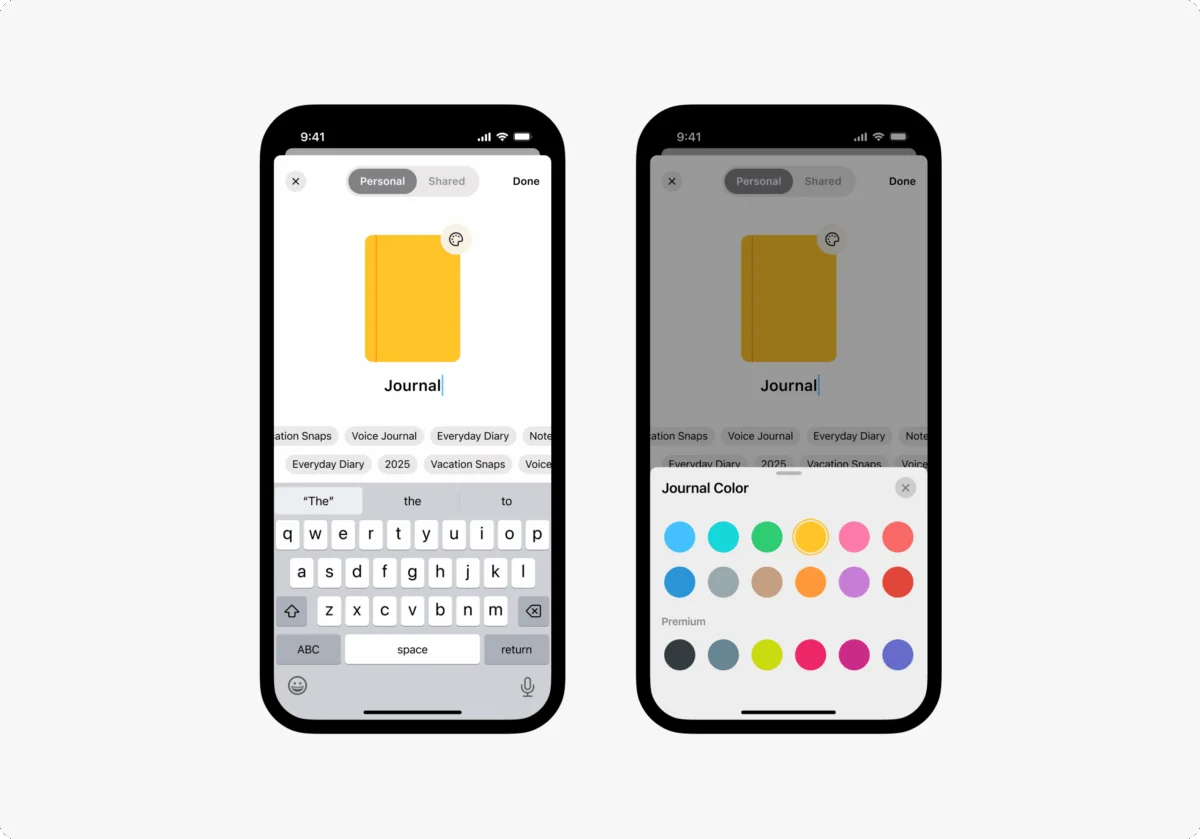
The update includes a completely redesigned "journal creation flow." This interface now offers intuitive, AI-suggested naming conventions based on popular user patterns. If a user is struggling to define their writing focus, the app now provides templates and category prompts. This removes the "blank page syndrome" that often prevents new users from establishing a consistent habit.
The Rise of Collaborative Memory
Perhaps the most understated aspect of this update is the democratization of "Shared Journals." Previously, the collaborative features of Day One were often gated behind premium tiers. Now, every user can create a space for shared reflection. This has massive implications for:
- Families: Keeping a shared journal for milestone tracking of children.
- Couples: Maintaining a joint gratitude log or travel diary.
- Professional Teams: Documenting project retrospectives or collaborative creative brainstorming sessions.
Bridging the Gap: Data and Policy Implications
While the "unlimited" aspect is the headline, the company has been careful to maintain a distinction between its free and premium tiers. The technical implementation of shared journals is particularly nuanced.
According to the official guidelines, shared journals operate on a "plan-based capability" model. For example, if a user on a free plan invites a Premium user to a shared journal, the Premium user retains the ability to upload high-resolution videos and large audio files, while the free user is restricted by their own storage and file-type limitations. This prevents a "free-rider" issue while ensuring that the collaborative environment remains functional and equitable.
The Strategic Value of the "Freemium" Model
Industry analysts view this as a sophisticated move by Day One to increase its "stickiness." By removing the friction associated with organizing thoughts, the platform increases the likelihood that a user will integrate the app into their daily workflow. Once a user has populated five or six different journals with years of memories, they become heavily invested in the platform—making them more likely to upgrade to a Premium subscription later for features like end-to-end encrypted cloud backup, unlimited media uploads, and advanced search filters.
Official Stance: A Note to the Power Users
A common concern during such updates is the reaction of existing paid subscribers. Will they feel "devalued" if features they previously paid for are suddenly free?
Day One’s leadership addressed this directly in their official statement. They emphasized that while the number of journals is no longer a differentiator, the quality and depth of the experience remain exclusive to the Premium tier.
"Thank you for supporting Day One as a Premium subscriber," the company noted. "While unlimited journals are now available to all users, Premium remains the best way to get the most out of Day One. With unlimited photos and videos, multi-device sync, audio recording, transcription, and more, Day One Premium gives you the freedom to journal without limits. Your support also helps us keep building a world-class journaling experience for everyone."
This reinforces the current industry standard: Free tiers are for habit-building and entry-level utility; Premium tiers are for "power users" who require professional-grade tools like advanced transcription, cloud storage, and robust cross-platform synchronization.
The Broader Implications for the Digital Journaling Market
The move by Day One is likely to force competitors—such as Journey, Diarium, and Apple’s native Journal app—to reassess their own subscription models. Apple’s recent foray into the journaling space with its native iOS app has undoubtedly increased pressure on third-party developers to prove their value proposition.
By opening the gates to unlimited journals, Day One is signaling that it is confident in its superior UI, its deeper feature set, and its cross-platform accessibility. They are betting that once a user discovers the power of organized, multi-contextual journaling, they will eventually move toward the professional features offered in the paid subscription, rather than leaving for a competitor.
Conclusion: How to Get Started
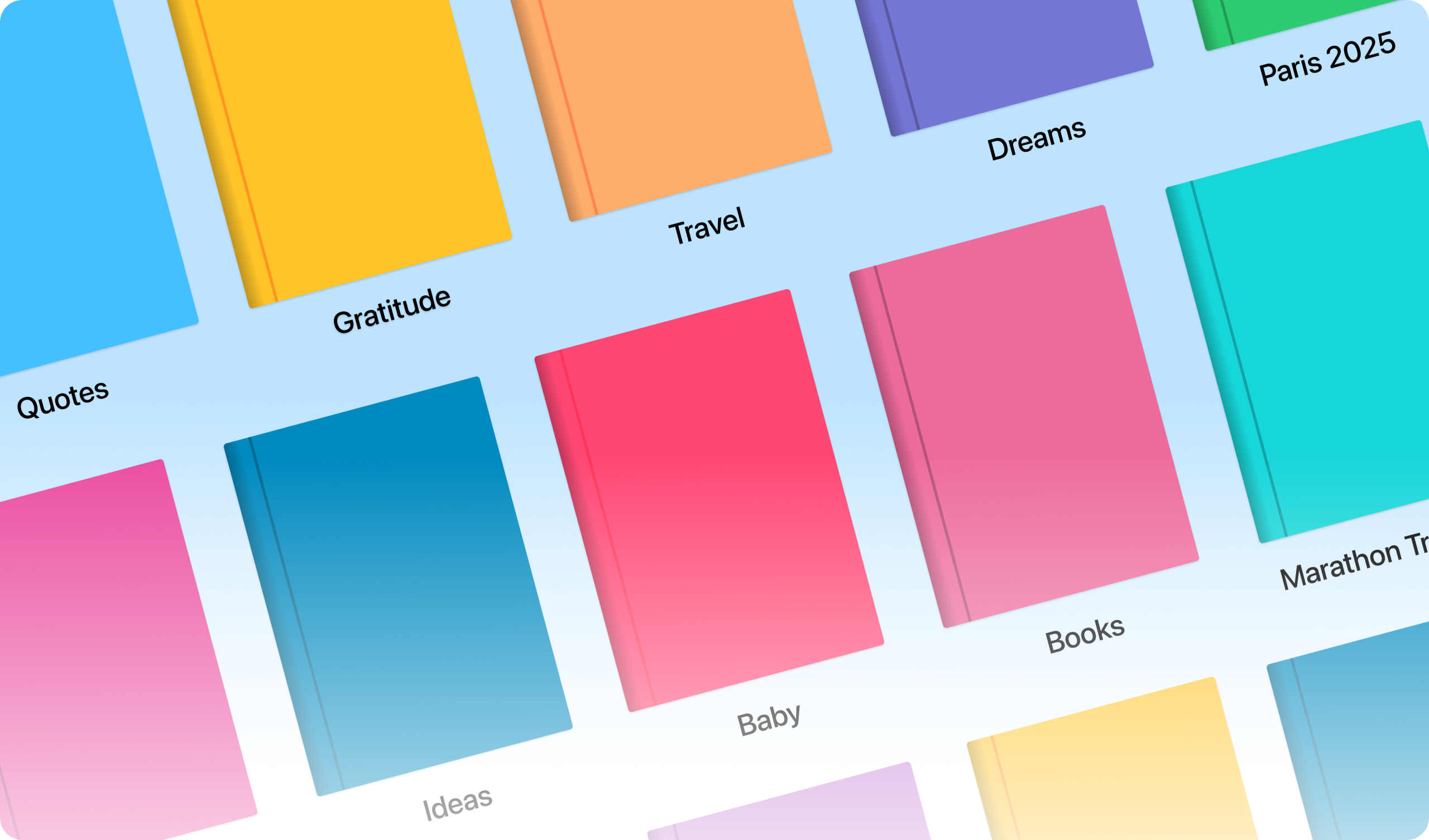
For users looking to take advantage of this change, the process is streamlined. After updating to version 2025.11, the "Add Journal" button on the dashboard has been transformed into a hub for discovery. Users can choose from a list of pre-configured templates—such as "Travel Memories," "Fitness Tracking," or "Professional Goals"—or create a custom journal with a specific, private goal in mind.
In a digital age characterized by fragmentation and information overload, the ability to create structured, private spaces for one’s thoughts is a luxury that has just become a basic right for the Day One community. As the company notes, "You never know where it might take you." With the barrier to entry lowered, the only thing remaining for the user is the act of writing itself. Whether you are a long-time power user or someone looking to document their first entry, the platform has never been more accessible—or more capable of holding the vast, complex, and beautiful stories of our daily lives.