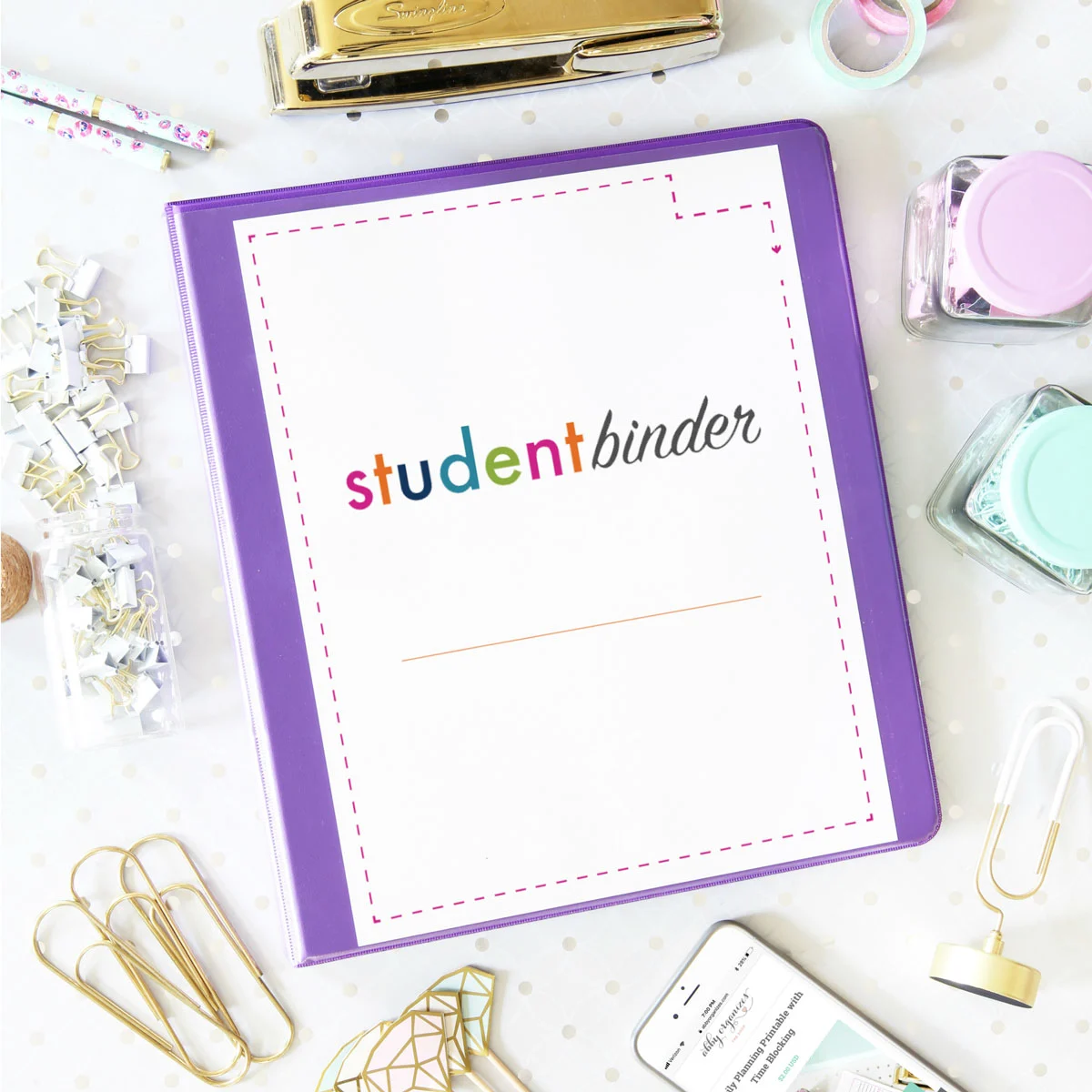
NATIONAL REPORT — As families across the country brace for the chaotic transition from summer relaxation to the structured demands of the academic calendar, organization experts are rolling out heavy-duty solutions. Heading the charge this academic season is the newly updated, highly anticipated Free Printable Student Binder, designed to alleviate the traditional back-to-school scramble.
Featuring comprehensive layouts for planning, tracking, and subject management, this resource has quickly become an indispensable tool for students, parents, and educators alike. Available in multiple aesthetic color schemes, the newly refreshed system aims to transform how students manage their time, assignments, and academic goals from middle school through college.
Main Facts: What is the Free Printable Student Binder?
The newly released student binder system is a comprehensive, downloadable collection of organizational templates tailored specifically for academic environments. Developed to curb first-day-of-school overwhelm, the kit provides a holistic approach to student life management.

At its core, the system is divided into three primary categories:

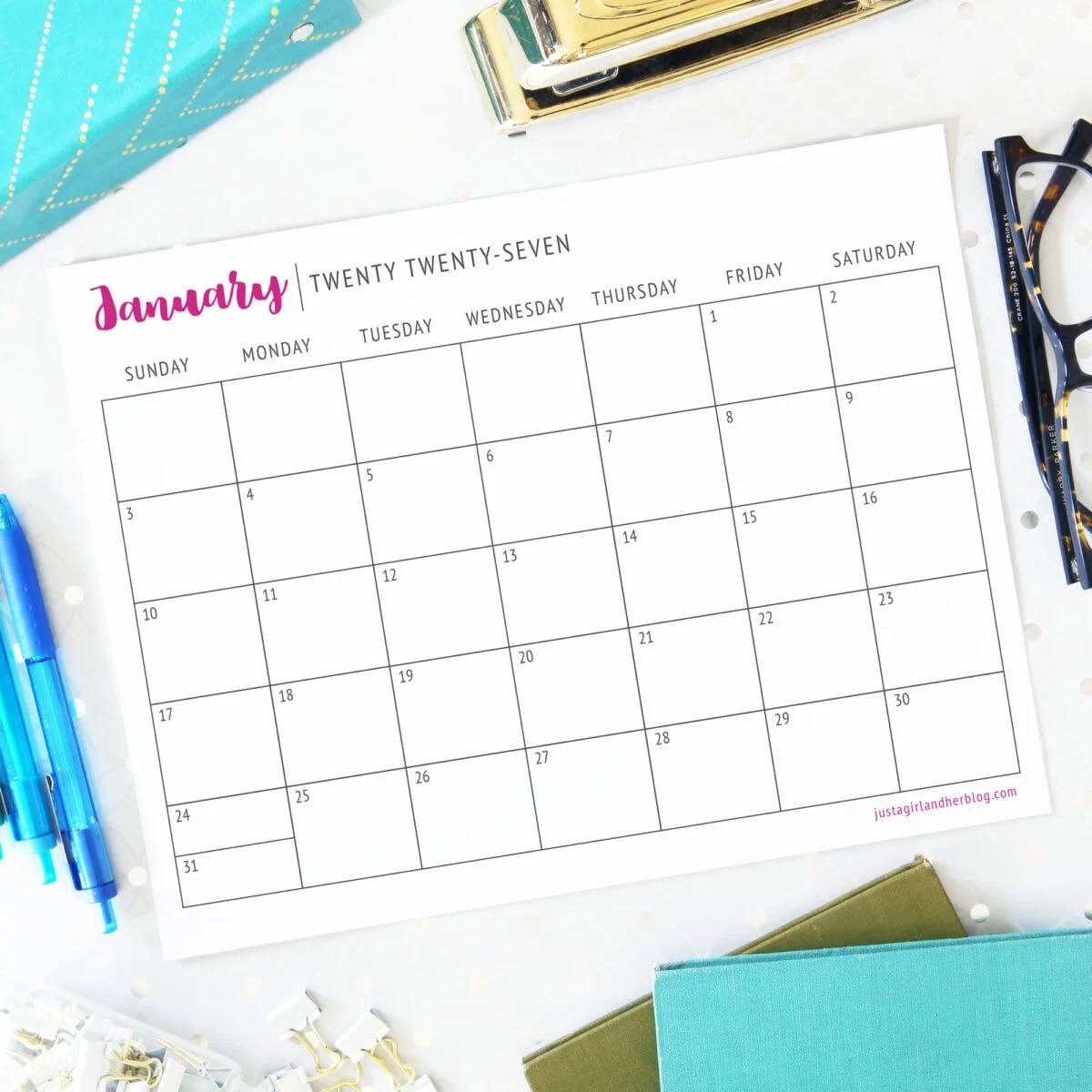
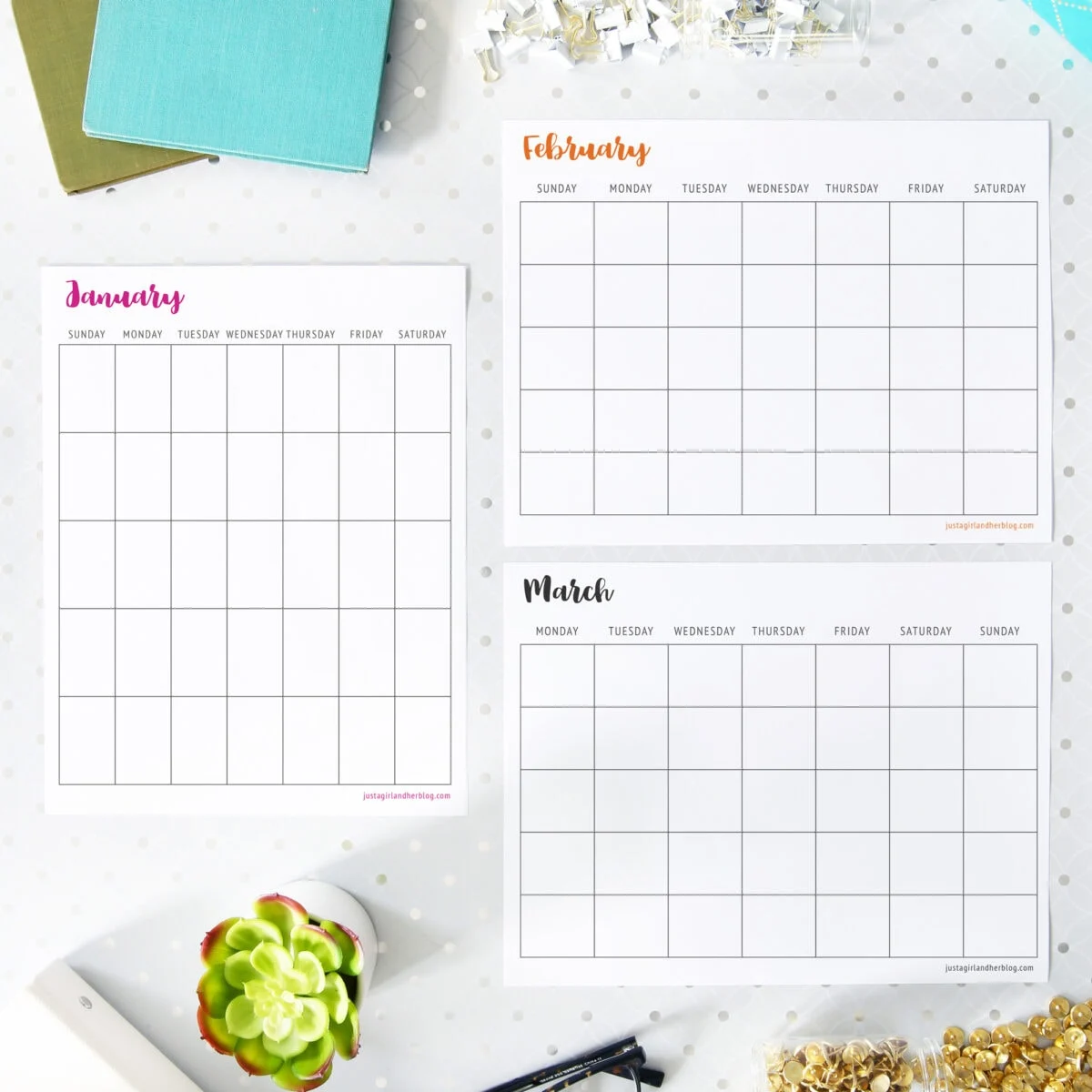
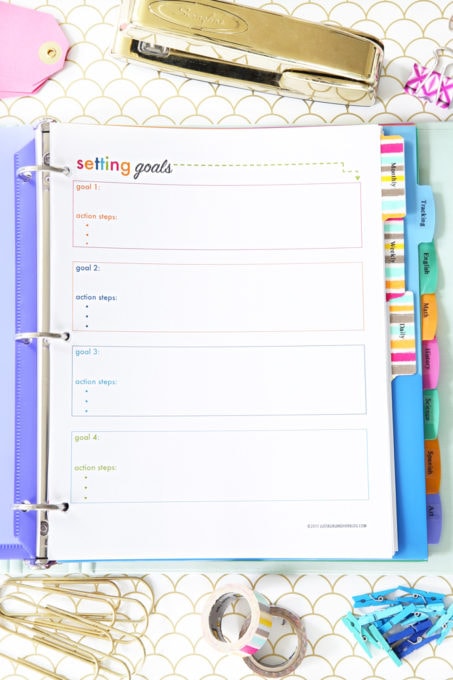
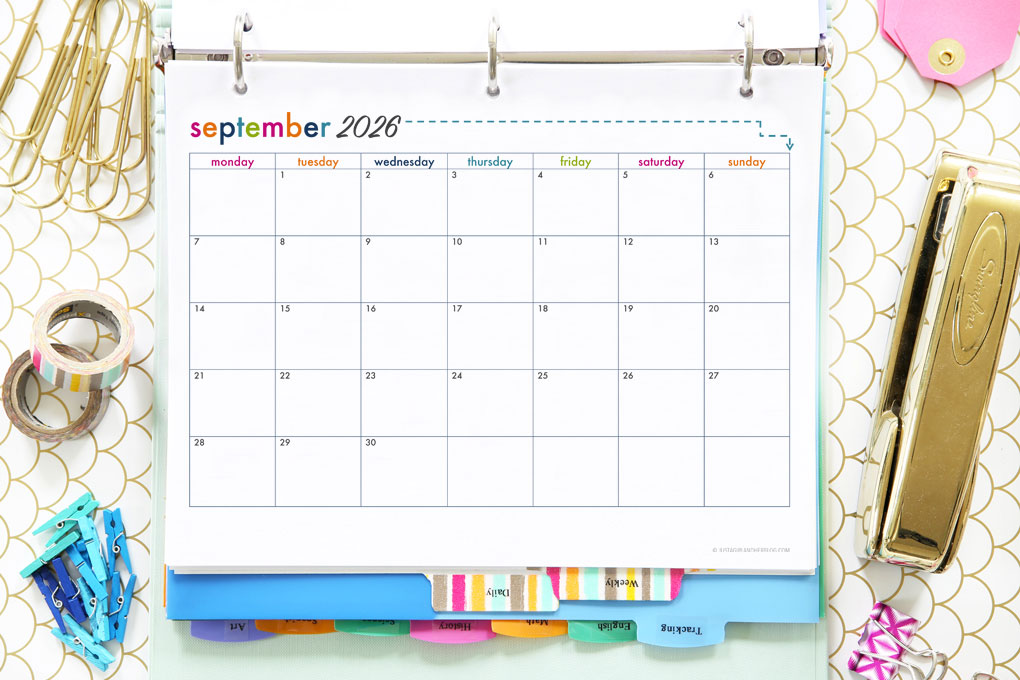
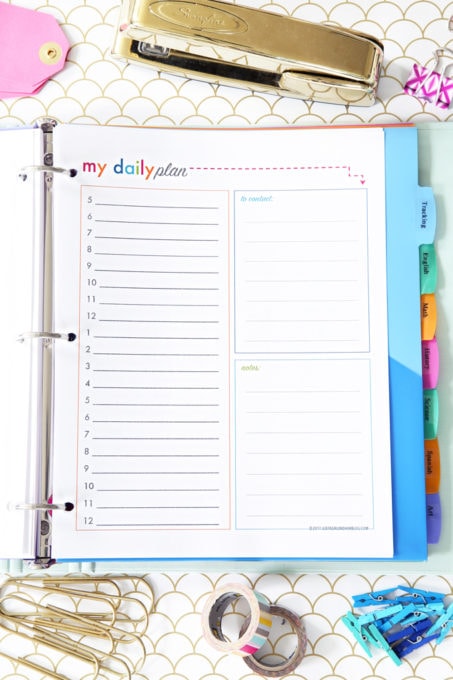
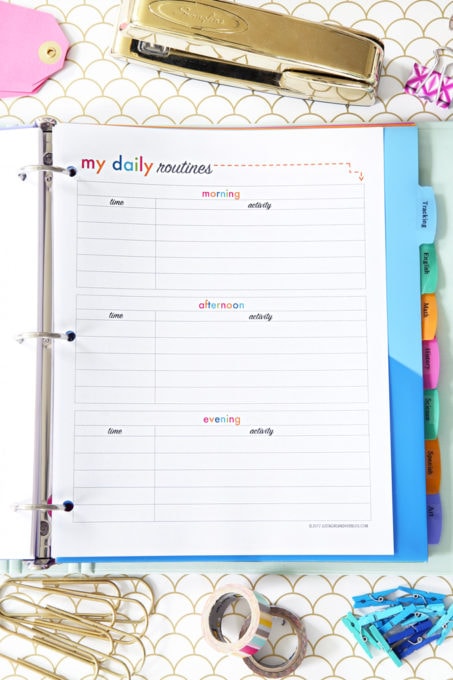
- Planning: Includes goal-setting sheets, dated and undated monthly calendars, two-page weekly planners, daily time-blocking sheets, and daily routine checklists.
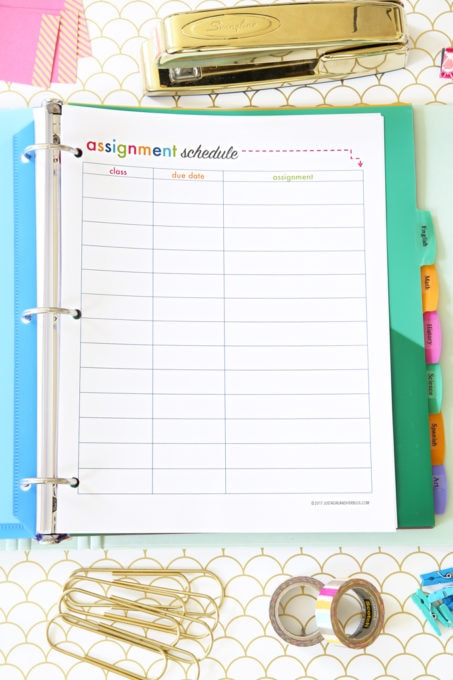
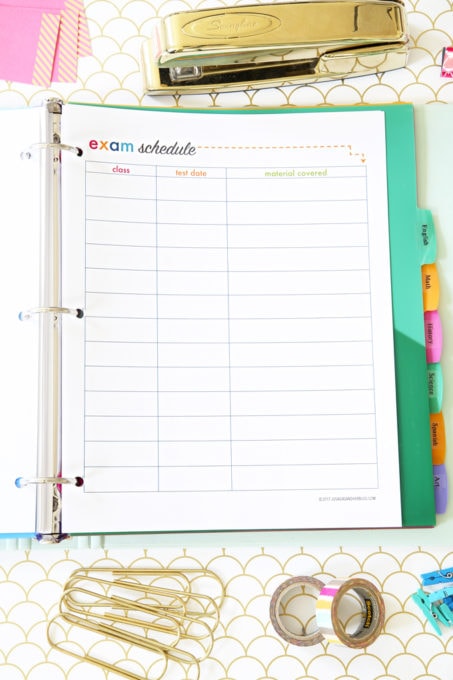
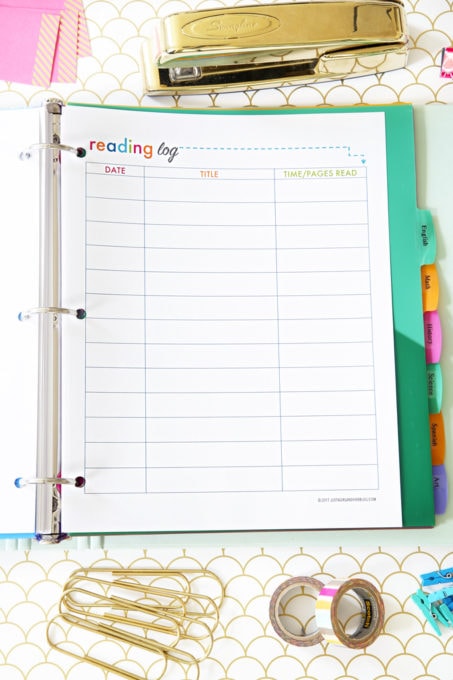
- Tracking: Features dedicated assignment schedules, exam schedules, and extensive reading logs.
- Subject Sections: Provides modular layouts for grade tracking, comprehensive note-taking, and step-by-step project planning.
Unlike commercial planners that lock users into rigid structures, these printables offer modular flexibility. Users can print out as many copies of specific pages as they need, hole-punch them, and insert them into a standard three-ring binder. Furthermore, the creator has introduced dual color schemes—a vibrant multi-color option and a clean, versatile blue palette—ensuring broad appeal across different age groups and personal styles.
Chronology: The Evolution of Student Organization
The journey toward modern, digitized, and printable organizational tools has evolved significantly over the past decade.
- Early July: Anticipation builds as parents and students begin preparing for the upcoming academic year. Inquiries flood lifestyle and educational blogs regarding the annual release and updating of organizational printables.
- Mid-July: Design and structural updates are finalized. Recognizing feedback from previous years—specifically requests from parents seeking gender-neutral or cooler color tones—designers incorporate a sophisticated blue color scheme alongside the original bright aesthetic.
- Late July to Early August: The updated binder system officially launches in online resource libraries. Downloads surge as high school and college students begin mapping out their syllabi.
- September and Beyond: As classes commence, students utilize the mid-term tracking sheets, grade calculators, and project planners to maintain academic momentum through the first grading quarter and beyond.
Supporting Data: The Science of Academic Organization
Educational research consistently demonstrates a strong correlation between structured time-management habits and academic success. According to student success metrics, lack of organization is one of the leading contributors to early-semester stress and declining grades.

- Over 300+ Pages: The broader resource library housing the student binder includes hundreds of supplementary organizational tools, reflecting a massive demand for analog productivity tools in a digital age.
- Extended Planning Horizons: The newly updated monthly calendars cover a robust timeline from July through December of the following year, offering 18 months of seamless transition planning.
- Time-Blocking Efficacy: Studies on time management indicate that breaking down days into dedicated hourly blocks—a core feature of the binder’s daily and weekly planners—reduces procrastination and improves task completion rates by up to 40%.
- Grade Transparency: By utilizing running-total grade trackers, students eliminate end-of-semester surprises, allowing for timely interventions and targeted studying before final examinations.
Official Insights: Perspectives on Student Success
While commercial stationery brands often market high-priced, pre-bound academic planners, educational experts argue that customizable, modular systems offer superior psychological and practical benefits.
Child development specialists and former educators emphasize that teaching children and young adults how to build routines early in life lays the foundation for lifelong executive functioning skills.
"When students receive their syllabi on the first day of class, the sheer volume of upcoming assignments, readings, and exams can trigger immediate cognitive overload," notes a leading educational consultant. "Systems that externalize this data—such as breaking down big projects into manageable daily and weekly action steps—empower students to transition from reactive scrambling to proactive management."
Furthermore, creators of the binder emphasize inclusivity in design. "In past years, we received numerous requests from parents of boys asking for color schemes that weren’t exclusively pink or pastel," creators noted during the rollout. "By offering a sophisticated blue alternative, we ensure that every student feels a sense of ownership and personal pride over their academic tools."
Implications: Setting the Stage for a Successful School Year
The widespread availability of free, high-quality organizational printables carries significant implications for equity in education. While commercially branded student planners can cost upwards of $30 to $50—putting them out of reach for budget-conscious families—open-access digital printables democratize access to high-level productivity tools.
Key Practical Benefits for Students:
- Reduced Anxiety: Knowing where every assignment, syllabus, and test date is located drastically cuts down on daily academic stress.
- Customizable Workflows: Not every student learns the same way. Some thrive on hourly time-blocking, while others prefer broad weekly overviews. The binder’s variety ensures personalization.
- Cross-Disciplinary Utility: Beyond standard coursework, sections dedicated to reading logs and extracurricular project planning encourage well-rounded personal development.
As schools continue to navigate the demands of rigorous academic standards, tools that bridge the gap between home life and classroom performance remain invaluable. Whether utilized by a middle schooler learning time management for the first time or a college undergraduate balancing multiple rigorous courses, structured printables remain a timeless, reliable anchor in an increasingly fast-paced educational landscape.