While the cultural contributions of Ancient Greece often dominate the historical conversation, the Ancient Romans constructed an equally formidable intellectual edifice. From the shifting sands of the Roman Republic to the rigid hierarchies of the Imperial age, Rome produced a body of literature that not only defined the classical world but continues to serve as a foundational pillar for Western political thought, ethics, and theology. To be "well-read" is to engage with the voices that shaped the Mediterranean basin and, by extension, the modern world.
A Chronological Overview: The Rise and Fall of Rome
To grasp the depth of Roman philosophy, one must first understand the volatile environment in which these thinkers lived. The history of Ancient Rome, spanning from 753 BCE to 476 CE, is categorized into three distinct eras: the Kingdom, the Republic, and the Empire.
The Roman Kingdom (753–509 BCE)
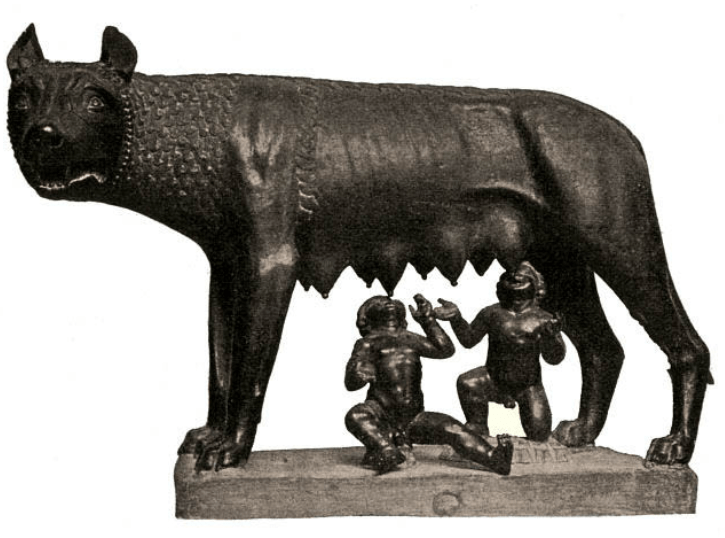
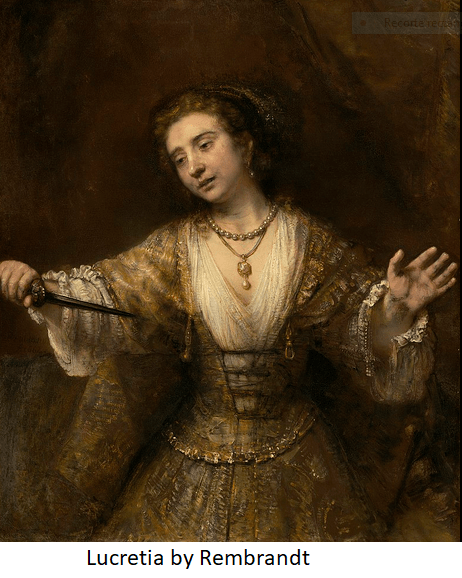
The regal period is defined by a blend of historical fact and mythic grandeur. The legend of Romulus and Remus—the twin sons of Mars raised by a she-wolf—serves as the city’s creation myth. This era, characterized by the rule of seven kings, ended in the wake of the "Rape of Lucretia." The subsequent suicide of this noblewoman catalyzed a revolt against the tyrant Tarquinius Superbus, effectively terminating the monarchy and giving rise to the Republic.
The Roman Republic (509–27 BCE)
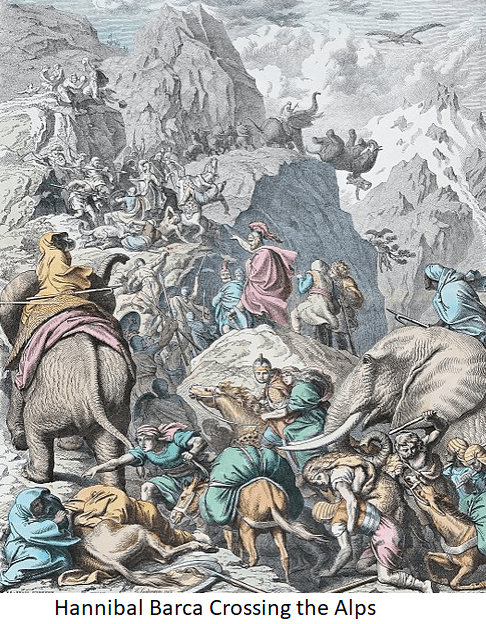
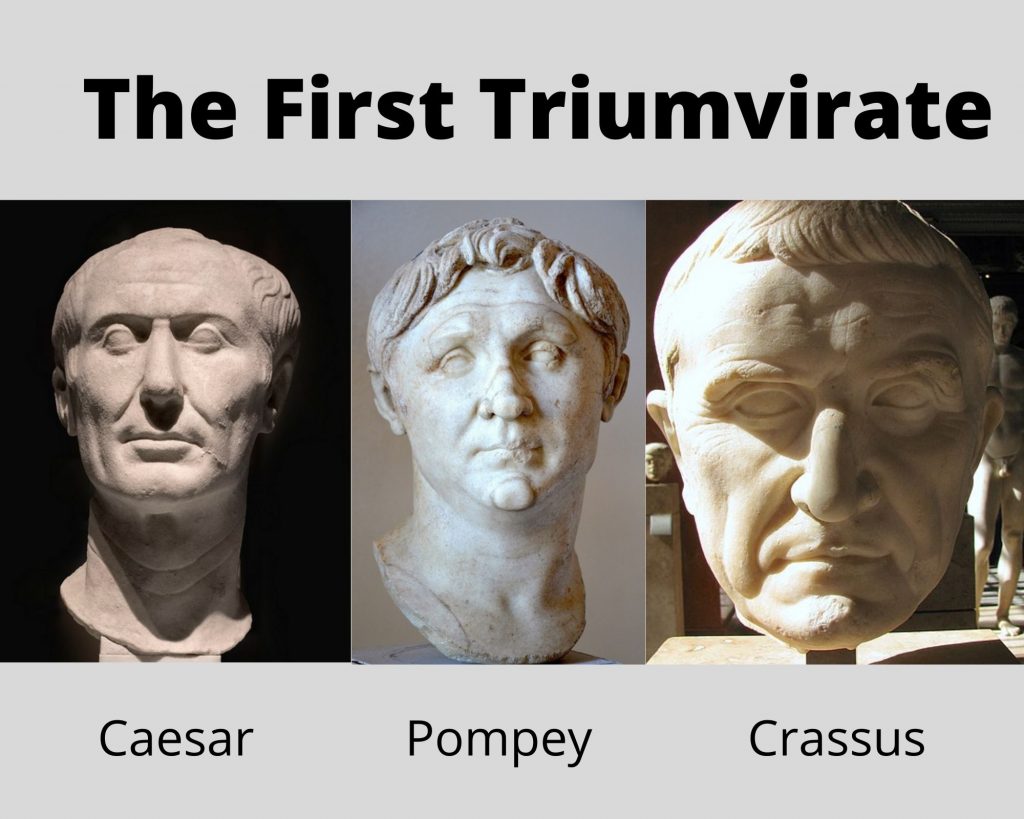
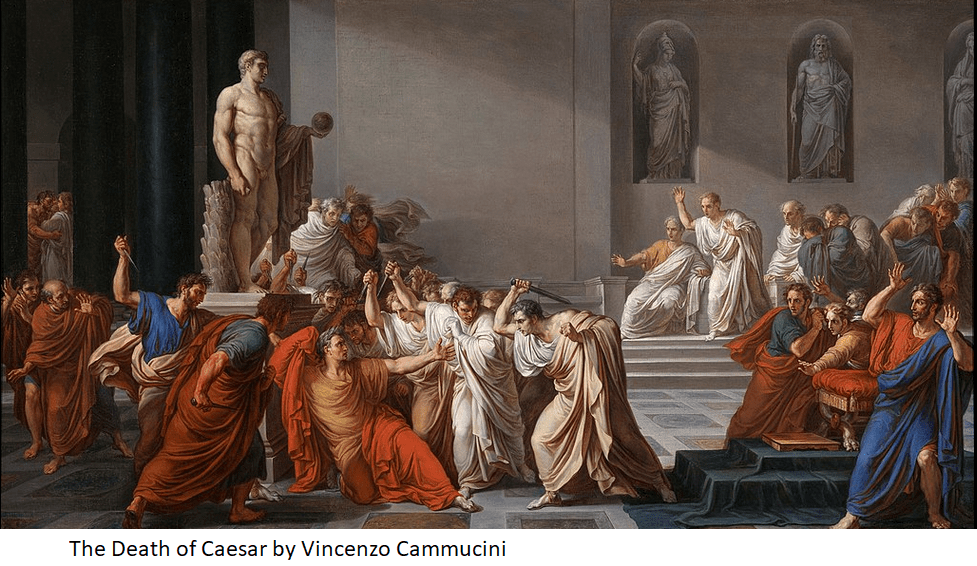
The Republic was built on the principle of Res Publica ("the thing of the people"), designed to prevent the concentration of power in a single individual. By establishing three branches of government—the Consuls, the Senate, and the Assemblies—Rome sought to balance the interests of the patrician elite and the plebeian masses. This era witnessed Rome’s expansion, the trauma of the Gallic Sack, and the existential struggle of the Punic Wars against Carthage. Ultimately, internal decay and the rise of ambitious generals like Julius Caesar led to the civil wars that dismantled the democratic experiment, culminating in the rise of Augustus.
The Roman Empire (27 BCE–476 CE)
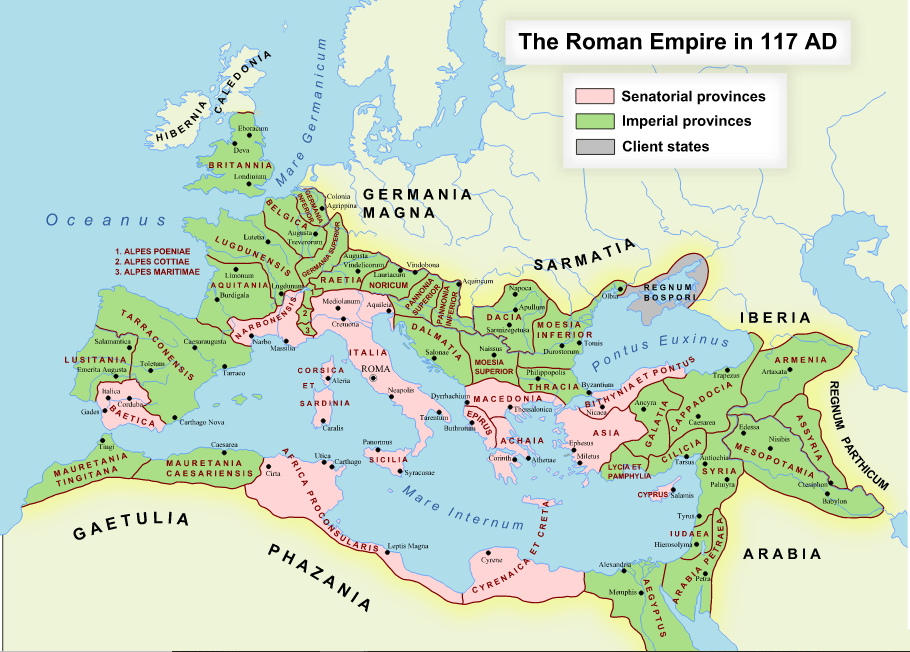
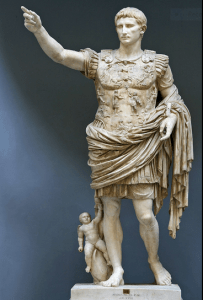
Beginning with Augustus, the Empire transformed Rome into the Mediterranean’s primary superpower. At its peak under Emperor Trajan in 117 CE, the Empire spanned three continents. However, the seeds of instability were sown early, and in 286 CE, the empire was split into Eastern and Western halves. The eventual collapse of the Western Roman Empire in 476 CE, when Romulus Augustus was deposed by Odoacer, marked the end of antiquity and the transition into the Middle Ages.
The Philosophers: Stoic Foundations and Political Duty
Roman philosophy was rarely abstract; it was deeply practical, often focusing on the duties of the statesman and the endurance of the individual.
1. On Obligations (De Officiis) by Cicero
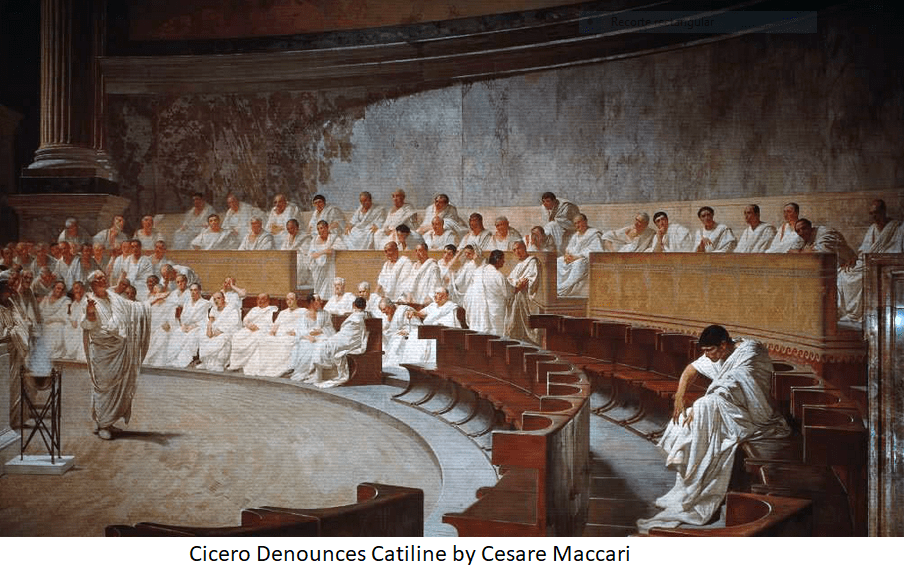
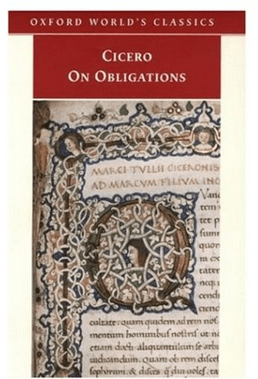
Marcus Tullius Cicero (106–43 BCE) remains the quintessential Roman intellectual. A statesman, lawyer, and orator, Cicero navigated the collapse of the Republic with a desperate commitment to civic virtue. On Obligations, written in 44 BCE shortly after the assassination of Julius Caesar, serves as a manual for the honorable man. Cicero’s thesis—that what is morally wrong can never be truly useful—stands as a timeless critique of political pragmatism. Voltaire famously remarked that "no one will ever write anything more wise, more true, or more useful."
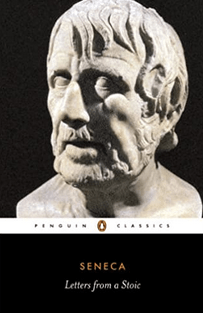
2. Letters from a Stoic by Seneca
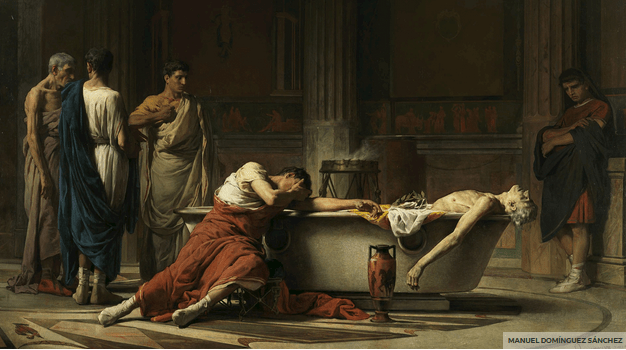
Lucius Annaeus Seneca the Younger (4 BCE–65 CE) embodied the Roman Stoic’s struggle between wealth and virtue. Serving as a tutor to the infamous Emperor Nero, Seneca’s life was a precarious balance of power and peril. His Letters offer a profound guide to personal serenity. Seneca argued that we often suffer more in our imagination than in reality. His advice on controlling one’s reaction to external chaos remains one of the most effective psychological frameworks in history.
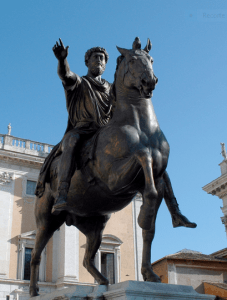
3. Meditations by Marcus Aurelius
The "Philosopher Emperor," Marcus Aurelius (121–180 CE), wrote Meditations not for publication, but as a private diary of self-improvement. While leading military campaigns on the Germanic frontier, he sought to maintain his moral integrity amidst the pressures of absolute power. Drawing heavily from the teachings of the former slave Epictetus, the book addresses fundamental human questions: How should one face death? How does one handle difficult people? How can one remain virtuous in a corrupt system? It remains the ultimate manual for Stoic resilience.
Poetry and the Architecture of Myth
Roman poetry served both to entertain and to reinforce the state’s identity, blending Greek artistic mastery with Roman gravitas.
- Horace’s Odes: Quintus Horatius Flaccus captured the essence of the Augustan age. His lyrics, characterized by their precision and philosophical depth, remind the reader of the brevity of life (carpe diem) and the value of friendship.
- Virgil’s The Aeneid: Commissioned to provide Rome with a national epic, Virgil connected Rome’s heritage to the Trojan War. Through the wanderings of Aeneas, Virgil explored themes of duty (pietas), sacrifice, and the high price of empire.
- Ovid’s The Metamorphoses: A masterful collection of 250 myths, Ovid’s work explores the concept of transformation. It remains one of the most important sources for classical mythology, having influenced Western literature for centuries.
Theology and the Transition to Christianity
The late Roman period saw the dramatic rise of Christianity, a transformation mirrored in the works of St. Augustine of Hippo (354–430 CE).
The Confessions
Augustine’s Confessions is the first true autobiography in Western literature. It chronicles his journey from a hedonistic youth to a profound spiritual conversion. It is a psychological masterpiece that explores the nature of human desire, the struggle with temptation, and the path to redemption.
The City of God
Written in the aftermath of the 410 CE Sack of Rome, The City of God was a response to pagan critics who blamed the empire’s conversion to Christianity for its vulnerability. Augustine argued that earthly empires are transient ("The City of Man"), while the only true permanence lies in the spiritual realm ("The City of God"). This work provided the Catholic Church with the intellectual framework to navigate the collapse of Roman civil authority and ascend to power in the Middle Ages.

Implications: The Enduring Roman Legacy
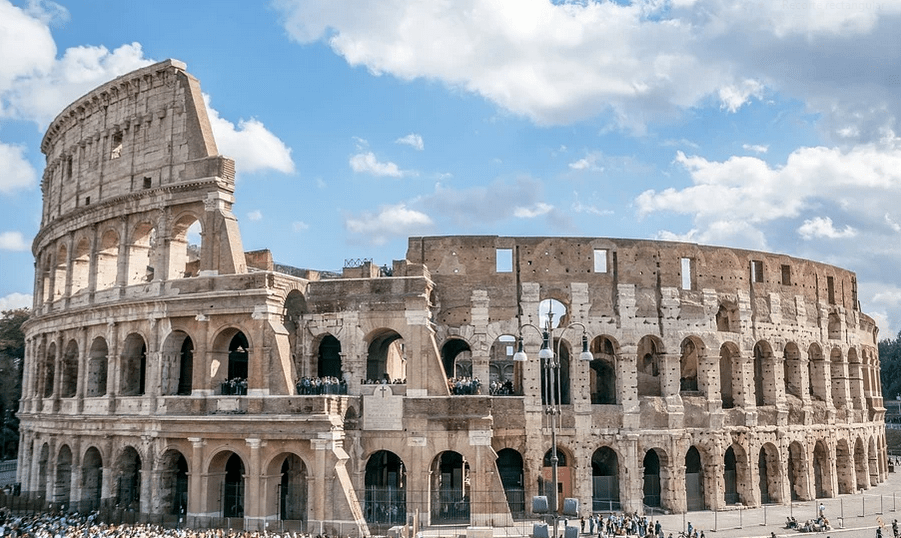
The legacy of Ancient Rome is not merely found in the ruins of the Colosseum or the remains of the Forum. It is embedded in the Western legal tradition, the Latin influence on European languages, the architecture of our government buildings, and the very structure of our philosophical discourse.
The Roman contribution to human history serves as a reminder that the health of a society depends on the character of its citizens. Whether it is Cicero’s commitment to justice, Seneca’s discipline of the mind, or Augustine’s search for spiritual meaning, these texts challenge the modern reader to reflect on their own "obligations" to their community. By engaging with these essential works, we do not merely study the past; we gain the tools to better navigate the complexities of the present.
As we look back at the rise and eventual decline of this great civilization, we are invited to consider the fragility of order and the necessity of individual wisdom in preserving the common good. To read the Romans is to participate in a dialogue that spans two millennia, ensuring that their voices continue to sparkle—as Tennyson noted—on the stretch’d forefinger of all time.