In an era defined by hyper-targeted digital advertising, programmatic bidding, and automated lead generation, the art of the personal connection has often been relegated to the background of corporate strategy. However, the self-service audio and outdoor media platform, AdPower, has chosen a radically different path. By eschewing the cold precision of digital algorithms in favor of a visceral, large-scale romantic gesture, the company has launched its "Love Letters" campaign—a nationwide initiative that is turning heads, sparking conversations, and redefining how B2B companies court their potential partners.
The Strategy: A Modern Twist on Old-School Romance
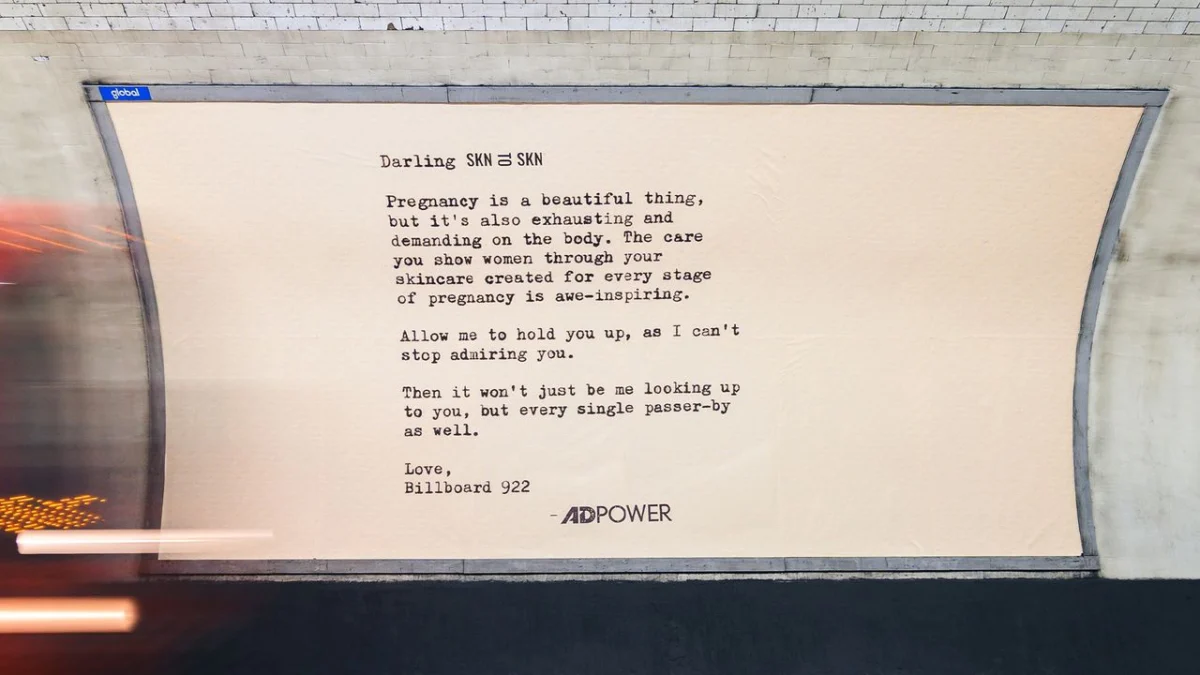
The core premise of the "Love Letters" campaign is as charming as it is bold. Recognizing that the B2B marketplace is saturated with noise, AdPower set out to cut through the clutter by treating its potential clients not as data points, but as paramours. The company commissioned 100 individual "love letters," rendered as high-impact billboard advertisements placed strategically near the headquarters, storefronts, or high-traffic areas frequented by their target collaborators.
This is not merely an exercise in vanity; it is a calculated masterclass in "brand PDA." By placing these messages in the physical world, AdPower is forcing a confrontation between digital services and the tangible, public sphere. The billboards, designed in collaboration with the renowned creative powerhouse Stink Studios, utilize a nostalgic, handcrafted typewriter aesthetic. This stylistic choice serves a dual purpose: it grounds the campaign in a sense of sincerity and human touch, while simultaneously highlighting the technological leap that AdPower represents in the outdoor media space.
A Chronology of the Campaign
The genesis of the campaign began with a desire to bridge the gap between AdPower’s innovative, self-service platform and the traditional, often cumbersome, world of outdoor advertising.

- The Conceptualization Phase: AdPower and Stink Studios spent months analyzing the landscape of potential partners, ranging from boutique Pilates studios to established fashion houses and food brands. The goal was to understand the specific brand voice and unique selling propositions of each target.
- The Drafting Phase: Unlike mass-market advertisements, each of the 100 letters was custom-written. The team avoided generic corporate jargon, opting instead for cheeky, industry-specific puns and playful declarations of intent.
- The Deployment: The rollout began with the placement of these personalized messages in key urban centers. By ensuring that the ads appeared in the immediate vicinity of the recipient’s physical locations, AdPower transformed the campaign into an "unmissable" event for the leadership teams of the target companies.
- The Public Reaction: As the boards went up, the buzz began. Local businesses, passersby, and social media observers began sharing images of the "love letters," inadvertently turning the campaign into a viral digital moment—a classic case of physical media fueling digital engagement.
Supporting Data: Why Out-of-Home (OOH) Still Matters
While digital ad spend continues to dominate the marketing landscape, the "Love Letters" campaign serves as a potent reminder of the efficacy of Out-of-Home (OOH) advertising. According to industry reports, OOH remains one of the few media formats that cannot be blocked, skipped, or muted. When combined with the "surprise and delight" factor of the AdPower campaign, the results are statistically significant.
Engagement metrics for creative, hyper-local OOH campaigns consistently show higher brand recall than standard digital display ads. By making the advertisements hyper-personalized, AdPower has effectively increased the "shareability" of their marketing assets. Each billboard acts as a conversation starter, creating a bridge between the physical encounter on the street and the digital ecosystem where AdPower’s platform operates.
Official Perspectives: The Creative Philosophy
The success of the campaign is a testament to the vision of Kat Thomas, Creative Director at Stink Studios. In her assessment of the initiative, she emphasized the symmetry between the old and the new.
"We love the symmetry of one of the oldest media types—billboards—getting a modern revamp with a new platform, and using an old-school typewriter to craft messages to new brands," says Thomas. "With one hundred singular gestures, we’ve drawn on our out-of-home expertise and our history working with brands to understand what makes each business distinctive. We’ve then translated that insight into a personalized experience and a large-scale expression of love and respect for every brand that features in the campaign, built with craft and genuine human effort."

The philosophy here is clear: in an increasingly automated world, the "human touch" has become a luxury commodity. By investing the time and creative capital to write 100 individual messages, AdPower has signaled to the market that they value their partners as individuals, not just as recurring revenue streams.
The Implications for B2B Marketing
The "Love Letters" campaign by AdPower has significant implications for the future of B2B marketing. We are currently witnessing a shift where "human-centric" marketing is becoming a requirement for differentiation. As AI-generated content floods the web, the "handcrafted" feel of the AdPower billboards serves as a beacon of authenticity.
1. The Death of the "One-Size-Fits-All" Pitch
The campaign highlights the limitations of traditional, automated lead-nurturing emails. By moving the conversation to a public forum, AdPower has proven that high-level, creative risk-taking can be far more effective than the most sophisticated email drip campaign.
2. The Power of "Hyper-Local" Context
By placing ads in the direct vicinity of target brands, AdPower has leveraged the "home-field advantage." It demonstrates that when a company takes the time to research its target’s physical location and culture, the return on investment in terms of brand awareness and partnership credibility is substantial.

3. Redefining Brand Authority
AdPower is not just selling a platform; they are selling a perspective on how media should be used. By practicing what they preach—using outdoor media to grab attention in a crowded market—they have established themselves as an authority in the field.
Looking Ahead: The Future of Creative Advertising
As the "Love Letters" continue to pop up across the country, the industry is watching closely. Will we see a surge in "guerrilla" B2B marketing? It is highly probable. The success of this campaign provides a blueprint for other platforms to move beyond the digital silos that have defined the last decade of marketing.
Furthermore, this campaign serves as an inspiration for the broader design community. It encourages creators to look at their environment as a canvas. Whether it’s the sharp critique of AI found in recent Economist campaigns or the literal interpretation of brand identity seen in Guinness’ latest outdoor work, the trend toward clever, witty, and bold physical advertising is clearly on the rise.
In conclusion, AdPower’s "Love Letters" campaign is more than just a clever marketing gimmick. It is a fundamental statement on the importance of building relationships in the modern age. It proves that even in a world obsessed with data and speed, there is still immense power in a well-placed, thoughtful, and slightly cheeky gesture. For those looking to stand out in the crowded B2B marketplace, the lesson is simple: if you want to win a partner’s heart—and their business—sometimes you just have to go big, go public, and tell them exactly how you feel.