In a rare move that bridges the complex world of international trade law and consumer-facing gaming retail, Nintendo has officially launched its “Customer Appreciation Sale.” The promotion, which serves as a major retail event for Nintendo Switch enthusiasts across the United States, arrives as the direct result of a significant legal victory involving the company and the U.S. government. Following a Supreme Court ruling earlier this year that effectively struck down certain inflation-linked trade tariffs, Nintendo successfully reclaimed $300 million in duties. Now, the company is looking to pass a portion of that fiscal relief back to the community that bore the brunt of those costs.
The Chronology of a Legal and Retail Battle
To understand why Nintendo is holding this sale now, one must look back at the turbulent trade climate of the past few years.
The Tariff Era (2019–2023)
The conflict began under the Trump administration, which imposed wide-ranging tariffs on goods imported from China. As Nintendo manufactures the vast majority of its hardware—including the Nintendo Switch console—in China, the company found itself caught in the crosshairs of these fiscal policies. For years, the cost of these tariffs was either absorbed by the supply chain or, more frequently, passed down to consumers through higher retail prices or a lack of promotional discounting on hardware and accessories.
The Supreme Court Intervention
Throughout the period of these tariffs, major importers, including Nintendo of America, engaged in protracted legal battles with the U.S. government. Nintendo argued that the classification of certain products and the application of these specific tariffs were inconsistent with federal trade law. Earlier this year, a landmark ruling by the Supreme Court effectively invalidated the legal basis for these specific levies, forcing the U.S. government to return the collected duties to the corporations that had paid them.
The Aftermath and the “Silence”
Following the $300 million refund, there was initial silence from Nintendo. Many industry analysts and consumer advocates questioned whether the company would provide any direct restitution to the millions of American gamers who had purchased hardware at inflated prices. Nintendo remained cautious, likely wary of the volatile nature of global trade politics and the possibility of future tariff implementations. However, the company has now pivoted, choosing to leverage a portion of those funds to fuel a massive two-week promotional event.
Supporting Data: What the Sale Includes
The “Customer Appreciation Sale” is being marketed as one of the most comprehensive promotional events in the company’s recent history. Running until September 26, the sale encompasses a broad spectrum of the Nintendo ecosystem.
Key Categories and Discounts
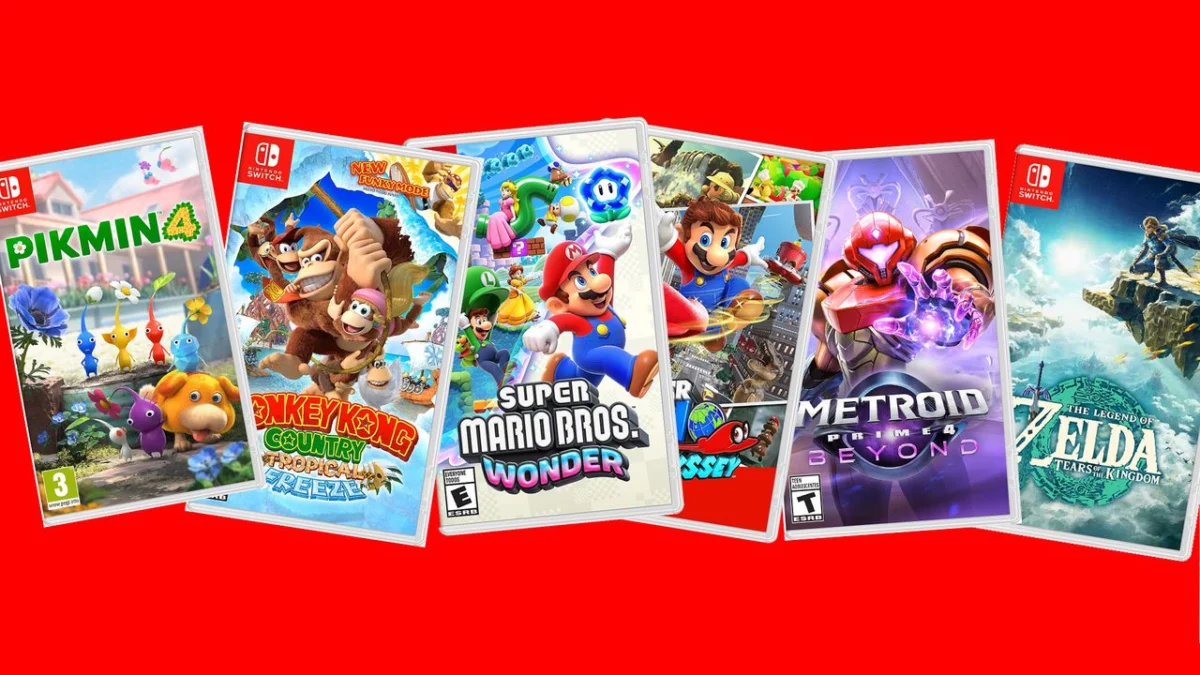
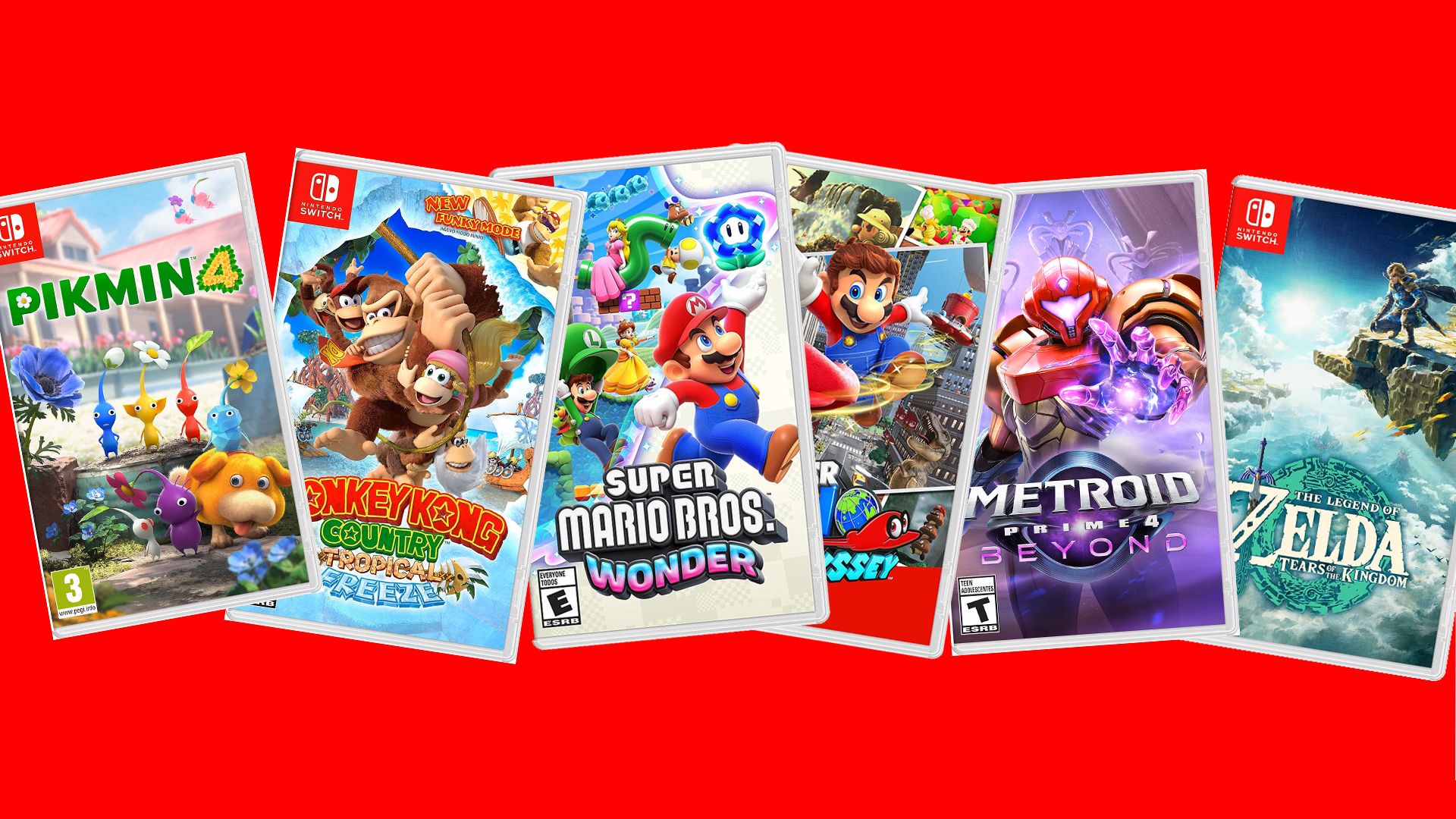
- Nintendo Switch Software: While the most recent marquee titles—specifically those identified as “Switch 2 exclusives”—are currently exempt from the deepest cuts, the catalog of existing titles remains robust. Shoppers can find discounts of up to 30% on a wide variety of titles that are compatible with the entire Switch hardware family.
- Accessories and Hardware: Beyond digital games, the sale extends to physical accessories, including Joy-Con controllers, Pro Controllers, and various charging docks.
- Amiibo and Apparel: Collectors of physical goods will find markdowns on the Amiibo line, as well as official Nintendo-branded apparel and merchandise, which are frequently excluded from standard eShop sales.
Comparative Market Context
While Nintendo’s official eShop sale is the centerpiece, the retail landscape has been further bolstered by secondary market competition. Amazon and other major retailers have concurrently launched their own Switch game deals, effectively creating a “sale ecosystem” that offers consumers multiple avenues to save. This suggests a coordinated effort to clear inventory and incentivize player engagement ahead of the next fiscal quarter.
Official Responses and Corporate Strategy
Nintendo’s official stance regarding the sale is characterized by a mix of gratitude and corporate pragmatism. In a press release accompanying the announcement, the company stated: "This is our way of saying thank you to Nintendo players for their continued support, and it is made possible in part by tariff-related refunds."
Balancing Generosity and Caution
Industry observers note that the company’s decision not to offer a direct cash rebate—which would have been logistically impossible and fiscally unconventional—and instead opting for a broad-scale sale is a strategic masterstroke. By discounting software and accessories, Nintendo keeps its customers within its digital ecosystem, encouraging the purchase of additional content rather than simply returning money that might be spent elsewhere.
Furthermore, Nintendo’s leadership has emphasized that while the $300 million refund is a significant windfall, the company remains focused on long-term sustainability. By labeling this a “Customer Appreciation” event, they successfully convert a legal victory into a public relations win, effectively softening the blow of the price hikes that occurred during the height of the tariff disputes.
The Broader Implications for Gaming and Trade
The Nintendo saga serves as a case study for how global trade policy directly impacts the average consumer. The intersection of international economics and entertainment is rarely as visible as it is in the video game industry, where manufacturing costs are highly sensitive to geopolitical shifts.
The “Switch 2” Factor
The timing of this sale is not incidental. As rumors and industry chatter regarding the upcoming "Switch 2" console reach a fever pitch, Nintendo is likely looking to maximize the install base of the current console. By making games and accessories more affordable, they increase the "stickiness" of the platform. A consumer who buys three discounted games today is significantly more likely to remain a loyal Nintendo customer when the next generation of hardware arrives.
Future Trade Risks
While Nintendo has secured a victory in this instance, the shadow of future trade disputes looms large. Many economists warn that the trade climate between the U.S. and China remains fragile. Should new tariffs be introduced, the cost-of-living for gamers could rise once again. Nintendo’s decision to keep some funds in reserve, rather than distributing them entirely through this sale, reflects an acute awareness of this volatility.
A Signal to the Industry
Nintendo’s move may set a precedent for other technology and entertainment giants. If a company receives a massive tax or tariff refund, the public will now have a benchmark—the "Nintendo standard"—for how to redistribute that wealth to their user base. While not every company will feel the pressure to follow suit, the optics of failing to do so after a massive, high-profile refund could be damaging to a brand’s reputation.
Conclusion: A Win for the Consumer
For the average American gamer, the Nintendo Customer Appreciation Sale represents a rare instance where a complex, high-level legal dispute actually results in a tangible benefit for the end user. While the $300 million refund was a corporate win, the current two-week sale is a consumer victory. Whether you are looking to expand your digital library or pick up a new set of controllers, the next few days offer an opportunity to save on a platform that has become, for many, the definitive home for interactive entertainment.
As the industry looks toward the horizon and the next generation of consoles, Nintendo’s focus on its current player base suggests that despite the massive legal and financial hurdles of the past few years, the player remains the most important part of the equation. Whether you are a long-time fan or a newcomer looking for the right entry point, now is the time to engage with the Nintendo ecosystem—before the current promotion concludes on September 26.