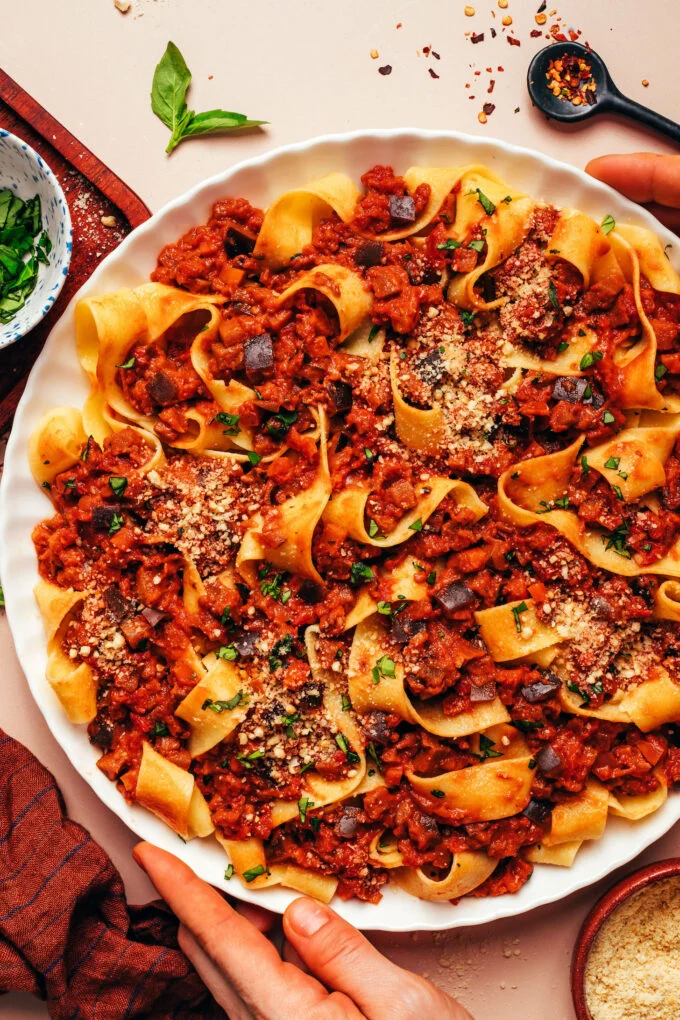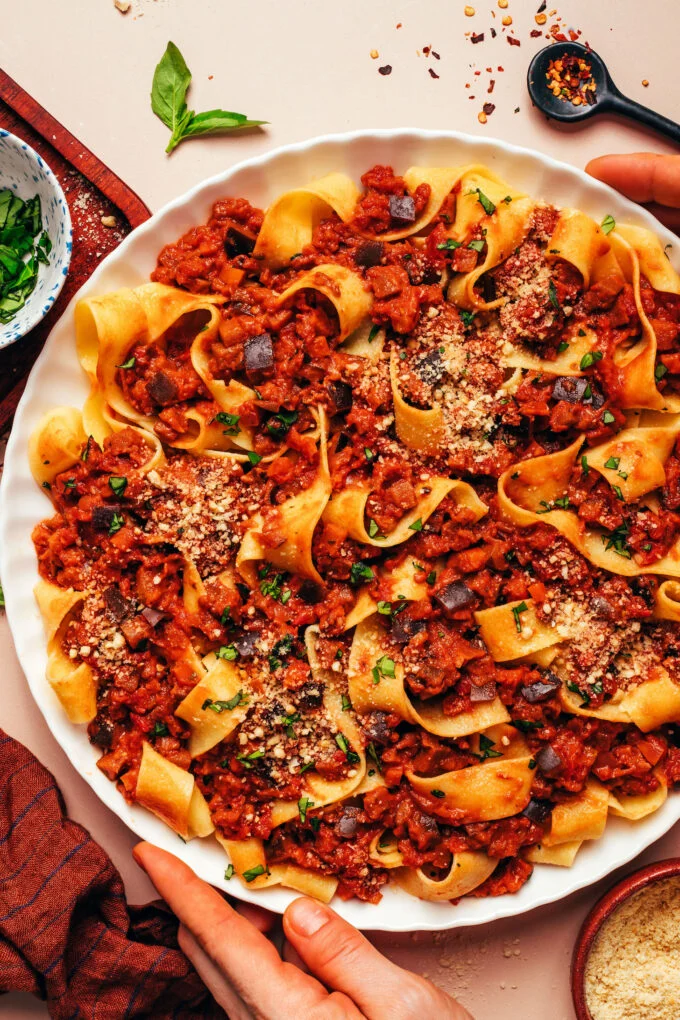
In the landscape of modern home cooking, the “bolognese” has long been a sacred pillar of Italian-inspired comfort food. Traditionally, this slow-simmered, meat-heavy sauce is associated with the bustling kitchens of Bologna, demanding hours of stove-top vigilance. However, a seismic shift in culinary trends—prioritizing efficiency, plant-forward ingredients, and minimal cleanup—has paved the way for a radical reinterpretation. Enter the "One-Pot Eggplant Bolognese," a dish that is currently redefining how we approach the weeknight dinner ritual.
Main Facts: A Masterclass in Efficiency and Flavor
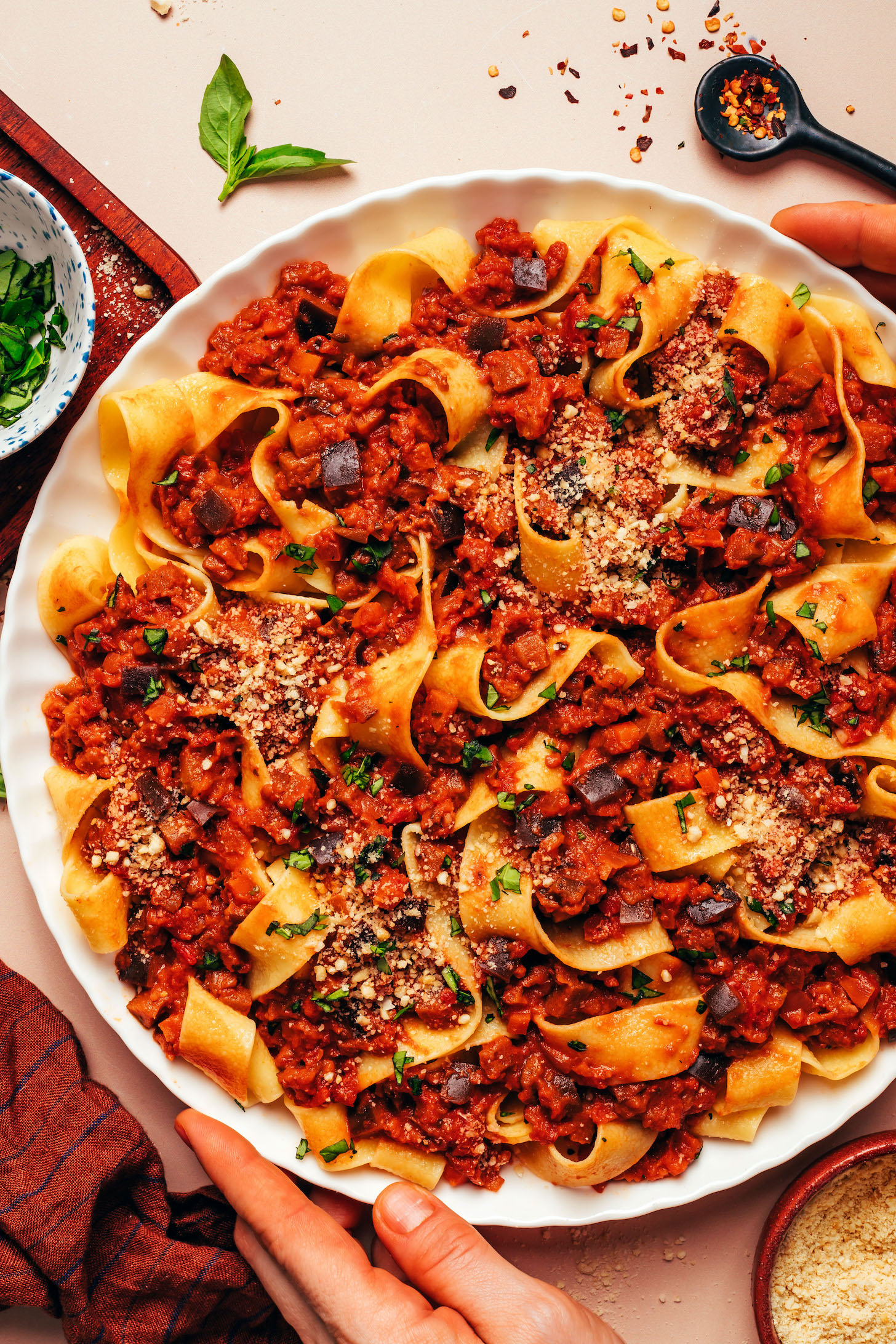
The latest culinary offering from the team at Minimalist Baker is more than just a recipe; it is a masterclass in the "less is more" philosophy. By stripping away the complexity of traditional mirepoix-and-meat structures and replacing them with the earthy, absorbent profile of eggplant, the creators have delivered a dish that is as intellectually satisfying as it is palatable.
The core premise is straightforward: a single pot, a handful of fresh produce, and roughly 45 minutes of time. The dish manages to replicate the deep, umami-rich experience of a traditional meat sauce while remaining entirely plant-based and accessible to cooks of all skill levels. By utilizing small-cubed eggplant, the recipe mimics the textural integrity of ground meat, providing a substantial "mouthfeel" that satisfies even the most hardened carnivores. It is a bold, bright, and deeply savory dish that proves that plant-based cooking does not require a sacrifice in satisfaction.
The Chronology: From Prep to Plate
The success of the One-Pot Eggplant Bolognese lies in its disciplined, sequential layering of flavors. Understanding the timeline of the dish is essential for the home cook looking to replicate the results.
The Foundation (Minutes 0–15)
The process begins with the soffritto—the holy trinity of Italian aromatics. Finely diced onions and carrots are sautéed to create a sweet, savory base. The choice of carrots is intentional, providing a natural sweetness that balances the eventual acidity of the tomatoes.
The Transformation (Minutes 15–25)
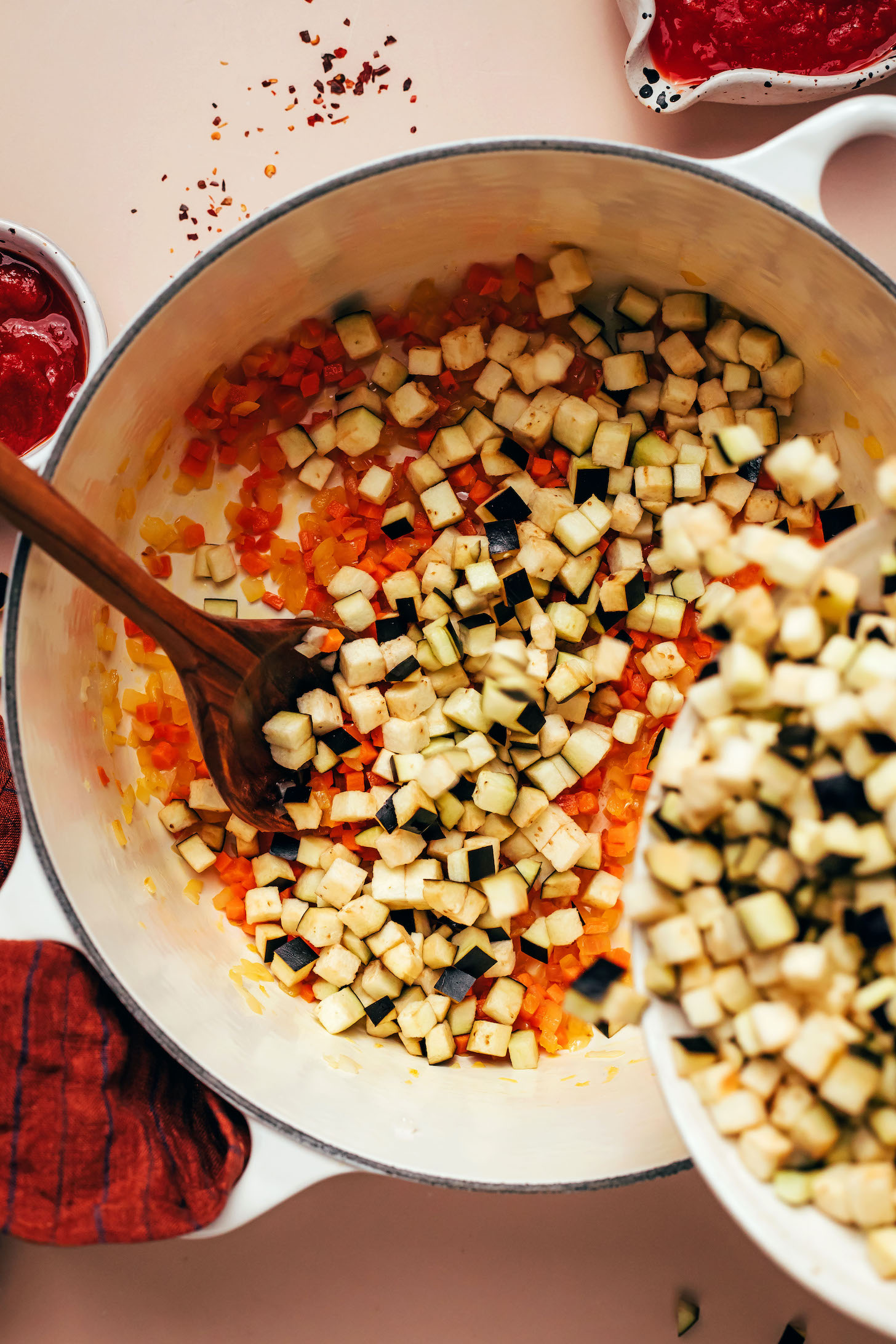
This is where the magic occurs. Once the base is aromatic, the eggplant enters the pan. Unlike quick-cooking vegetables, eggplant requires patience; it must be sautéed until it is thoroughly softened and lightly browned. This browning process—the Maillard reaction—is critical, as it unlocks the savory potential of the vegetable.

The Emulsion and Simmer (Minutes 25–45)
Once the eggplant has reached peak tenderness, the "deglazing" phase begins. A splash of wine is added to lift the fond from the bottom of the pot, followed by crushed tomatoes and a touch of tomato paste for depth. To achieve the signature creaminess often found in milk-based traditional recipes, the chefs utilize a plant-based alternative: cashew milk. This addition softens the sharp edges of the tomato acidity and adds a velvet-like texture that binds the sauce together.
Supporting Data: Nutrition and Scalability
While flavor is the primary driver, the nutritional profile of this dish is equally compelling. For those managing dietary constraints or fitness goals, the data is promising. A single serving contains approximately 284 calories, making it a relatively lean entree.
However, the standout figures are in the fiber and potassium content. With 8.3 grams of fiber per serving and over 1,000 mg of potassium, the dish serves as a nutrient-dense powerhouse. It provides a balanced macronutrient profile that keeps the diner satiated without the lethargy often associated with heavier, meat-based pasta dishes.
Furthermore, the recipe is highly "freezer-friendly," maintaining its structural integrity for up to a month in storage. This scalability makes it an ideal candidate for meal-prep enthusiasts who require reliable, reheatable dinners that do not degrade in quality over time.
Professional Perspectives and Culinary Implications
The rise of the "One-Pot" movement is not merely a fad; it is a response to the changing socioeconomic reality of the modern home. Professional chefs and food scientists alike have noted that the "minimalist" approach to cooking—reducing the number of vessels used—is a direct response to the "decision fatigue" that plagues many working individuals after a full day of labor.
The "Veggie Skeptic" Challenge
One of the most interesting aspects of this dish is its implicit goal: converting the "veggie skeptic." In many traditional households, the meat component of a pasta sauce is seen as the primary vehicle for flavor. By utilizing the unique cellular structure of the eggplant, this recipe bridges the gap between a vegetable-based dish and a hearty "meat" sauce. It acknowledges that the desire for a "hearty" dinner is a sensory preference, not necessarily a protein-dependency.

The Role of Dairy Alternatives
The use of cashew milk in this recipe is a significant departure from the traditional use of cow’s milk in Bolognese. From a culinary perspective, cashew milk is a superior choice for vegan applications due to its high fat content and neutral flavor profile. It does not curdle as easily as soy or almond milk, allowing the sauce to achieve a glossy, emulsified finish that is essential for a restaurant-quality presentation.
Implications for the Future of Home Cooking
As we look toward the future of culinary trends, the One-Pot Eggplant Bolognese serves as a case study for several emerging shifts:
- Sustainability: By reducing the reliance on animal proteins, home cooks are lowering their individual carbon footprint. Even for non-vegans, the inclusion of one or two plant-based meals per week has a measurable impact on environmental sustainability.
- Economic Efficiency: With food prices fluctuating, utilizing seasonal, affordable produce like eggplant provides a high-value meal that is significantly cheaper than sourcing high-quality ground meats.
- The Democratization of Gourmet: The availability of this recipe—and the simplicity of its execution—democratizes the act of making a complex-tasting sauce. It empowers the novice cook to create something that would have previously required a culinary education to master.
Conclusion: The New Standard
The One-Pot Eggplant Bolognese is not just a recipe; it is an invitation to reconsider the boundaries of our kitchen repertoire. It asks us to look at a humble, often misunderstood vegetable and see the potential for a rich, complex, and deeply satisfying experience.
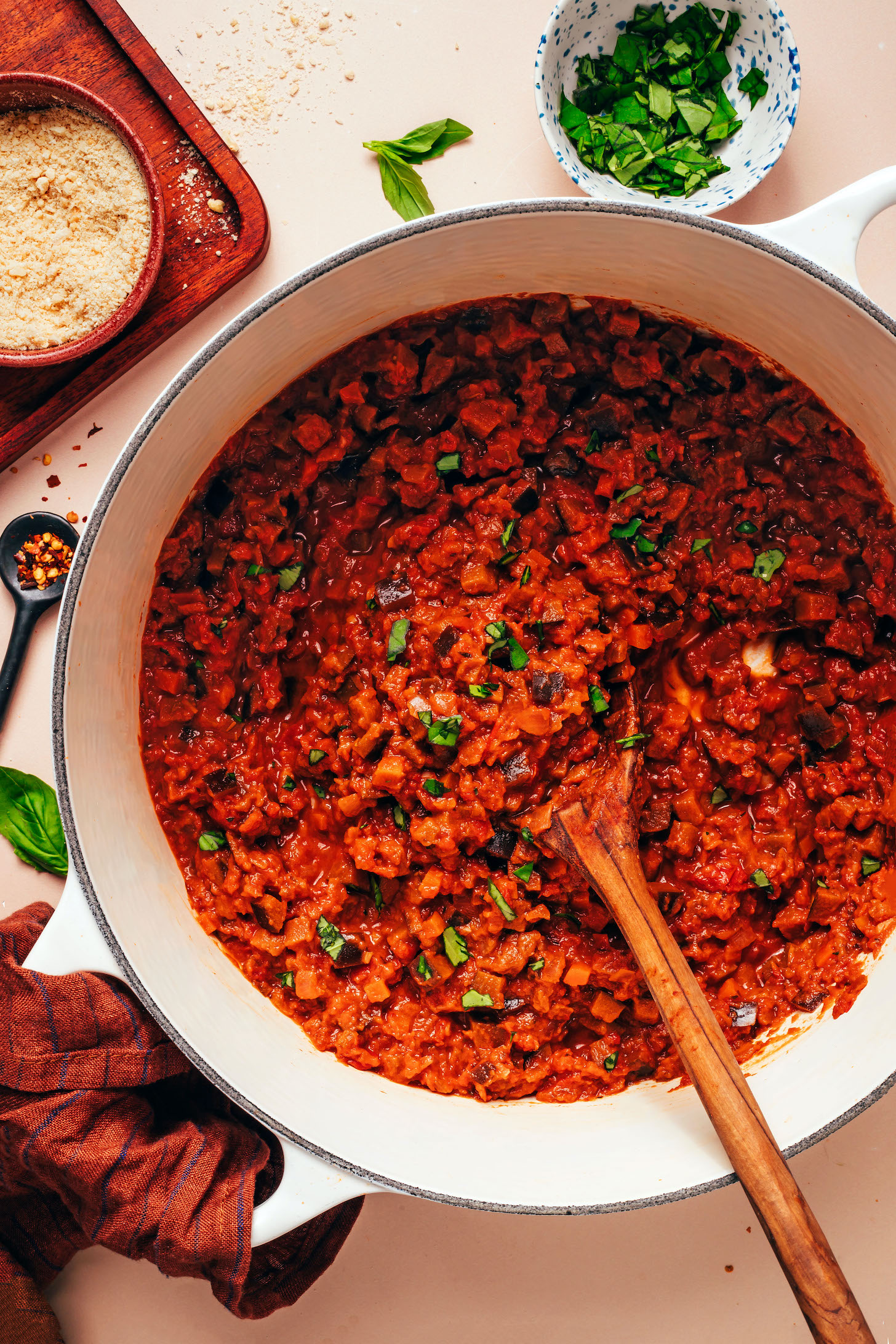
Whether you are a seasoned chef looking to expand your plant-based horizons or a busy professional seeking a reliable, one-pot solution for your weeknight needs, this dish stands as a testament to the power of simplicity. As the season turns and the evenings grow longer, there is perhaps no better way to welcome the change than with a steaming bowl of pasta, a vibrant, savory sauce, and the knowledge that dinner—truly delicious dinner—doesn’t have to be a complicated affair.
So, as you prepare to boil your water and reach for your favorite Dutch oven, remember: you are not just making dinner. You are participating in a movement that favors quality, sustainability, and the profound, simple joy of a well-crafted meal. The recipe is ready, the ingredients are waiting—all that remains is the act of creation.