By Editorial Staff
For decades, the global climate discourse has been dominated by a singular focus: carbon dioxide. While CO2 remains the most significant long-term driver of global heating due to its centuries-long residence in the atmosphere, a more volatile and potent actor has been quietly accelerating the crisis. Methane—a colorless, odorless hydrocarbon—is currently responsible for approximately one-third of the global temperature rise observed since the industrial revolution.
As the world grapples with record-breaking temperatures and increasing extreme weather, scientists and policymakers are shifting their gaze toward this "short-lived" climate pollutant. Because methane traps significantly more heat than CO2, curbing its emissions represents the single most effective strategy to slow global warming within our lifetime.

Quick Key Facts
- Atmospheric Potency: Methane is 86 times more powerful than CO2 at trapping heat over a 20-year period.
- Atmospheric Lifespan: Unlike CO2, which persists for centuries, methane breaks down in the atmosphere in approximately 12 years.
- The 2030 Goal: The IPCC indicates that a 34% reduction in methane emissions by 2030 is necessary to keep the 1.5°C global heating target within reach.
- Primary Sources: Human-caused emissions are driven by three main sectors: agriculture (livestock and rice), fossil fuels (leaking oil and gas infrastructure), and waste management (landfills).
- The "Bridge Fuel" Myth: While natural gas is often marketed as a cleaner transition fuel, methane leakage during extraction and transport often renders its total warming impact greater than that of coal.
Chronology: From Industrialization to the Modern Crisis
The rise of atmospheric methane is inextricably linked to the rapid expansion of industrial agriculture and fossil fuel consumption.
- Pre-Industrial Era: Atmospheric methane concentrations remained relatively stable for millennia, maintained by natural sinks such as soil bacteria and tropospheric chemical reactions.
- 1850s–1950s: The onset of the industrial revolution and the mass adoption of coal mining began a slow but steady increase in anthropogenic methane release.
- 1960s–2000s: The "Green Revolution" and the global scaling of industrial cattle ranching, coupled with the massive infrastructure build-out for natural gas, caused a sharp, upward trajectory in emissions.
- 2021 (COP26): The launch of the Global Methane Pledge in Glasgow signaled a turning point, with 159 nations committing to a 30% reduction in methane emissions by 2030.
- 2023–2025: Despite high-level policy pledges, atmospheric methane concentrations reached record highs of 1,934 parts per billion (ppb), underscoring a dangerous implementation gap between political promises and real-world results.
Supporting Data: The Science of Measuring Methane
Historically, methane was difficult to track, relying on "bottom-up" calculations—essentially multiplying the number of cows or drilling rigs by an estimated emission rate per unit. These methods frequently failed to account for "super-emitters," where a single piece of faulty infrastructure could leak more gas in an hour than a small city emits in a day.
Today, the scientific community has moved toward a "top-down" approach, utilizing high-altitude satellites and sensor-equipped aircraft. This technology has revolutionized our understanding:

- The Underestimation Gap: Studies show that official U.S. Environmental Protection Agency (EPA) inventories have historically underestimated methane leaks from oil and gas operations by as much as 60%.
- The 5% Rule: Research confirms that approximately 5% of leaking infrastructure is responsible for over 50% of total gas-industry emissions.
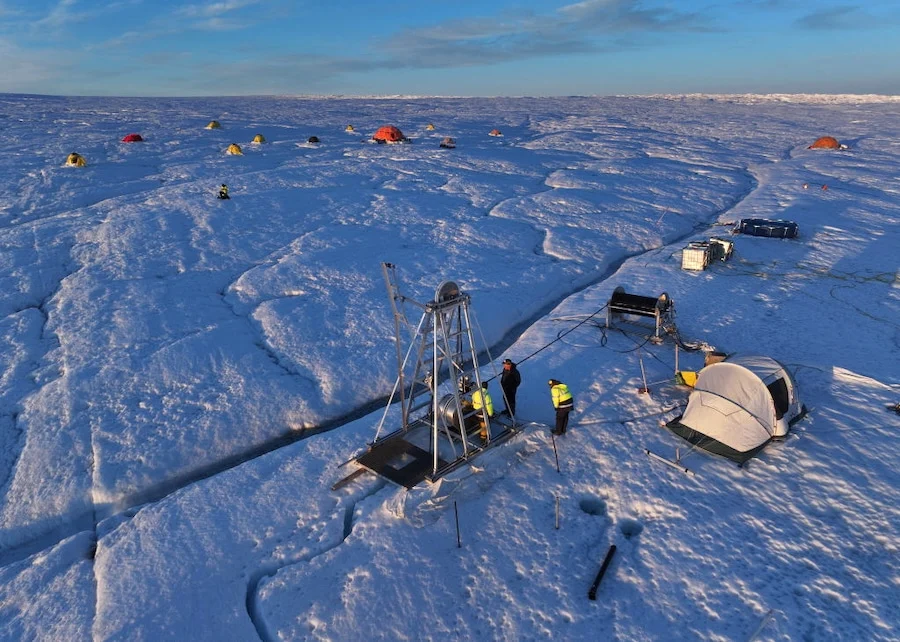
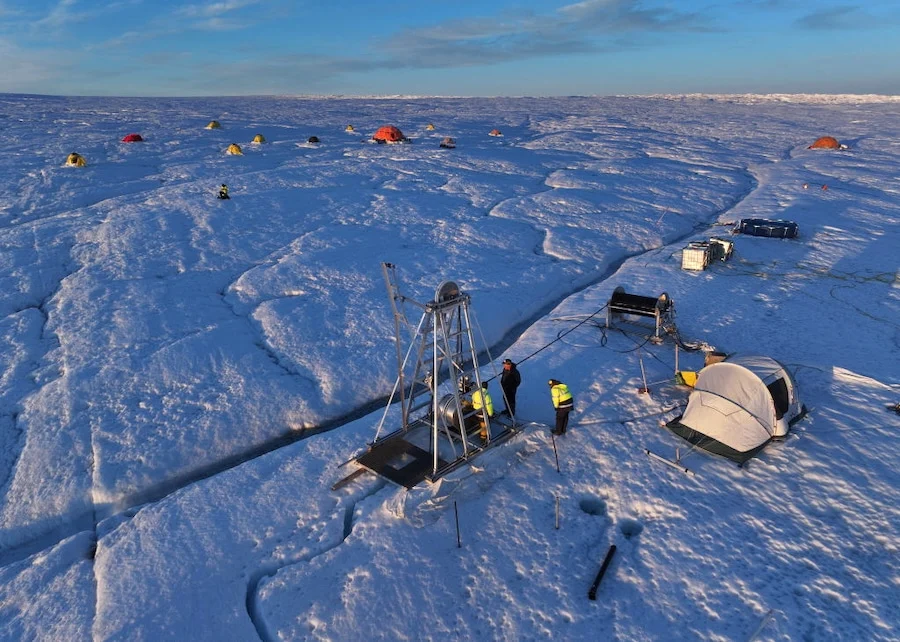
- The Wetland Feedback Loop: As the planet warms, natural wetlands—the world’s largest natural methane source—are becoming more active. Warming temperatures and shifting precipitation patterns are causing permafrost to thaw, releasing ancient methane and creating a "positive feedback loop" that threatens to accelerate warming beyond human control.
Official Responses and the Policy Landscape
The international community is currently in a race against time. The Global Methane Pledge, while ambitious, faces significant hurdles. Currently, only about 13% of all human-caused methane emissions are subject to specific, enforceable reduction policies.
The Role of International Bodies
The International Energy Agency (IEA) has been vocal in its assessment: the oil and gas sector could slash emissions by 70% using existing technology, with 40% of those reductions achievable at no net cost. Despite this, the expansion of Liquefied Natural Gas (LNG) infrastructure continues globally. The U.S., now the world’s leading exporter of LNG, faces criticism from climate scientists who argue that the build-out of new export terminals will lock in fossil fuel dependence for decades, effectively canceling out domestic climate progress.
Regulatory Challenges
Governments are under pressure to implement "leak detection and repair" (LDAR) mandates. However, the influence of the fossil fuel industry remains a significant barrier. While some regions have successfully taxed methane emissions, the lack of a standardized global verification system allows many corporations to "greenwash" their operations by reporting data that does not align with satellite-observed reality.

Implications: The High Cost of Inaction
The failure to address methane is not merely an environmental concern; it is a public health and economic crisis.
The Ozone Connection
Methane is a precursor to ground-level ozone, a potent respiratory irritant. Current methane levels are linked to approximately 500,000 premature deaths annually due to respiratory and cardiovascular disease. Reducing methane is essentially a "two-for-one" strategy: it slows global heating while simultaneously cleaning the air we breathe.
The "Bridge Fuel" Fallacy
For years, natural gas was promoted as a "bridge fuel" to move away from coal. However, the math no longer supports this. Because methane is so much more potent than CO2, a leakage rate as low as 0.2% during the lifecycle of natural gas can make it just as climate-damaging as burning coal. New data suggests that the push for LNG exports is not replacing coal in developing nations, but is instead competing with, and often displacing, investments in renewable energy.

The Tipping Point Risk
Perhaps the most alarming implication of continued methane emissions is the proximity to climate "tipping points." If Arctic permafrost continues to thaw at current rates, the sheer volume of released methane could trigger an irreversible shift in the global climate system. We are essentially betting against the stability of the Earth’s natural systems by continuing to rely on infrastructure that leaks this potent gas.
A Path Forward: Solutions at Scale
The transition required to curb methane is multidimensional, requiring systemic change alongside technical innovation.
1. Transforming Agriculture
Agriculture accounts for 40% of human-caused methane. Solutions include:

- Dietary Shifts: Reducing the global demand for meat and dairy, particularly in wealthier nations, would drastically lower the methane produced by enteric fermentation.
- Feed Supplements: Emerging research into seaweed-based cattle feed has shown the potential to reduce bovine methane emissions by over 50%.
- Rice Cultivation: Shifting to "Alternative Wetting and Drying" techniques for rice paddies can cut microbial methane production by nearly half without sacrificing yield.
2. Fossil Fuel Phase-Out and Technical Fixes
- Infrastructure Capping: Abandoned oil and gas wells are silent, massive emitters. A systematic program to cap these wells is one of the most cost-effective climate actions available.
- Venting Bans: Policymakers must move to ban routine venting and flaring, forcing companies to capture gas that is currently wasted.
3. Waste Management
- Circular Economy: Shifting to zero-waste systems that divert organic matter from landfills to composting facilities would eliminate the source of landfill-generated methane.
- Biogas Capture: Upgrading wastewater treatment facilities to capture biogas not only prevents emissions but provides a source of renewable energy.
4. Individual and Collective Action
While systemic change is the priority, individual agency remains powerful. Homeowners can transition away from gas furnaces and stoves toward electric heat pumps and induction ranges. Beyond personal lifestyle choices, the most impactful action is political: joining advocacy groups such as 350.org or Oil Change International to pressure leaders to halt the expansion of fossil fuel infrastructure.
Conclusion: The Urgency of Now
Methane is the climate crisis’s most manageable—and most dangerous—threat. By focusing on rapid, targeted reductions in methane, we have the rare opportunity to "bend the curve" of global temperature rise within a single decade. Unlike the long-term struggle to reach net-zero carbon, methane reduction offers an immediate dividend: a cooler, healthier, and more stable world. The technology exists, the economic case is clear, and the environmental necessity is absolute. The question remains: do we have the political courage to act before the methane feedback loops become uncontrollable?