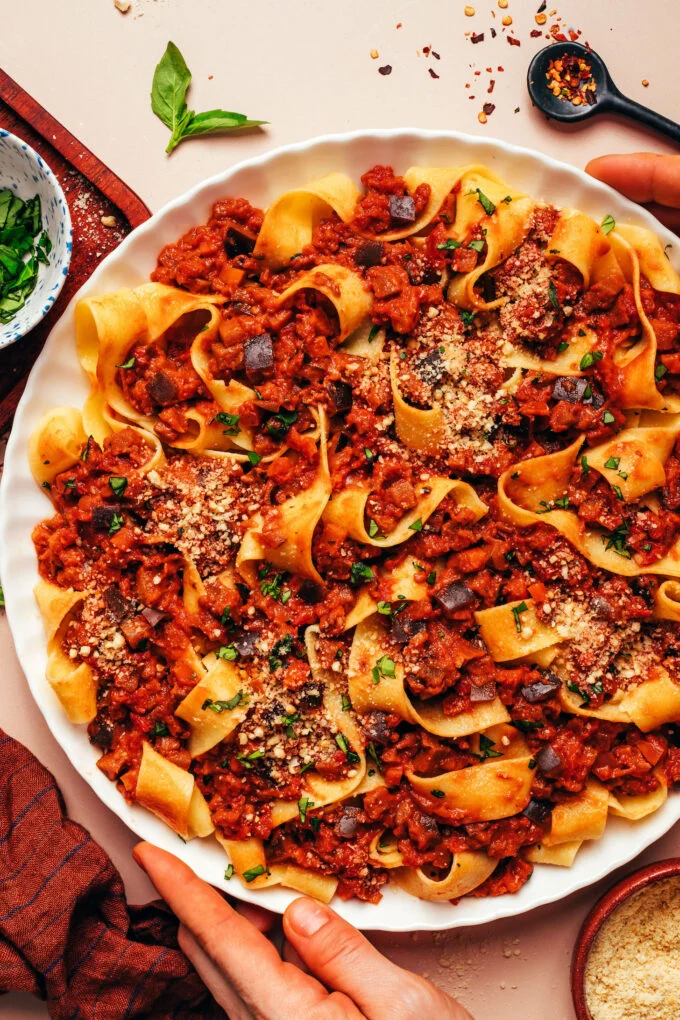
In the ever-evolving world of home cooking, few dishes occupy as hallowed a space as the traditional Bolognese. Historically anchored in the culinary traditions of Bologna, Italy, this slow-simmered, meat-heavy ragù has long been the gold standard for comfort food. However, a seismic shift in dietary preferences—marked by a pivot toward plant-forward dining and time-efficient preparation—has sparked a renaissance in how we approach this classic. Enter the "One-Pot Eggplant Bolognese," a contemporary reimagining that manages to honor the heritage of the original while embracing the minimalism of the modern kitchen.
Main Facts: A Masterclass in Efficiency and Flavor
At its core, this recipe is a triumph of culinary engineering. By replacing traditional ground meats with finely diced, caramelized eggplant, the dish achieves a texture profile that is surprisingly close to a traditional ragù, yet significantly lighter on the palate. The key to its success lies in the Maillard reaction—the chemical process that occurs when the eggplant is sautéed until browned and tender, releasing a deep, savory umami flavor that mimics the complexity of slow-cooked protein.
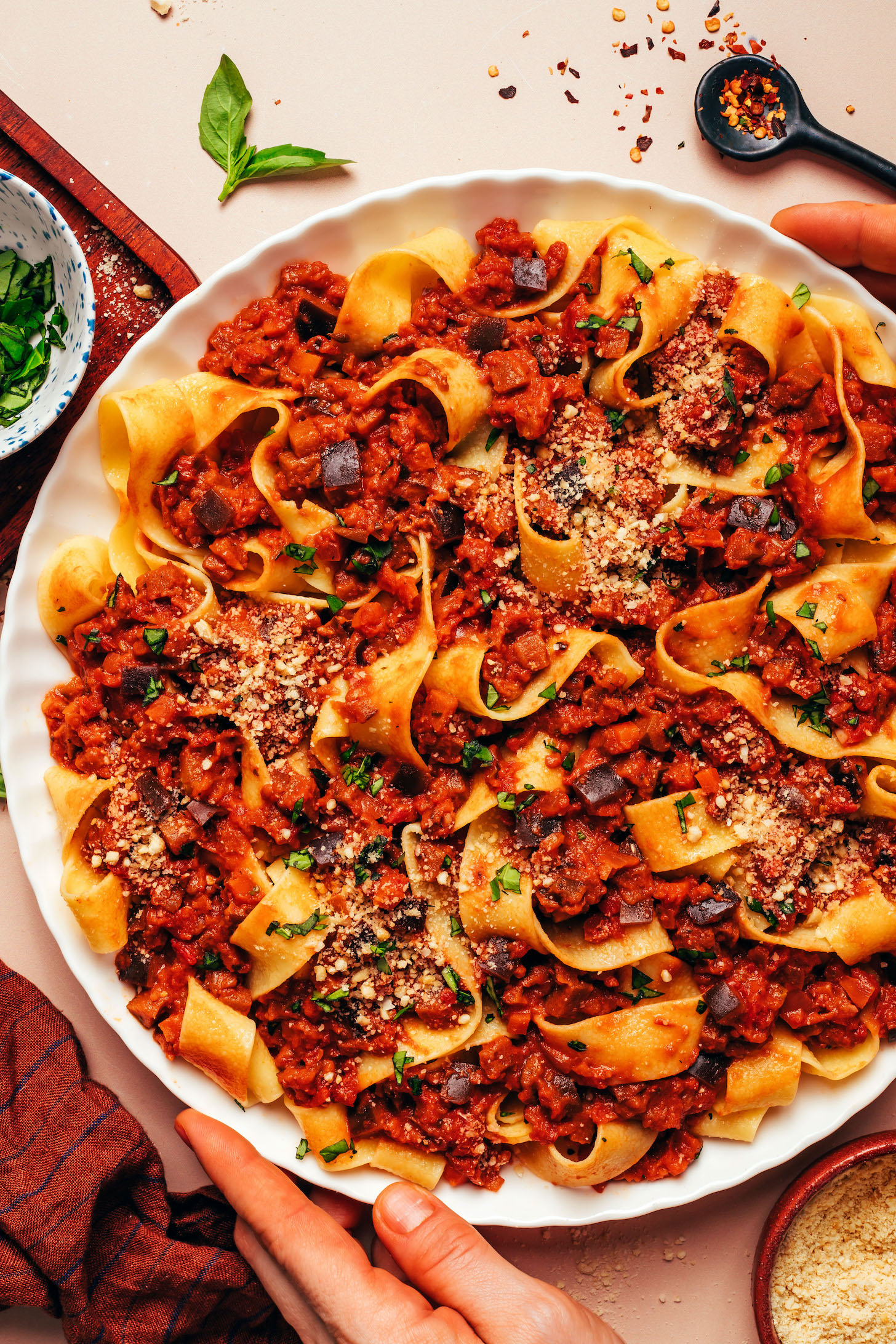
The "One-Pot" designation is not merely a marketing hook; it is a structural commitment to simplicity. By layering ingredients—starting with the soffritto base of onions and carrots, moving to the browning of the eggplant, and finishing with the deglazing of the pan—the dish streamlines the cooking process into a single vessel. This minimizes cleanup, reduces active cook time, and ensures that the flavors meld into a cohesive, harmonious sauce without the need for multiple pans or complex transitions.
The Chronology of a Culinary Evolution
To understand the significance of this recipe, one must look at the progression of "Bolognese" adaptations over the last decade. Early iterations of meat-free sauces often relied heavily on heavy legumes or highly processed meat substitutes. However, the current iteration represents a more sophisticated approach:

- The Foundation: The process begins with a meticulous sauté of onions and carrots. These aromatics form the backbone of the soffritto, providing a natural sweetness that balances the eventual acidity of the tomatoes.
- The Transformation: The introduction of cubed eggplant is the defining moment of the recipe. Unlike harder vegetables that might remain crunchy, eggplant, when sautéed properly, breaks down into a creamy, absorbent sponge that soaks up the aromatics and fats, providing a mouthfeel that is both substantial and satisfying.
- The Deglazing: A splash of wine is introduced to deglaze the pan. This step is critical; it lifts the fond—the flavorful, browned bits of vegetable left on the bottom of the pot—and incorporates them into the sauce.
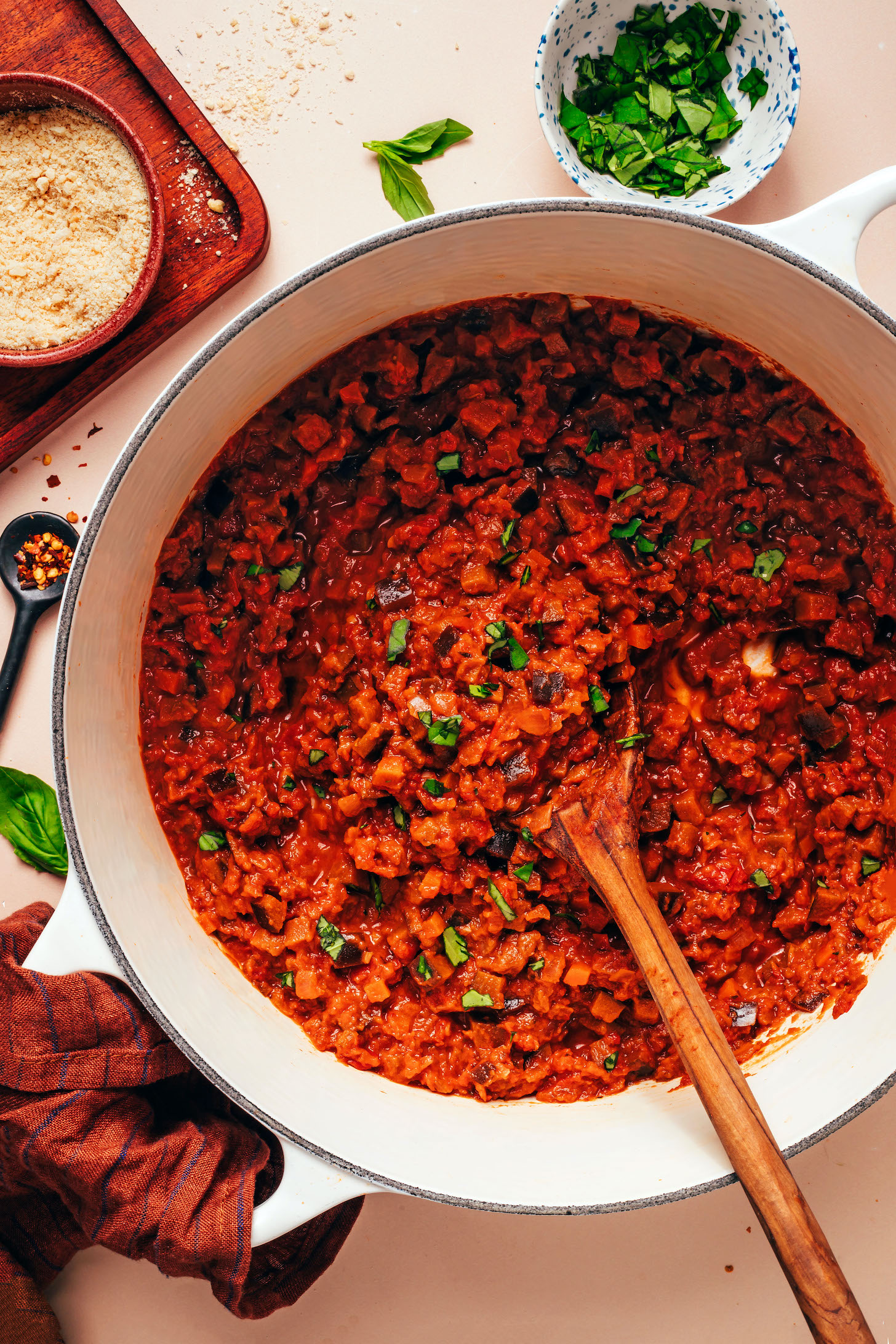
- The Simmer: Once the crushed tomatoes, tomato paste, and cashew milk are added, the heat is reduced. A minimum simmer of 20 to 30 minutes is required, though the dish benefits immensely from an hour-long transformation, where the liquid reduces and the flavors concentrate into a deep, vibrant profile.
Supporting Data: Nutritional Density and Culinary Versatility
While the flavor profile is the primary draw, the nutritional data behind this dish offers a compelling argument for its inclusion in a balanced diet. With approximately 284 calories per serving, it offers a nutrient-dense alternative to traditional pasta sauces.
Nutritional Highlights (Per Serving):
- Fiber: 8.3g, contributing significantly to daily digestive health.
- Protein: 6.6g, a respectable amount for a vegetable-based dish, which can be further bolstered by the addition of lentils or vegan protein pairings.
- Iron: 3.7mg, an essential mineral for energy production.
- Potassium: 1040mg, helping to maintain blood pressure levels.
The versatility of this sauce is perhaps its greatest strength. It is inherently vegan and can easily be adapted for gluten-free diets by serving it over polenta or gluten-free pasta varieties. Its ability to serve as a base for further customization—whether one chooses to add protein-rich red lentils, vegan meatballs, or even a touch of dairy-free parmesan—makes it an incredibly robust tool in a home cook’s repertoire.

Professional Perspectives and Culinary Implications
Food critics and professional chefs alike have noted that the "Bolognese" label has become a proxy for "hearty, satisfying comfort." When we analyze the implications of a recipe like this, we see a broader trend: the "democratization of fine dining." By providing home cooks with techniques that were once reserved for professional kitchens—such as the proper deglazing of a pan and the balancing of acidity with maple syrup—the recipe elevates the home-cooked experience.
Moreover, the shift toward using produce like eggplant—an ingredient once relegated to side dishes or specific cuisines—as the star of an entrée reflects a more sustainable approach to food consumption. It demonstrates that a dish does not require animal-derived fats or proteins to achieve the depth of flavor that we associate with "soul food."

The Broader Implications for Modern Dining
The rise of the One-Pot Eggplant Bolognese is not just a passing trend; it is indicative of a permanent shift in how we prioritize our time and health. In a world where the average consumer is increasingly time-poor, the ability to produce a restaurant-quality meal in under 45 minutes is a massive value proposition.
Furthermore, this recipe challenges the "veggie skeptic" narrative. By focusing on the texture of the vegetable rather than masking it, the dish succeeds in bridging the gap between plant-based eating and traditional comfort food preferences. It is an entry point for those who are curious about plant-based living but are unwilling to sacrifice the ritual of a slow, savory pasta night.
Conclusion: A New Staple for the Modern Kitchen
As we move further into the decade, the criteria for a "great recipe" have become increasingly rigorous. It is no longer enough for a dish to be delicious; it must also be accessible, efficient, and nutritionally sound. The One-Pot Eggplant Bolognese checks every one of these boxes.
By taking the time to properly brown the vegetables and balance the acidity of the tomatoes with the creaminess of plant-based milks, the home cook is rewarded with a meal that feels both indulgent and responsible. Whether you are hosting a dinner party and looking for an impressive, plant-based entrée, or simply seeking a reliable weeknight staple that makes for excellent leftovers, this recipe stands as a testament to the fact that simplicity and sophistication are not mutually exclusive.
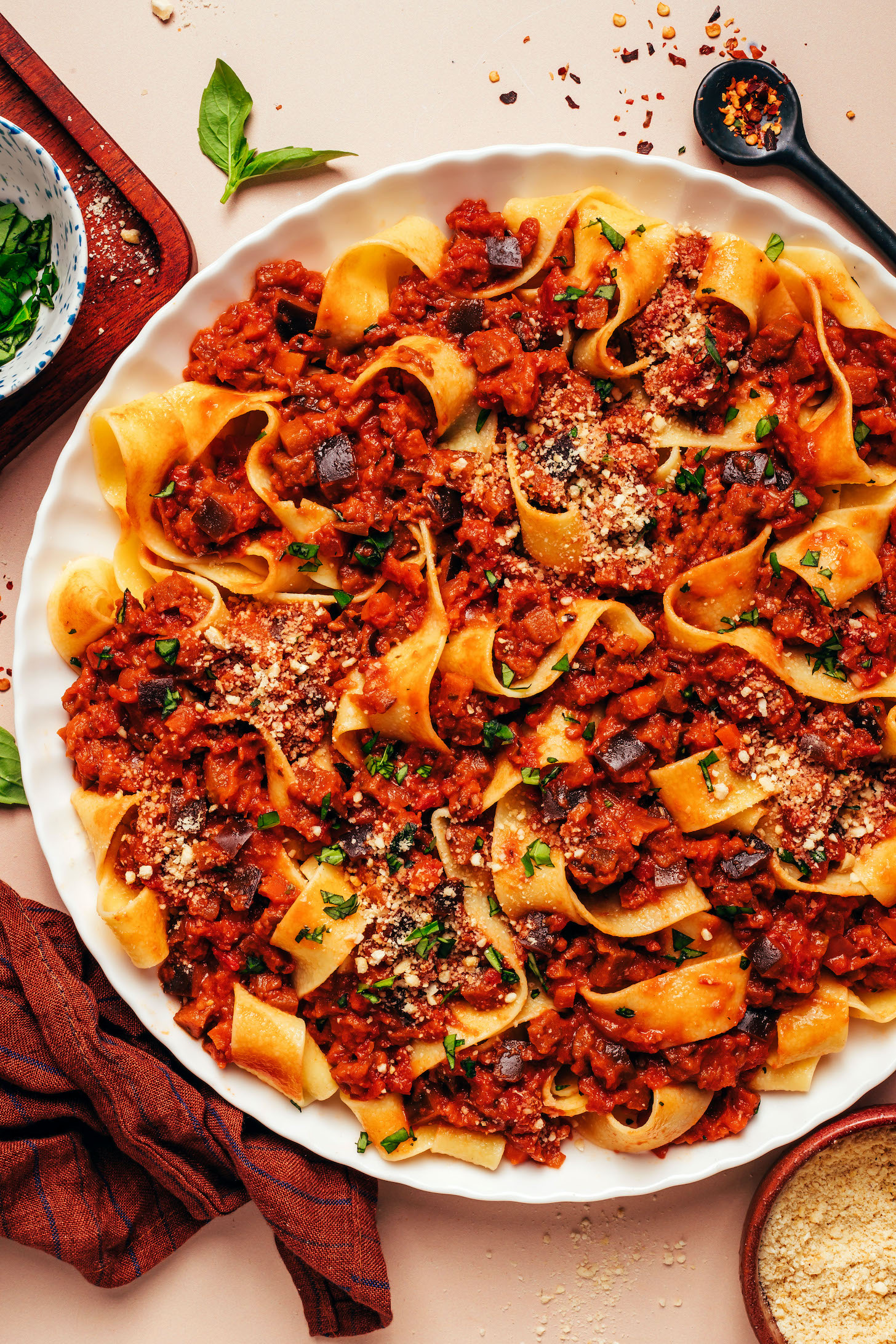
As the late summer harvest gives way to the cooler months of autumn, this dish serves as a perfect transition—bright enough to honor the end of the season’s fresh produce, yet hearty enough to provide the warmth required for the coming winter. Get that pasta water boiling; the evolution of the Bolognese is here, and it’s better than ever.