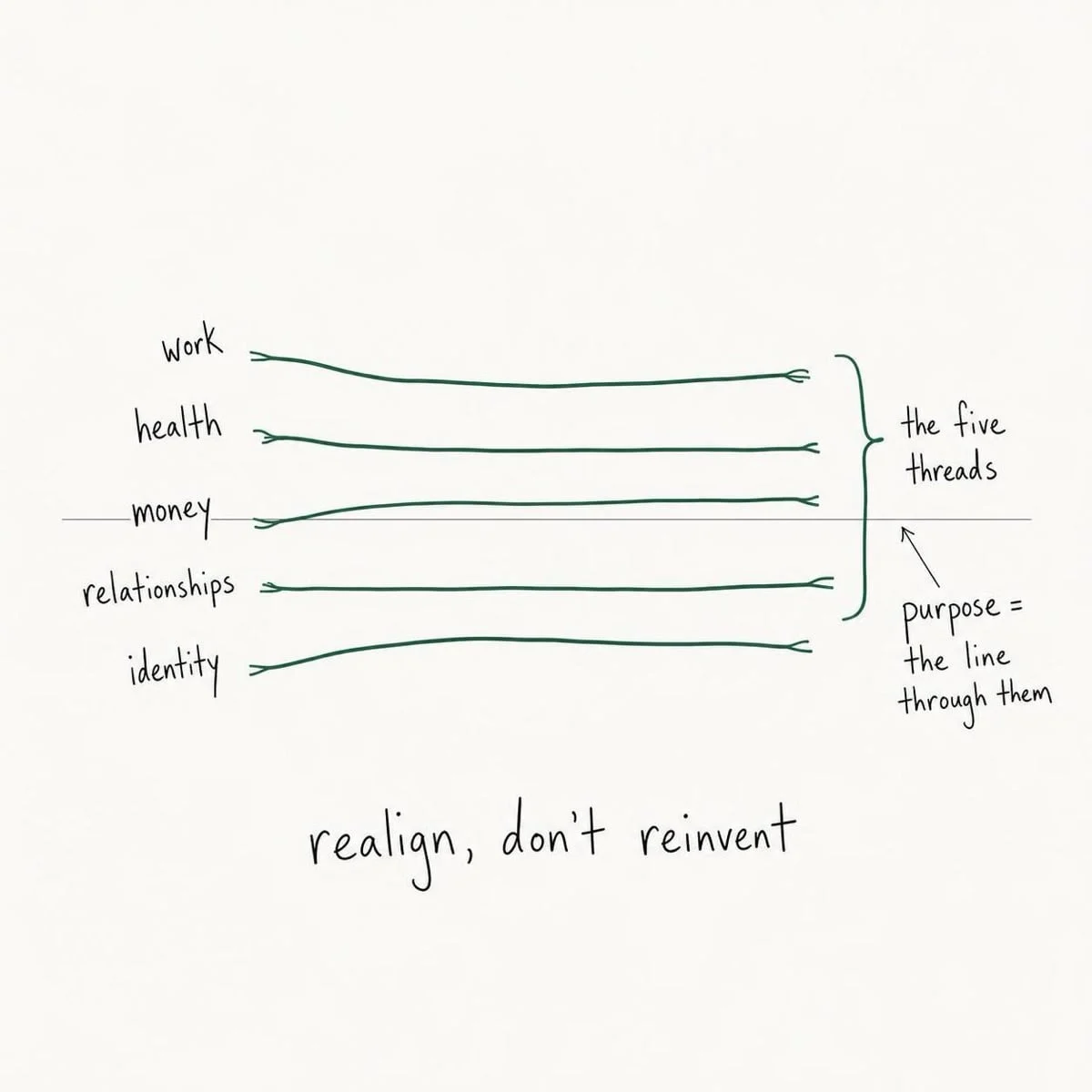
Divorce at 50 is a unique crucible. It is a life event that often arrives not just with emotional turbulence, but with the sudden, jarring requirement to reorganize the entire infrastructure of adulthood. When a long-term marriage ends in your fifth decade, the collapse is rarely limited to the relationship; it encompasses the mortgage, the social circle, the career trajectory, and the very definition of one’s identity.
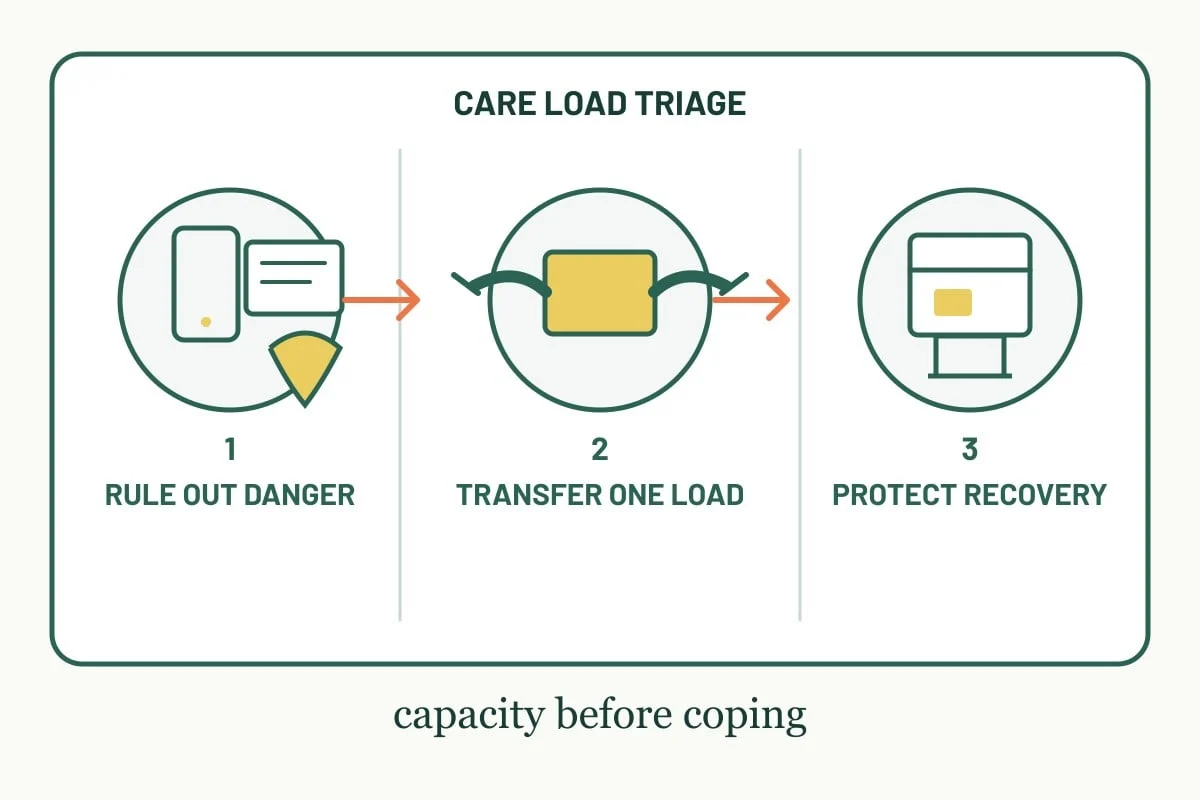
For many, the initial instinct is a desperate, frantic scramble to "reinvent" everything. The pressure to secure a new apartment, overhaul one’s appearance, pivot careers, and craft a vibrant new social life can be overwhelming. However, experts suggest that this "all-at-once" approach is often a byproduct of trauma-induced anxiety rather than a sound strategy. When the floor is moving beneath you, the most important task is not to decorate the ceiling—it is to stabilize the foundation.
The Reality of Midlife Transition: A Layered Rebuild
The philosophy of "Stability Before Reinvention" is gaining traction among life coaches and therapists specializing in midlife transitions. Instead of treating divorce as a singular, explosive event that necessitates a total life overhaul, it is more effective to view it as a structural project requiring a layered approach.
The first layer is the "Floor"—the non-negotiable elements of survival: safety, housing, liquid assets, legal deadlines, health coverage, and sleep hygiene. The second layer is the "Workable Week"—the creation of reliable routines that prevent decision fatigue. Only after these two layers are firmly in place can one safely move to the third layer: "Identity Exploration," where you test who you want to become through small, reversible experiments.
The Dangers of "All-At-Once" Reinvention
When we are stressed, our executive function—the part of the brain responsible for planning, focus, and long-term decision-making—often falters. Research into cognitive load suggests that when an individual is forced to make a multitude of high-stakes decisions simultaneously, the quality of those decisions inevitably degrades.
A fresh-start fantasy, while emotionally comforting, is often financially and mentally expensive. Moving to a new city while navigating a legal separation or quitting a job to "find yourself" while your credit is in flux adds unnecessary variables to an already volatile situation. The goal of a structured rebuild is to allow the "stressed mind" to rest by offloading the burden of constant, high-stakes decision-making.
Step-by-Step: The Chronology of Recovery
Recovery is not a linear sprint; it is a series of manageable, iterative steps. By following a structured timeline, you move from crisis management to stabilization.
Week 1: Triage and The Four-Column Inventory
In the first week, focus exclusively on risk mitigation. Create a "Four-Column Inventory" to organize the chaos. Your columns should be:
- Urgent (e.g., immediate safety, medicine, utility cut-offs).
- This Month (e.g., meeting with a lawyer, updating insurance beneficiaries).
- Needs a Professional (e.g., tax advice, mortgage refinancing).
- Can Wait (e.g., changing your entire wardrobe, moving to a new state).
By explicitly labeling items as "Can Wait," you grant yourself permission to ignore them for the time being, drastically reducing the mental noise.
Week 2: Establishing Anchors
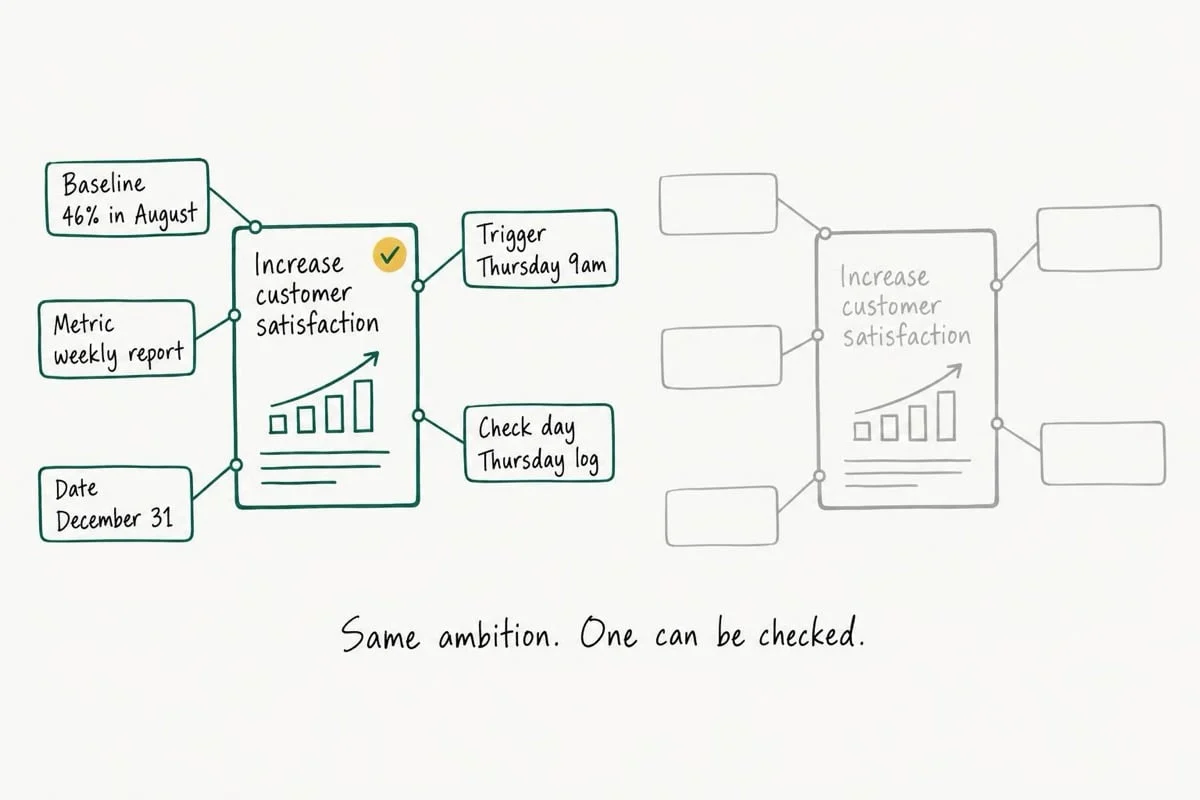
Once the immediate fires are extinguished, build a "trustworthy week." This does not mean filling your calendar; it means creating anchors. An anchor is a specific, non-negotiable activity that remains constant. For example, every Tuesday at 6:00 PM, you open your "divorce folder" for 45 minutes to handle paperwork. By limiting the time, you prevent the divorce from bleeding into every hour of your existence. Combine this with one physical anchor (like a 20-minute walk) and one social anchor (a 15-minute phone call with a trusted friend).

Week 3 & 4: Small, Reversible Tests
By the third and fourth weeks, you may begin to feel the urge to change your life’s direction. Use the "Reversible Experiment" rule. If you want to change your career, don’t quit your job; take a one-day seminar or volunteer in the field. If you want to move, rent an Airbnb in a target neighborhood for a week before signing a lease. These tests provide data without risk.
Supporting Data: The Financial and Psychological Landscape
The financial impact of divorce at 50 is significant. A longitudinal study regarding divorce in the 50+ demographic revealed that women, on average, see a 45% decline in their standard of living, while men experience a 21% decline. Furthermore, total household wealth often drops by nearly half due to the cost of legal fees, the division of assets, and the loss of economies of scale.
These statistics are not meant to induce panic, but to enforce the necessity of "sober financial attention." Your divorce decree is a legal document, but it does not necessarily protect you from joint liabilities. The Consumer Financial Protection Bureau (CFPB) warns that removing a name from a property title does not automatically absolve that person from mortgage debt. Understanding these nuances early can prevent years of credit damage.
Official Responses and Available Resources
It is crucial to recognize that there is no "normal" path to recovery. Studies of over 300 individuals post-divorce indicate that there are multiple patterns of adjustment, ranging from rapid resilience to prolonged difficulty. Your journey is uniquely yours.
However, if your situation involves power imbalances or safety concerns, specialized intervention is mandatory.
- National Domestic Violence Hotline: If a partner or former partner is monitoring, threatening, or controlling you, contact the National Domestic Violence Hotline. They offer confidential safety planning and can help you navigate leaving a toxic environment without alerting the other party.
- Mental Health Crisis: If the weight of the transition leads to a mental health, suicide, or substance-use crisis, call or text 988 in the U.S. to reach the 988 Lifeline.
- Legal Aid: For those with limited resources, the Legal Services Corporation provides a directory of local, funded civil legal-aid organizations.
The Implications of Self-Compassion
Perhaps the most overlooked element of starting over is the role of self-compassion. Research suggests that individuals who practice self-compassion during the divorce process report lower levels of "emotional intrusion"—the unwanted, painful thoughts that disrupt daily functioning—up to nine months post-separation.
Self-compassion is not about telling yourself that everything is "fine." It is about acknowledging, "This is incredibly hard, and I am going to make some clumsy choices." When you move the furniture and decide you don’t like it, or when you join a social group and find you don’t fit in, these are not failures of character. They are data points. They are evidence that you are beginning to build a life that reflects who you are today, rather than who you were twenty years ago.
Conclusion: The Path Forward
Starting over after 50 is a marathon, not a sprint. The goal is not to reach a state of perfection, but to reach a state of agency. By protecting your floor, anchoring your week, and testing your identity, you create the space necessary to heal.
Remember, the goal of this process is not to erase the person you were, but to assemble the person you are becoming from the evidence of your own life. Protect the floor today. Secure your documents, verify your health coverage, and reach out to one professional. Tomorrow, you can build the walls. But for now, focus on the foundation. You have the time, and you have the capability to make the next decision a safer one.