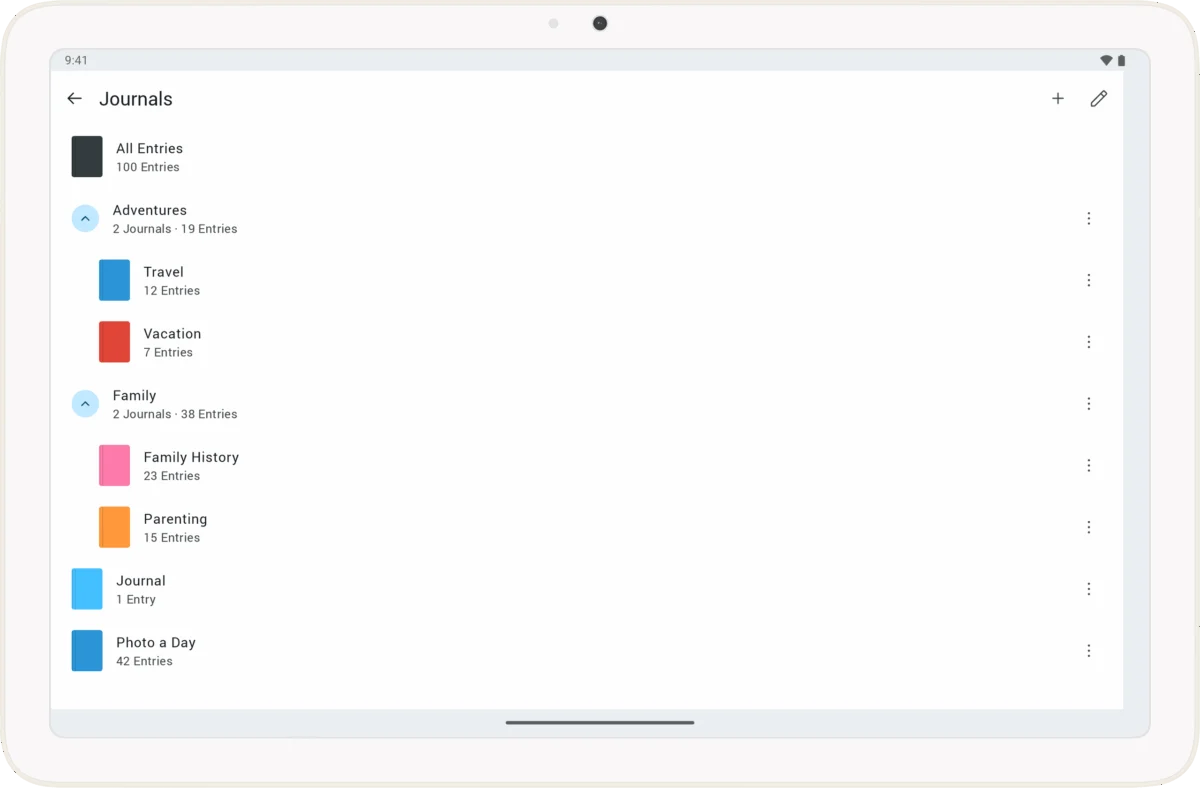
For many devoted users, the digital journaling app Day One has long served as a central nervous system for their lives. It is where the professional meets the personal: travel logs sit alongside work-related brain dumps, while gratitude practices share digital space with dream records and parenting diaries. However, as the depth of a user’s journaling practice grows, so does the complexity of their digital interface. Over time, a long, sprawling sidebar of individual journals can transform a tool designed for mindfulness into a cluttered digital workspace.
In a bid to address this, Day One has officially rolled out "Journal Collections," a structural update designed to bring hierarchy and clarity to the user experience without fundamentally altering the core mechanics of the platform.
The Evolution of Digital Archiving: Main Facts
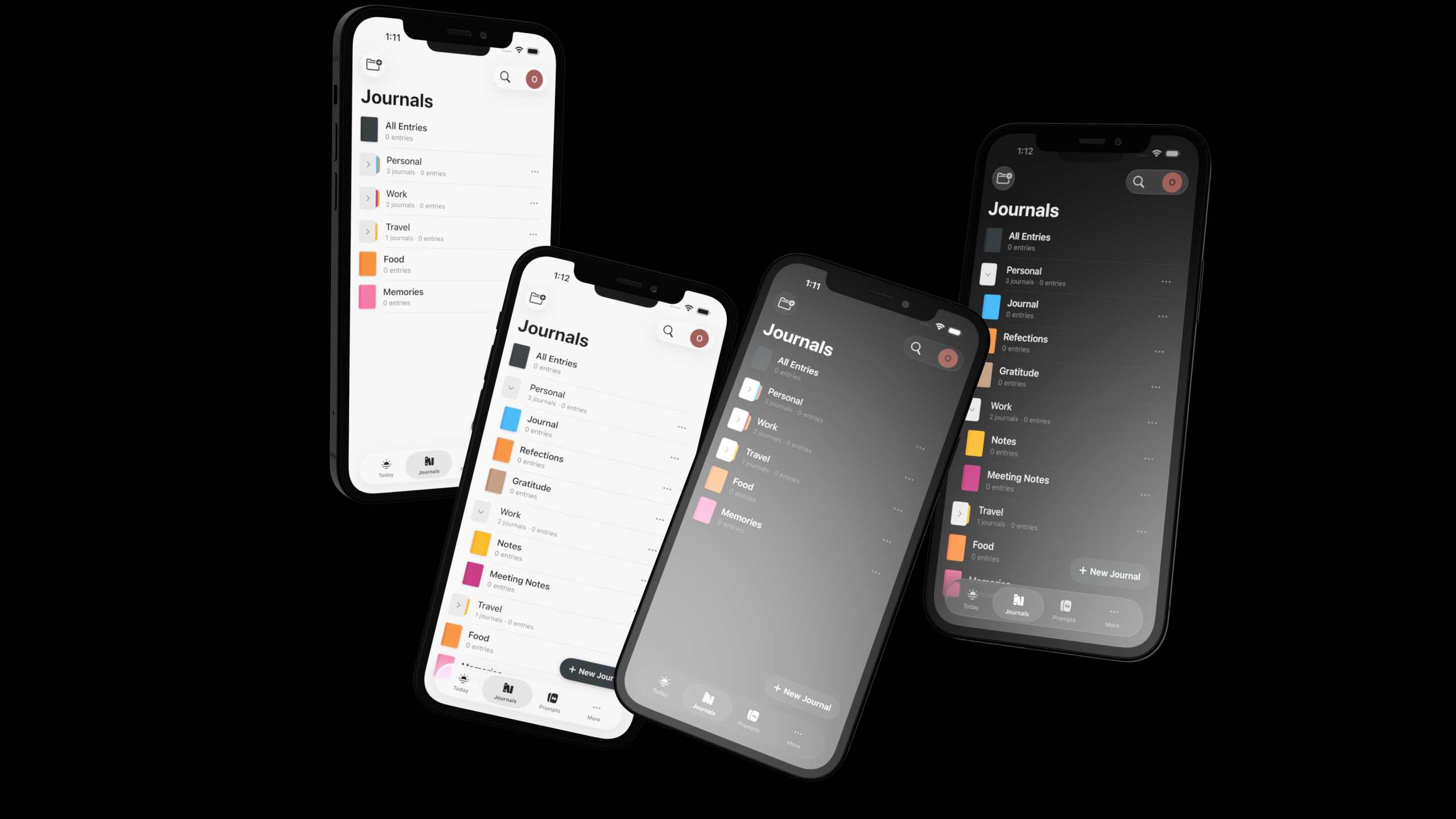
The introduction of Journal Collections marks a significant shift in how Day One manages user data. Rather than forcing users to scroll through an endless list of individual tabs, the new feature allows for the grouping of journals into categorized, collapsible folders.
The core philosophy behind this update is "organizational minimalism." A Collection acts as a container—a named group—that houses specific journals. Users can curate their sidebar by grouping journals based on context, such as "Work," "Family," "Personal Growth," or "Travel." Most importantly, the company has emphasized that these collections do not change the underlying data structure. Entries do not merge, sync protocols remain untouched, and individual journal settings—such as reminders or encryption—function exactly as they did before the collection was created.
A Chronological Shift in Sidebar Management
The trajectory of Day One’s development has always prioritized simplicity. Since its inception, the app has favored a linear, chronological flow. However, as the user base expanded, the feedback regarding sidebar "clutter" became impossible to ignore.
- Early Days: The app operated on a simple, flat structure. Every journal was equal, and navigation was straightforward.
- The Growth Phase: As users adopted the app for multifaceted life tracking, the number of journals per user increased. The sidebar began to feel overwhelming, leading to "journal fatigue," where users felt discouraged from opening the app due to the sheer volume of options.
- Development of Collections: Over the last year, the development team focused on finding a balance between robust organization and the app’s signature simplicity. They explicitly chose to avoid "nested folders," fearing that complex, multi-level hierarchies would undermine the user’s ability to quickly record entries.
- The Launch: With the most recent update across mobile and desktop platforms, Journal Collections went live, offering a single-level hierarchy that maintains the speed and accessibility that the brand is known for.
Supporting Data and User Habits
The decision to implement collections was driven by internal usage metrics and qualitative user surveys. Day One’s research indicated that a "power user" typically manages anywhere from five to fifteen distinct journals. In a mobile environment, where screen real estate is limited, a list of fifteen items creates a significant cognitive load.
According to product usage data, users who reach the ten-journal threshold often stop creating new journals, even when they would benefit from a new space for a specific project. By introducing the ability to collapse groups, Day One aims to lower the "barrier to entry" for creating new, specialized journals.
Furthermore, the technical implementation ensures that performance is not compromised. The collapse state of a collection is saved locally on the device (iPhone, iPad, Mac, and Android), meaning the UI remains responsive even for users with hundreds of entries spread across dozens of journals.
Official Perspective: The Philosophy of Clarity
In a statement regarding the release, the Day One development team clarified that the goal was not to add features for the sake of complexity, but to reduce the friction inherent in digital archiving.
"We want the sidebar to be a tool that serves the user, not a list that distracts them," a spokesperson for the company noted. "Many of our users treat their journals as a system. They have a work log, a parenting diary, and a travel journal. If these are all in one flat list, the user has to spend extra time finding the right place to write. We want to provide a way to organize that growth so the sidebar feels calm and navigable again."
The company stressed that the feature is designed to be "non-destructive." Users can move journals in and out of collections at will, and deleting a collection does not result in data loss. The journals simply return to the top-level root directory, ensuring that the integrity of the user’s archives remains protected regardless of how they choose to organize their interface.
Implications for the Journaling Community
The release of Journal Collections has significant implications for how digital journaling is perceived as a productivity and wellness tool.
1. Improved Context Switching
For professionals using Day One, the ability to collapse a "Work" collection during personal time—or vice versa—is a major psychological benefit. By visually hiding journals that are not relevant to the current context, the app helps users maintain focus. This creates a "digital boundary" that mirrors the physical act of closing a notebook before shifting gears to a different part of one’s life.
2. Encouraging Granular Tracking
Previously, users might have hesitated to create a journal for a short-term project (e.g., "Home Renovation 2026") because it would clutter their sidebar permanently. With Collections, users are more likely to create temporary, highly specific journals, knowing they can tuck them away into an "Archive" collection once the project is complete. This encourages more detailed, nuanced record-keeping.
3. Subscription Tiers and Accessibility
The update introduces a clear distinction between free and subscription features. While all users can view, expand, and manage journals within collections, the creation of new collections is restricted to Day One Silver and Gold subscribers. This signals the company’s intent to provide premium, workflow-optimizing features to its most engaged, paying users while keeping the fundamental "journaling experience" accessible to everyone.
Technical Constraints and Future Rollouts
While the feature is robust, the company has been transparent about its current limitations.
- Nested Folders: By design, collections cannot be nested within other collections. The company argues that simplicity is the best policy for long-term data management.
- Platform Disparity: Currently, while the feature is available on mobile and Mac, the web and Windows versions are in a rolling release phase. Users on these platforms may see their journals, but the ability to create or edit collections may not yet be active.
- Sync Reliability: The company has confirmed that the structure of collections syncs seamlessly across devices. This is a critical factor for users who move between an iPhone and a desktop, ensuring that their organizational logic remains consistent regardless of the hardware.
Conclusion: A More Mindful Interface
In an era of digital saturation, where applications often compete for attention through increasingly complex feature sets, Day One’s "Journal Collections" is a refreshing exercise in restraint. It acknowledges that as our lives evolve, our systems must grow with us—but it insists that such growth should not come at the cost of the calm, reflective space that journaling requires.
By providing a clean, organized, and flexible way to group journals, Day One has successfully bridged the gap between the chaotic, messy reality of daily life and the orderly, reflective nature of a well-kept archive. Whether for the casual diarist or the systematic life-tracker, this update provides the breathing room necessary to continue the work of documenting one’s existence.