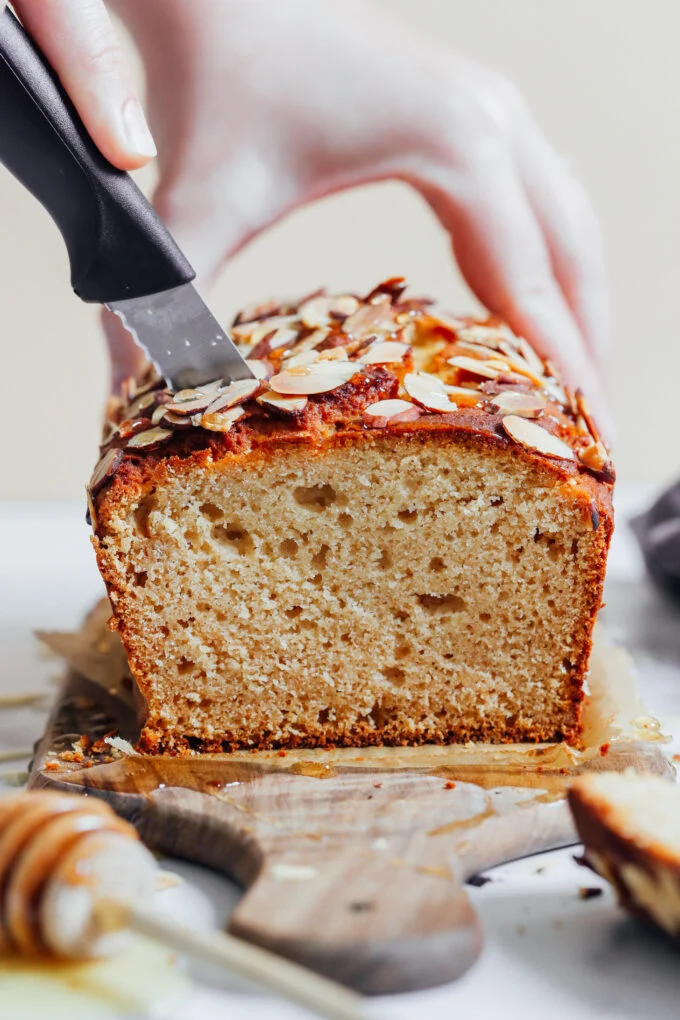
In the rapidly evolving landscape of home baking, a quiet revolution is taking place. As modern households grapple with the dual pressures of limited time and increasing dietary restrictions, the classic "snack cake" has emerged as a culinary hero. Leading the charge is a recipe that has captured the attention of culinary enthusiasts and busy home cooks alike: the 1-Bowl Honey Almond Snack Cake.
Characterized by its distinctively floral profile, moist sponge, and effortless preparation, this dish represents more than just a sweet treat. It is a masterclass in minimalist ingredient engineering—achieving a gluten-free and dairy-free status that remains "undetectable" to the palate. By stripping away unnecessary complexity and focusing on high-quality, naturally sweetened components, this loaf has become a case study in the intersection of health-conscious eating and nostalgic comfort.
Main Facts: The Anatomy of a Modern Classic
The 1-Bowl Honey Almond Snack Cake is defined by a rigorous focus on utility. The core philosophy behind the dish is the reduction of friction in the kitchen; by utilizing a single mixing bowl and requiring no electric mixers, the recipe lowers the barrier to entry for novice bakers while providing a consistent, professional-grade result for seasoned veterans.
Key Nutritional and Compositional Highlights:
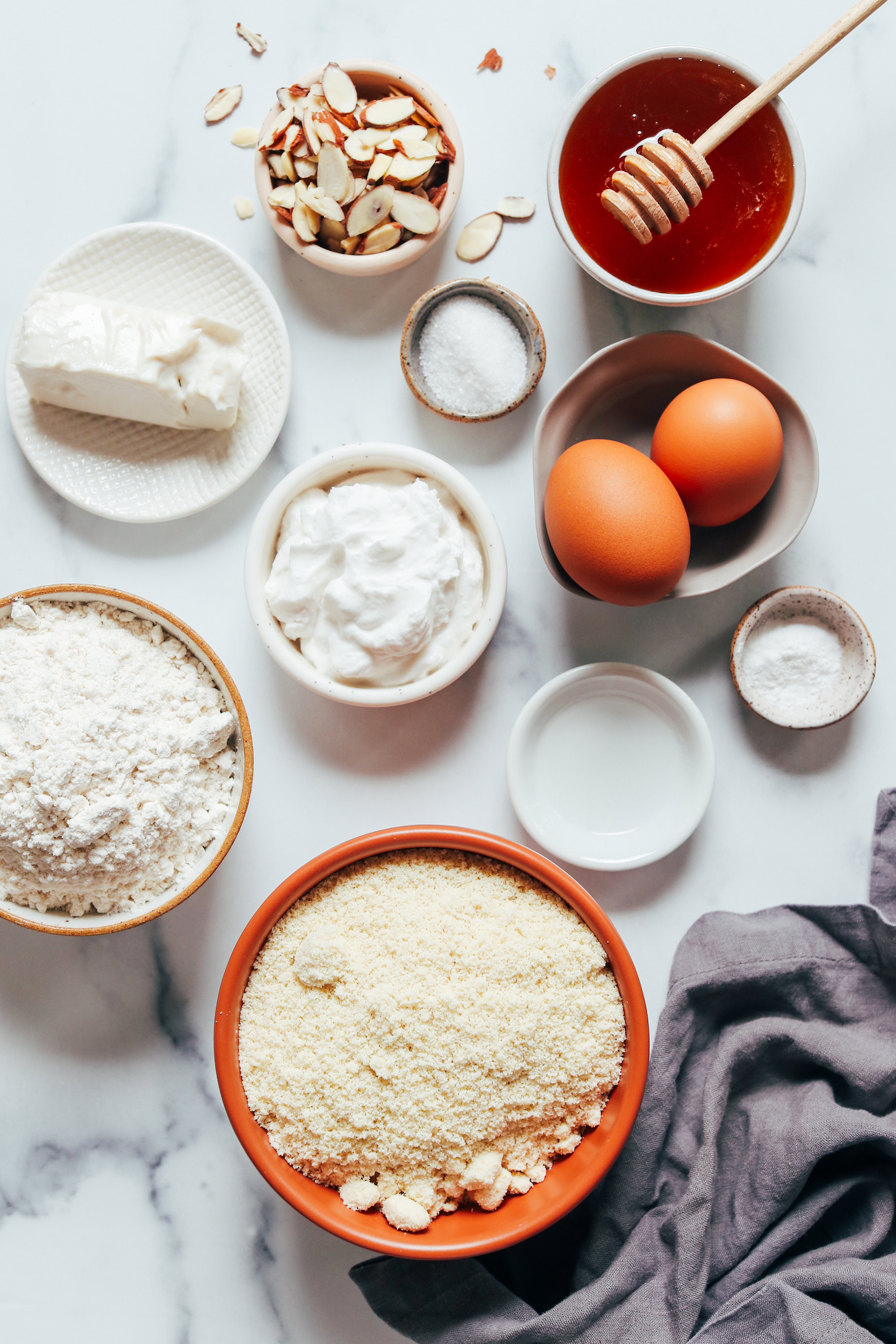
- The 10-Ingredient Constraint: The recipe relies on a curated list of ten pantry staples, including almond flour, a specialized gluten-free flour blend, dairy-free butter, eggs, honey, and almond extract.
- Dietary Accessibility: Engineered to be both gluten-free and dairy-free, the cake addresses the two most common dietary sensitivities in the modern Western diet without sacrificing structural integrity or moisture.
- Natural Sweetness: Unlike traditional commercial snack cakes that rely heavily on refined sugars, this recipe leans into the depth of honey, which provides both a complex flavor profile and superior moisture retention.
- Efficiency: With a prep time of just 10 minutes and a total bake time under an hour, the cake fits seamlessly into the "snack-centric" lifestyle, where food must be both high-quality and rapidly available.
Chronology: From Concept to Kitchen Staple
The journey of the honey almond snack cake from an experimental kitchen concept to a viral phenomenon can be traced through a methodical development process.
Phase 1: Formulation and Testing
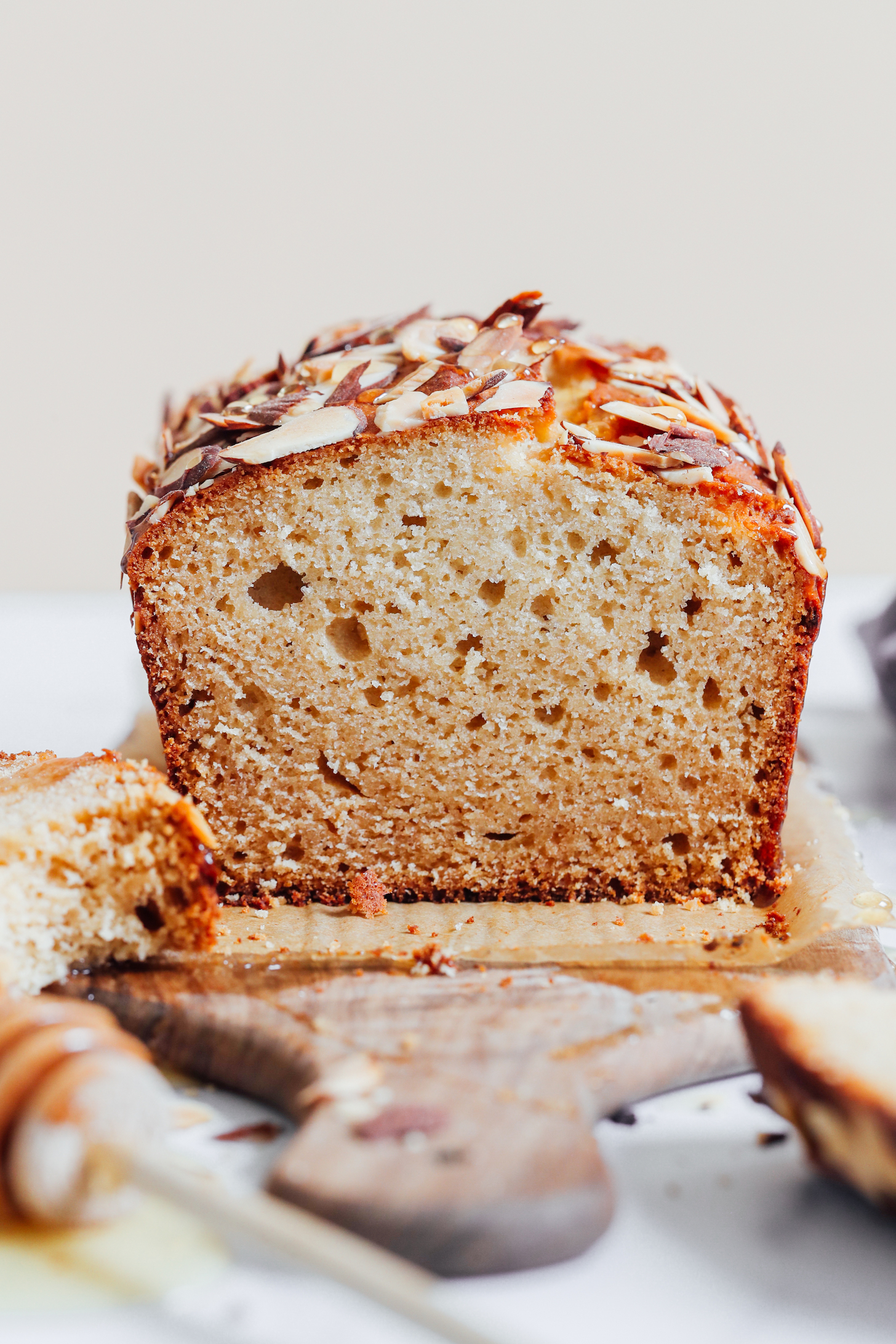
The inception of the recipe began with the search for a "perfect" afternoon pairing for tea and coffee. Culinary developers sought to move away from the dense, often dry texture that historically plagued gluten-free baking. By incorporating dairy-free yogurt and a specific ratio of almond flour to a 1:1 gluten-free blend, developers were able to mimic the crumb structure of a traditional wheat-based sponge.
Phase 2: Refinement of the "1-Bowl" Methodology
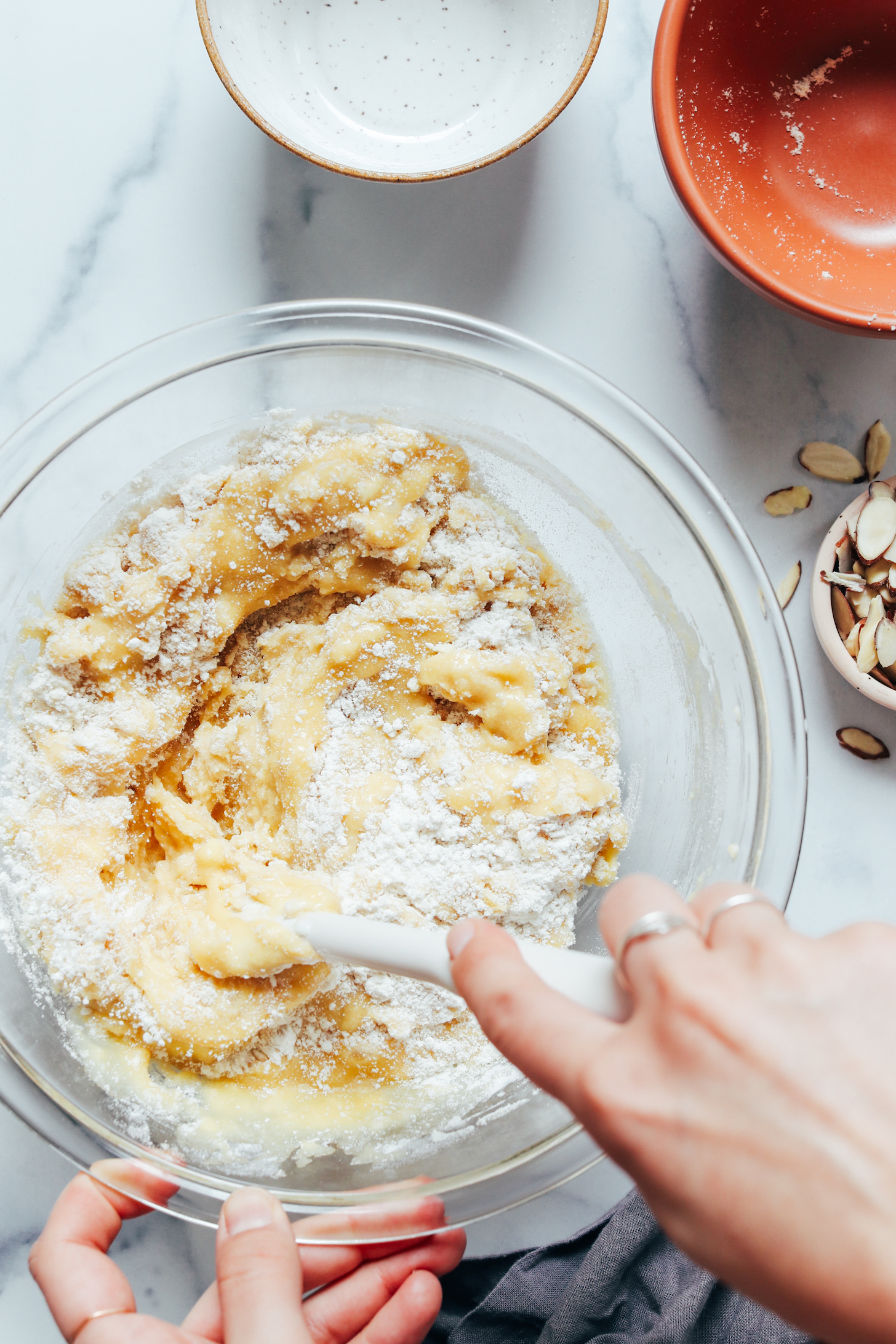
The transition from a multi-bowl process to a single-vessel technique was the most significant pivot. By optimizing the order of operations—mixing wet ingredients thoroughly before incorporating dry elements—the recipe ensures that the leavening agents react correctly without the need for intensive mechanical aeration.
Phase 3: Public Reception and Community Feedback
Following its release, the recipe saw rapid adoption within the Minimalist Baker community. The digital engagement—marked by thousands of user ratings and social media tagging—indicated a shift in consumer preference toward recipes that offer "bakery-style" results with "pantry-staple" convenience.
Supporting Data: The Science of the Sponge
The success of the 1-Bowl Honey Almond Snack Cake is not accidental; it is rooted in the chemistry of gluten-free baking.
The Role of Almond Flour
Almond flour is the "secret weapon" of this recipe. Unlike starchy flours that can result in a gummy texture, almond flour contributes high fat content and protein. These components provide a "cushion" for the structure, preventing the cake from becoming crumbly or dry—a common failure point in gluten-free recipes.
The Moisture Matrix
The inclusion of dairy-free yogurt acts as an acidic agent that interacts with baking soda to create a light lift, while also providing a rich, velvety mouthfeel. Furthermore, the use of honey as a humectant ensures that the cake maintains its structural integrity for up to four days, significantly outlasting many commercial alternatives that rely on artificial preservatives.
Nutritional Profile (Per Serving)
A single slice of the cake contains approximately 245 calories. With 33.7 grams of carbohydrates and 11.8 grams of fat, the recipe is designed to be a satisfying, energy-dense snack rather than a heavy dessert. The minimal sodium content (180 mg) and moderate protein levels (3.7 g) position it as a balanced choice for an afternoon pick-me-up.
Official Recommendations and Expert Tips
For those looking to achieve the best possible result, the following recommendations from the development team are critical:
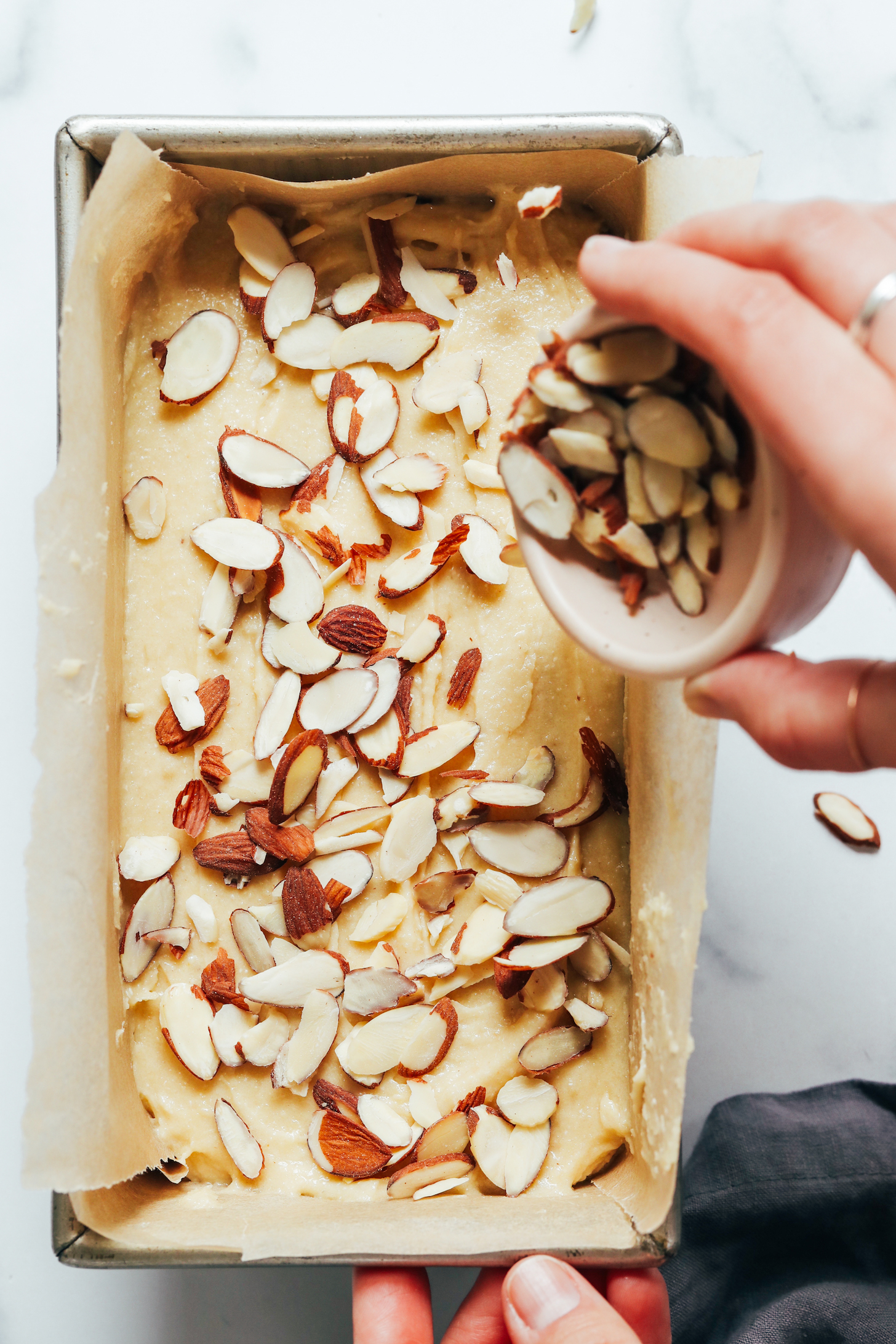
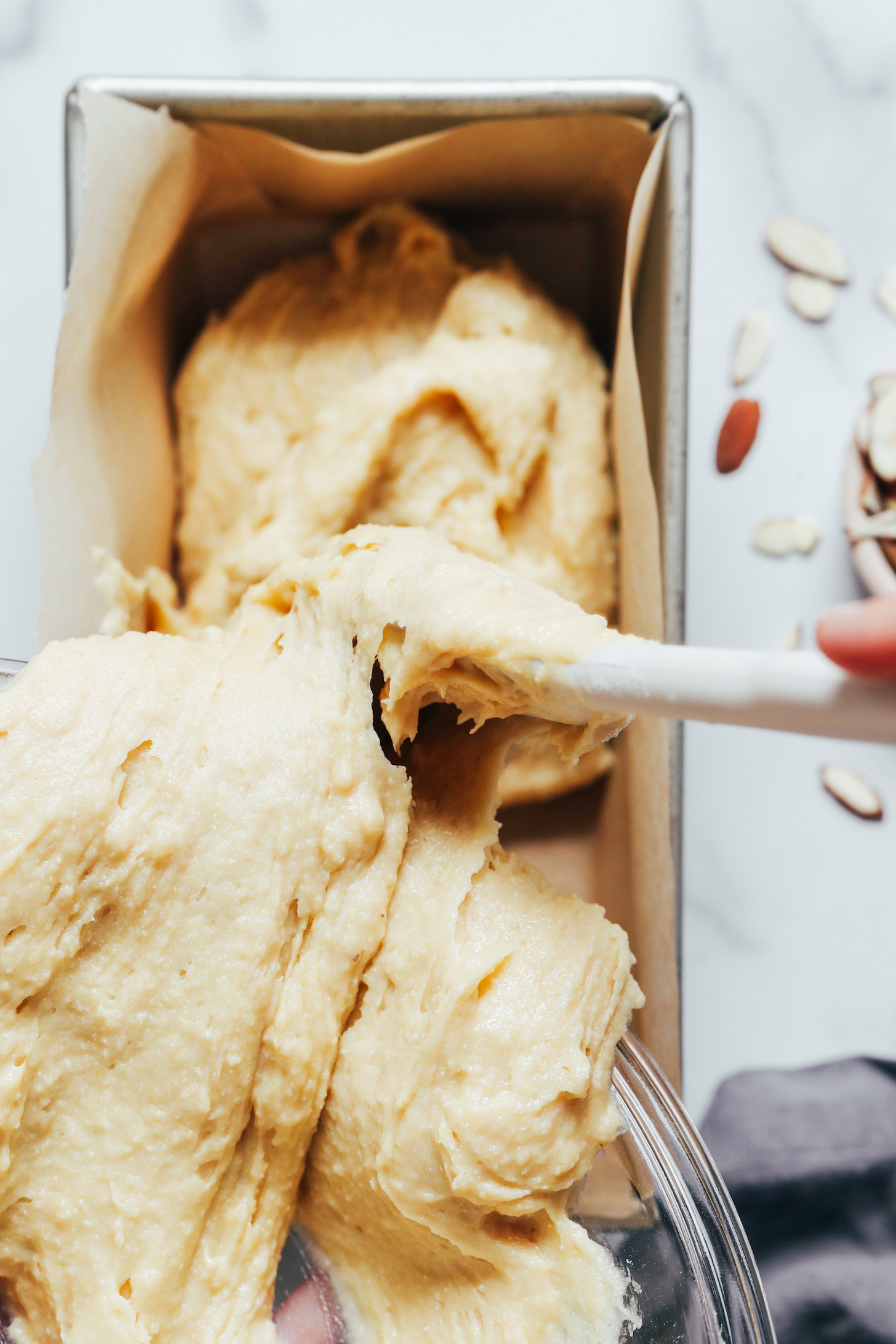
- The Pan Choice: While a standard loaf pan is the intended vessel for this recipe, the use of parchment paper is non-negotiable. It acts as an insurance policy against the cake sticking to the sides, which is vital due to the lack of gluten’s natural elasticity.
- Ingredient Substitution: The developers suggest that while their proprietary 1:1 gluten-free flour blend is optimal, established store-bought alternatives like Bob’s Red Mill 1:1 Baking Flour are likely to succeed. However, they caution against erratic substitutions, such as coconut flour, which would require an entirely different hydration ratio.
- Egg-Free Alternatives: For those requiring a vegan or egg-free version, the use of 5 tablespoons of applesauce or aquafaba (chickpea brine) is recommended, though the texture profile may shift slightly from the original sponge.
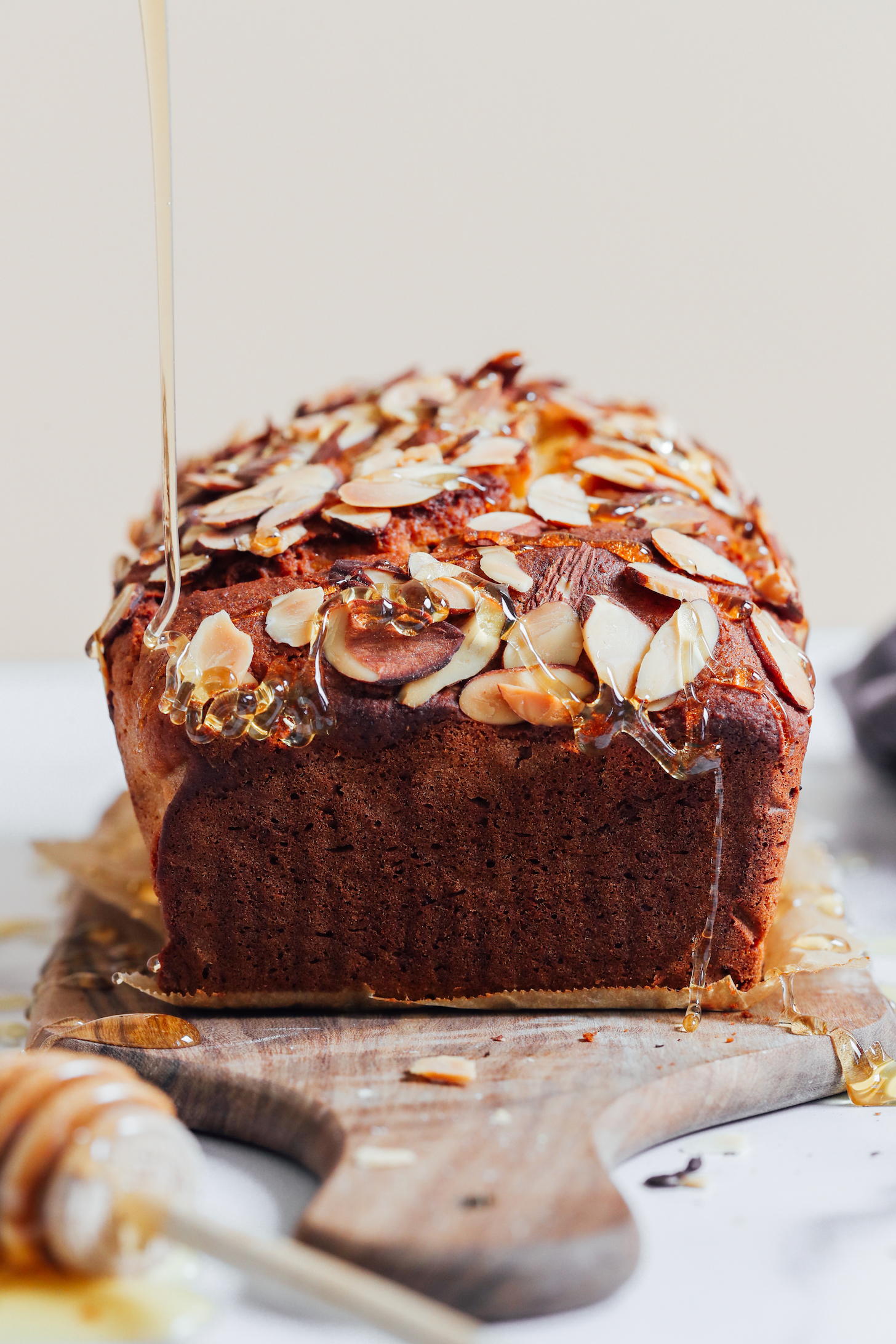
- The "Drizzle" Finish: The recommendation to finish the cake with an extra drizzle of honey post-cooling is more than an aesthetic choice. It creates a localized increase in sweetness and moisture at the point of service, elevating the sensory experience of the first bite.
Implications: The Future of Home Baking
The popularity of this 1-Bowl Honey Almond Snack Cake serves as a harbinger for the future of the home kitchen. It signals a move away from the "elaborate dessert" culture—which dominated the early 2010s—toward a more pragmatic, functional approach to baking.
The Rise of "Snack-ability"
Modern consumers are increasingly viewing "snacking" as a structured part of their daily routine rather than a byproduct of poor planning. A cake that can be prepared in 10 minutes and paired with a mid-afternoon cup of tea or coffee effectively fills the gap between meal times with a high-quality, controlled-ingredient experience.
Accessibility as a Priority
The "undetectable" nature of the gluten-free and dairy-free components is arguably the most important implication of this trend. For many, the goal is not to have a "special diet" meal, but rather a "normal" meal that happens to be inclusive. By normalizing these ingredients in everyday recipes, the culinary world is bridging the gap between special-needs diets and universal appeal.
Environmental and Economic Impact
By utilizing fewer ingredients and energy-efficient, one-bowl preparation methods, this recipe minimizes food waste and energy consumption. As economic pressures encourage more home-cooking, recipes that minimize the "cost per serving" while maximizing satisfaction are likely to continue dominating search trends and home kitchen activity.
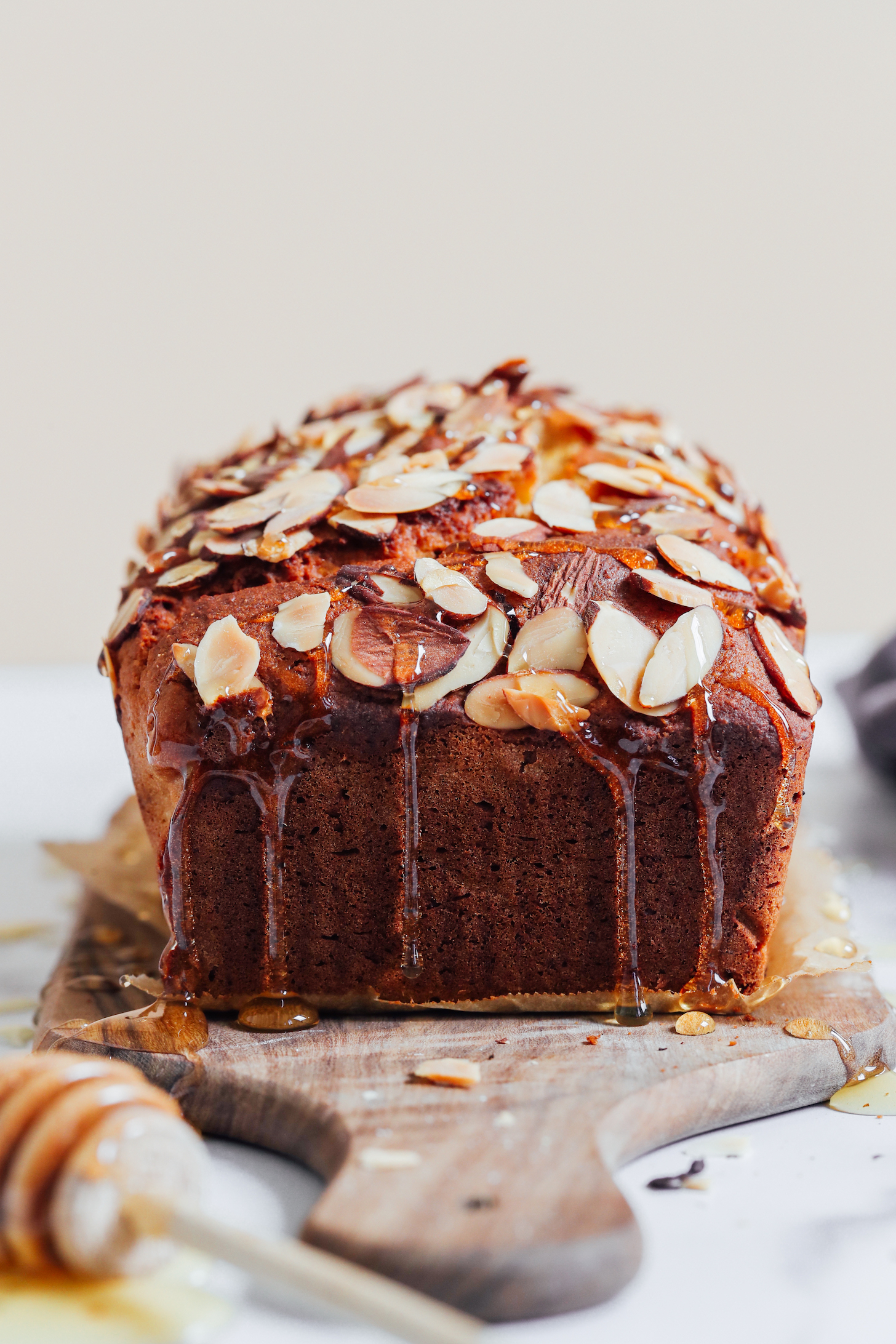
In conclusion, the 1-Bowl Honey Almond Snack Cake is more than a fleeting internet recipe. It is a sophisticated response to the needs of the modern baker: efficient, inclusive, and deeply satisfying. As it continues to be integrated into home baking repertoires globally, it reinforces the idea that the most profound culinary innovations are often those that simplify our lives rather than complicate them. Whether enjoyed alongside an Earl Grey tea or a robust pour-over coffee, this snack cake stands as a testament to the enduring power of simple, well-executed home baking.