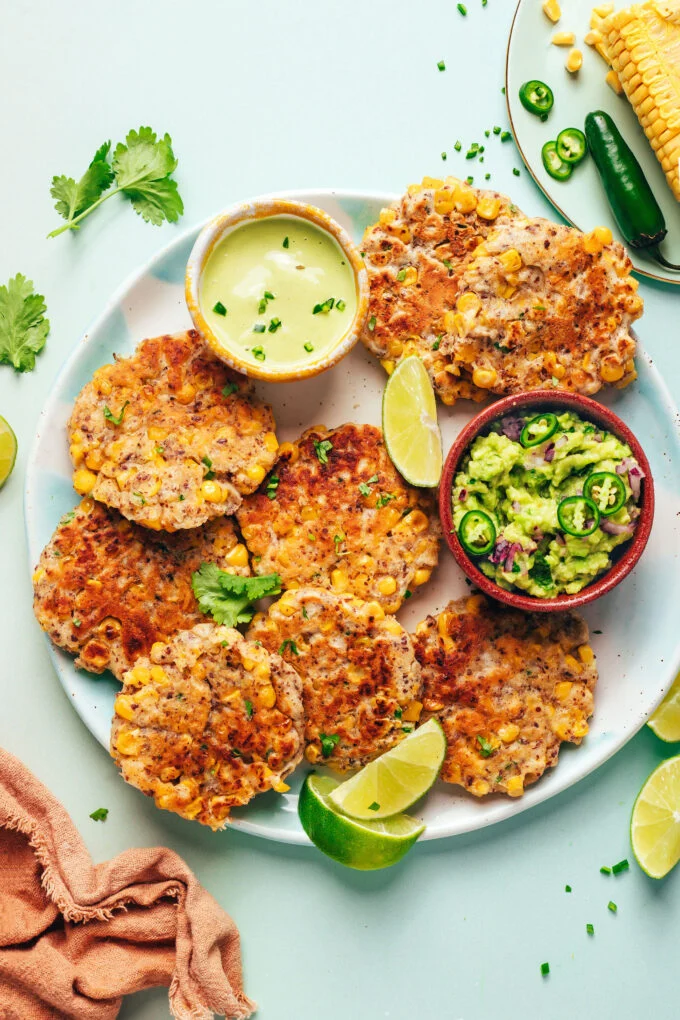
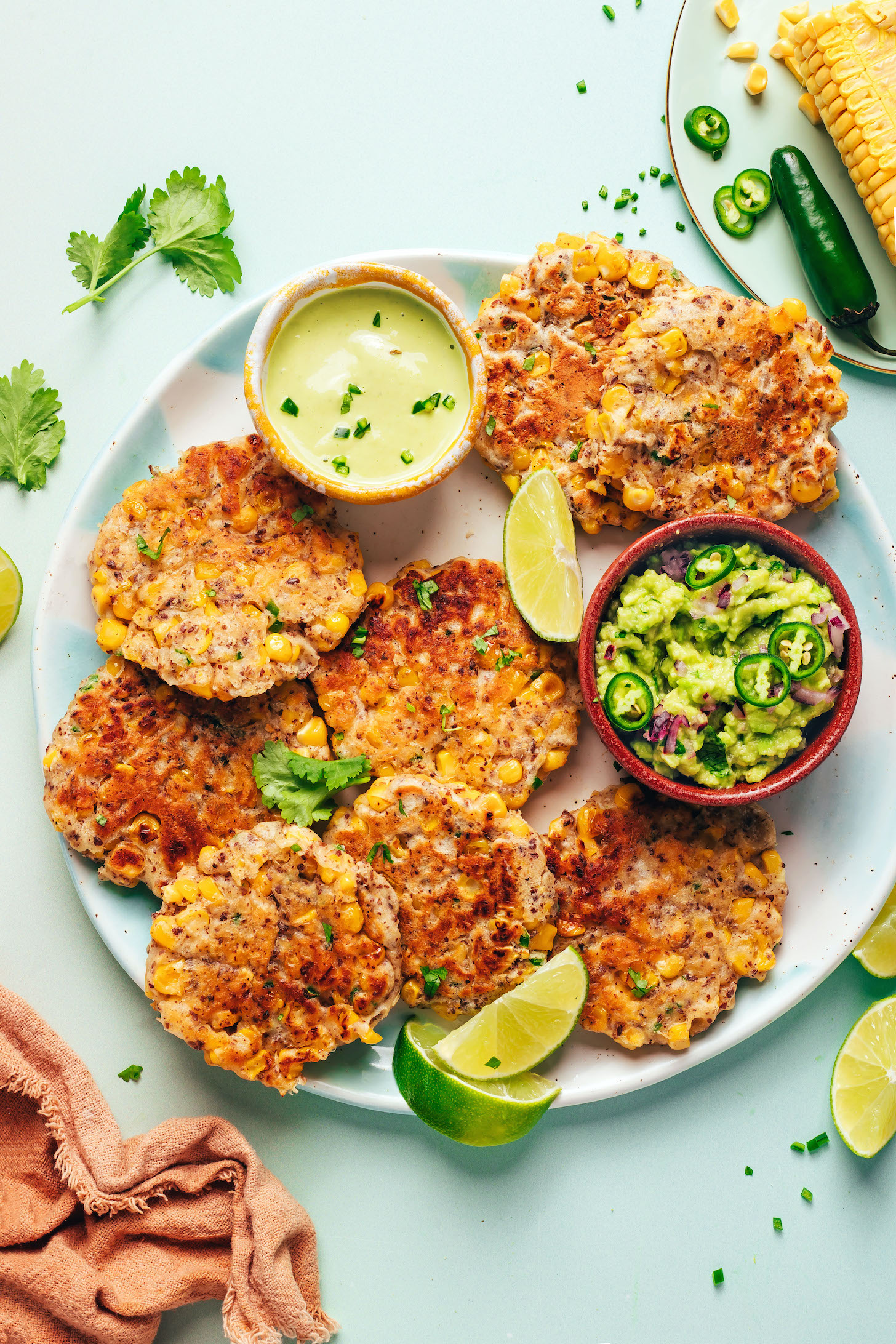
In the ever-evolving landscape of plant-based culinary arts, few dishes bridge the gap between "comfort food" and "gourmet simplicity" as effectively as the corn fritter. As home cooks and professional chefs alike look for ways to celebrate seasonal produce without relying on traditional dairy or egg-based binders, a new, streamlined recipe for Vegan Jalapeño Corn Fritters has emerged as a standout. This dish, characterized by its golden-brown exterior and tender, aromatic interior, represents a shift toward accessible, high-flavor vegan cooking that prioritizes texture and speed.
Main Facts: The Anatomy of a Perfect Fritter
At its core, the vegan corn fritter is a study in chemistry and balance. The fundamental challenge in replicating a classic fritter without eggs is achieving structural integrity—ensuring the patty holds together in the pan while maintaining a light, fluffy crumb.
The primary innovation here is the use of a "flax egg"—a mixture of ground flaxseed meal and water that, when hydrated, mimics the binding properties of poultry eggs. This is paired with a high-quality, unsweetened, neutral dairy-free milk, such as house-made cashew milk, which provides the necessary hydration without introducing unwanted sweetness or distinct nutty flavors that might clash with the corn.
The ten-ingredient blueprint includes:
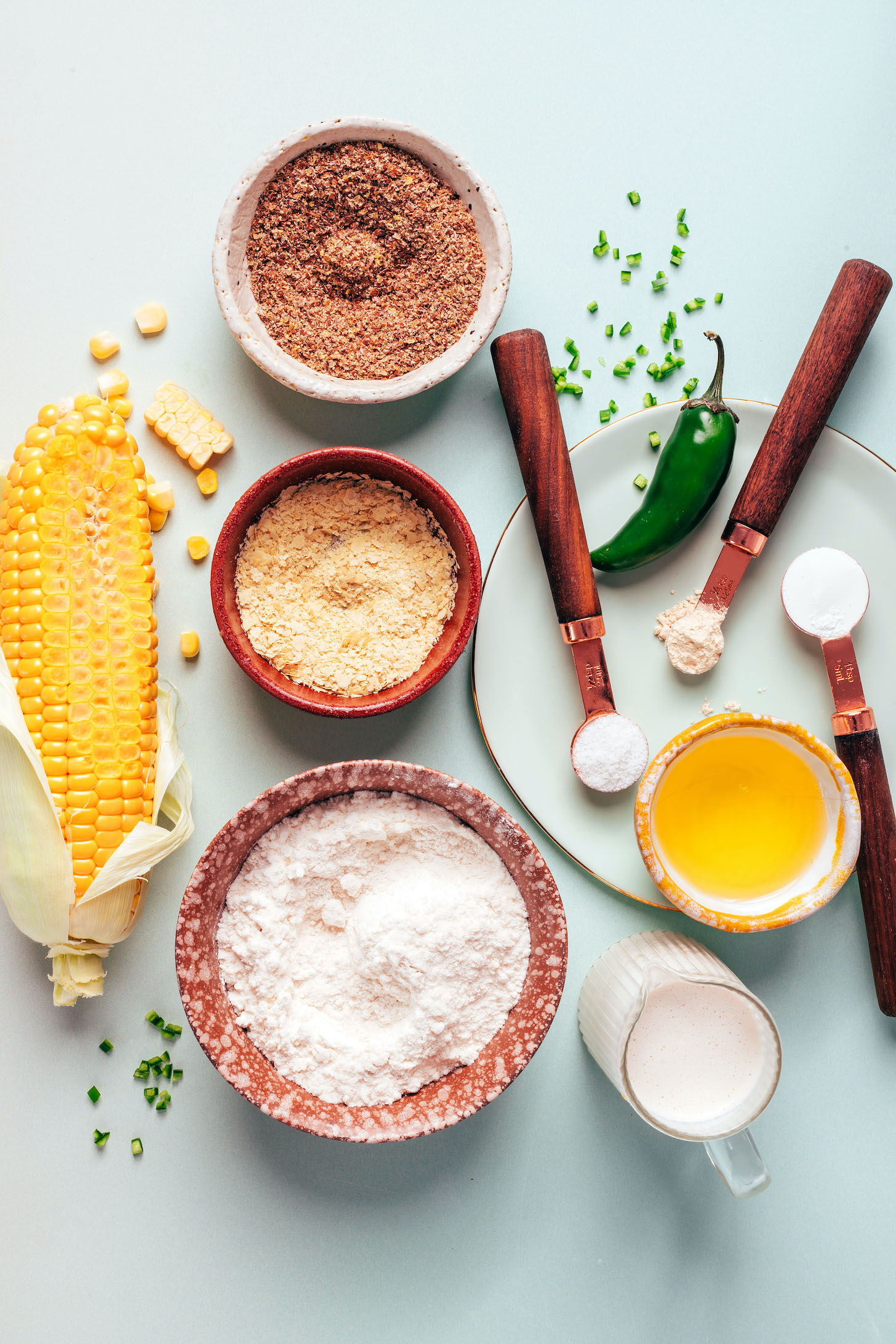
- Fresh or thawed frozen corn kernels: The structural and sweet base.
- Flaxseed meal: The essential vegan binder.
- Dairy-free milk: To provide the batter’s liquid foundation.
- Gluten-free flour blend (or all-purpose): The thickening agent.
- Baking powder: To ensure a lift and lightness.
- Nutritional yeast: To impart a subtle, savory "cheesy" depth.
- Garlic powder & salt: Fundamental aromatics.
- Fresh jalapeño: For a controlled, zesty heat.
- Avocado oil: Chosen for its high smoke point and neutral flavor profile.
A Chronological Guide: From Bowl to Table in 30 Minutes
The appeal of this recipe lies in its efficiency. In a world where home cooking often competes with demanding schedules, a 30-minute turnaround for a restaurant-quality appetizer is a significant selling point.
The Preparation (Minutes 0–10)
The process begins with the creation of the binder. By combining the flaxseed meal with the dairy-free milk, the cook initiates the "gelation" process, allowing the mixture to sit for a few minutes to thicken. During this time, the dry ingredients—flour, baking powder, salt, garlic powder, and nutritional yeast—are whisked together in a single mixing bowl. This "one-bowl" methodology is a cornerstone of the recipe’s design, reducing cleanup and simplifying the workflow.
The Batter Assembly (Minutes 10–20)
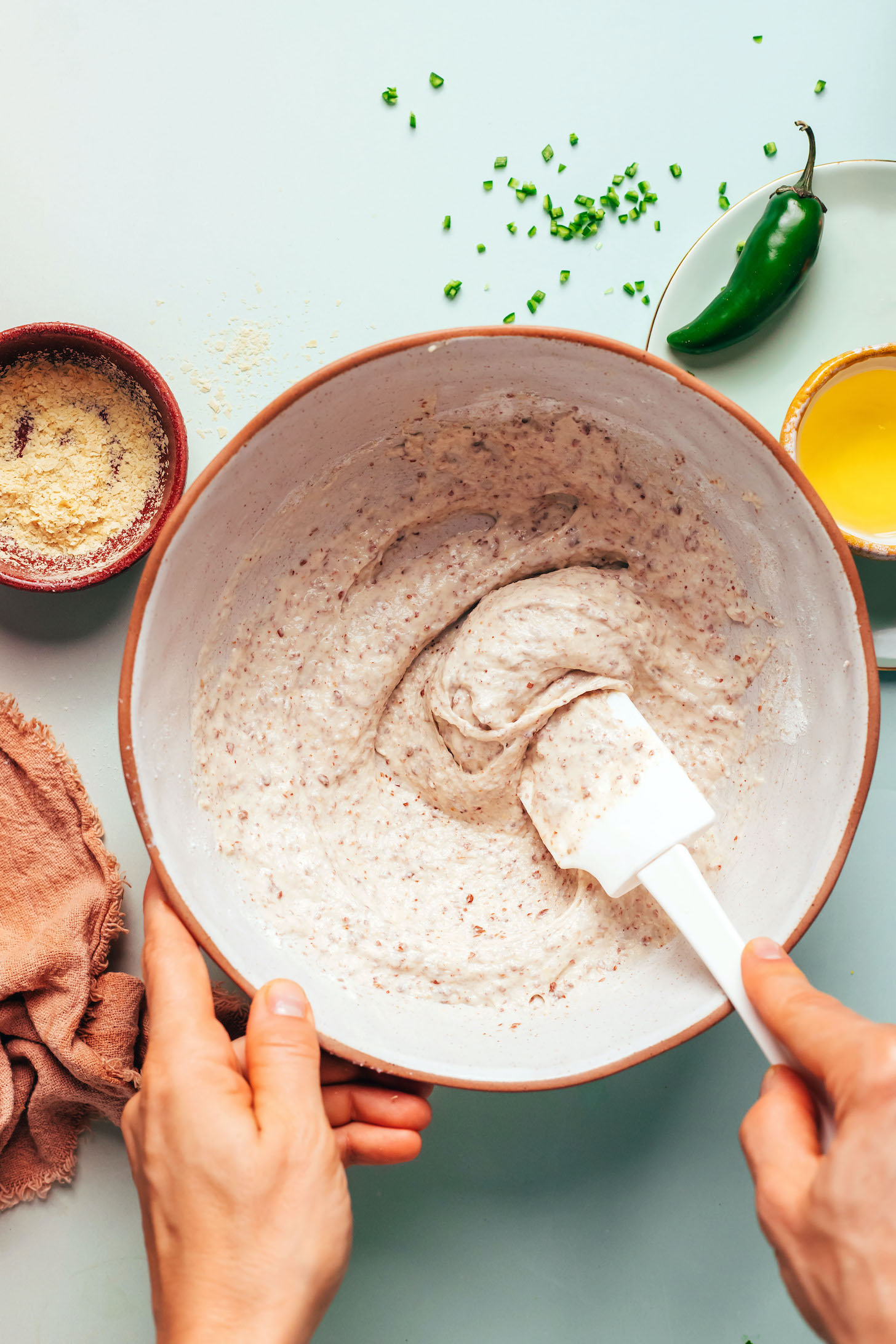
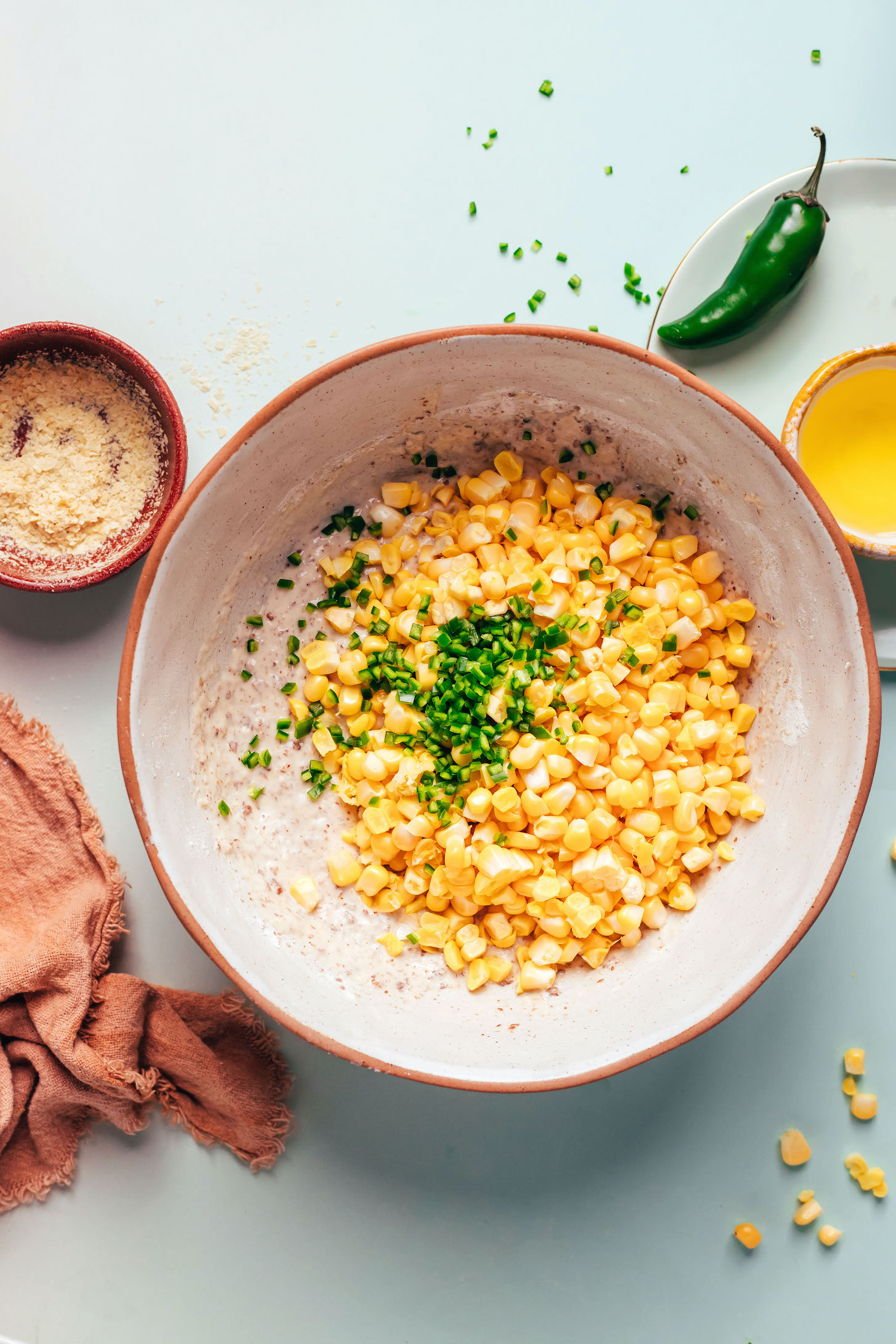
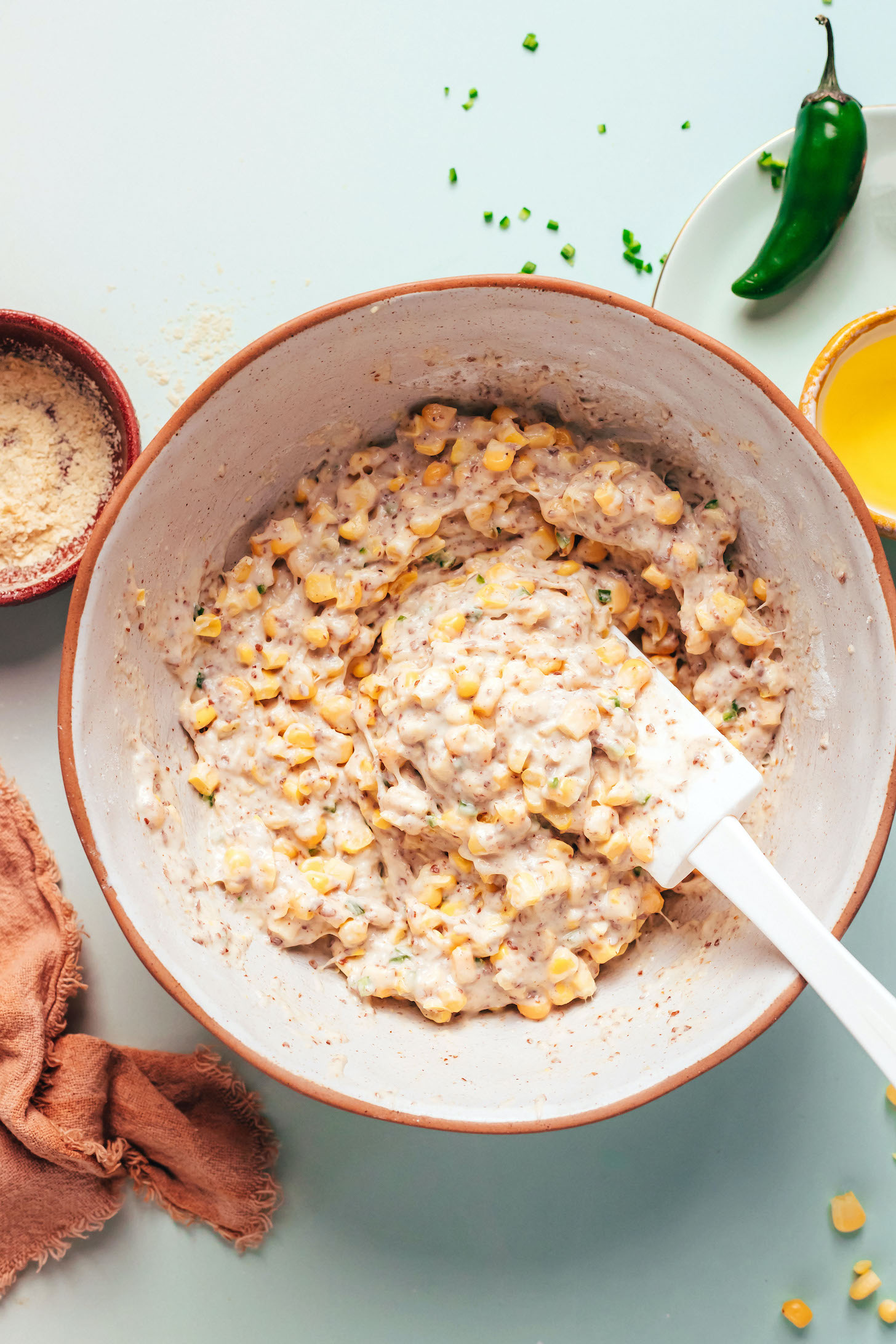
Once the flax mixture is ready, it is folded into the dry ingredients. The texture is the most critical variable here; the goal is a thick, spoonable batter that isn’t overly runny. This is where the cook must exercise culinary intuition, adjusting with a splash of milk or a dusting of flour to reach the desired consistency. The fresh corn and finely diced jalapeño are then folded in, ensuring an even distribution of flavor in every bite.
The Cooking Process (Minutes 20–30)
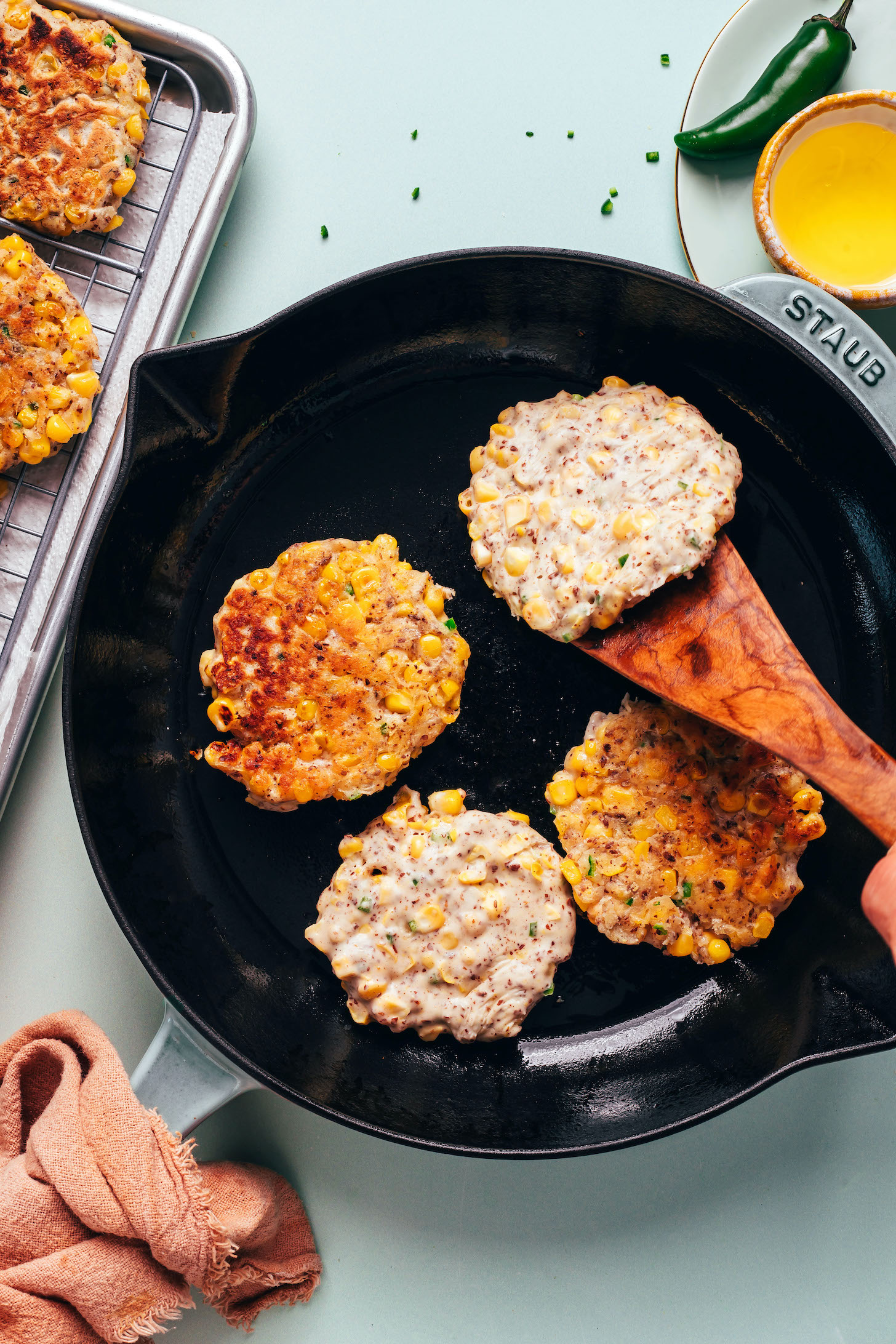
The final stage utilizes the technique of shallow frying in a cast-iron skillet. Unlike deep frying, which requires large volumes of oil and can be intimidating for the home cook, shallow frying uses just enough fat to conduct heat efficiently. By maintaining a steady heat with avocado oil, the fritters develop a deep, caramelized crust without becoming overly greasy. Two to three minutes per side is the standard window for achieving the perfect golden finish.
Supporting Data and Nutritional Context
From a nutritional perspective, these fritters offer a balanced profile for an appetizer. Each fritter contains approximately 103 calories, with 16.2 grams of carbohydrates and 2.4 grams of protein. The fat content, derived primarily from the cooking oil and the natural oils in the corn and flax, sits at a moderate 3.8 grams per serving.
The reliance on flaxseed meal not only assists with texture but also introduces beneficial omega-3 fatty acids, while the use of nutritional yeast provides a modest boost of B vitamins. Because the recipe is easily adapted to be gluten-free using a 1:1 baking blend, it serves as an inclusive option for guests with varying dietary restrictions, further cementing its utility for social gatherings.
Culinary Implications and Versatility
The rise of the "gourmet-vegan" side dish has significant implications for how we view traditional summer dining. Historically, corn fritters were synonymous with heavy, cream-laden, or egg-rich batters. This evolution demonstrates that plant-based alternatives do not require the sacrifice of flavor or the iconic "crispy-on-the-outside" texture that consumers crave.
The Role of Accompaniments
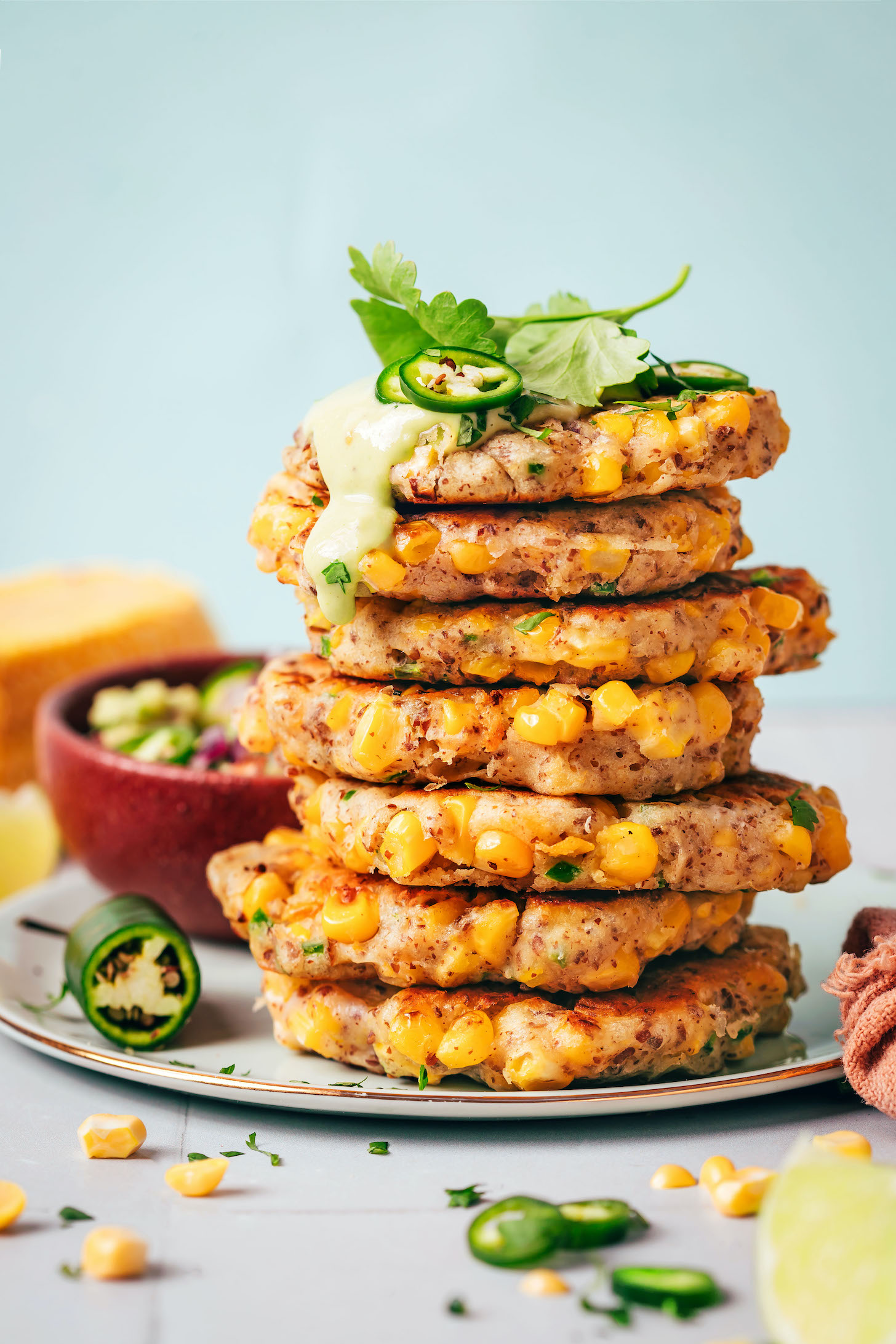
The dish is designed to be a canvas for flavor. The recipe creators suggest three specific pairings to enhance the experience:
- Guacamole: The creamy, healthy fats of avocado provide a cooling contrast to the subtle heat of the jalapeño.
- Creamy Cashew Jalapeño Sauce: This builds on the flavor profile of the fritter itself, creating a cohesive, spicy-savory theme.
- Vegan Ranch: A classic pairing that adds a tangy, herbaceous counterpoint to the sweetness of the corn.
Seasonal vs. Year-Round Accessibility
While the recipe is marketed as a summertime staple, its reliance on frozen corn as a viable substitute means that the dish maintains its relevance throughout the year. This versatility allows for the integration of fresh, local produce during peak harvest months and the convenience of a pantry-friendly meal during the colder off-season.
Expert Perspectives: Why This Recipe Works
Culinary experts note that the success of this specific iteration of the corn fritter lies in its simplicity. By stripping away the complexity of traditional batters, the recipe highlights the natural sugars of the corn.
"When you remove the heavy influence of dairy, the sweetness of the vegetable really takes center stage," says a culinary consultant familiar with the recipe. "The addition of jalapeño isn’t just about heat; it’s about providing a sharp contrast to that sweetness, which is a classic technique in professional cooking."
Furthermore, the recommendation to use a cast-iron skillet is not arbitrary. Cast iron provides superior heat retention, which is essential for ensuring that the fritters crisp up immediately upon contact with the pan. This prevents the batter from absorbing too much oil, resulting in a lighter, more delicate final product.
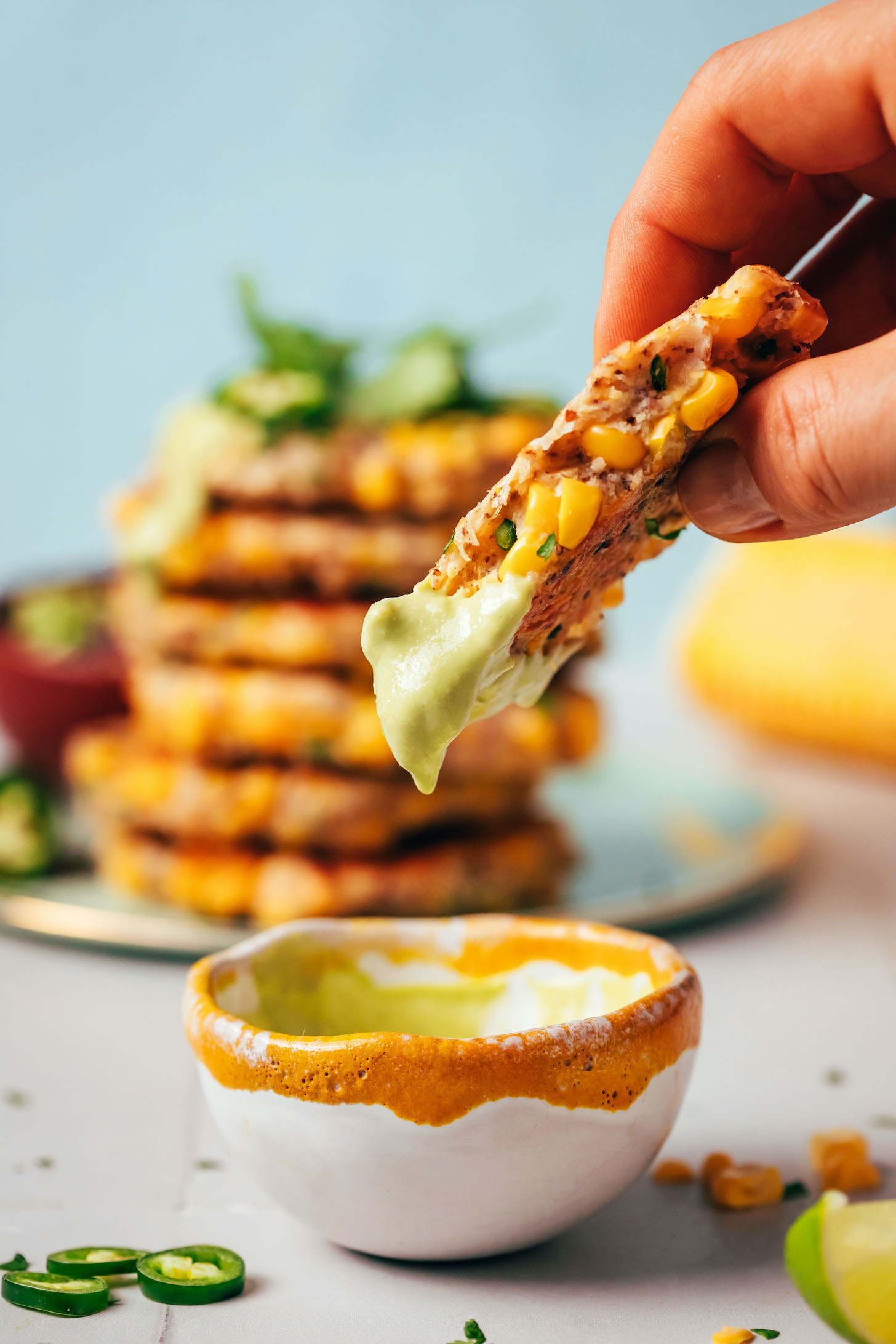
Final Thoughts: The Future of the Appetizer
As dietary preferences continue to diversify, the demand for recipes that are "accidentally" vegan—that is, delicious enough that no one misses the animal products—will only grow. These jalapeño corn fritters stand as a testament to this trend. They are not merely a substitute for a "real" version; they are a superior, more refined take on a classic comfort food.
For those looking to integrate more plant-based meals into their routine, the message is clear: start with the ingredients you love. By taking a seasonal favorite like corn and applying thoughtful, modern cooking techniques, home chefs can elevate their repertoire without needing specialized equipment or hard-to-find ingredients. Whether served at a summer barbecue or enjoyed as a quick weeknight side, these fritters offer a compelling look at the future of home cooking—one that is sustainable, inclusive, and, above all, deeply satisfying.