WASHINGTON — In an era dominated by digital notifications, cloud-based applications, and algorithmic reminders, a counter-movement toward tactile productivity tools continues to gain immense traction. Responding to surging consumer demand for physical organization assets, organizational expert Abby Lawson has officially released her comprehensive suite of free, highly customizable 2027 printable calendars.
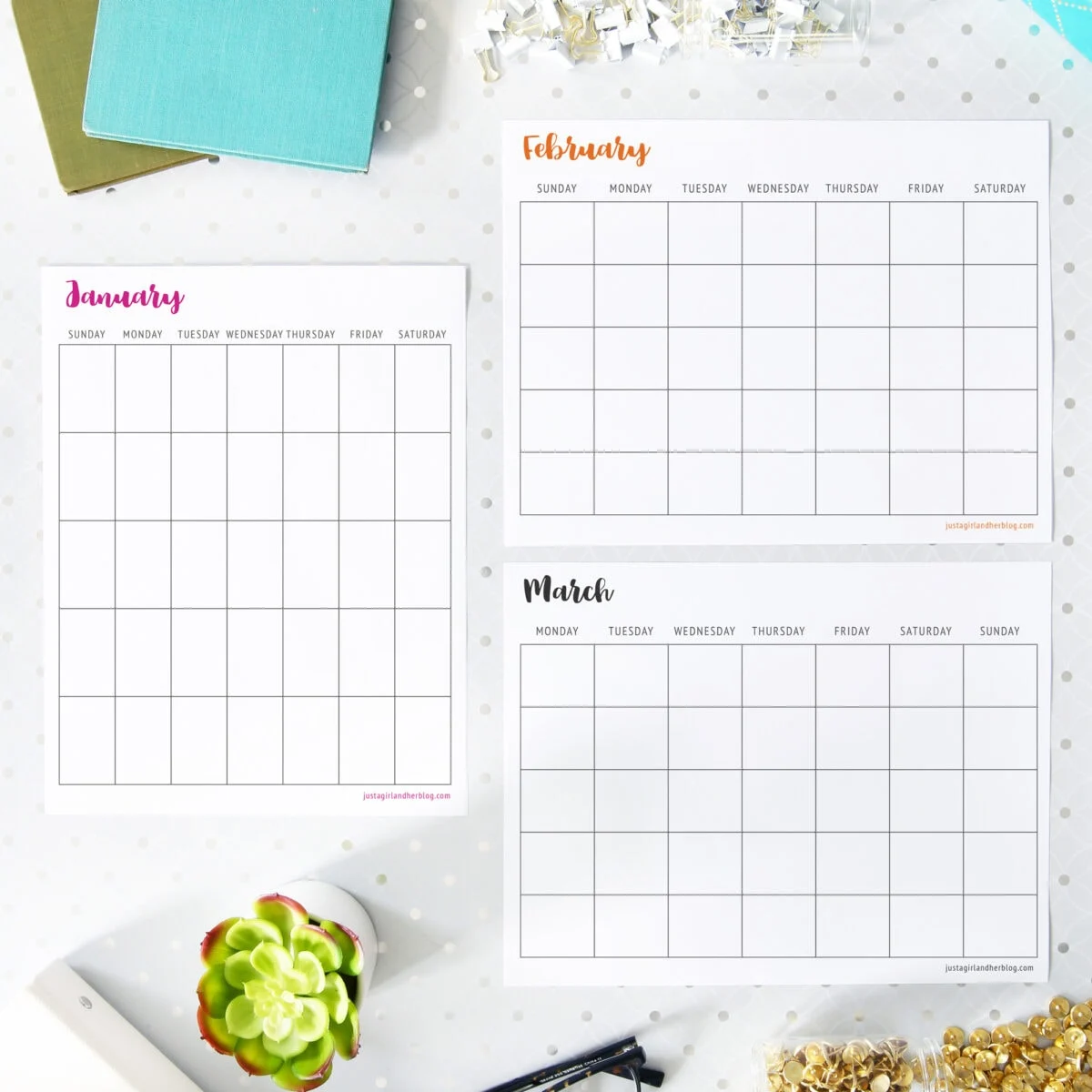
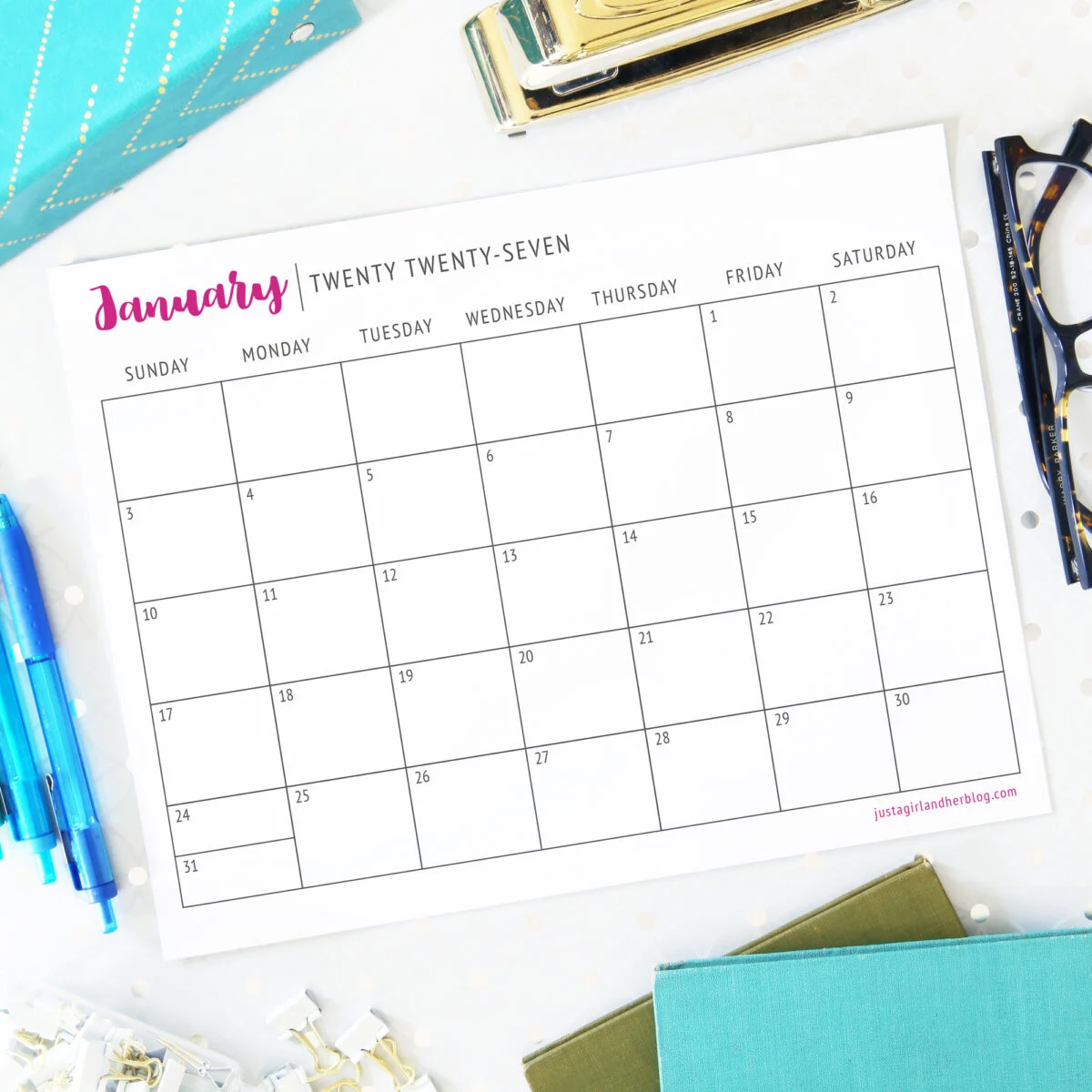
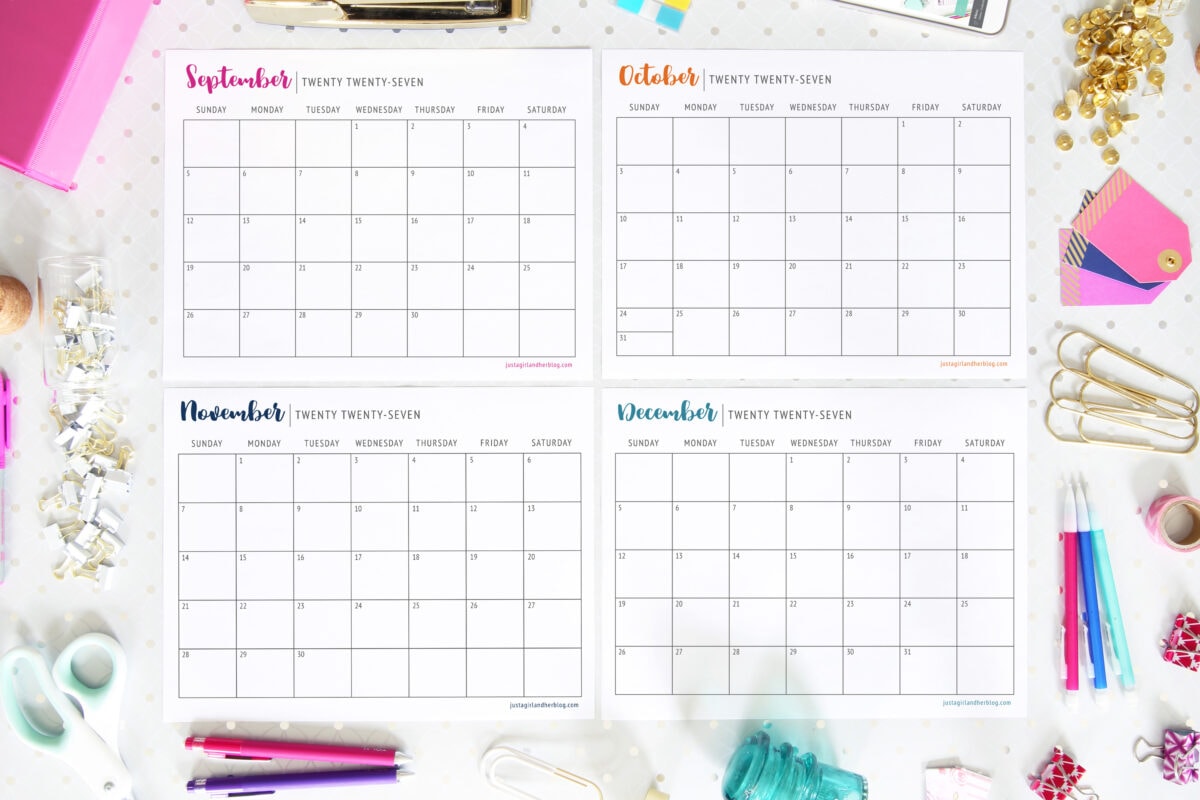
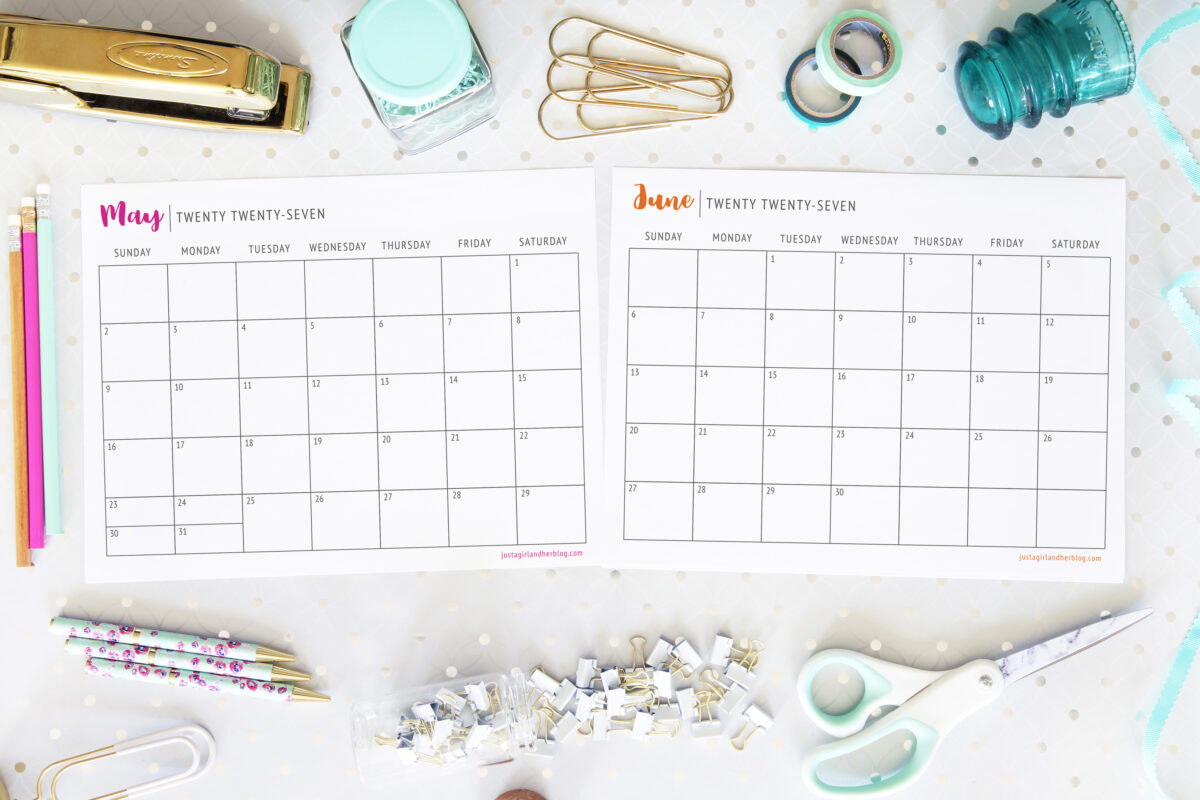
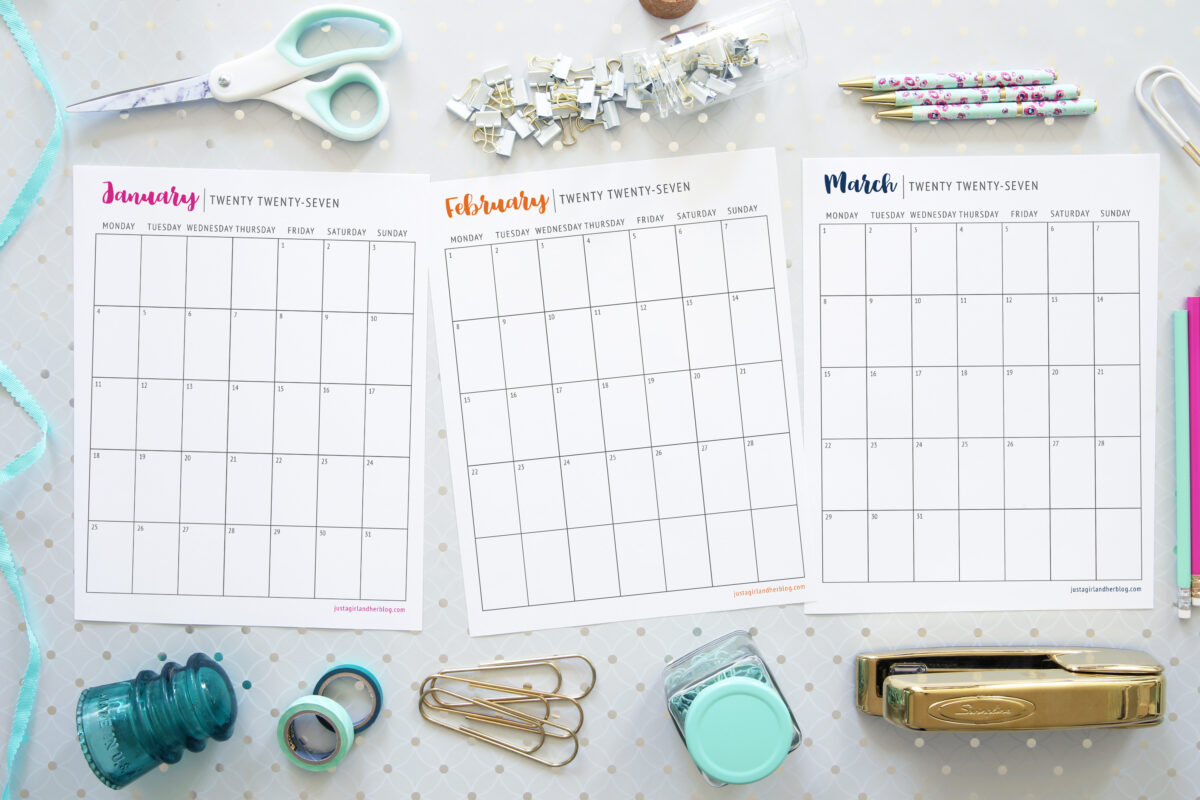
Designed to cater to diverse scheduling preferences, the newly unveiled collection addresses long-standing requests from global users by offering multiple layout variations, including portrait and landscape orientations, Sunday and Monday start configurations, and fully undated templates tailored for maximum flexibility.

Main Facts: A Diverse Suite for Modern Planners
The newly launched collection of 2027 printable calendars aims to bridge the gap between digital convenience and the cognitive benefits of pen-and-paper planning. Key highlights of the release include:
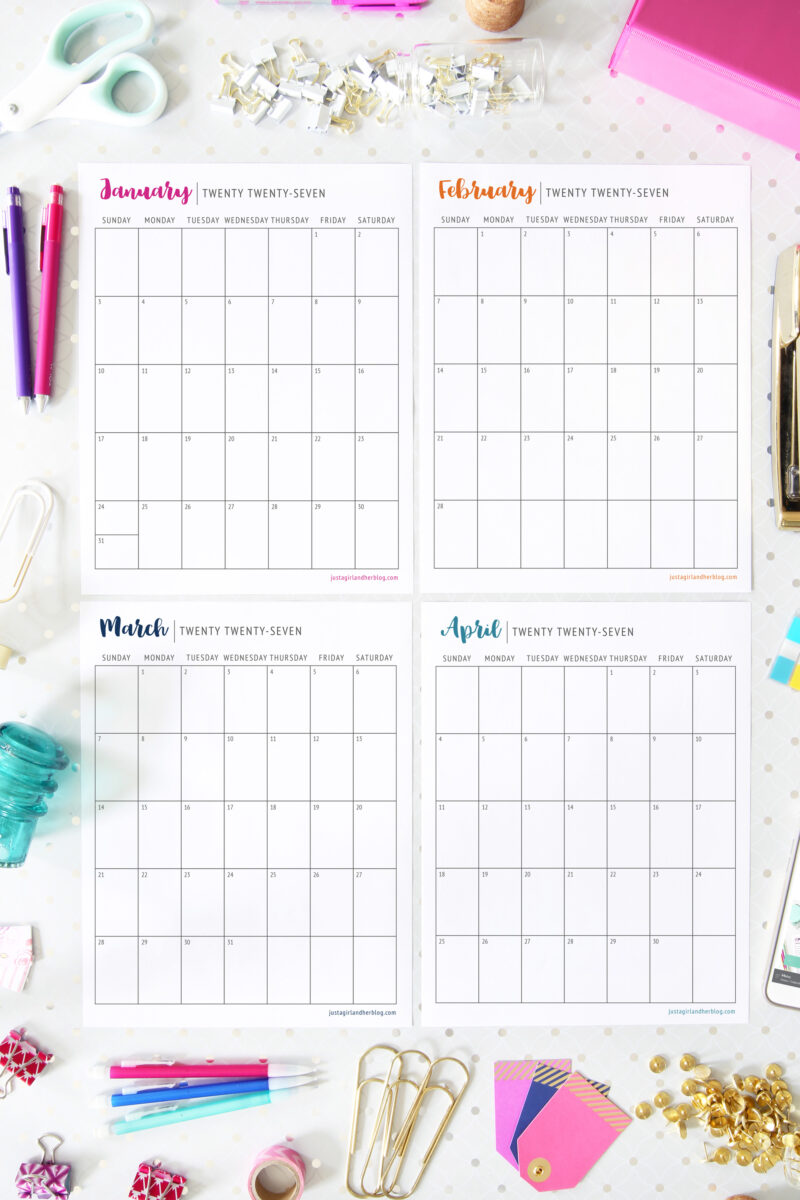
- Multiple Layout Orientations: Users can choose between traditional landscape (horizontal) designs and portrait (vertical) formats optimized for binder storage.
- Customary Week Starts: To accommodate both domestic and international scheduling norms, templates are provided with either Sunday or Monday start dates.
- Undated Flexibility: For long-term project forecasting, academic planning, or perpetual use, versatile undated layouts have been introduced.
- Accessibility: All templates are made available entirely free of charge for personal use, supported by an expansive library of more than 300 supplementary organizing printables.
According to productivity specialists, the tactile act of writing down schedules and breaking down macro-goals into micro-tasks significantly enhances psychological commitment and task completion rates.
Chronology: Evolution of the Digital-to-Print Organizing Trend
The trajectory of downloadable organizational tools has evolved significantly over the past decade, shifting from rudimentary PDF downloads to sophisticated, design-forward resources.
- Early Adoption Phase (2018–2020): Basic monthly planners dominated personal blogs and productivity sites, primarily catering to American users with standard Sunday-start, landscape configurations.
- Global Expansion & Customization (2021–2024): Recognizing a diverse, international readership, creators began introducing Monday-start options and portrait layouts to better serve academic institutions and non-U.S. professional standards.
- The Rise of Undated Systems (2025): User feedback indicated a strong desire for timeless layouts, prompting the integration of undated templates that allow individuals to begin planning at any point in the year without wasting paper.
- The 2027 Comprehensive Release (Current): Today’s rollout represents the most robust iteration of these tools to date, amalgamating landscape, portrait, dated, and undated variants into a single, cohesive ecosystem designed to maximize user autonomy.
Supporting Data: Why Physical Planning Persists
Despite the proliferation of digital calendars, smartphones, and synchronization apps, psychological and behavioral research consistently underscores the enduring value of physical planning tools.
- Cognitive Retention: Multiple cognitive science studies indicate that handwriting information engages motor regions of the brain and deepens conceptual encoding compared to typing on a keyboard or touchscreen.
- Reduced Digital Fatigue: As remote work and screen-time fatigue reach unprecedented highs, consumers are actively seeking "analog sanctuaries"—tasks performed away from glowing screens to reduce cognitive overload.
- Goal Breakdown Efficacy: Behavioral analytics demonstrate that individuals who utilize visual, physical tracking methods for long-term goals exhibit higher completion rates due to the constant, ambient visibility of their objectives.
Expert Insights and Official Responses
In statements accompanying the release, creators and productivity advocates emphasized the psychological importance of customization in administrative routines.
"People love calendars because they are fundamentally versatile," notes Abby Lawson, creator of the printables collection. "Recently, I’ve received an overwhelming number of requests for variations—specifically vertical formats, undated pages, and Monday starts for international readers or academic planners. Who am I to deprive people of the tools they truly need to succeed?"
Lawson emphasized that advanced planning is not merely about tracking appointments, but about breaking down intimidating, multi-step goals into manageable, bite-sized actions. "When we plan in advance and segment our larger objectives, we dramatically increase our probability of long-term success."
Implications for Personal Productivity and Workplace Efficiency
The widespread availability of high-quality, free printable calendars carries significant implications for various sectors of society, ranging from home management to corporate efficiency and academic success.
1. Household and Family Management
For busy parents, managing schedules across multiple children, school events, extracurriculars, and domestic responsibilities can easily become overwhelming. A centralized, physical calendar mounted on a refrigerator or kept in a family binder offers a passive display system that every household member can consult at a glance, minimizing miscommunication.
2. Academic and Professional Planning
Students and educators operating on strict academic schedules often find standard Sunday-start calendars misaligned with their weekly rhythms. The inclusion of Monday-start portrait layouts directly addresses this demographic, allowing for seamless integration into ring binders without requiring the user to rotate the page awkwardly during daily entries.
3. Long-Term Goal Setting
Undated calendar variants remove the temporal constraints of standard yearly planners. Users can initiate a goal-tracking sequence in the middle of autumn, map out a multi-month fitness journey, or design custom financial audits without being restricted by pre-printed date constraints.
Technical Overview of Available 2027 Calendar Formats
To ensure readers can select the precise tool suited to their workflow, the 2027 collection is categorized into distinct structural configurations:
Landscape Orientation (Sunday Start)
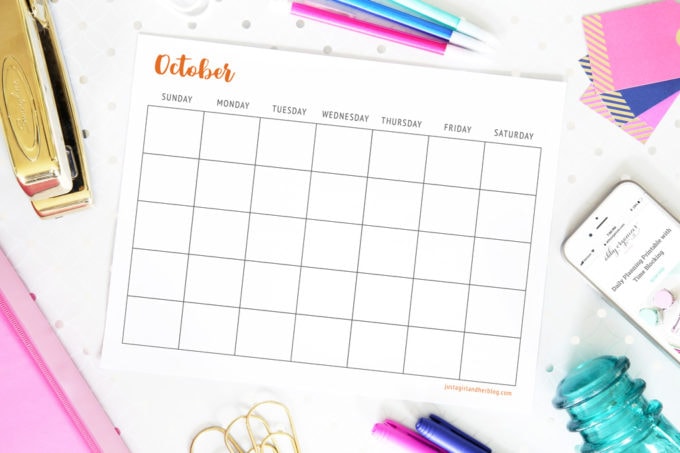
- Best For: Traditional desk blotters, refrigerator displays, and general family command centers.
- Utility: Provides wide horizontal space for daily notations and brief task lists.
Portrait Orientation (Sunday Start)
- Best For: Ring binders, planner inserts, and intensive list-makers.
- Utility: Leverages vertical page real estate, allowing users to stack daily to-do lists beneath date cells.
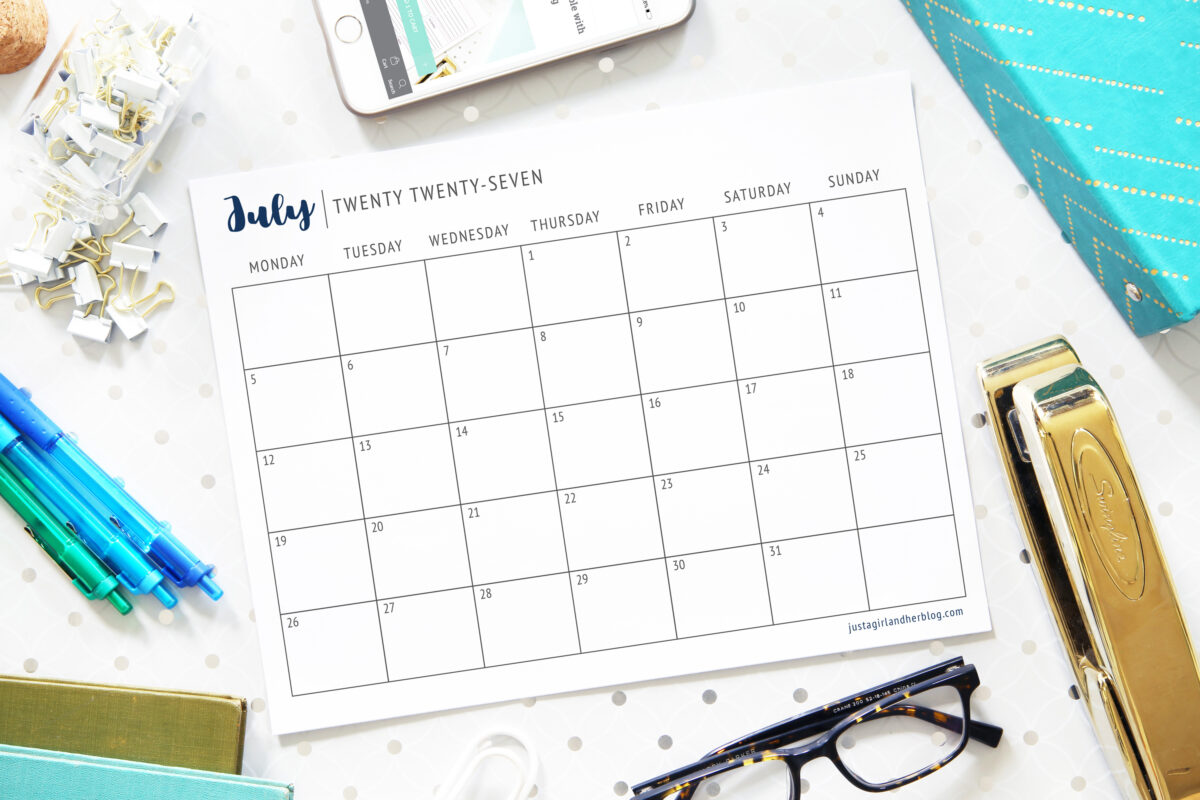
Landscape Orientation (Monday Start)
- Best For: International users, corporate professionals, and project managers.
- Utility: Aligns the visual week with standard international business weeks, keeping Saturday and Sunday grouped together as a weekend block at the right-hand margin.
Portrait Orientation (Monday Start)
- Best For: Students, educators, and professionals outside the U.S. who prefer binder-based organization.
- Utility: Combines the structural benefits of a Monday-start week with the vertical storage convenience of a portrait layout.
Undated Variations
- Best For: Perpetual planning, custom-year journals, and specialized project forecasting.
- Utility: Completely blank date headers allow users to handwrite days and dates, ensuring zero paper waste regardless of when the planning process begins.
Conclusion and Access Information
As the modern landscape of time management continues to evolve, the enduring popularity of printable planners proves that tactile, customizable organization is here to stay. By providing options that respect international standards, orientation preferences, and scheduling flexibility, creators are empowering individuals to take control of their time on their own terms.
All variations of the 2027 printable calendars—alongside an extensive library of over 300 complementary organizing printables—are currently available for download for personal use. Users are encouraged to select the layout that best matches their workflow, print their pages, and begin mapping out their next major milestone.