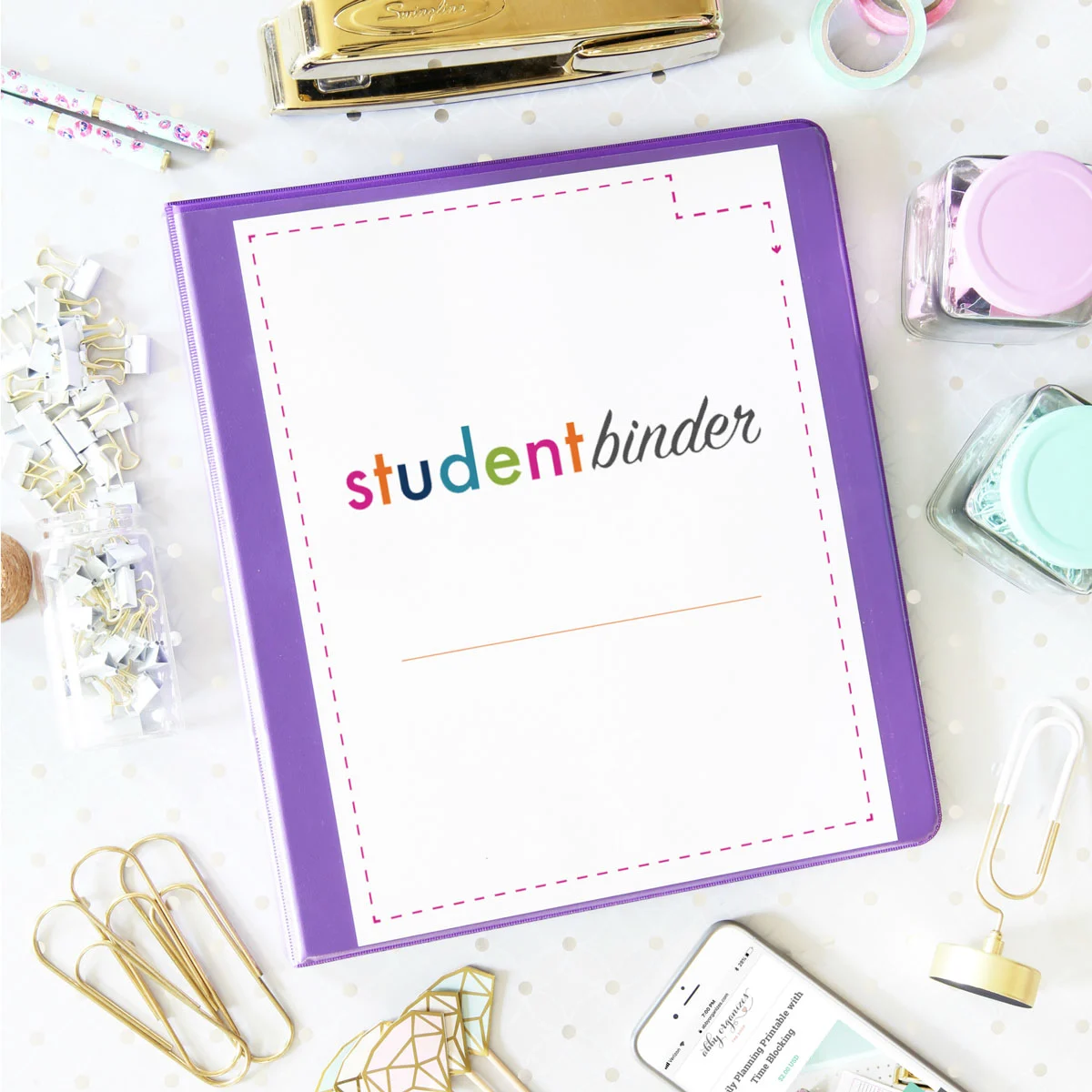
WASHINGTON — As families and educators gear up for the frantic rush of a new academic term, the perennial challenge of keeping track of syllabi, homework assignments, extracurricular schedules, and fluctuating grades has once again taken center stage. To combat back-to-school chaos, organizational experts and digital creators have officially launched the latest iteration of the comprehensive, highly sought-after Printable Student Binder.
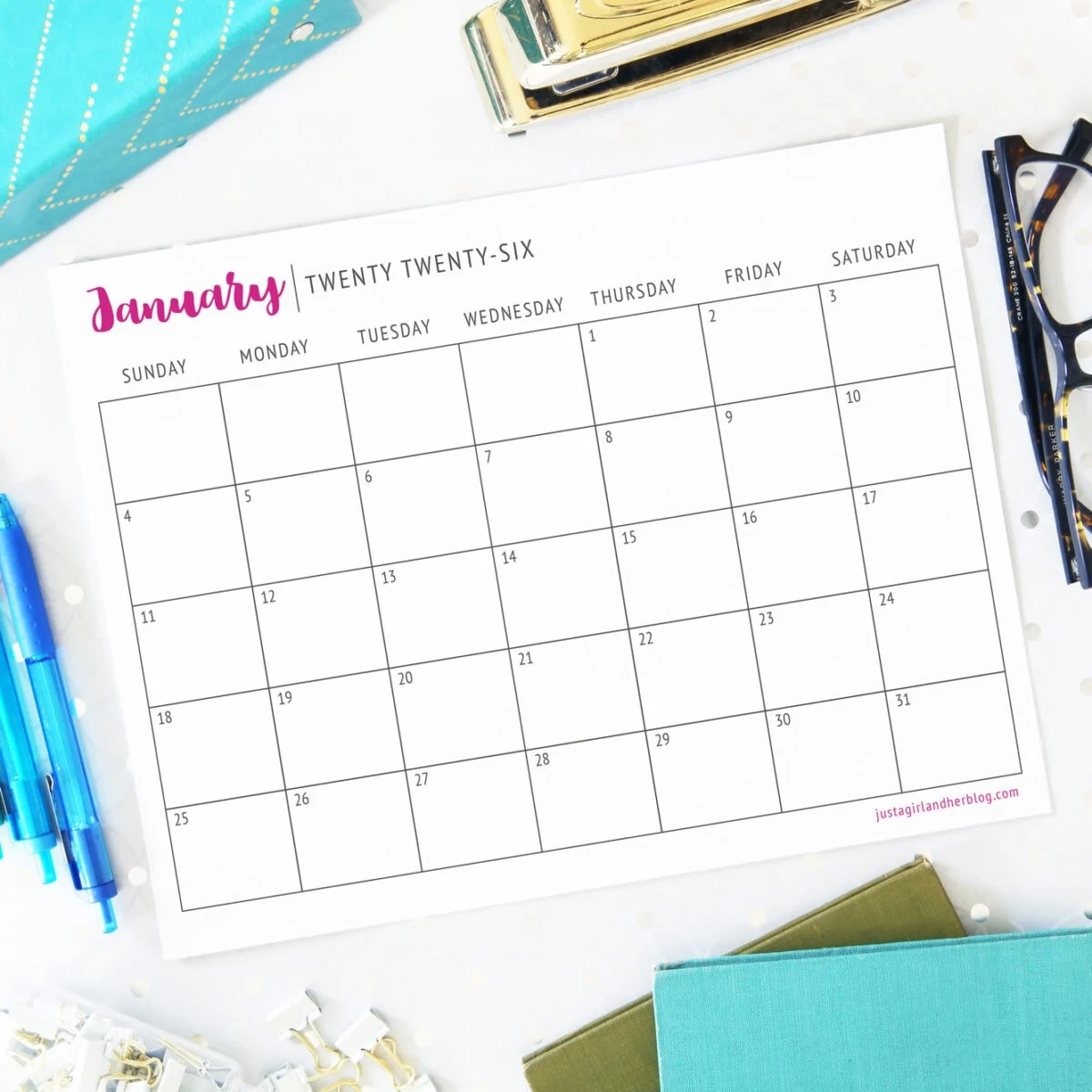
Designed to bridge the gap between academic ambition and daily execution, the newly updated resource suite arrives in response to thousands of inquiries from parents, teachers, and students alike. Featuring expanded layouts, updated calendars running through late 2027, and versatile color schemes, the release aims to transform how students from middle school to university manage their educational responsibilities.
Main Facts: What is the Printable Student Binder?
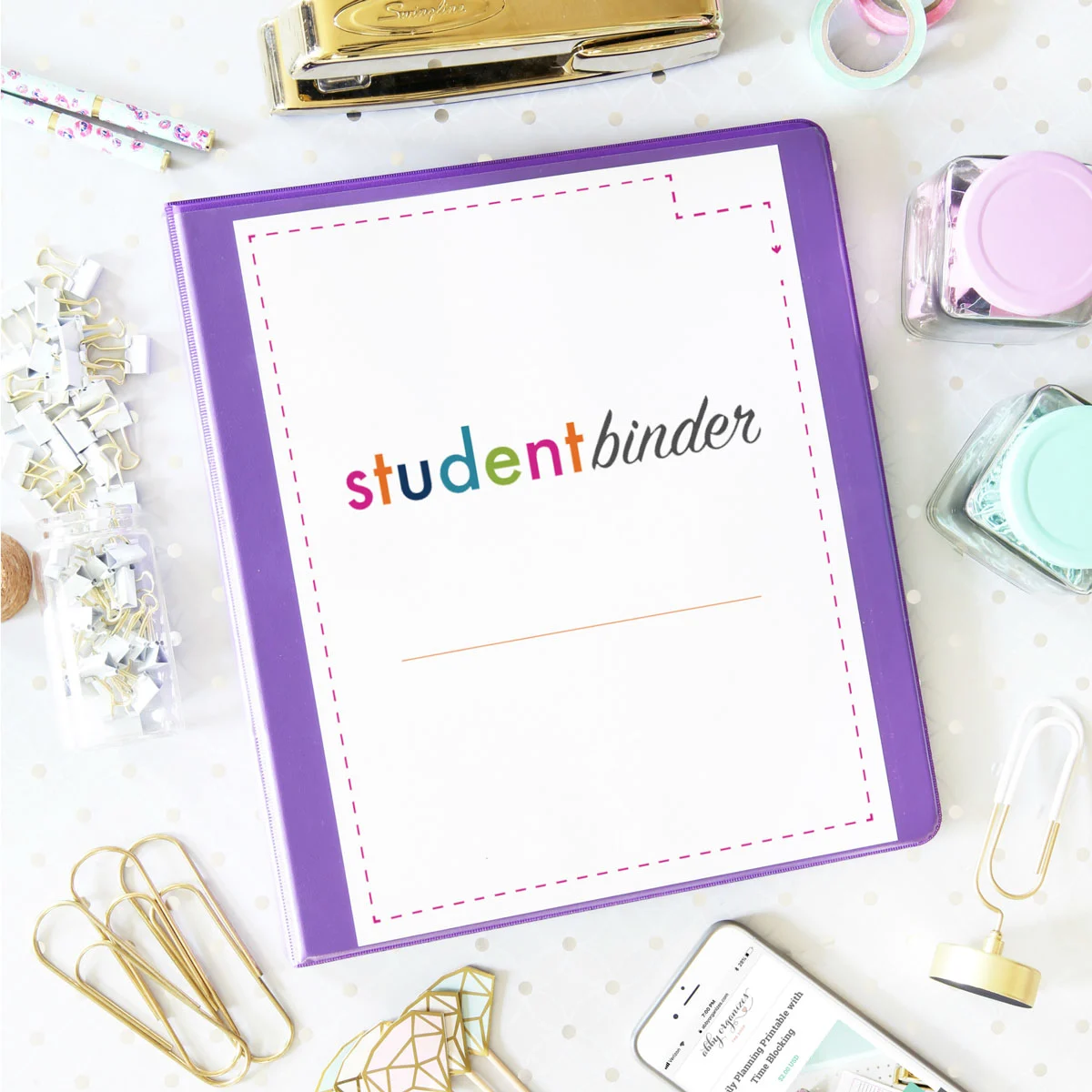
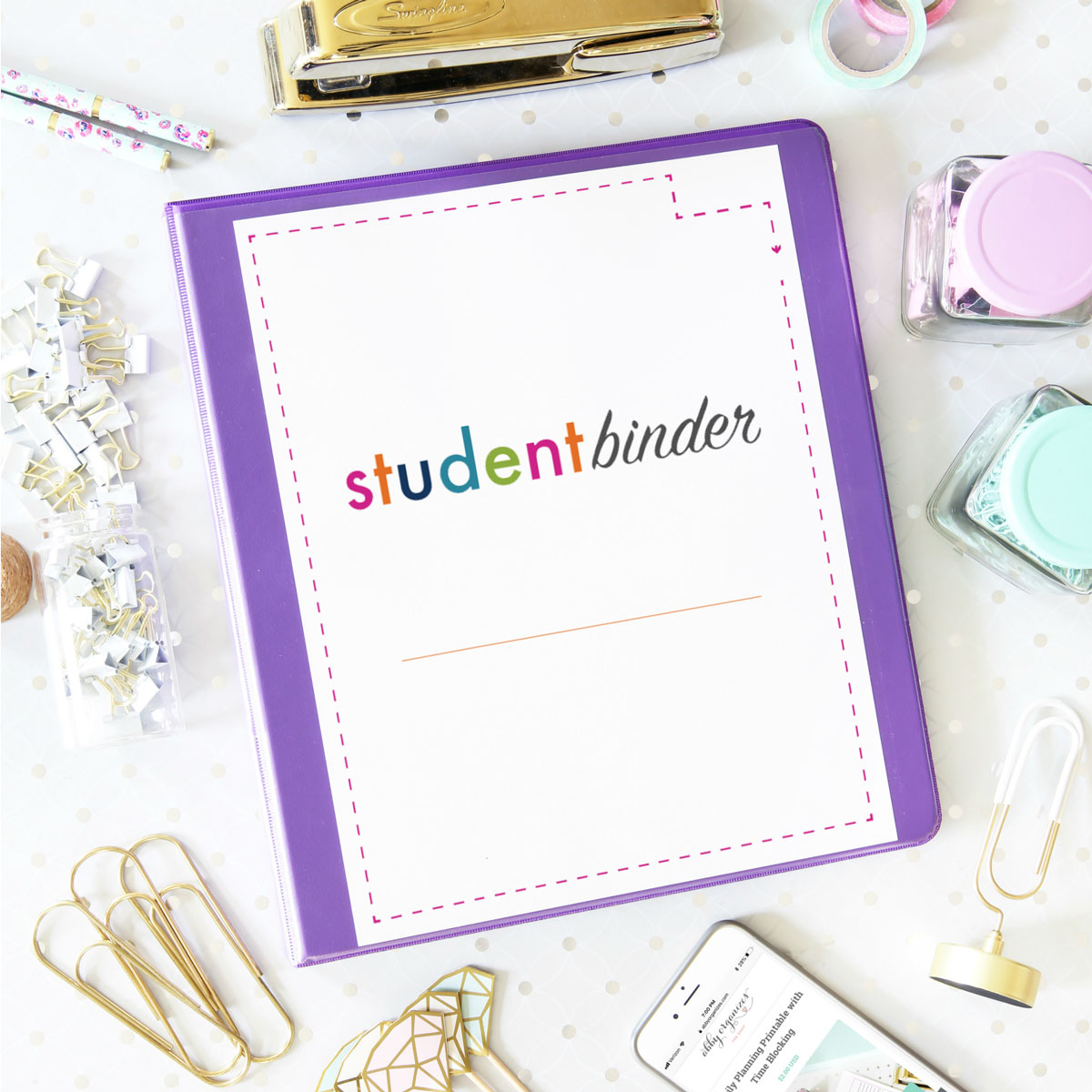
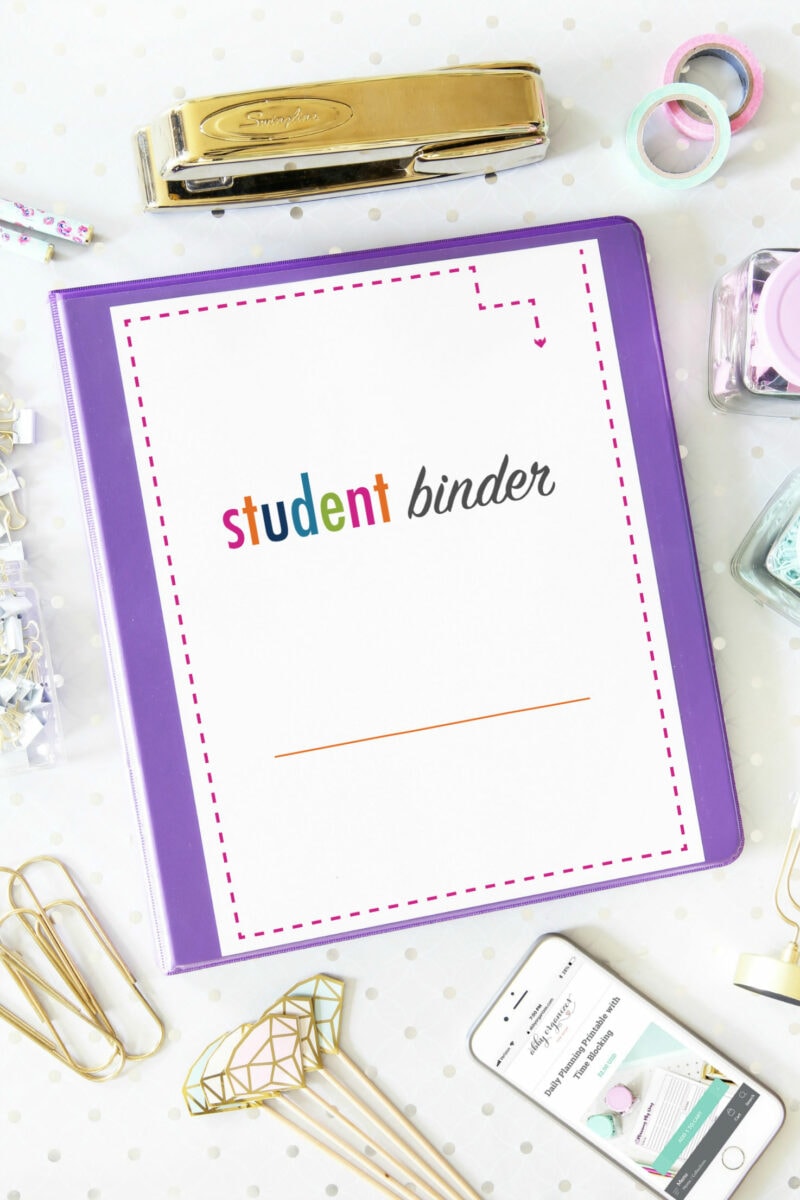
The newly released student binder framework is an expansive collection of downloadable, printable planning sheets intended to centralize all vital school-related information into a single, three-ring binder system. Rather than relying on fractured digital apps or easily misplaced loose-leaf papers, this system provides a tangible, tactile method for tracking academic life.
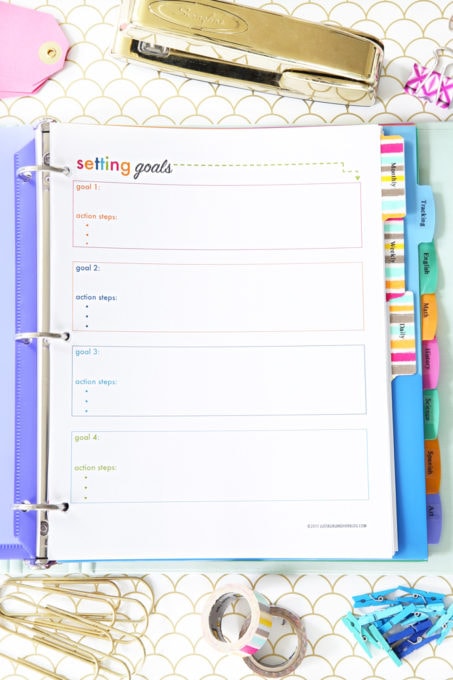
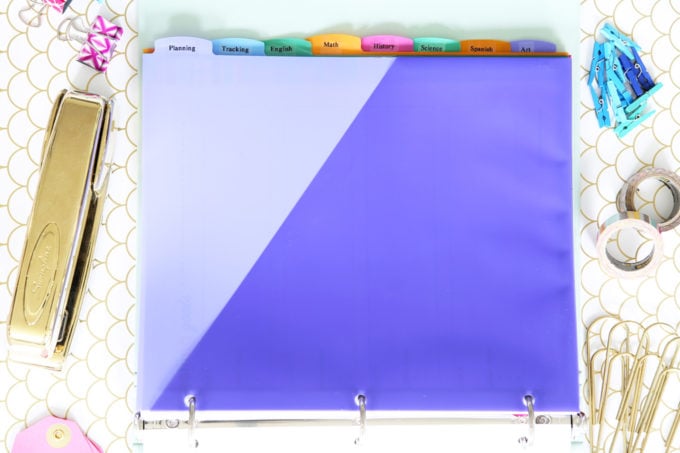
Core Components: The binder is divided into logical, color-coded sections including Planning, Tracking, and Subject-Specific Workspaces.
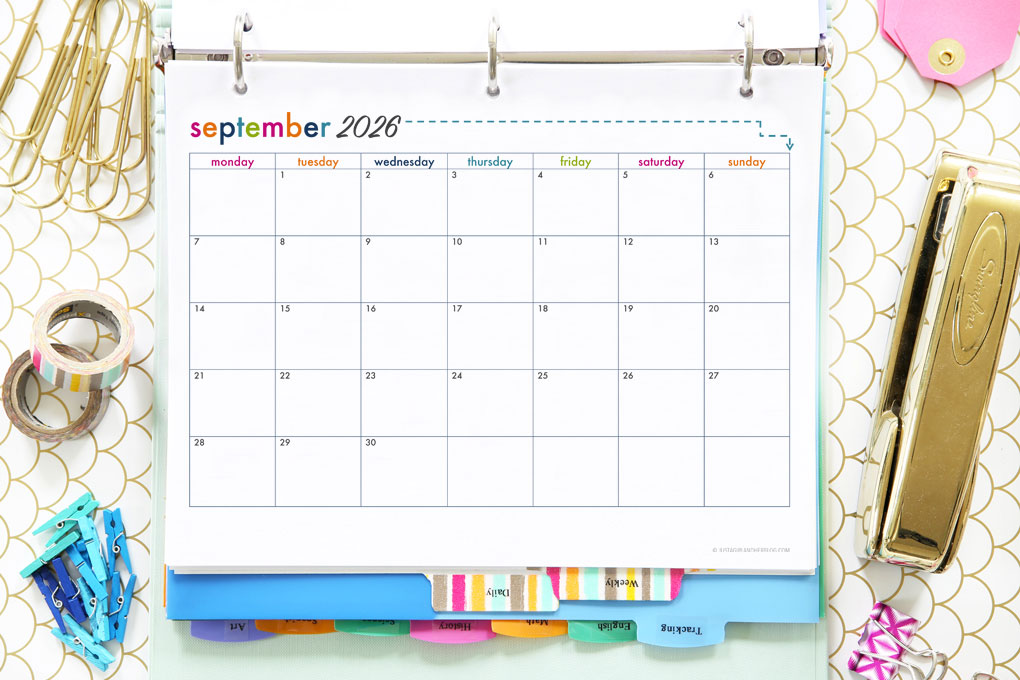
Flexibility: It includes both dated (spanning July 2026 through December 2027) and completely undated monthly calendars, ensuring long-term utility.
Inclusivity of Design: Responding to past consumer feedback—particularly from parents seeking alternatives to traditionally feminine aesthetics—the publisher has rolled out dual color schemes, offering both warm tones and a clean, versatile blue palette suitable for all students.
Accessibility: The complete suite is offered as a complimentary resource, accessible via digital libraries designed to support equitable educational preparation.
Chronology: The Evolution of Student Organization
The journey toward modern student organization has shifted dramatically over the past two decades. Understanding the timeline of these organizational aids highlights why physical binder systems continue to hold immense value in a digital-first world.
Early 2000s and Prior: Students relied heavily on generic paper agenda books purchased at school bookstores, which often lacked customizability or space for long-term project planning.
The Rise of Digital Tools (2010s): As smartphones and learning management systems (LMS) proliferated, educators attempted to transition students entirely to digital planners and cloud-based calendars. However, studies consistently showed that tactile note-taking and physical planning significantly improved information retention and time management among adolescents.
The DIY Printable Movement (Mid-2010s to Present): Recognizing a gap between rigid store-bought planners and chaotic loose paper, organizational bloggers and former educators began designing modular, printable inserts. Over successive years, these kits evolved based on direct user feedback.
The 2026–2027 Update Cycle: Following months of persistent inquiries regarding upcoming academic cycles, the design team finalized the latest expansion, incorporating time-blocking grids, advanced grade-tracking matrices, and extended multi-year calendars to accommodate modern academic scheduling demands.
Supporting Data and Structural Breakdown
A successful academic organizational tool requires more than just blank paper. The anatomy of the newly released student binder is built upon established productivity methodologies, such as time-blocking and goal-decomposition.
1. The Planning Section
To establish a proactive mindset before classes even begin, the planning modules guide users through intentional preparation:
Goal-Setting Sheets: Encourages students to establish micro-goals for the term, paired with actionable steps required to achieve them.
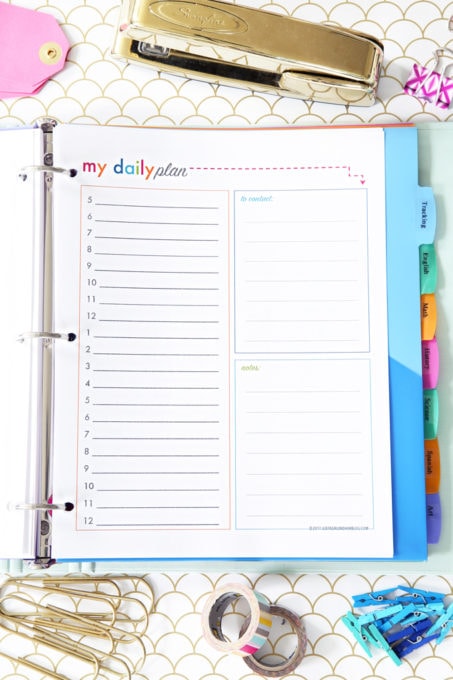
Weekly and Daily Planners: Features hourly breakdowns to facilitate time-blocking—a proven productivity technique where students allocate specific hours of the day to focused study, classes, and rest.
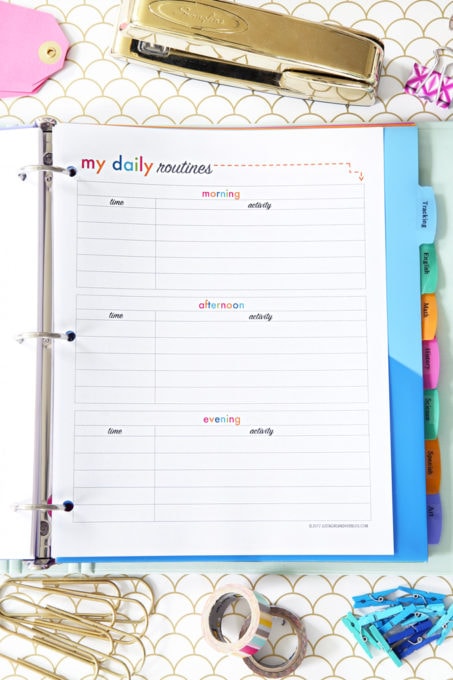
Daily Routines Checklists: Assists younger students and college freshmen alike in building foundational habits, such as packing backpacks the night before, organizing outfit selections, and outlining morning transit schedules.
2. The Tracking Section
Academic survival depends heavily on avoiding missed deadlines. The tracking modules target high-stress administrative elements of schooling:
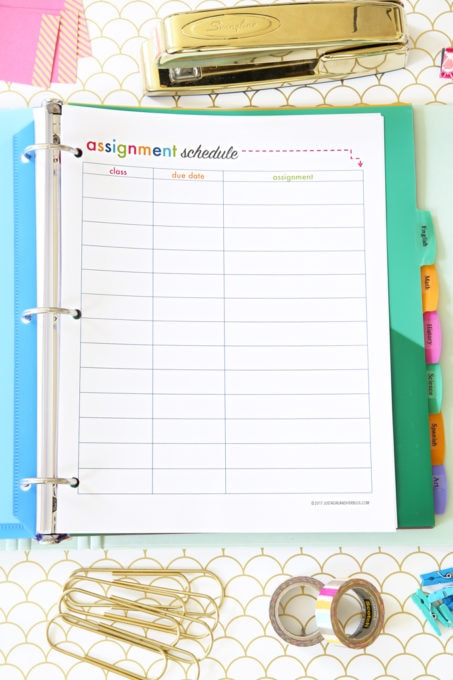
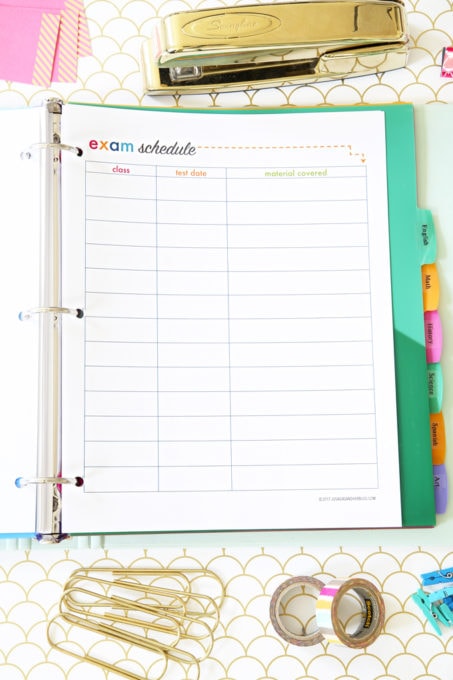
Assignment and Exam Schedules: Designed to consolidate the initial wave of syllabus dates handed out during the first week of class into a unified master timeline.
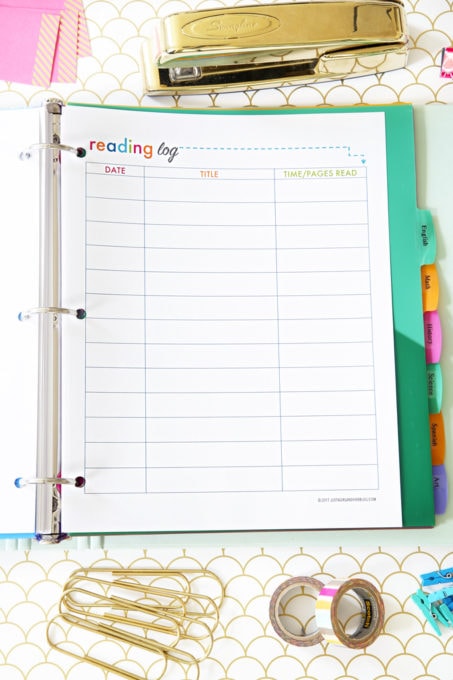
Reading Logs: Encourages continuous literacy tracking—a feature heavily championed by educators and former English teachers who note the lifelong cognitive benefits of early and sustained reading habits.
3. Subject-Specific Workspaces
To prevent the dreaded "backpack abyss" where graded papers and notes from different classes blend into an unorganized mess, the binder utilizes tabbed subject dividers. Each subject tab houses specialized inserts:
Grade Tracking Sheets: Features dedicated columns for individual assignment scores alongside a running cumulative total column on the far right. This eliminates end-of-term grade surprises by keeping students actively aware of their academic standing.
Notes Pages: Clean, structured templates designed for consistent, legible note-taking during lectures.
Project Planners: Breaks down complex, multi-week assignments into manageable milestones, helping students reduce procrastination.
Official Insights and Expert Perspectives
While the digital landscape offers countless productivity applications, educators and organizational designers emphasize the unique neurological benefits of physical planning.
According to developmental psychologists and experienced educators involved in the creation of such organizational aids, the physical act of writing down assignments and manually tracking grades fosters a deeper cognitive connection to deadlines.
"When a student physically writes out their exam dates, plots their daily routines, and actively calculates their running grade average, they transition from being passive participants in their education to active managers of their own success," notes design literature associated with the release. "Organization is not an innate trait; it is a learned skill. Tools like these provide the training wheels necessary for students to build lifelong executive function skills."
Furthermore, the inclusion of flexible, modular layouts acknowledges that no two students learn or organize the same way. By providing a broad menu of printables—allowing users to select only the sheets that serve their specific learning style—the system prevents the burnout often associated with rigid, pre-printed planners that leave unused pages.
Implications for the Upcoming Academic Year
The widespread availability of high-quality, customizable organizational printables carries several positive implications for students, parents, and schools:
Reduction of Academic Anxiety: Transitioning from middle school to high school, or entering higher education, frequently induces anxiety due to increased autonomy. Clear tracking tools mitigate this by breaking overwhelming workloads into digestible daily tasks.
Democratization of Resources: By offering comprehensive planning suites at no cost, digital resource libraries ensure that socioeconomic barriers do not prevent students from accessing premium organizational tools.
Strengthened Parent-Child Collaboration: For younger students, the structured routines and tracking sheets provide parents with a transparent window into their child’s daily responsibilities, fostering constructive academic conversations at home rather than reactive crisis management during report card season.
As the back-to-school season swings into full gear, experts recommend that students assemble their binders early—printing covers on sturdy cardstock, organizing subject tabs, and inputting initial calendar dates—to establish a calm, confident foundation for the academic year ahead.