For decades, the image of "getting fit" has been inextricably linked to the fluorescent lights, the clatter of iron plates, and the rows of intimidating machines found in a commercial gym. This cultural narrative suggests that if you aren’t paying a monthly membership fee, standing in front of a squat rack, and pushing heavy steel, your efforts are merely "exercise"—not true training.
But is a gym membership truly the gatekeeper to physical strength? The answer, according to modern sports science and the lived experience of countless athletes, is a resounding "no." Strength is not a commodity bought at the gym; it is a biological adaptation resulting from the application of specific training principles. Whether you are using a 500-pound barbell or simply mastering your own body weight, your muscles respond to the same underlying physiological triggers.
The Anatomy of a Myth: When Words Derail Progress
The psychological impact of fitness elitism is often underestimated. Consider the case of a reader we’ll call "Ant-Man." Having successfully overhauled his nutrition and lifestyle, Ant-Man turned his attention to his physical strength. He opted for a consistent, structured bodyweight routine he could perform in the privacy and convenience of his own home. He was seeing initial progress and feeling confident—until he shared his routine with a friend.
The friend, dismissing the effort, remarked, "That’s kind of pointless. You’re going to have to go to a gym eventually if you want to make any real progress."
That single sentence acted as a wrecking ball. When we followed up with Ant-Man a month later, he confessed that he hadn’t performed a single workout since that conversation. He felt his efforts were futile. This is a common, yet tragic, phenomenon in the fitness industry. Whether it comes from well-meaning friends, social media influencers, or even misguided personal trainers, the "gym-or-nothing" narrative acts as a barrier to entry. It forces individuals to wait for the "perfect" environment rather than starting with the "effective" one currently at their disposal.
The Core Principle: Progressive Overload
To understand why a gym is not a requirement for strength, one must look at the engine that drives muscle growth: progressive overload.
The human body is an incredibly adaptive machine. When you place a demand on your muscles that exceeds their current capacity, they undergo structural changes—micro-tears in the muscle fibers that, when repaired, make the tissue denser and stronger. This is the bedrock of strength training.
In a traditional gym, progressive overload is achieved primarily through external loading. If you can bench press 135 pounds today, you add five pounds next week to challenge your muscles further. It is a linear, easy-to-track method of progression.
However, bodyweight training uses a different, yet equally effective, mechanism: leverage. By altering the angle, range of motion, or distribution of your body mass, you create a mechanical disadvantage. A standard push-up is a foundational movement; by elevating your feet, you shift more weight onto your upper body, increasing the difficulty without adding a single pound of iron. By moving toward a one-armed push-up, you shift the load even further.
The physiological result is identical: your muscles are pushed beyond their current limit, and they adapt by growing stronger.
Chronology of Strength: From Calisthenics to Complexes
Historically, strength training existed long before the modern commercial gym. From the ancient Spartans to modern-day gymnasts, the most impressive physical specimens have often been built on the foundation of calisthenics—exercises that utilize body weight and movement to build functional power.
- The Foundational Phase: Beginners start by mastering movement patterns (squats, hinges, pushes, and pulls) using body weight.
- The Leverage Phase: As strength improves, practitioners introduce mechanical disadvantages. This includes variations like deficit push-ups, pistol squats, and pull-up progressions.
- The Elite Phase: At this stage, athletes often incorporate external resistance (weights) to further isolate or intensify specific movements.
This timeline shows that while a gym can be a tool for advancement, it is not a prerequisite for the majority of the population. Even for elite athletes, there is no "eventual" point where bodyweight training becomes useless; rather, the two methodologies exist on a spectrum that can be blended throughout one’s life.
Supporting Data: Why "Home-Grown" Strength Works
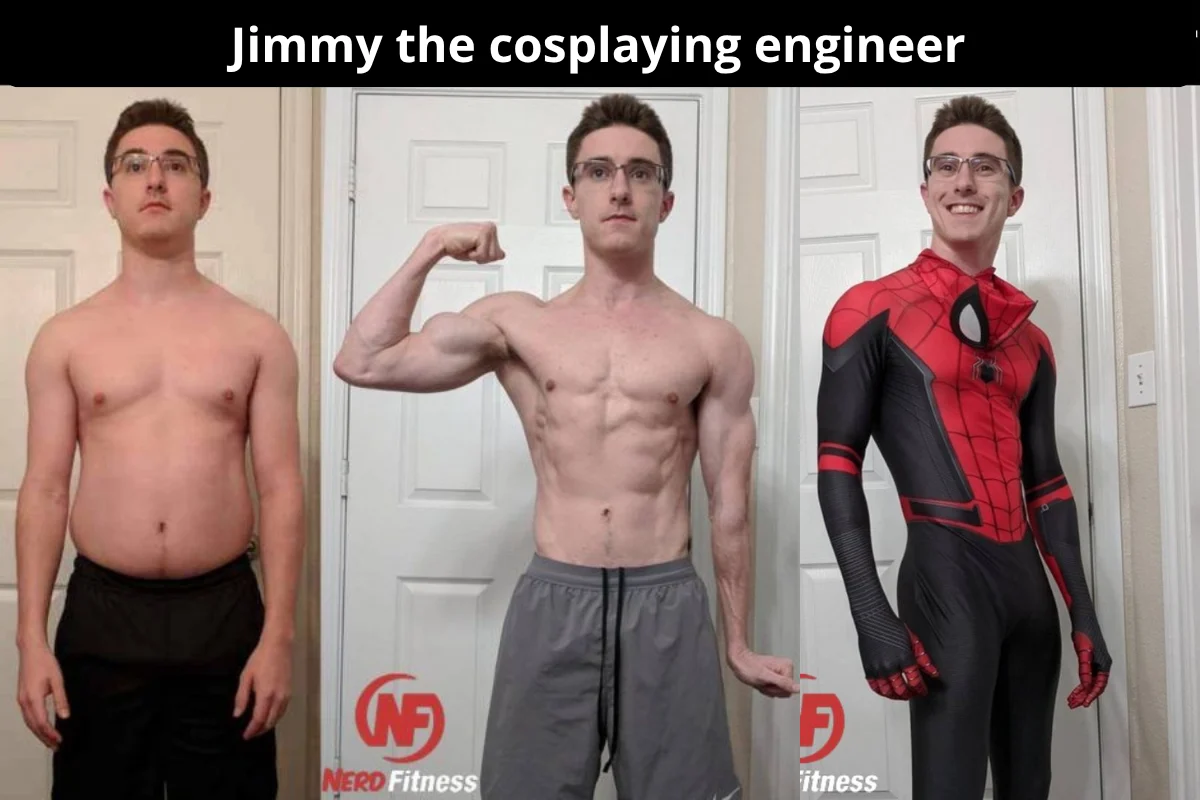
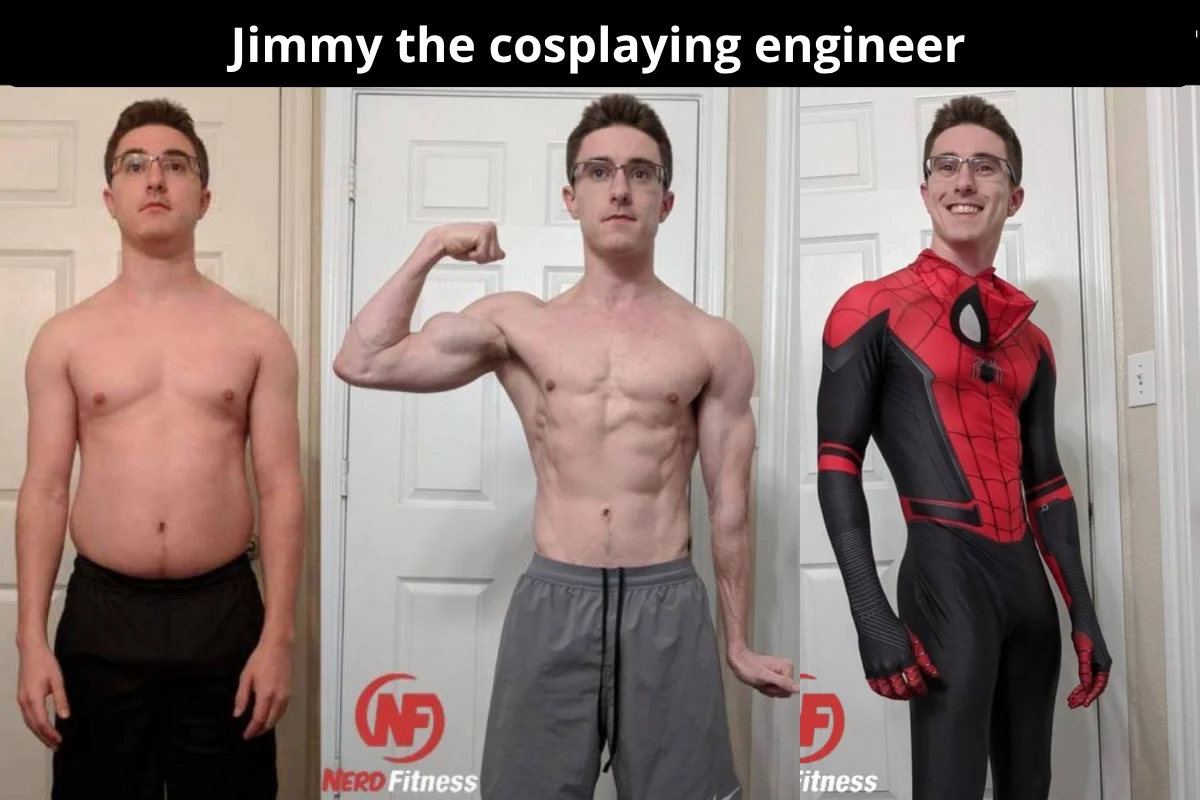
The success stories of individuals like "Jimmy," a client who transformed his physique and strength through home-based training, provide empirical evidence that the environment is secondary to consistency. Jimmy, like many, felt that his busy schedule and dislike of gym culture would hinder his progress. By focusing on a structured, progressive bodyweight plan, he achieved his goals—and even managed to fulfill his personal goal of cosplaying as his favorite hero, Spider-Man.
When we analyze the advantages, the argument for bodyweight training is compelling:
- Accessibility: It removes the commute, the membership cost, and the "gym anxiety" that prevents many from starting.
- Scalability: Every movement, from the squat to the chin-up, has a regression (easier version) and a progression (harder version).
- Neurological Development: Calisthenics often requires greater core engagement and balance, leading to improved body control and functional strength that is highly applicable to real-world movement.
Professional Perspectives: The Industry Shift
While some segments of the fitness industry continue to push the "gym-only" narrative, the tide is turning. Reputable strength coaches and physical therapists are increasingly acknowledging that the "best" workout is the one that gets done.
When we hear claims that "it doesn’t count unless you use a barbell," we must look at the source. Often, this rhetoric is tied to a specific business model that relies on equipment sales or facility memberships. From a scientific standpoint, there is no biological switch that turns on "strength" only when a person enters a gym facility.
The "official" stance of modern evidence-based training is that variables like volume, intensity, frequency, and consistency are the true determinants of success. A person doing three intense bodyweight sessions a week will significantly outperform a person who pays for a gym membership but only attends once a month due to the friction of travel and time commitment.
The Implications: Reclaiming Your Fitness
The most important takeaway for anyone feeling discouraged by the "gym elitists" is that your progress belongs to you. It is not owned by a facility, a brand, or a piece of equipment.
If you find yourself stuck, waiting for the "right" time to join a gym, you are actively choosing to pause your progress. The reality is that you can build a formidable, athletic physique in your living room. The barriers that exist are primarily psychological—the belief that your effort is "less than" because it doesn’t match a specific aesthetic of fitness.
How to Move Forward
- Define Your Principles: Focus on consistency and progressive overload. If you can do ten reps today, aim for eleven next week.
- Ignore the Gatekeepers: Fitness is personal. If someone tells you your path isn’t valid, recognize that they are speaking from their own bias, not from biological fact.
- Leverage Your Environment: If you have access to a gym, use it. If you have a living room and a floor, use that. The muscles do not know the difference between a dumbbell and a variation in leverage; they only know the stress they are being asked to overcome.
In conclusion, the goal of exercise is to improve your quality of life, your longevity, and your physical capability. Whether that happens in a high-end health club or on a yoga mat in your bedroom, the result is the same: a stronger, more capable version of yourself. Don’t let the gym myth derail your journey. You have the tools, you have the principles, and you have the ability to start today.