For years, the world of 3D printing was shrouded in a veil of technical complexity, reserved for engineers, hobbyists with endless patience, and those willing to spend thousands of dollars on temperamental machinery. However, the landscape has shifted dramatically in 2024. As Black Friday descends upon the retail world, Elegoo—a brand that has become synonymous with the democratization of additive manufacturing—has launched a comprehensive sale that marks the most accessible entry point for newcomers to date.
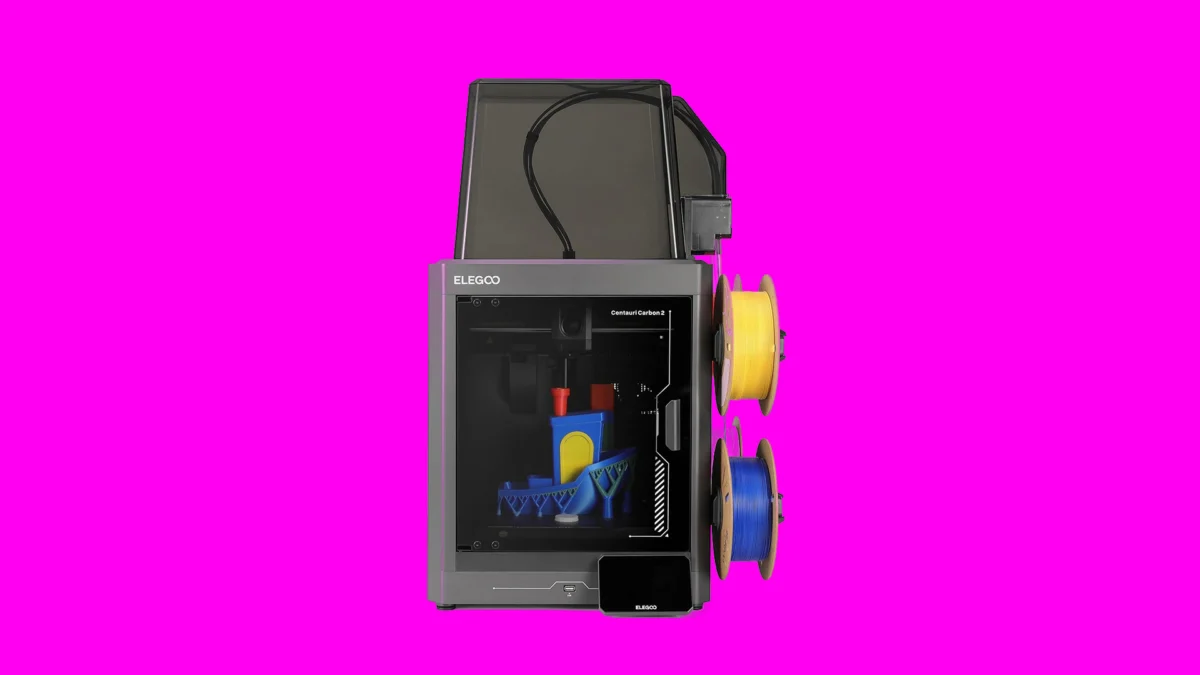
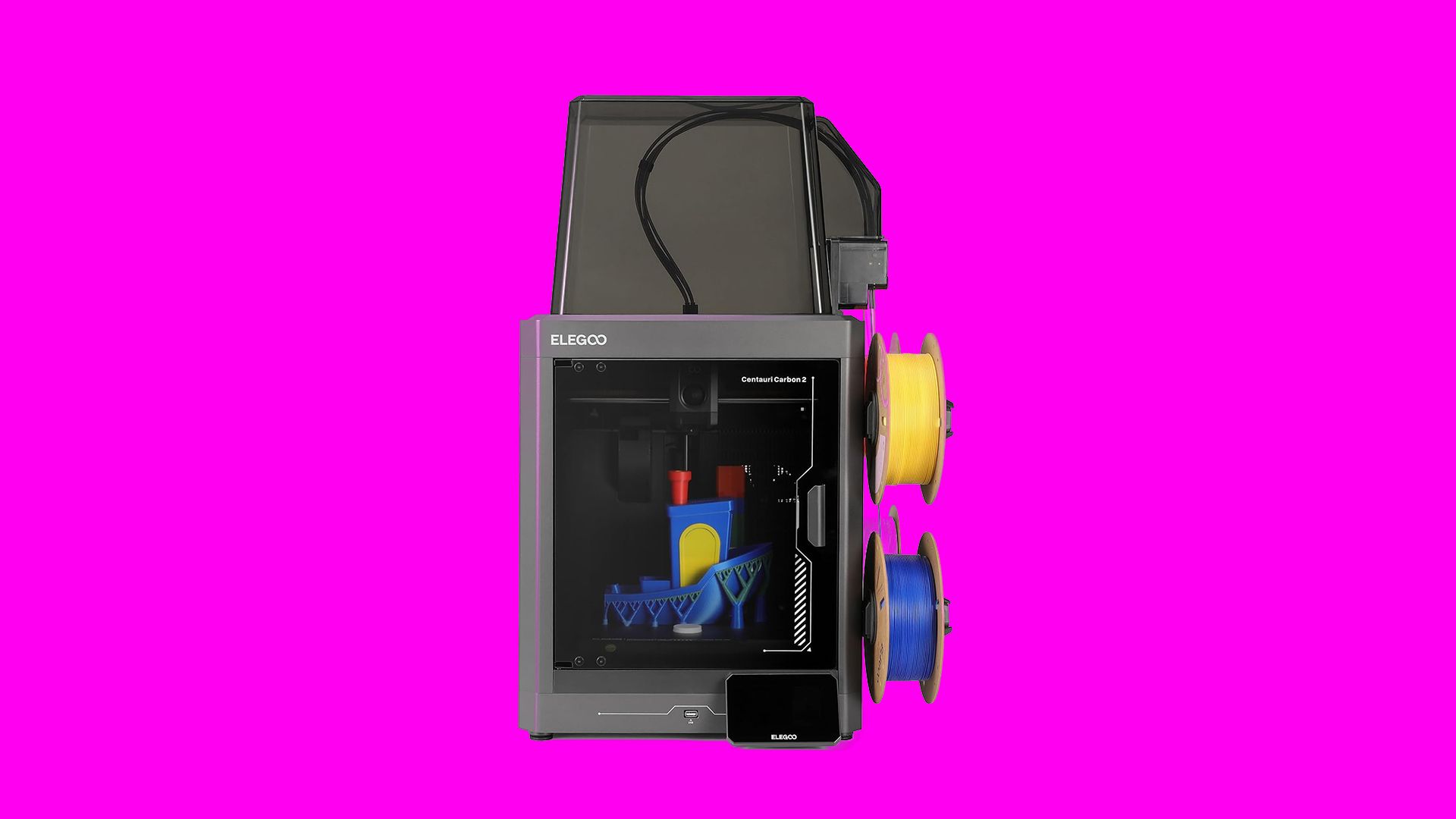
At the center of this promotional push is the Elegoo Centauri Carbon 2 Combo, a machine currently seeing an $80 price reduction, bringing it to a highly competitive $369 on Amazon. For aspiring creators, designers, and engineers, this isn’t just a discount; it is a gateway to a hobby that offers near-infinite creative utility.
Main Facts: The Centauri Carbon 2 and the State of the Market
The Elegoo Centauri Carbon 2 Combo is not merely a budget printer; it is a feature-rich, high-performance unit designed to bridge the gap between "plug-and-play" simplicity and professional-grade capability.
Key Specifications at a Glance:
- Build Volume: 256 x 256 x 256mm (approx. 10.1 x 10.1 x 10.1 inches), offering a versatile space for medium-to-large projects.
- Ease of Setup: Engineered for minimal assembly. Users can move from unboxing to their first print in mere minutes, bypassing the tedious gantry-bolting processes common in older, cheaper models.
- Material Versatility: The enclosed frame design allows for consistent temperature control, enabling the use of a wider array of filaments, including high-temperature materials that open the door to functional, durable parts.
- Advanced Features: The unit includes a built-in camera for real-time monitoring and timelapse creation, as well as an automated self-cleaning function to maintain print head longevity.
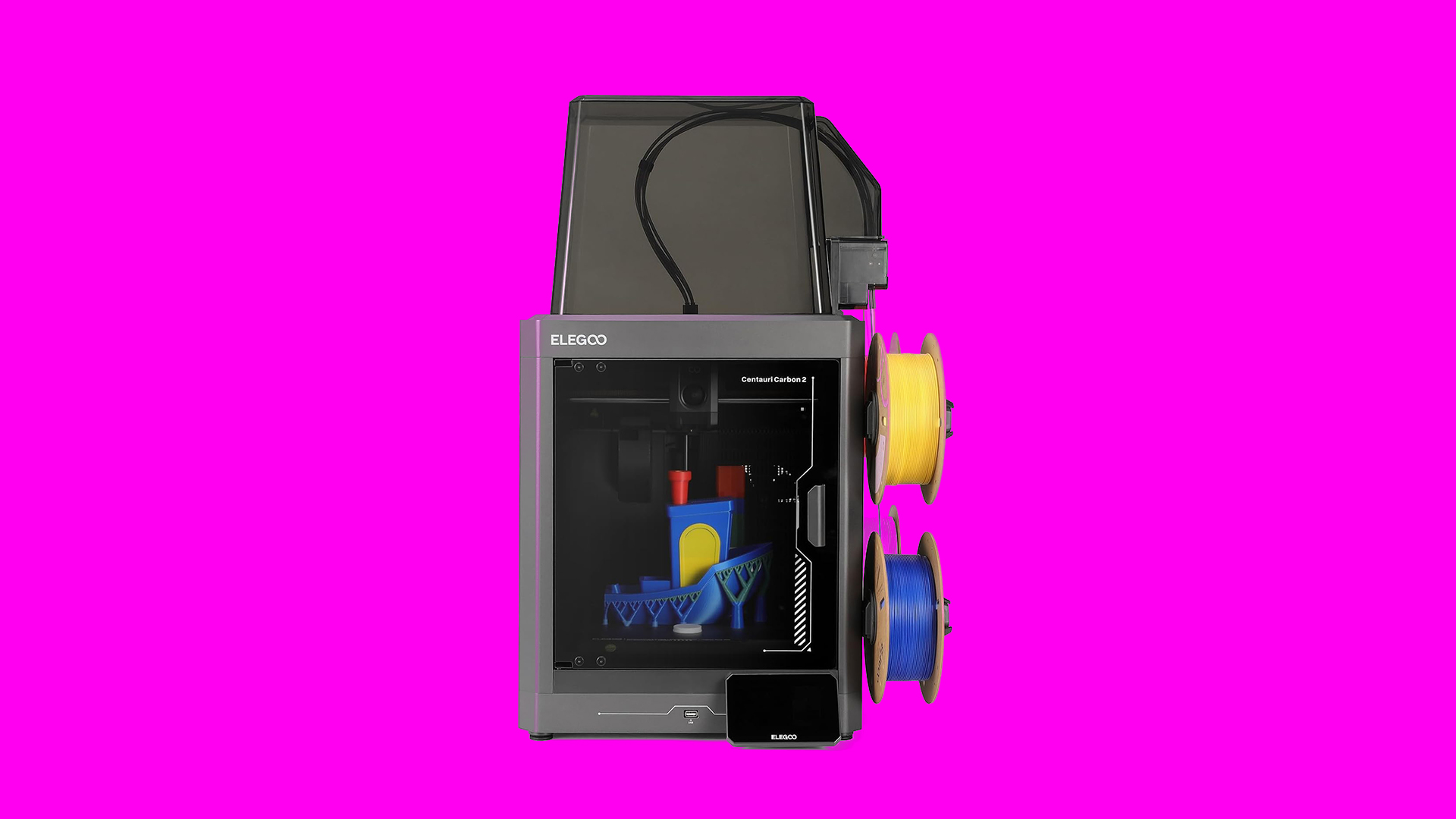
- Multi-Color Capabilities: The "Combo" aspect highlights the machine’s ability to handle multi-color printing, a feature that was once exclusive to high-end industrial printers.
For those standing on the sidelines, the current market climate suggests that we have reached a "plateau of maturity" for consumer FDM (Fused Deposition Modeling) printers. They are now safer, quieter, and significantly more reliable than they were just three years ago.
Chronology: The Evolution of Accessible Additive Manufacturing
To understand why this Black Friday deal matters, one must look at the rapid timeline of 3D printing’s evolution:
- 2015–2018 (The "Kit" Era): Printing was a process of trial, error, and constant maintenance. Users spent more time calibrating their machines than printing objects.
- 2019–2021 (The Refinement Era): Brands like Elegoo began to standardize components, making machines more affordable while keeping them strictly in the "DIY" category.
- 2022–2023 (The Speed and Intelligence Era): The introduction of high-speed printing and automated bed leveling changed the narrative. The focus shifted from "how to make it work" to "what can I create?"
- 2024 (The Feature-Rich Consumer Era): With the release of the Centauri Carbon 2, we have entered an era where advanced features—multi-color, integrated cameras, and enclosure-standardization—are now standard at the sub-$400 price point.
This year’s Black Friday sales represent the culmination of this timeline, where professional features are finally accessible to the domestic user.
Supporting Data: Why FDM is the Right Choice for Starters
While resin (SLA) printing has its place, particularly for those obsessed with the minute details of tabletop miniatures, FDM remains the gold standard for the generalist.
Comparing FDM vs. Resin
- Workflow Safety: FDM printers use thermoplastic filaments that are generally safe for home office environments. Resin printing requires specialized ventilation, protective equipment (gloves, masks), and messy post-processing (isopropyl alcohol baths and UV curing).
- Operational Cost: FDM filament is significantly cheaper per gram than high-quality resin. For a beginner, this translates to more "permission to fail." If a print goes wrong, the cost of the wasted material is negligible.
- Mechanical Utility: FDM prints are inherently more durable for functional parts—brackets, cases, tools, and replacements.
The data supports the notion that for 90% of creative applications—prototyping, home decor, custom storage, and engineering mockups—the Centauri Carbon 2 is the superior entry point.
Official Perspective and Expert Recommendations
According to industry analysts and creative professionals who have stress-tested these units, the "ease-of-use" factor is the single most important metric for a first-time buyer.
"The hurdle for most people isn’t the software; it’s the physical assembly and the fear of a machine that requires a degree in mechanical engineering to operate," notes our technical review team. "The Centauri Carbon 2 addresses this by effectively acting as a consumer appliance. You remove the shipping materials, plug it in, and the firmware does the heavy lifting."
However, for those whose specific creative passion is centered on the production of ultra-fine, intricate character models, experts still point toward the Elegoo Mars 5 Ultra. While it requires the aforementioned resin-printing workflow, its ability to achieve surface quality that FDM printers simply cannot touch makes it the specific recommendation for the niche market of miniatures and high-detail figurines.
Implications: The Democratization of Design
The implications of this Black Friday deal extend far beyond a discounted price tag. We are witnessing the solidification of the "Maker" movement in the home.
1. The End of "Throwaway Culture"
With an accessible printer, the need to order small plastic components online is reduced. A broken vacuum cleaner part, a lost knob on a kitchen appliance, or a custom storage organizer can be printed in a few hours. This leads to a more sustainable, repair-focused approach to household maintenance.
2. Prototyping as a Basic Skill
For students, designers, and entrepreneurs, the ability to iterate on a physical object at home is transformative. The transition from a 3D digital model (using software like Blender, Fusion 360, or Tinkercad) to a tangible object in your hand provides a feedback loop that accelerates learning in STEM and design fields.
3. The Multi-Color Revolution
Multi-color printing adds a layer of aesthetic complexity that was previously unattainable without extensive post-processing (painting and assembly). The Centauri Carbon 2’s capability in this area allows creators to produce finished, professional-looking products straight off the build plate, removing the need for artistic painting skills that often act as a barrier to entry for creative hobbyists.
Conclusion: Is Now the Time?
If you have been waiting for a signal to enter the world of 3D printing, the combination of technological maturity and aggressive Black Friday pricing is the strongest signal you are likely to receive this year.
The Elegoo Centauri Carbon 2 represents a balanced, robust, and user-friendly machine that avoids the pitfalls of early-generation printers. It provides the "freedom to create" without the burden of "constant maintenance." Whether you are looking to fix things around the house, create art, or learn the foundations of additive manufacturing, this deal offers a rare combination of value and capability.
As we move toward the end of the year, the hobby of 3D printing is no longer about the printer itself—it is about the ideas you bring to it. With the barrier to entry lowered to $369, the only remaining constraint on your creativity is your imagination.
For those interested in exploring further, be sure to check out the wider range of Elegoo sales on their official website, which includes discounts on essential consumables like premium resins and filaments, ensuring that once you start printing, you have the supplies to keep the machine running throughout the winter months.