In the fast-paced world of interior design, trends are often born from the pages of high-end architectural magazines or the carefully curated feeds of Parisian influencers. Rarely, however, does a design movement emerge from the surreal intersection of gothic horror, cottagecore aesthetics, and the uncanny valley of Hollywood special effects. Yet, that is exactly what has happened with the unexpected surge of "Wickercore"—a design phenomenon triggered by the 2026 cinematic sensation, Wicker.
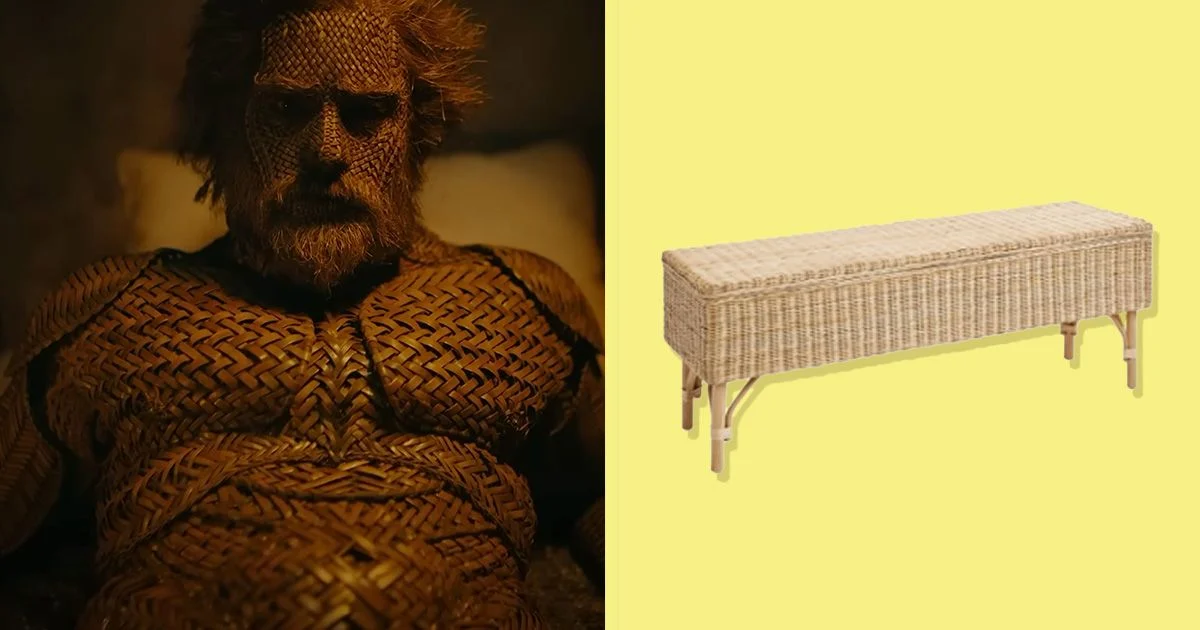
What began as a provocative visual choice for a film character—a "ligneous" Alexander Skarsgård encased in a custom-engineered, anthropomorphic wicker suit—has evolved into a legitimate interior design craze. As audiences become enamored with the tactile, organic, and slightly unsettling aesthetic of the film, homeowners are rushing to integrate osier, rattan, and cane furniture into their living spaces.
The Genesis of the Aesthetic: A Chronology of a Trend
The obsession did not happen overnight; it was a slow-burn transition from niche cinephile curiosity to mainstream home décor staple.
- Q1 2026: The release of the film Wicker introduces the public to a hauntingly beautiful, cottagecore-adjacent world. The film’s centerpiece—a wicker-clad protagonist—captures the internet’s imagination, sparking thousands of memes, fan art pieces, and critical analyses of the suit’s intricate craftsmanship.
- Q2 2026: Social media platforms, particularly TikTok and Pinterest, see a 400% increase in searches for "rattan furniture," "cane weaving," and "organic textural design." Interior designers begin to notice a shift away from the sterile, minimalist "greige" aesthetic toward more tactile, artisanal materials.
- Q3 2026: Retail giants like IKEA and Wayfair report record-breaking sales for woven furniture pieces. The "Tolkning" bench, previously a sleeper item in the IKEA catalog, suddenly becomes the season’s must-have accessory, sold out in major markets across Europe and North America.
- Q4 2026: "Wickercore" is officially dubbed a top-tier design trend by leading publications. The trend expands beyond furniture into lighting, wall art, and even 3D-printed custom decor, as fans attempt to recreate the film’s specific, organic-horror aesthetic in their own homes.
The Craft Behind the Craze: How the Suit Changed Design
To understand why the public is suddenly so invested in wicker, one must understand the technical mastery behind the film’s costume design. The wicker suit worn by Alexander Skarsgård was not merely a costume; it was a feat of engineering.
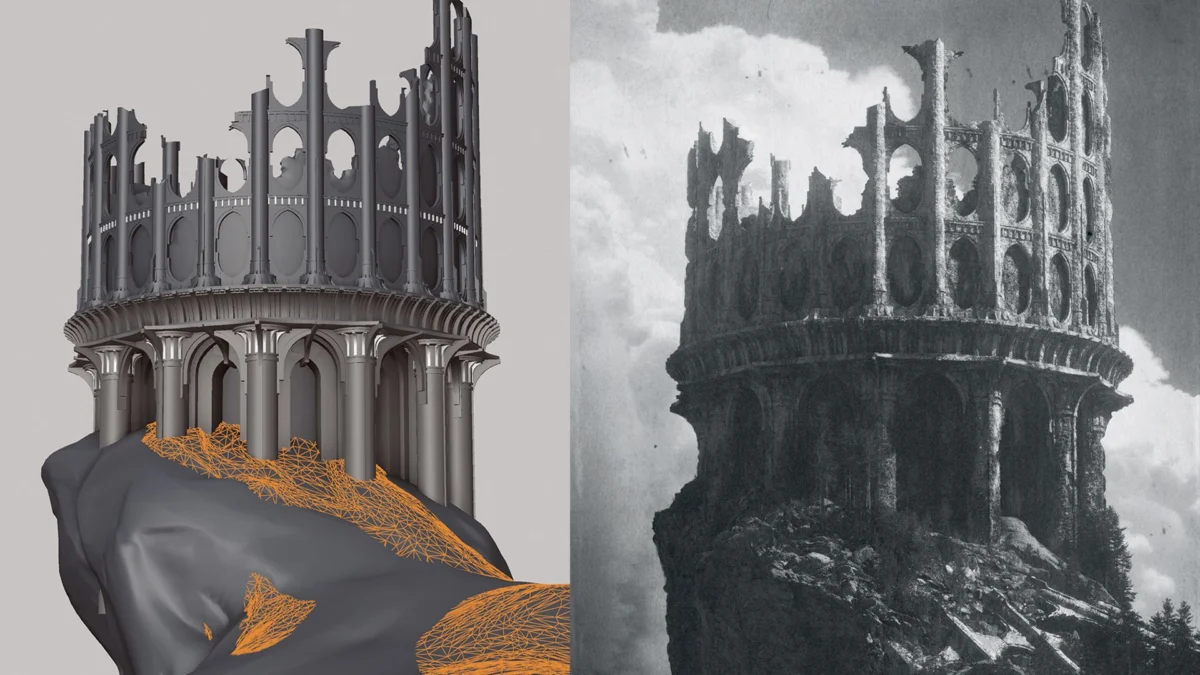
In recent behind-the-scenes features, the production team revealed that the suit was constructed using a combination of traditional hand-weaving techniques and advanced 3D-modeling technology. The goal was to create a suit that looked like an extension of the forest floor, yet functioned with the flexibility required for complex action sequences.
This intersection of ancient craftsmanship and modern tech has resonated with a generation of designers who are increasingly turning toward "biophilic" design—the practice of connecting the built environment with nature. The wicker suit, in its own bizarre way, serves as the ultimate example of this, blurring the line between human form and natural material.
Supporting Data: The Market Shift Toward Woven Materials
The numbers support the anecdotal evidence of a design shift. According to the Home Furnishing Retail Index (HFRI), interest in natural fibers—specifically rattan and cane—has seen an unprecedented compound annual growth rate (CAGR) of 12.4% over the last six months of 2026.
Retailers are responding by pivoting their inventory. IKEA’s decision to re-promote the Tolkning bench was a calculated response to this data. By leaning into the "racy," organic aesthetic of the film, they successfully transformed a practical piece of furniture into a lifestyle statement.
"We are seeing a move away from the hyper-polished, synthetic surfaces of the last decade," says Dr. Elena Vance, a trend analyst at the Institute of Interior Studies. "Consumers are craving texture. They want their homes to feel grounded, and wicker—with its artisanal, uneven, and slightly ‘living’ quality—provides that."
The "Do-It-Yourself" Impulse: 3D Printing and Crafting
One of the most fascinating aspects of the Wickercore phenomenon is the democratization of the look. Because the original suit was designed using 3D modeling, fans of the film have taken to open-source forums to share their own files for 3D-printing wicker-inspired decor.
This has sparked a sub-movement of "DIY Wicker," where users print flexible, lattice-like structures that mimic the weave of traditional cane. While this is primarily used for small sculptures or lamp shades, it reflects a broader shift toward "maker culture." The message is clear: if you can’t buy the aesthetic, you should be able to create it.
However, experts caution that while 3D printing offers a modern twist, the soul of the trend remains in the traditional, hand-woven pieces. "The appeal of wicker is its history," notes master weaver Julian Thorne. "It is a craft that dates back to the Egyptians. When people bring wicker into their homes, they are bringing in a piece of human heritage. No printer can fully replicate the tension and the ‘give’ of a hand-woven chair."
Official Responses and Industry Implications
The design industry has reacted with a mix of bemusement and professional respect. While many established designers initially scoffed at the idea of a horror movie influencing global design, the sustained demand has forced a rethink.
Major design houses are now commissioning collaborative pieces with artisanal weavers to capture the "Wickercore" market. At the 2026 Milan Design Week, several prominent showrooms debuted furniture collections that prioritized woven textures over smooth veneers.
"We have to acknowledge the cultural moment," says Sarah Jenkins, creative director of a London-based interior firm. "When a film creates such a visceral reaction to a material, it’s our job as designers to interpret that into something livable. We’re moving away from the ‘Skarsgård horror’ element, of course, but the appreciation for the raw, ligneous aesthetic is here to stay."
Implications for the Future of Interior Design
The legacy of the Wicker craze is likely to extend far beyond 2026. As sustainability becomes the primary driver of consumer choice, materials like rattan and osier—which are fast-growing, renewable, and biodegradable—are perfectly positioned to dominate the market.
- Sustainable Luxury: The rise of wicker suggests that luxury no longer needs to mean rare metals or imported woods. It can mean skilled, artisanal labor and sustainable harvesting.
- The Return of Tactility: After years of glass, steel, and screens, the human touch is becoming the most sought-after luxury. Wicker’s inherent imperfections provide a much-needed antidote to the digital age.
- Cross-Pollination of Media and Design: We can expect to see more "cinematic design" in the coming years. As films continue to build immersive, highly stylized worlds, those worlds will increasingly influence the way we decorate our private sanctuaries.
Conclusion: Living in the Wicker World
Whether the Wickercore trend is a fleeting byproduct of a film’s viral success or the beginning of a long-term return to naturalistic design remains to be seen. What is clear, however, is that our spaces are changing. We are no longer content with the cold, sterile interiors of the past; we are seeking out the organic, the woven, and the complex.
As you consider adding a piece of wicker to your own living room—perhaps a bench, a chair, or a subtle side table—remember that you are participating in a trend that, however bizarre its origin, is rooted in the oldest traditions of human craft. Just be warned: as the trend continues to evolve, the furniture might start looking back at you. And, as the early adopters of this trend have learned the hard way, you might want to keep an eye on the chafing.
Joe is a regular freelance journalist and editor at Creative Bloq. He writes news, features, and buying guides, keeping a pulse on the intersection of technology and art. When he isn’t tracking the latest interior design crazes, he is managing creative teams for the hospitality sector or practicing Argentine tango in the streets of London.