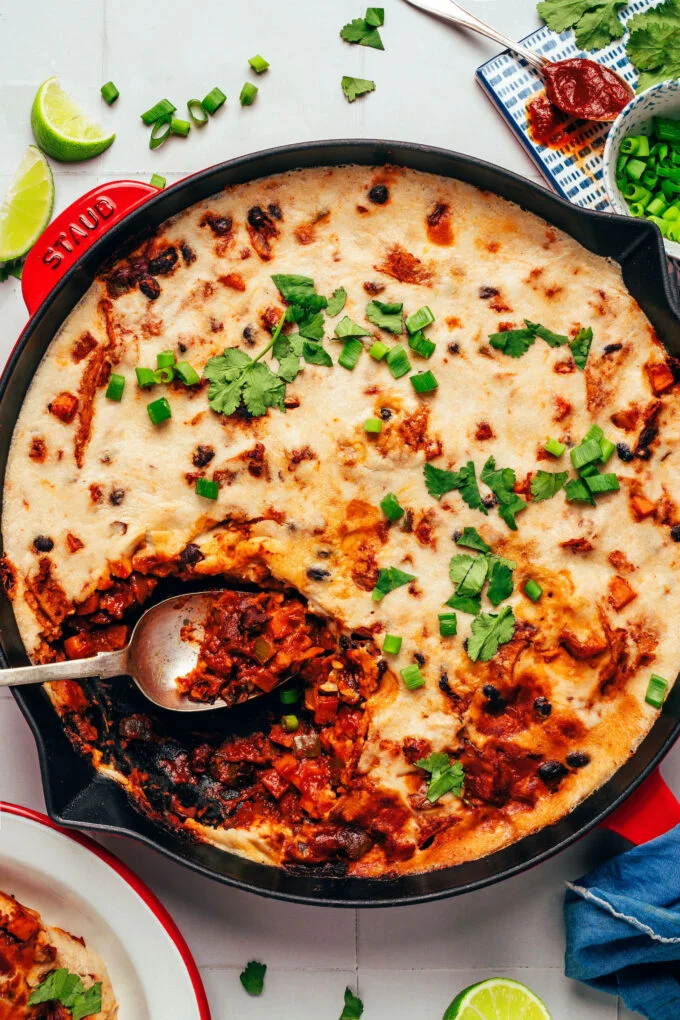
In the landscape of contemporary home cooking, efficiency has become as prized as flavor. The modern home cook seeks meals that bridge the gap between traditional comfort and the frantic pace of 21st-century life. Enter the "Cheesy Vegan Enchilada Skillet"—a dish that has recently captured the attention of culinary enthusiasts for its ability to distill the complex, labor-intensive process of traditional enchilada preparation into a streamlined, one-pan, 30-minute experience.
By deconstructing the classic enchilada and reassembling it in a skillet, this recipe offers a masterclass in culinary simplification. It retains the essential pillars of the dish—the savory filling, the vibrant sauce, and the satisfying, melty topping—while eliminating the tedious task of rolling individual tortillas. This innovation is not merely a shortcut; it is a thoughtful adaptation of a historic staple for a generation that demands both nutrition and convenience.
Main Facts: Deconstructing the Enchilada
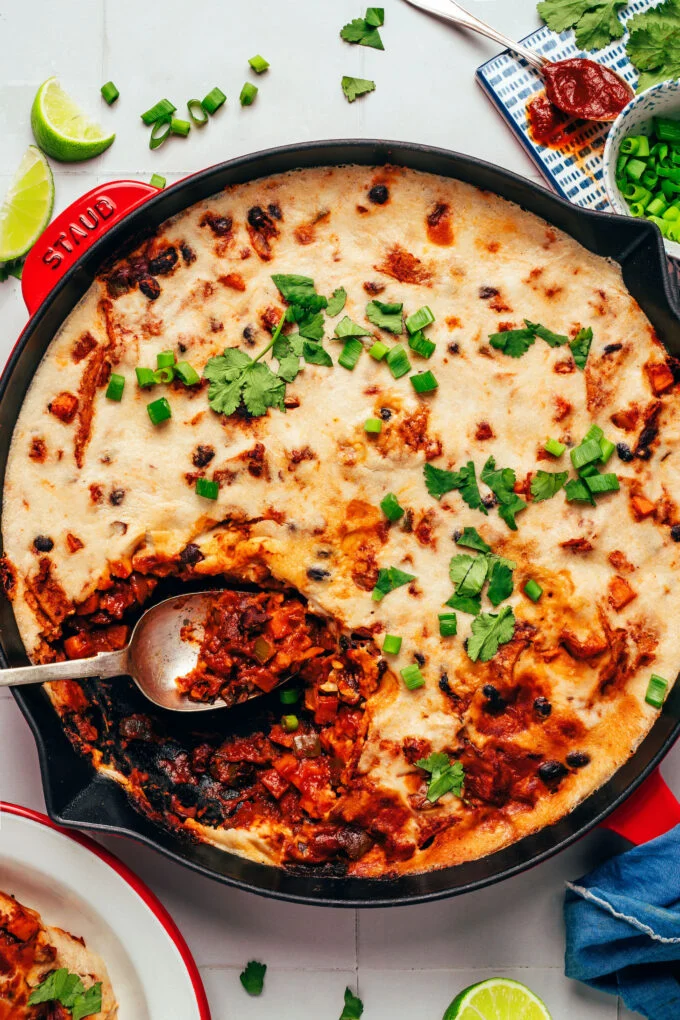
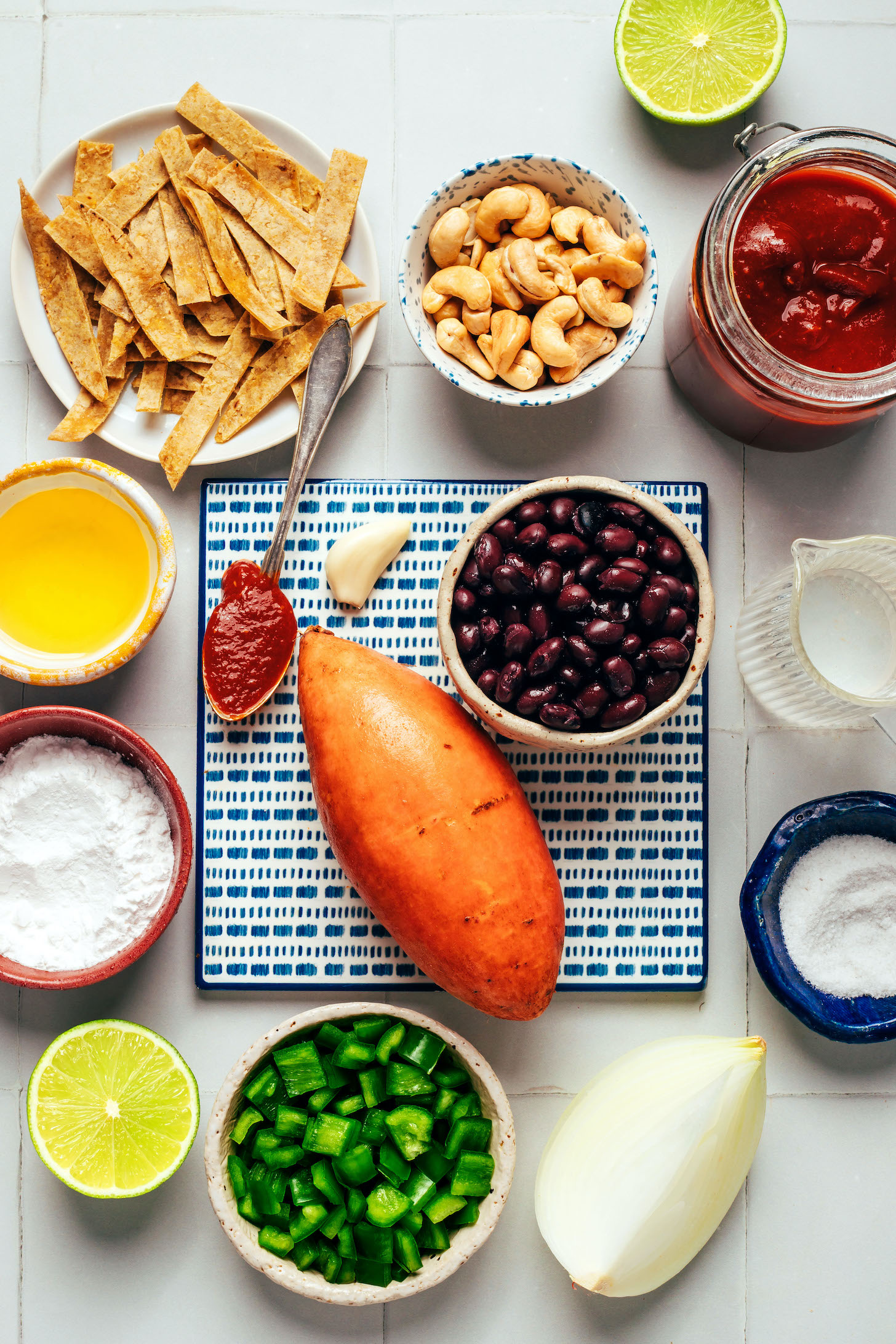
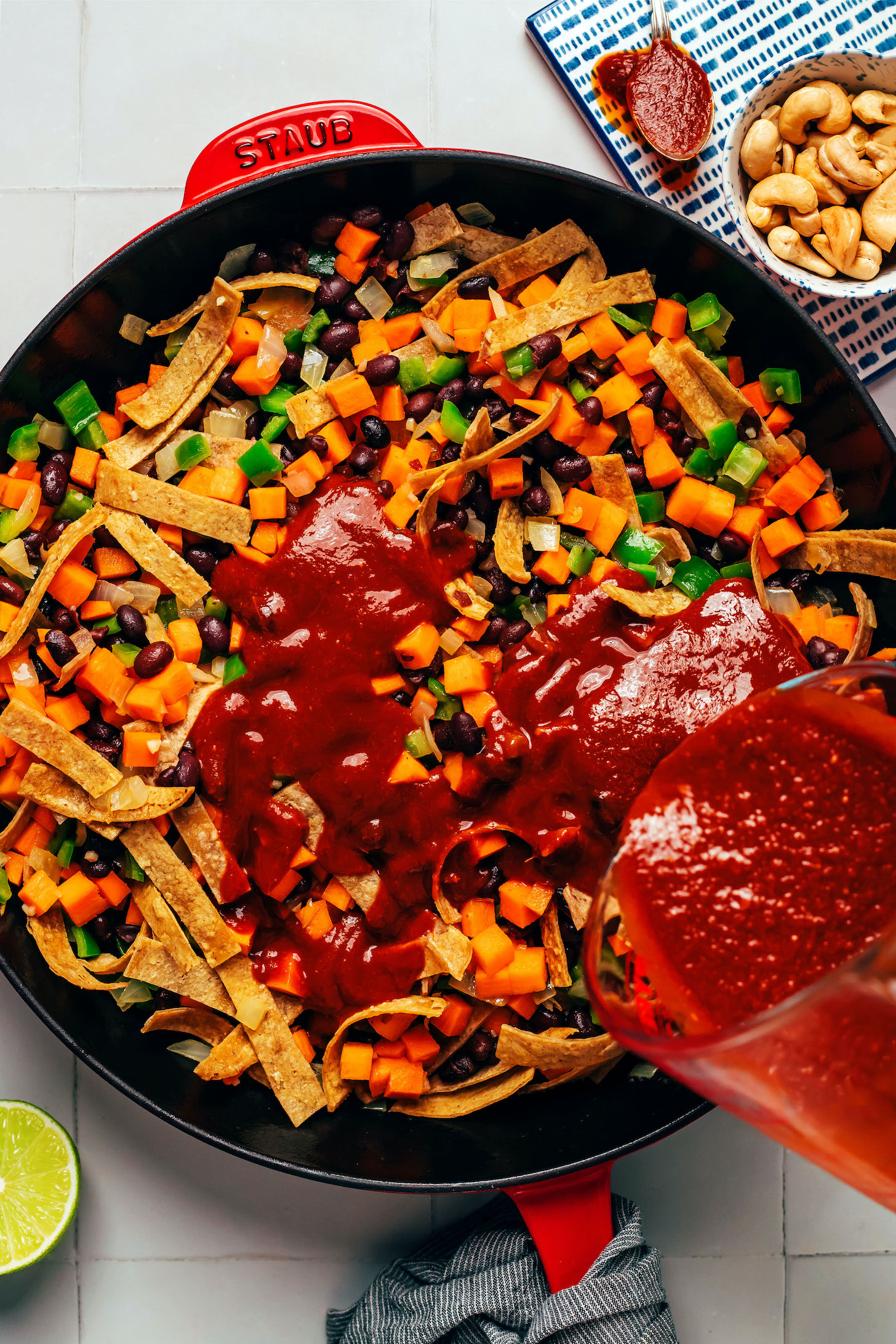
The core appeal of this recipe lies in its strategic use of high-impact ingredients. The base is constructed from nutrient-dense, plant-based components: tender cubes of sweet potato or winter squash provide a natural, earthy sweetness, while black beans contribute a robust protein and fiber profile. These are sautéed alongside aromatic onions, garlic, and poblano peppers, creating a flavor foundation that is both smoky and deeply satisfying.
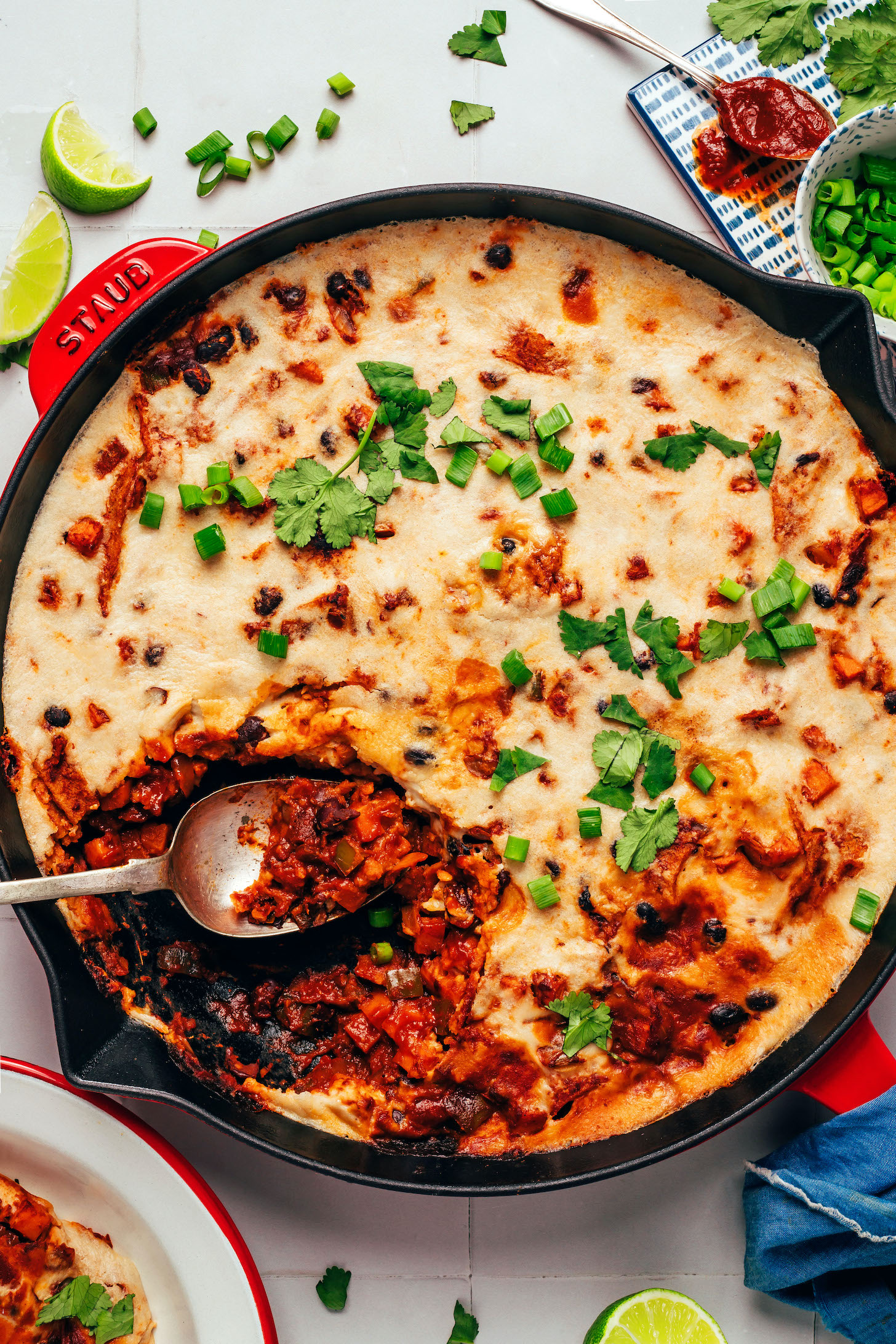
The "sauce-to-tortilla" ratio is the critical innovation here. Rather than stuffing and rolling, corn tortillas are sliced into strips and folded directly into the skillet. As they simmer with the red enchilada sauce, they absorb the liquid, softening into a dumpling-like texture that mimics the mouthfeel of a traditional enchilada without the structural failure that often occurs during the rolling process.
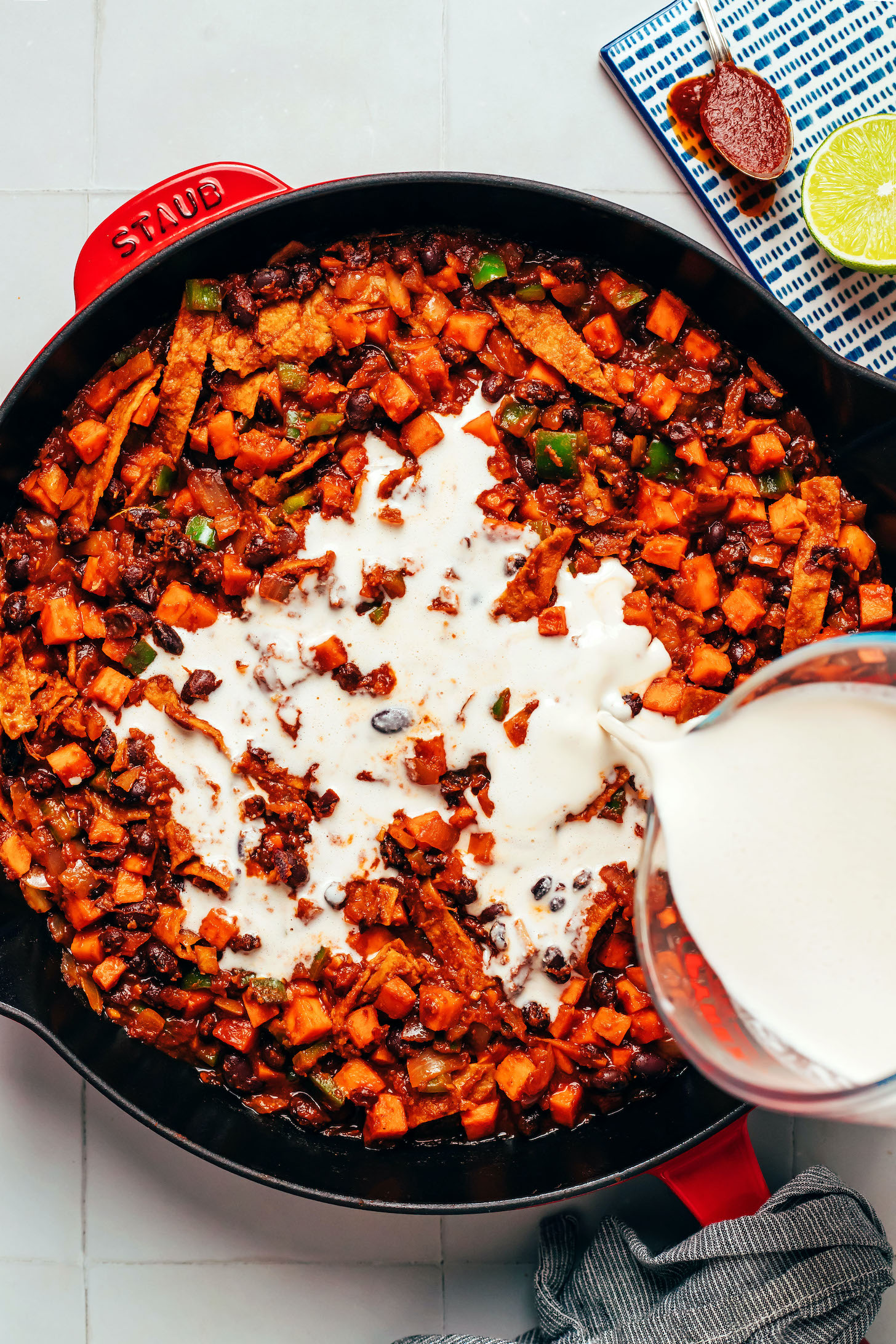
The final element—the "cheese"—represents the most significant departure from traditional recipes. Utilizing a blend of cashews, lime juice, garlic, and tapioca starch, the dish produces a vegan, dairy-free topping that mimics the stretch and melt of conventional cheese. When covered and steamed on the stovetop, the tapioca starch activates, creating a luxurious, creamy finish that satisfies even the most skeptical dairy enthusiasts.
Chronology: A Dish Reimagined
The history of the enchilada is deeply rooted in Mesoamerican tradition. Historical records suggest that the dish traces its lineage back to the Mayan civilization, specifically to a dish known as papadzules. While the exact evolution is lost to time, the first formal, written recipe for the enchilada appeared in the 1831 Mexican cookbook El Cocinero mexicano.
For nearly two centuries, the process remained largely unchanged: filling, rolling, baking, and serving. It was a weekend-long labor of love, often reserved for large gatherings. The shift toward the "skillet" method marks a significant transition in how we view the dish.
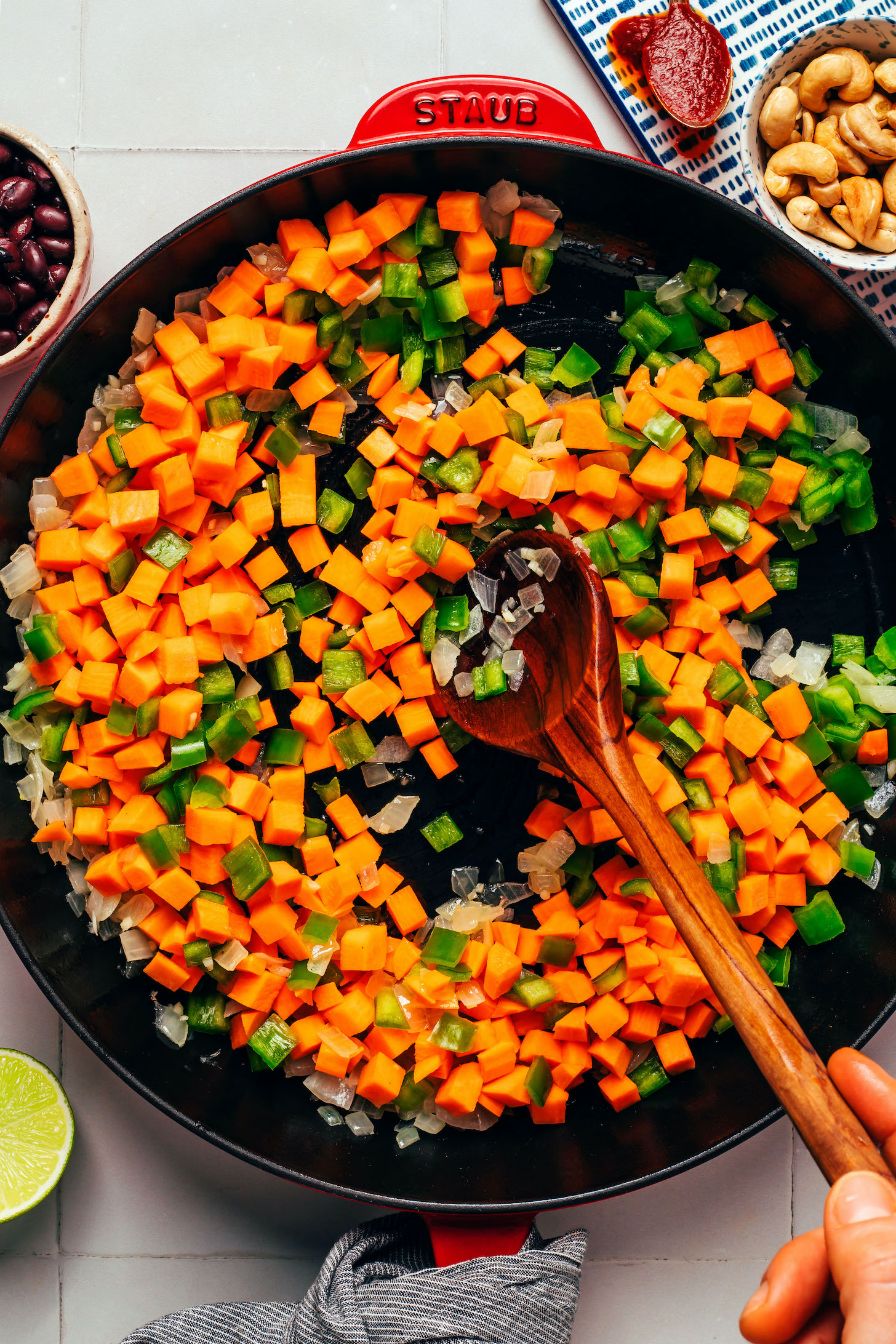
- The Preparation (0-10 Minutes): The process begins with the prep, focusing on the "small-dice" technique. By cubing sweet potatoes into 1/4-inch pieces, the cook ensures that the vegetable reaches a fork-tender state within the 20-minute cook window.
- The Sauté (10-15 Minutes): The aromatics—onions and poblanos—are introduced to the heat. This step is vital for developing the depth of the flavor profile.
- The Simmer (15-25 Minutes): The introduction of the enchilada sauce and the tortilla strips transforms the skillet from a stir-fry into a cohesive stew. The starches from the corn tortillas thicken the sauce, binding the dish together.
- The Melt (25-30 Minutes): The final addition of the cashew sauce, followed by a brief period of covering the pan, allows for the "magic" of the tapioca starch to solidify the cheese layer.
Supporting Data: Nutritional and Culinary Analysis
From a nutritional standpoint, this skillet is a powerhouse. A single serving contains approximately 416 calories, with a robust 13.6 grams of protein and 14.3 grams of dietary fiber. The high potassium content (over 1,000 mg) and significant vitamin A levels provided by the sweet potatoes make it a nutritionally dense alternative to traditional calorie-heavy, meat-filled counterparts.
The culinary flexibility of the recipe is equally noteworthy. Data from kitchen testing indicates that the dish serves as a "modular" meal. For those seeking higher protein, the addition of smoky shredded tofu or leftover shredded chicken can be incorporated during the simmering phase. For those looking to increase vegetable intake, the base can easily accommodate kale, spinach, or extra bell peppers without requiring a change in cooking time.
Furthermore, the "cashew cheese" has been benchmarked against traditional dairy-based toppings. In blind taste tests, the creamy, tangy profile of the cashew-lime-garlic emulsion often outperforms standard cheddar or pepper jack in terms of depth of flavor, proving that vegan alternatives can stand as equals in the modern culinary pantheon.
Official Responses and Culinary Reception
Professional chefs and home-cooking advocates have lauded this approach for its accessibility. In the professional sphere, the rise of the "skillet meal" is viewed as a response to the "time-poverty" currently experienced by the average urban dweller. Culinary critics have noted that by removing the "roll," the recipe lowers the barrier to entry for novice cooks who might otherwise be intimidated by the structural complexity of traditional enchiladas.
The vegan community has particularly championed this recipe for its use of whole-food ingredients. By avoiding processed vegan cheese substitutes and opting for a homemade cashew blend, the recipe adheres to the principles of "clean eating" while maintaining the indulgent mouthfeel that comfort food requires. Feedback from users who have tested the recipe emphasizes the "emotional satisfaction" of the meal—a crucial metric for any dish intended to serve as a weeknight staple.
Implications: The Future of Weeknight Dining
The success of the Cheesy Vegan Enchilada Skillet signals a broader shift in home dining: the "deconstruction" movement. We are moving away from rigid, procedural recipes toward flexible, technique-driven methods that prioritize the end result over the traditional process.
Sustainability and Efficiency
Beyond the kitchen, the implications of this dish are environmental. By centering the meal on plant-based proteins like black beans and cashews rather than animal products, the carbon footprint of the dinner is significantly reduced. The 30-minute cook time also suggests a reduction in energy consumption compared to traditional oven-baked enchiladas, which often require 45 to 60 minutes of preheating and baking.
The Role of Technology
The reliance on a high-speed blender for the sauce is a testament to the role of modern kitchen technology in enabling healthy, fast cooking. As high-performance blenders become standard household items, the complexity of homemade sauces decreases, allowing for more nutritious, additive-free meals.
A New Standard for Comfort
Perhaps the most significant implication is the changing definition of "comfort food." In the past, comfort food was synonymous with heavy, labor-intensive, animal-product-heavy dishes. This skillet challenges that notion by proving that a dish can be deeply comforting, intensely flavored, and physically satisfying while remaining entirely plant-based and efficient.
Conclusion
The Cheesy Vegan Enchilada Skillet is more than just a quick dinner; it is a manifestation of how traditional food culture can evolve. It respects the heritage of the enchilada—the marriage of corn, sauce, and filling—while adapting the form to meet the needs of a modern, fast-paced world. Whether one is a seasoned vegan or simply a busy home cook looking to reduce their time in the kitchen, this dish offers a template for the future: one that is as conscious of time as it is of flavor. As we continue to prioritize health, sustainability, and efficiency, recipes like this will likely define the new standard for the contemporary kitchen.