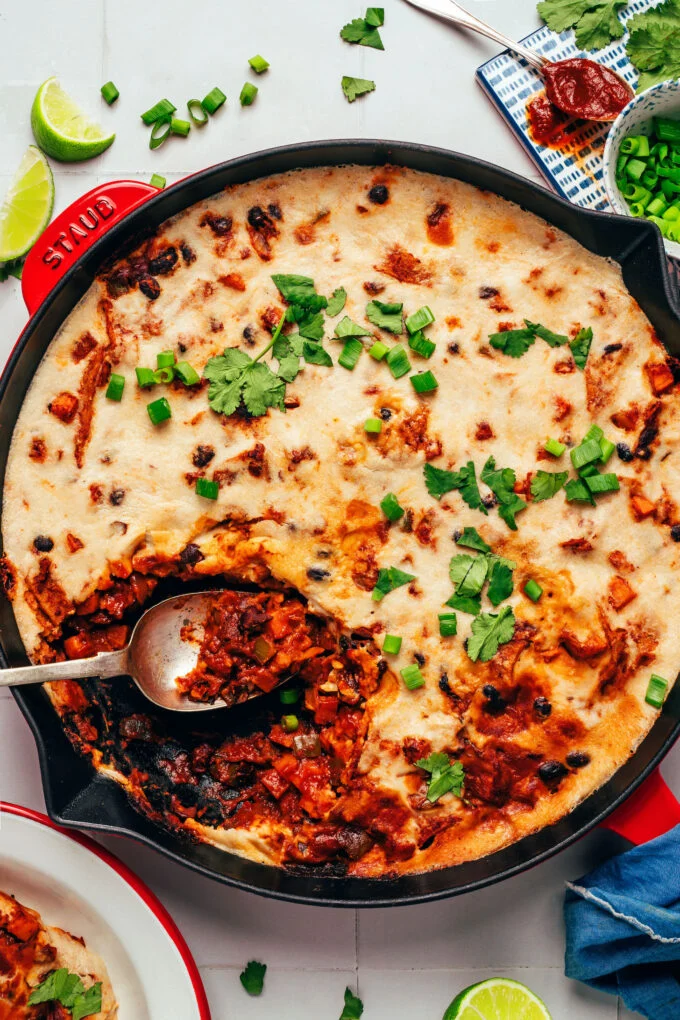
In the landscape of modern home cooking, efficiency and health-conscious alternatives have become the twin pillars of culinary innovation. A striking example of this evolution is the "Cheesy Vegan Enchilada Skillet," a dish that has recently captured the attention of plant-based enthusiasts and busy home cooks alike. By stripping away the labor-intensive rolling process of traditional enchiladas and replacing heavy dairy with a sophisticated cashew-based emulsion, this dish represents a significant shift in how we approach classic comfort foods.
Main Facts: The Anatomy of a Modern Skillet Meal
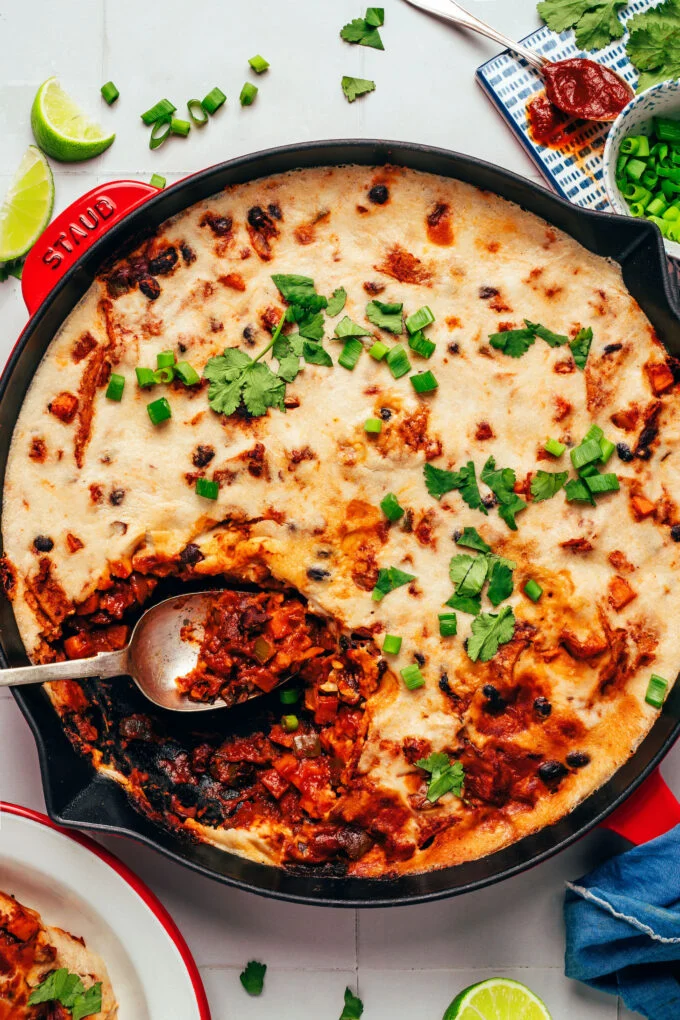
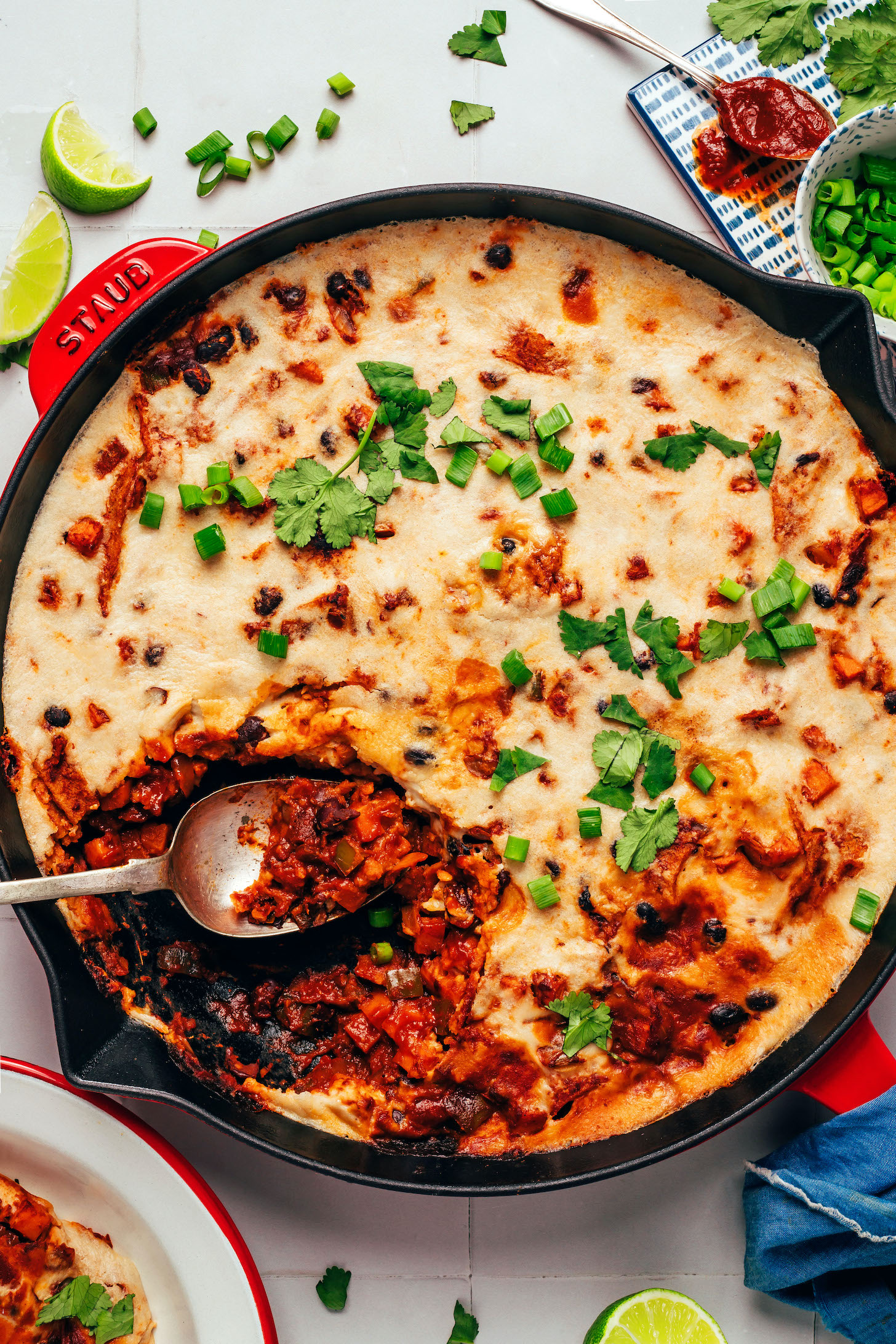
At its core, the Cheesy Vegan Enchilada Skillet is a masterclass in minimalist cooking. Designed to be prepared in a single pan, the recipe aims to deliver the complex, smoky, and savory profile of a traditional Mexican-inspired meal in just 30 minutes.
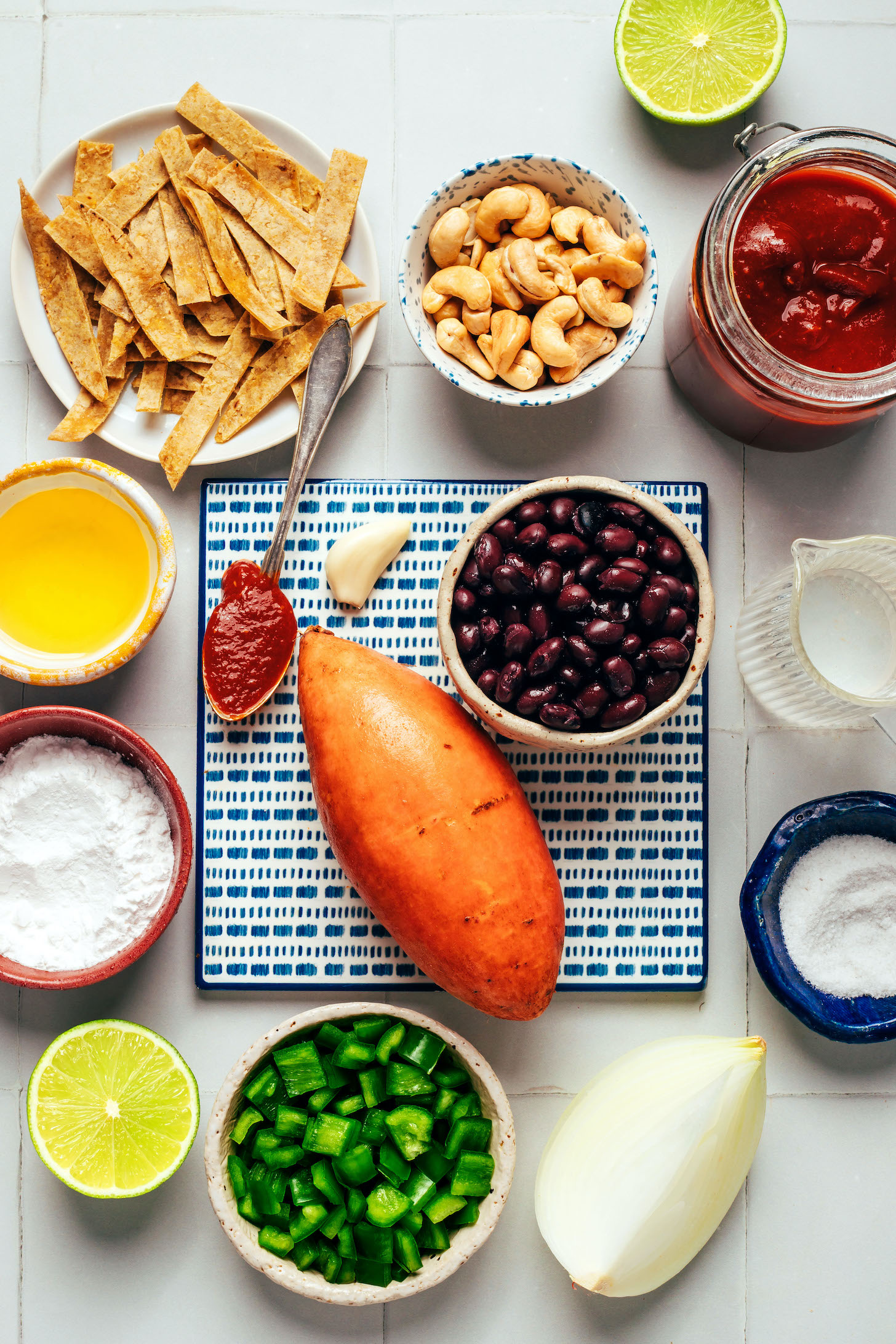
The dish replaces the traditional corn tortilla wrapping—which typically requires individual filling and rolling—with sliced strips that are folded directly into the skillet. This "deconstructed" approach maintains the textural integrity of the tortilla while significantly reducing the prep time. The primary components include:
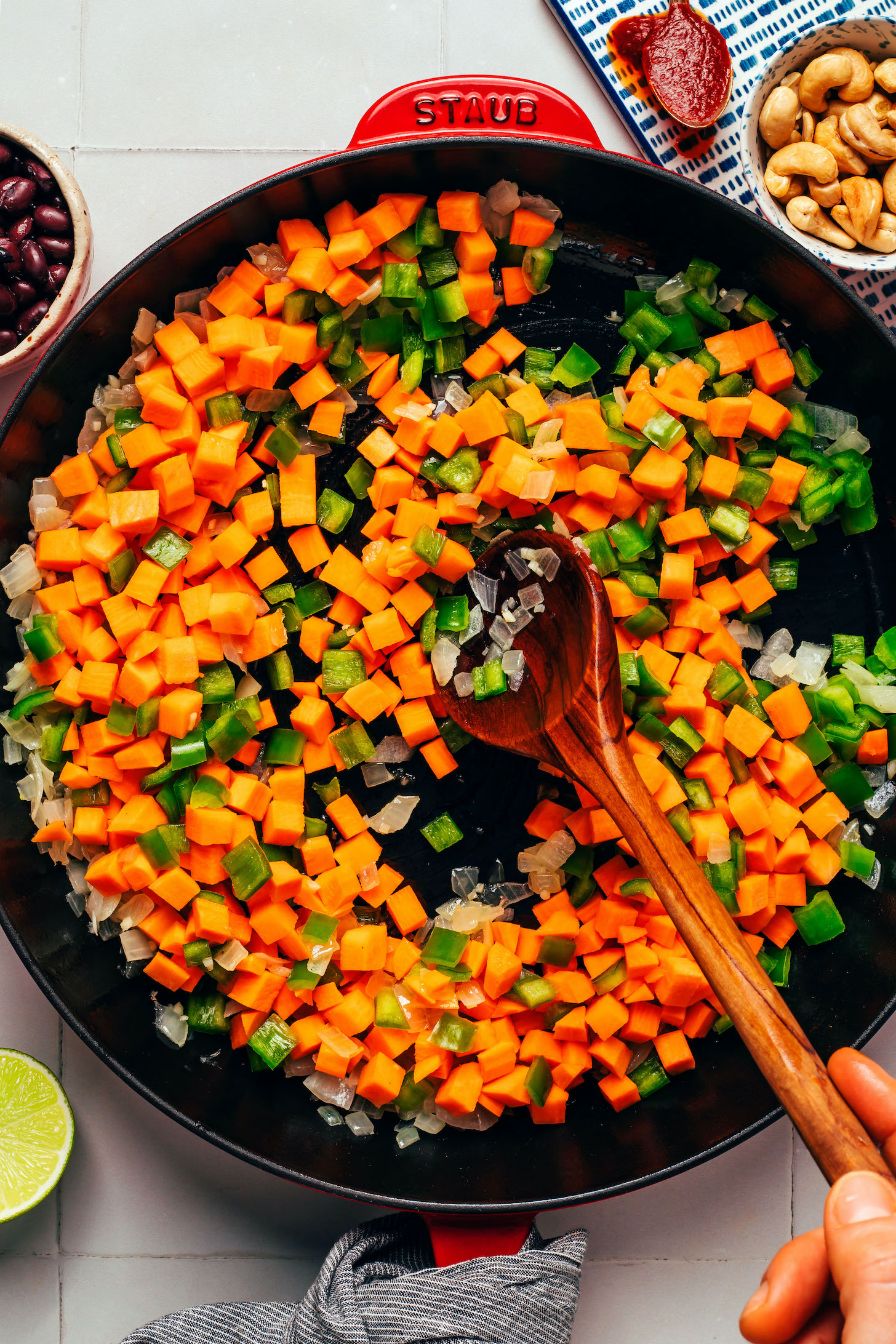
- A Nutrient-Dense Base: A sauté of onions, garlic, poblano peppers, and precisely cubed sweet potatoes or winter squash.
- Plant-Based Protein: Black beans provide the necessary fiber and satiety, ensuring the meal functions as a substantial entrée rather than a side dish.
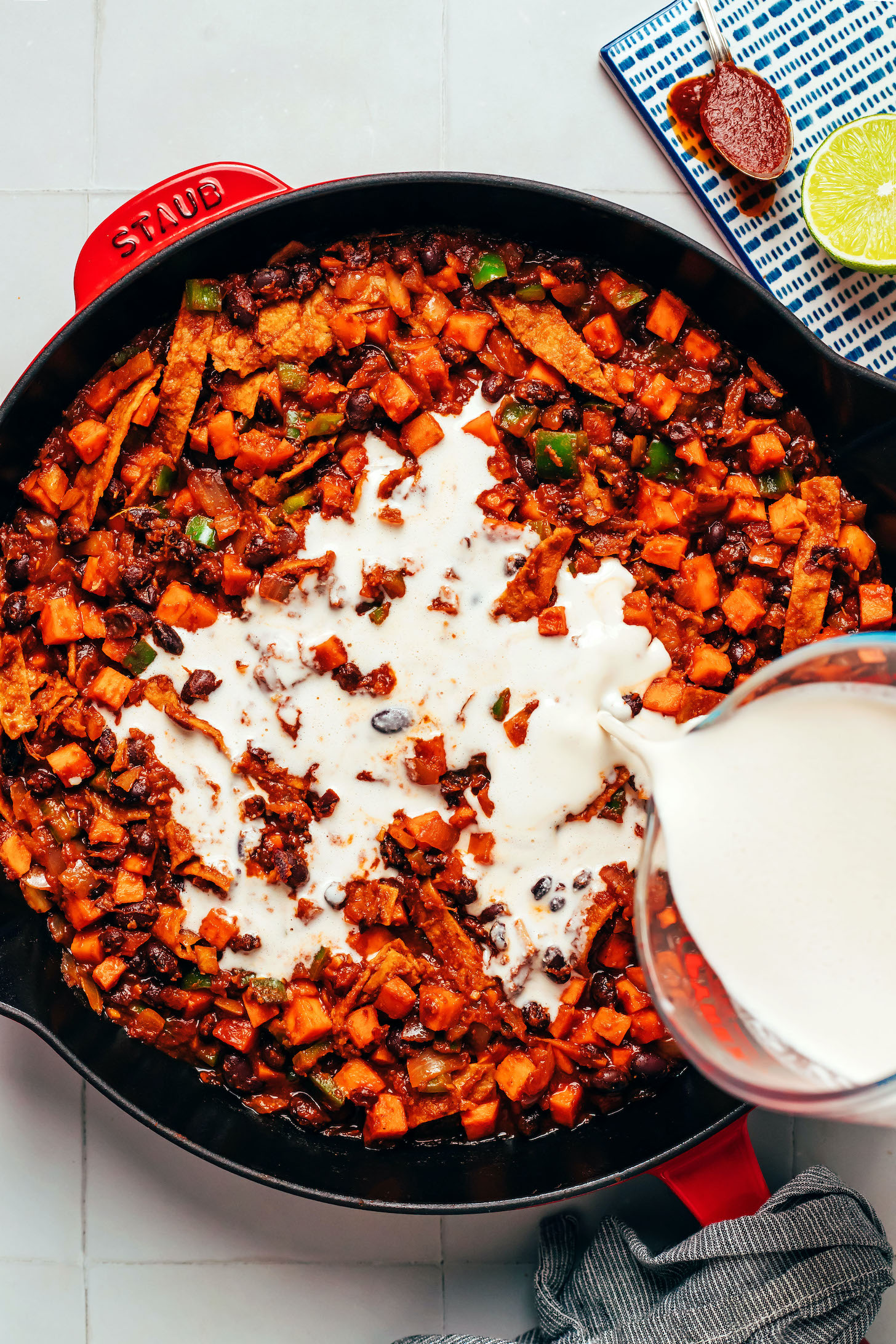
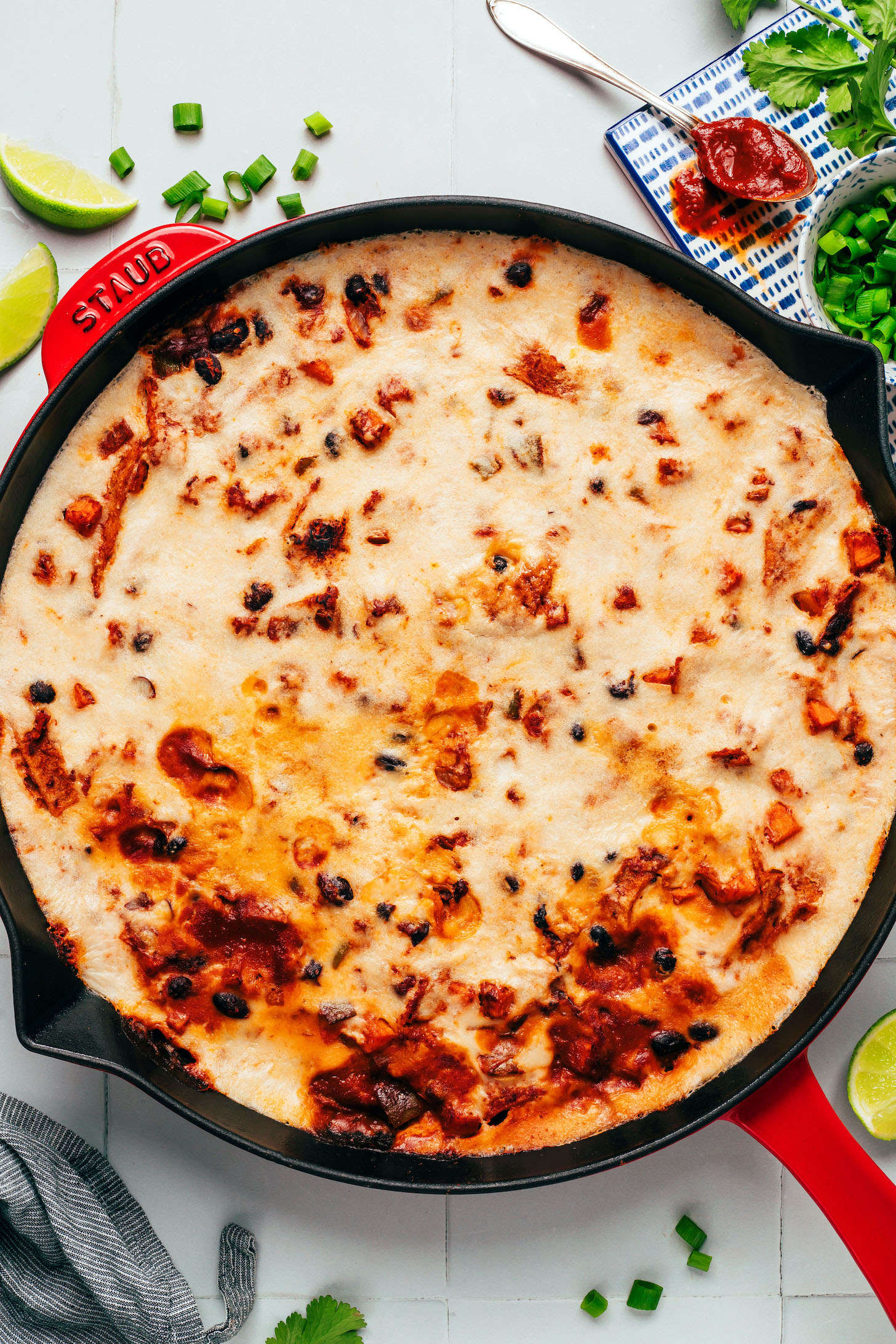
- The "Cheese" Innovation: A blended cashew sauce—utilizing tapioca starch for elasticity and lime juice for acidity—that mimics the meltability of traditional dairy cheese when steamed under a lid.
The result is a dish that balances the earthy sweetness of roasted root vegetables with the sharp, acidic punch of red enchilada sauce, all brought together by a creamy, indulgent topping.
Chronology: From Mayan Origins to Contemporary Skillet
To understand the significance of this adaptation, one must look at the historical trajectory of the dish. The enchilada is not a static entity; it is a culinary tradition that has evolved over centuries.
The Ancestral Roots
Historians often trace the conceptual lineage of the enchilada to the papadzules of the Mayan civilization. These early iterations involved dipping tortillas in a pumpkin seed sauce and filling them with hard-boiled eggs. While the specific ingredients have migrated over time, the fundamental technique of the "enchilada" (literally "to season with chili") remains the defining characteristic.
The 19th Century Codification
The formalization of the enchilada as a staple of Mexican cuisine is often cited with its inclusion in the 1831 cookbook El Cocinero mexicano. At this point, the dish was established as a versatile vessel for leftovers, incorporating meat, seafood, beans, and vegetables.
The 21st Century Evolution
In recent years, the "skillet" format has emerged as a response to the fast-paced nature of modern life. Culinary creators have sought to preserve the "spirit" of the enchilada—the marriage of corn, spice, and sauce—while removing the barriers of time and labor. The current version, popularized by platforms like Minimalist Baker, represents the latest iteration of this evolution, where plant-based nutrition and "one-pan" convenience take center stage.
Supporting Data: Nutritional Efficiency and Culinary Science
From a nutritional perspective, this skillet meal is designed to be as functional as it is flavorful. A single serving provides roughly 416 calories, with a notable emphasis on fiber (14.3g) and protein (13.6g), primarily derived from the black beans and cashews.
The Science of the Cashew "Cheese"
The success of this recipe relies on the chemical properties of its ingredients. The use of tapioca starch is critical. Unlike traditional wheat-based thickeners, tapioca provides a distinct "stretch" when heated, which, when combined with the fats in the cashews, creates a mouthfeel remarkably similar to melted mozzarella or pepper jack.
Furthermore, the choice of sweet potato or winter squash is not merely aesthetic. These ingredients provide a structural foundation that holds up under the moisture of the enchilada sauce, preventing the dish from becoming mushy, while their natural sugars balance the heat of the poblano peppers.
Prep and Cook Efficiency
The 30-minute timeframe is achieved through careful orchestration:
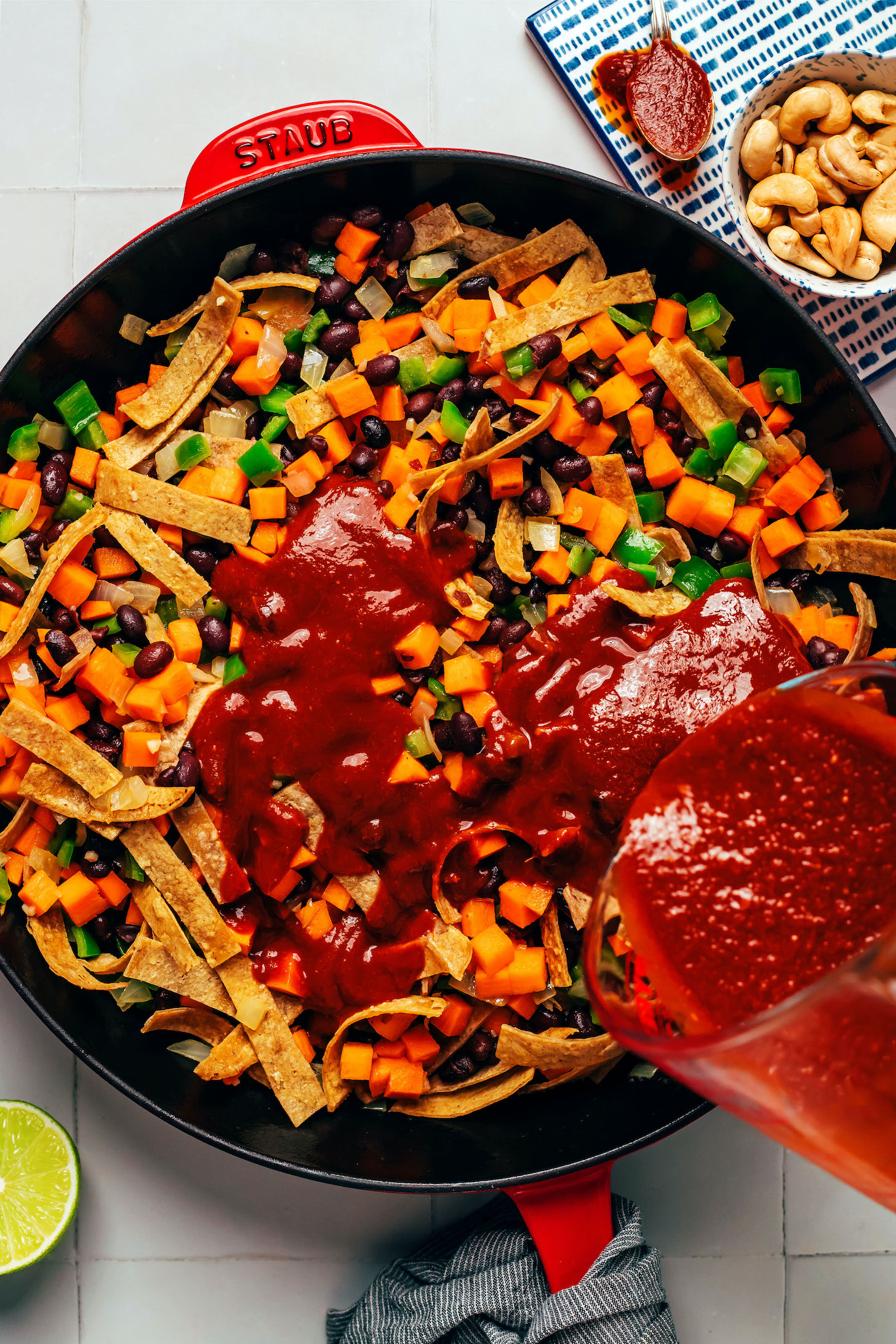
- Mise en Place (10 mins): Efficient dicing of vegetables into 1/4-inch cubes is the key to ensuring everything cooks uniformly in the pan.
- Sauté and Simmer (20 mins): By utilizing high-heat searing for the onions and peppers before simmering the sauce, the flavors develop a depth usually associated with much longer cooking times.
Official Perspectives: The Value of Plant-Forward Cooking
Nutritionists and culinary experts have increasingly lauded these types of adaptations. By moving toward a plant-forward model, home cooks reduce their intake of saturated fats (this recipe contains 0mg of cholesterol) while increasing the consumption of complex carbohydrates and micronutrients.
According to kitchen experts, the beauty of this dish lies in its versatility. It is designed to be a "template" recipe. Whether one uses kabocha squash, butternut, or even bell peppers, the underlying technique remains consistent. This empowerment of the home cook is a hallmark of the contemporary food movement—providing a roadmap that encourages experimentation rather than strict adherence to a rigid set of instructions.
Implications: The Future of Weeknight Dining
The popularity of the Cheesy Vegan Enchilada Skillet suggests a broader cultural shift. As more consumers adopt flexitarian, vegan, or gluten-free diets, the demand for "comfort food" that adheres to these parameters is skyrocketing.
A Sustainable Model
The environmental implications of a shift toward bean-and-vegetable-based meals are profound. Reducing reliance on dairy and meat for every meal has a measurable impact on a household’s carbon footprint. This recipe proves that one does not need to sacrifice the indulgent "cheesy" experience of a comfort meal to adhere to sustainable or ethical dietary goals.
The "One-Pan" Philosophy
The minimalist approach also has implications for domestic life. By minimizing dishwashing and prep time, the recipe reduces the "barrier to entry" for home cooking. In a society where time is a premium commodity, the ability to produce a nutritious, home-cooked meal in under half an hour is a powerful tool against the reliance on processed, pre-packaged convenience foods.
Final Thoughts on Culinary Integration
The Cheesy Vegan Enchilada Skillet is more than just a recipe; it is a manifestation of how traditional culinary history can be synthesized with modern nutritional needs. It respects the heritage of the Mexican enchilada while acknowledging that the way we eat is fundamentally changing. Whether one is a committed vegan or a meat-eater looking to incorporate more vegetables into their diet, this dish offers a path forward that is both delicious and efficient.
As we look to the future of the home kitchen, we can expect to see more of these "deconstructed" classics—recipes that retain the soul of traditional dishes while embracing the speed, health, and simplicity required by the modern lifestyle. For those ready to try, the path is simple: a hot pan, a handful of fresh vegetables, a rich sauce, and the willingness to let a few simple ingredients work their magic together.