The consumer electronics industry has long operated under a "sealed-for-life" philosophy. From the sleek, white plastic of Apple’s AirPods to the myriad of budget-tier earbuds flooding online marketplaces, the modern wireless earphone is defined by a paradox: they are high-tech, high-cost devices designed with a built-in expiration date. Because lithium-ion batteries naturally degrade over time, once their capacity drops, the entire unit—often costing hundreds of dollars—becomes little more than electronic waste.
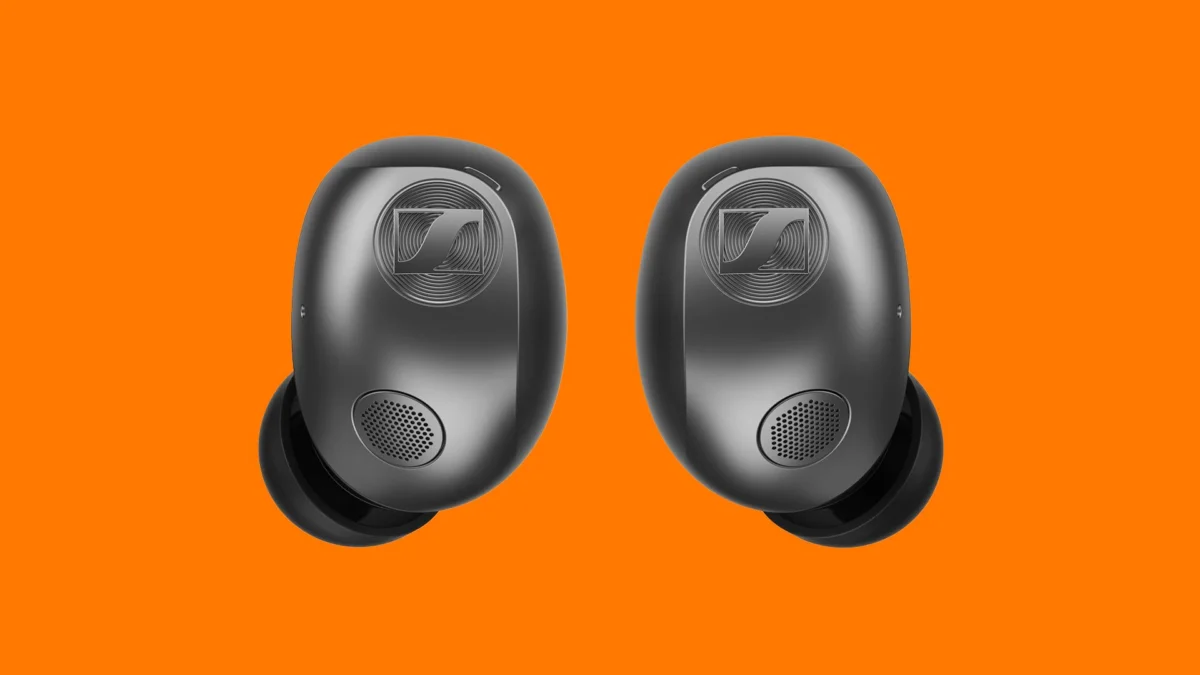
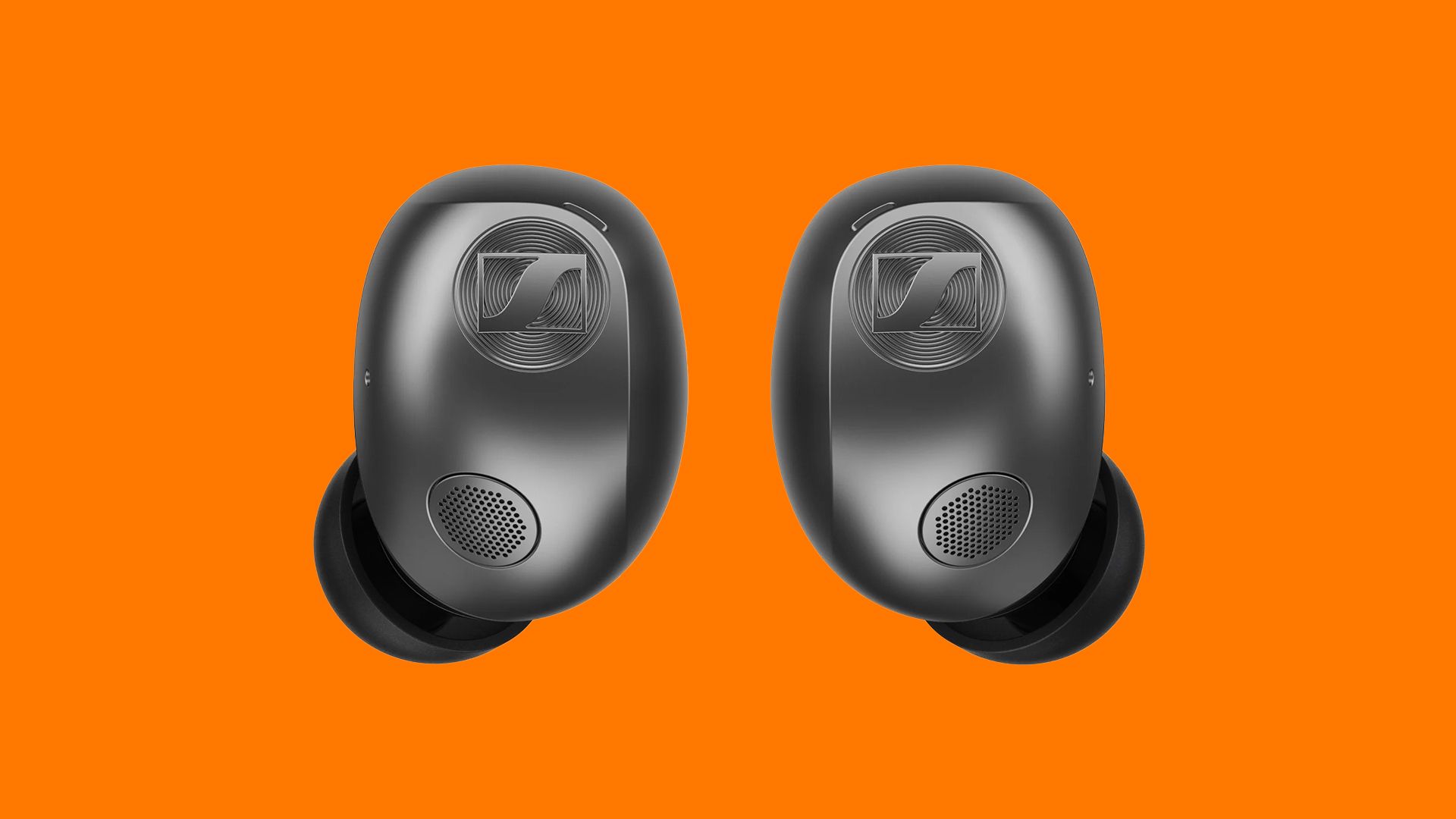
However, a shift is occurring in the high-end audio sector. German audio giant Sennheiser has officially introduced the Momentum True Wireless 5, a flagship device that aims to break the cycle of planned obsolescence. By integrating user-replaceable battery technology into a premium, feature-rich form factor, Sennheiser is not only targeting the audiophile market but also making a bold statement about the future of sustainable tech.
Main Facts: A New Benchmark in Longevity
The Sennheiser Momentum True Wireless 5 (MTW 5) represents a departure from the industry standard. While most manufacturers rely on industrial-strength adhesives and non-removable soldering to seal their components, the MTW 5 is engineered for accessibility. Using nothing more than a standard small screwdriver, users can access the battery compartments within both the earbuds and the charging case.
Beyond its repairability, the device is a powerhouse of audio engineering. It features Sennheiser’s proprietary TrueResponse transducers, which promise high-fidelity output that rivals wired monitors. The integration of 3D Dolby Atmos sound provides an immersive spatial audio experience, while adaptive active noise cancellation (ANC) uses real-time environment sensing to mute the outside world. Additional features include AI-powered voice isolation for crystal-clear calls, automatic wind noise reduction, and support for high-resolution Lossless audio codecs. With a combined battery life of up to 40 hours when paired with the charging case, the MTW 5 is positioned to be a long-term daily driver for commuters, professionals, and music enthusiasts alike.
A Chronology of the "Disposable" Crisis
To understand why the MTW 5 is significant, one must look at the history of the "disposable" consumer tech movement.
The Rise of the Sealed Earbud (2016–2020)
When Apple launched the original AirPods in 2016, they set the design language for the entire industry. By prioritizing form factor and water resistance, manufacturers opted for "glued-shut" architectures. By 2019, tech teardown experts like iFixit were consistently giving mainstream wireless earbuds a "repairability score" of zero out of ten. The narrative was simple: these devices were not meant to be opened.
The Backlash and the Hardware Hackers (2021–2023)
As environmental concerns grew, consumer advocacy groups began pushing for "Right to Repair" legislation. Simultaneously, independent hardware hackers began taking matters into their own hands. In 2023, viral reports surfaced of enthusiasts designing custom, 3D-printed, repairable earbud shells to house salvaged AirPods components. These efforts highlighted a growing frustration: consumers were willing to pay for premium tech, but they were tired of paying for a product that functioned as a rental rather than a purchase.
The Modular Pivot (2024–Present)
The market began to fracture as smaller, sustainability-focused companies like Fairphone introduced the Fairbuds—a fully modular, screw-based earbud. Sennheiser’s entry into this space with the Momentum True Wireless 5 marks the first time a "big-box" premium audio brand has adopted this philosophy for a flagship product, signaling that the pressure from consumers and regulators is finally moving the needle.
Supporting Data: The Battery Problem
The core issue facing wireless audio is simple chemistry. Lithium-ion batteries typically exhibit significant capacity degradation after 300 to 500 charge cycles. For a power user who charges their earbuds daily, this means a noticeable decline in battery life within 18 to 24 months.
- The Cost of Inaction: When the battery fails in a non-replaceable unit, the replacement cost of the entire device is often 80–90% of the original purchase price.
- Environmental Impact: Millions of kilograms of lithium, cobalt, and plastic enter landfills annually due to dead earbud batteries.
- The Modular Advantage: By offering a $20–$40 battery replacement kit rather than a $250 replacement unit, Sennheiser is shifting the Total Cost of Ownership (TCO) model. Data from pilot programs in other tech sectors suggests that users who can replace their own batteries are 40% more likely to keep a device for five years or longer.
Official Responses and Industry Implications
Sennheiser’s move has caused ripples across the industry. While Apple has yet to comment on the specific design of the MTW 5, the company has faced mounting pressure from the European Union’s Right to Repair directives, which mandate that batteries in consumer electronics must be accessible and replaceable by 2027.
Sennheiser’s engineering team has emphasized that the design of the MTW 5 did not come at the expense of audio quality. "The challenge," a spokesperson noted, "was to ensure that the structural integrity of the acoustic chambers remained intact while allowing for user access. We have achieved a balance where the audiophile experience is enhanced, not compromised, by the modularity of the battery."
Industry analysts suggest that this is a strategic play. By positioning themselves as the "responsible" alternative to the likes of Apple and Sony, Sennheiser is appealing to the "conscious consumer"—a demographic that is increasingly willing to pay a premium for products that don’t end up in a trash heap after two years.
Implications: The Future of High-End Audio
The launch of the Momentum True Wireless 5 poses a difficult question for the industry giants: If Sennheiser can do it, why can’t everyone else?
1. The Design Shift
If consumers begin to demand repairability, manufacturers will be forced to move away from excessive use of adhesives. This could lead to a new era of "screw-fastened" aesthetics, which may actually allow for even more customization and modular upgrades in the future.
2. Regulatory Compliance
With the EU and various U.S. states passing increasingly stringent repairability laws, the MTW 5 serves as a roadmap for compliance. Brands that fail to pivot may find their products banned or heavily taxed in key markets within the next half-decade.
3. The Value Proposition
For the end user, the implications are profound. If a pair of earbuds can last five years instead of two, the high entry price of premium gear becomes much easier to justify. The "premium" label will soon be measured not just by the frequency response of the drivers or the depth of the ANC, but by the longevity of the hardware itself.
Final Thoughts
The Sennheiser Momentum True Wireless 5 is more than just a set of high-end headphones; it is a proof-of-concept for a more sustainable electronics industry. While the AirPods of the world continue to dominate in sheer volume, Sennheiser has laid a new foundation for what "premium" means.
For the design-obsessed audiophile who values both performance and planetary health, the MTW 5 offers a rare combination: the ability to lose oneself in the music today, without the anxiety of knowing that the hardware will be obsolete tomorrow. As we look toward the future of personal audio, one thing is clear: the most sophisticated piece of technology is the one that you can fix yourself.