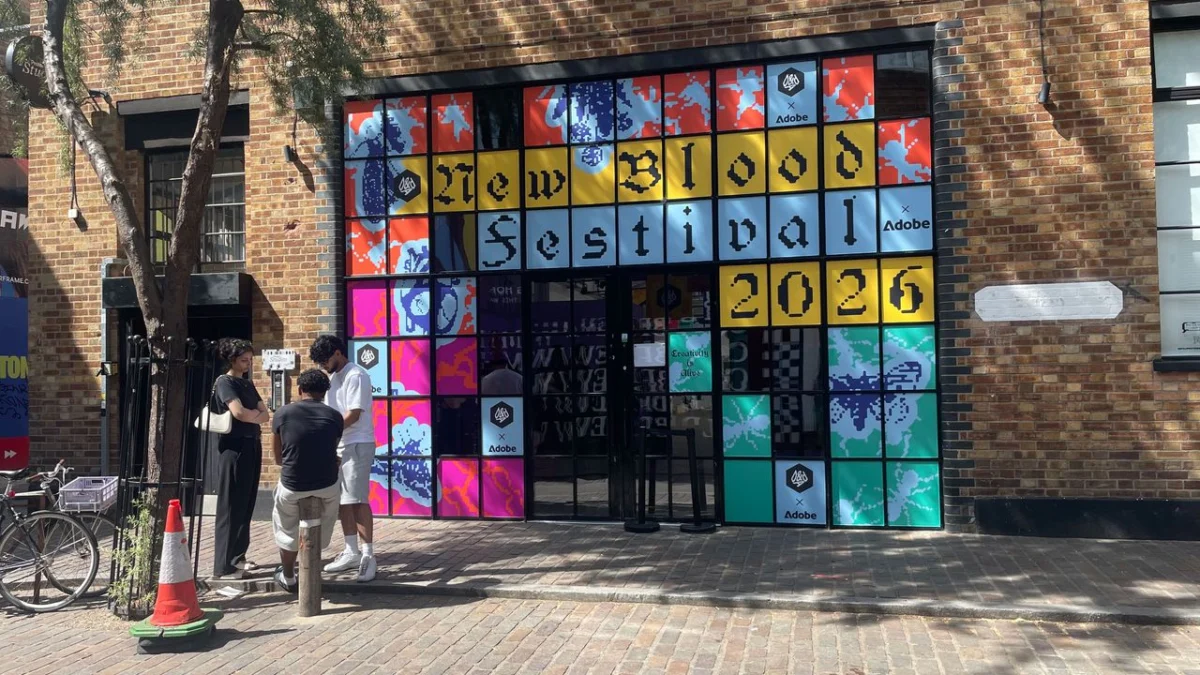
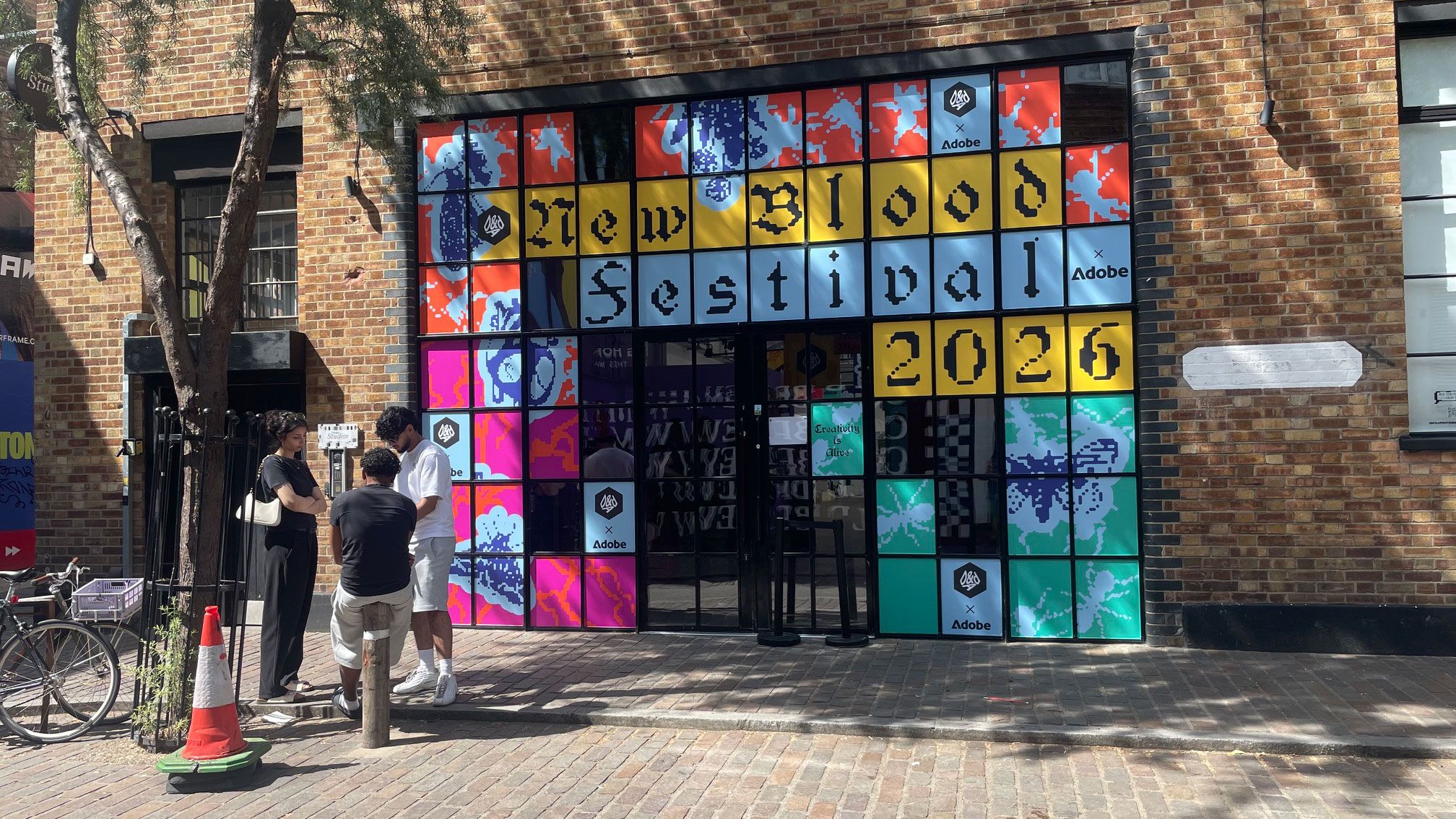
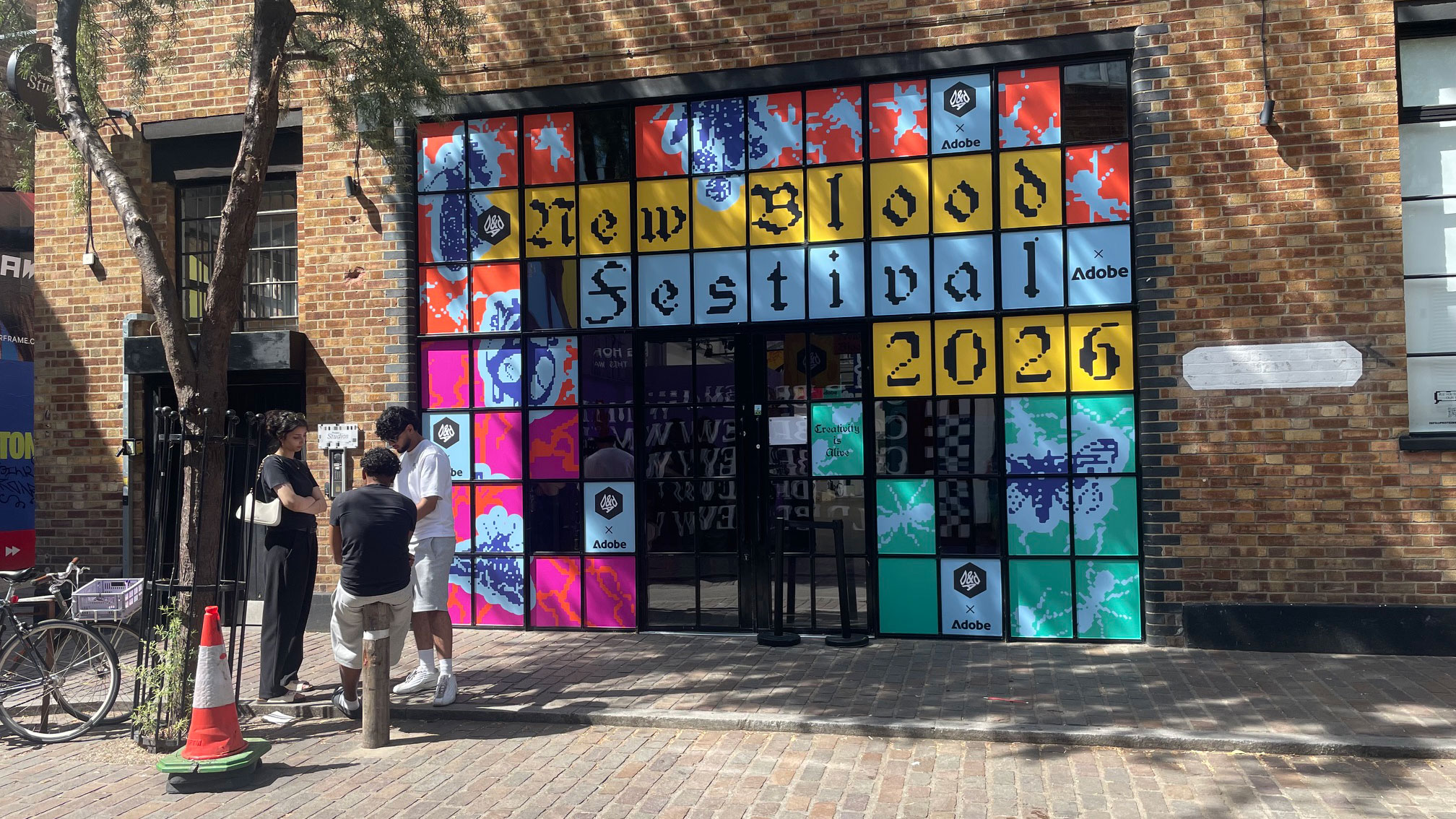
The transition from academia to the professional creative industry is a daunting threshold for any emerging designer. For many, the first true test of this transition is the graduate showcase—a high-stakes environment where years of late-night studio sessions and conceptual development are distilled into a few square meters of exhibition space. Recently, I had the privilege of serving as a judge at the D&AD New Blood Festival, tasked with identifying the "Best Stand" among a sea of talented UK universities.
Walking the floor of the festival provides a unique vantage point into the current state of creative education. It is a microcosm of the industry itself: some stands hum with kinetic energy, drawing in recruiters and industry veterans with ease, while others struggle to project their message, leaving brilliant portfolios buried under poor planning. Based on my observations, the difference between a forgettable booth and a career-launching display often comes down to fundamental principles of curation, user experience, and professional presentation.
The Architectural Logic of a Successful Stand
1. Thinking Like a Retailer: Curating the Consumer Experience
The most effective stands at the festival approached their space not as a gallery, but as a boutique retail environment. When an art director or a head of creative walks into your space, they should be able to navigate it with the same intuitive ease as a well-designed shop.
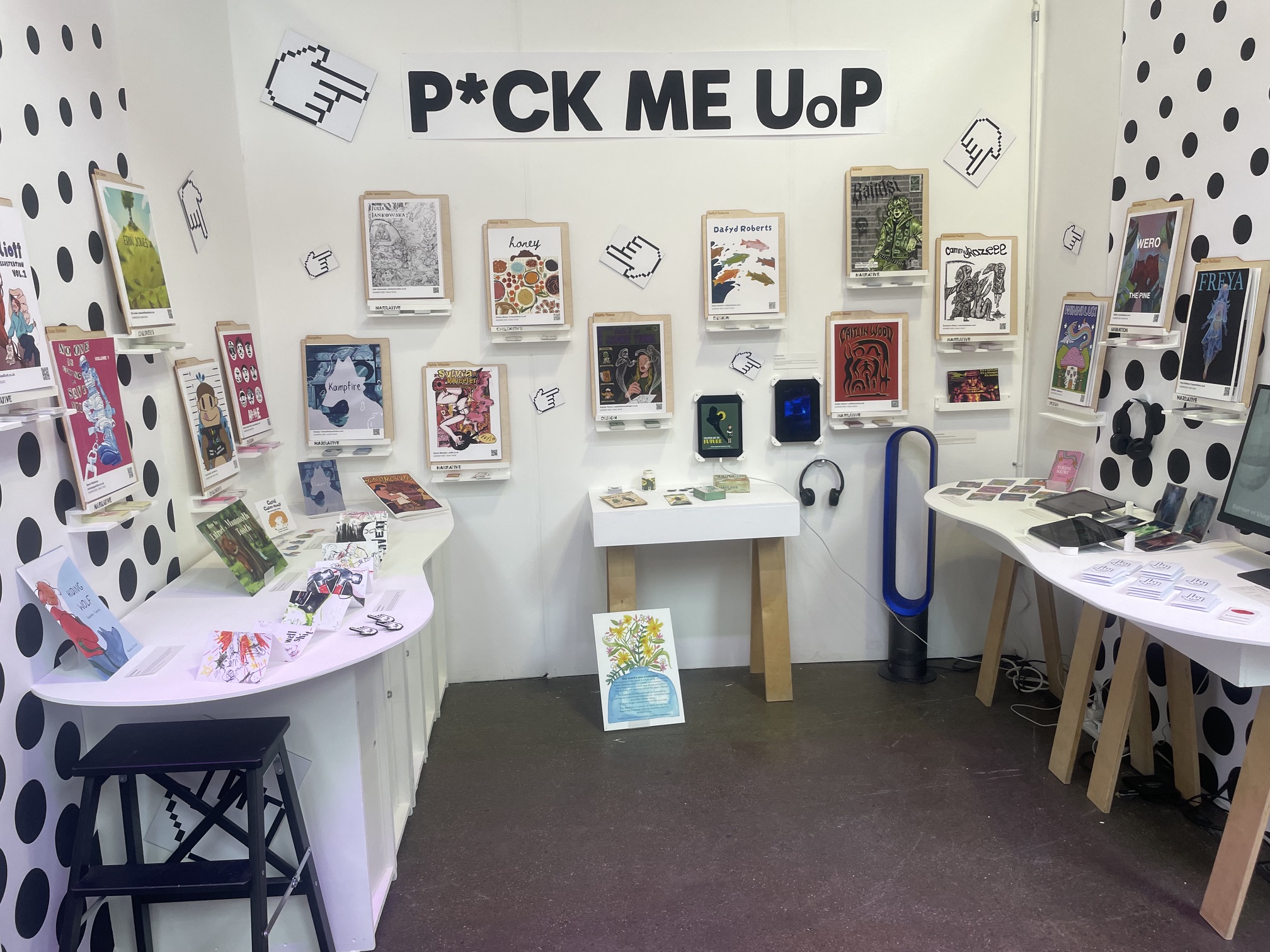
Cohesion is your strongest asset. A stand that looks like a disparate collection of individual projects feels chaotic; a stand that feels like a unified brand experience signals maturity and professional intent. Consider the University of Plymouth’s display, which stood out for its seamless flow. By linking individual projects through a shared visual language, they ensured that visitors could explore the work without feeling overwhelmed. Each "ware" had its place, yet nothing felt disconnected. If your work feels like it’s fighting for space, you have failed to tell a coherent story about who you are as a collective or as an individual.
2. The Power of Interaction: Moving Beyond Static Displays
We live in an era of digital saturation. A static board with pinned prints is rarely enough to stop a recruiter in their tracks. The stands that lingered in my memory were those that invited participation. Interaction is not just a gimmick; it is a way to forge a human connection.
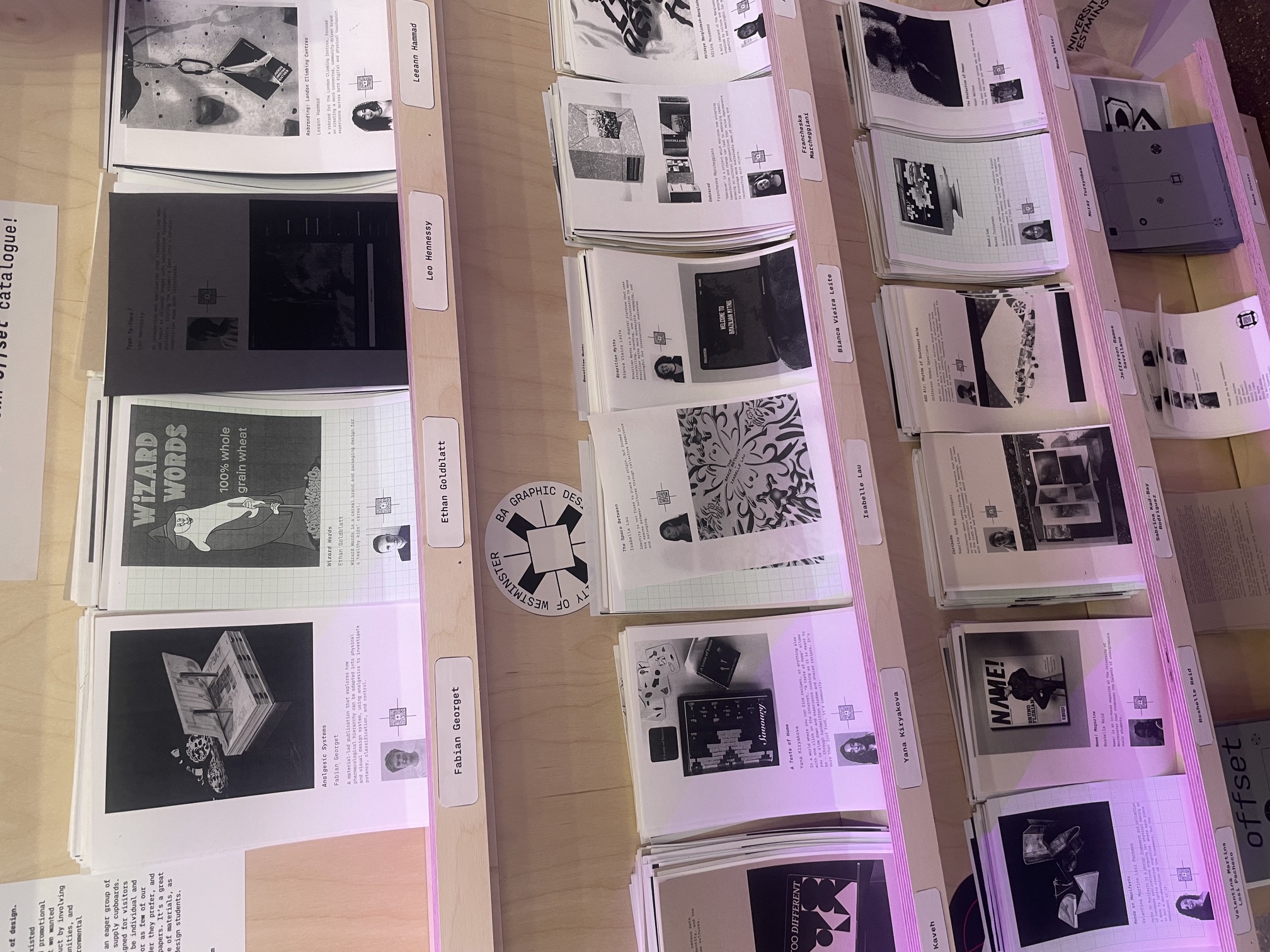
The University of Westminster’s BA Graphic Design stand was a masterclass in this philosophy. By providing pages that allowed visitors to physically assemble their own magazine, they did more than just show work—they invited the viewer into the creative process. This served two purposes: it created a memorable, tactile experience, and it provided a physical takeaway, ensuring that the student’s work remained on the recruiter’s desk long after the festival ended.
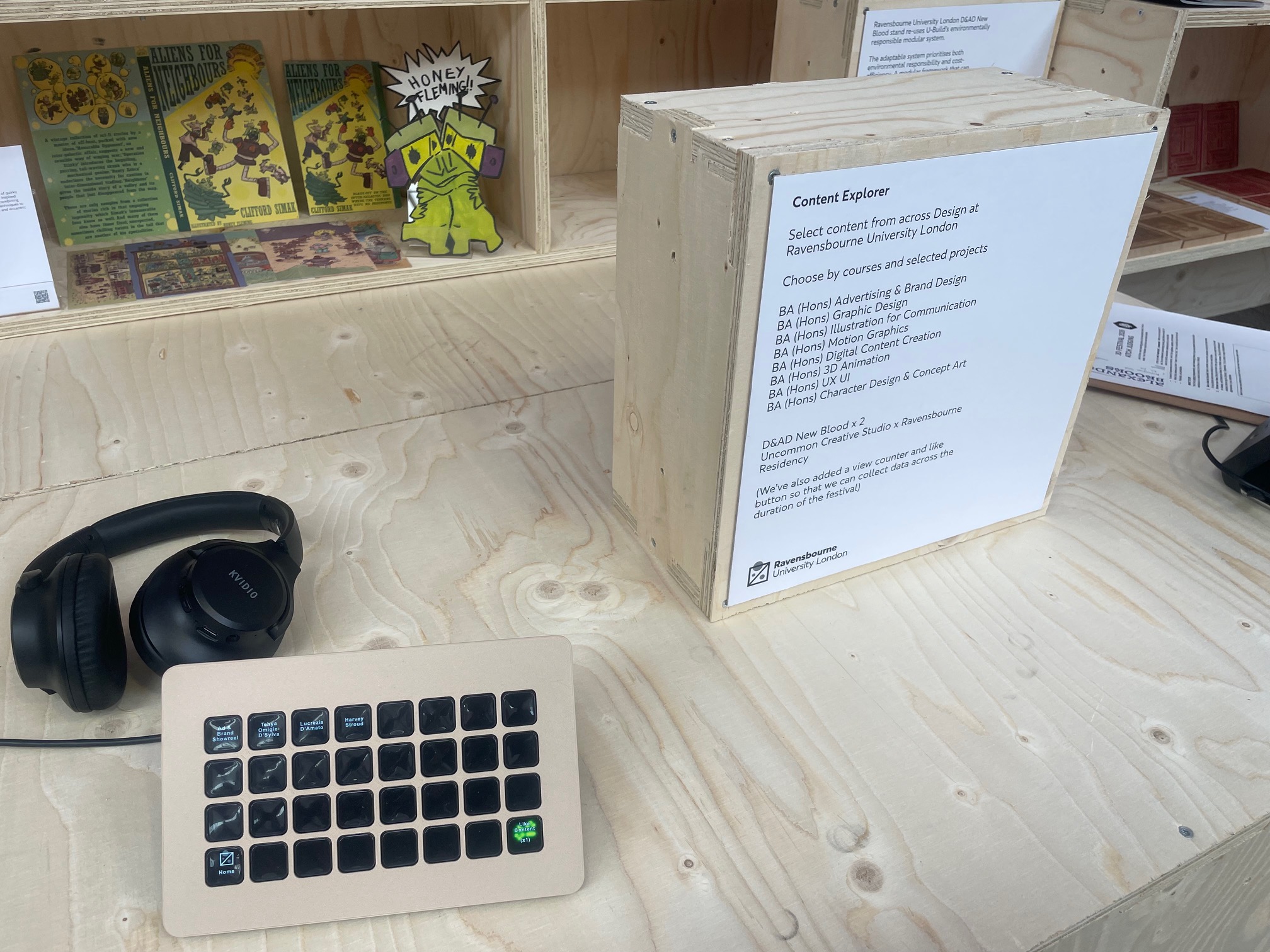
Similarly, Ravensbourne University London utilized an interactive console to showcase student showreels. Instead of a passive monitor playing on a loop—which is easily ignored—the console required engagement. By making the viewing of the work an active choice, the impact of the content was significantly magnified.
Essential Professionalism: Communication and Clarity
3. The Art of Attribution: Who Did What?
In a group exhibition, ambiguity is the enemy of opportunity. I encountered several stands where the work was exceptional, yet it was nearly impossible to tell which student was responsible for which piece. This is a critical error.
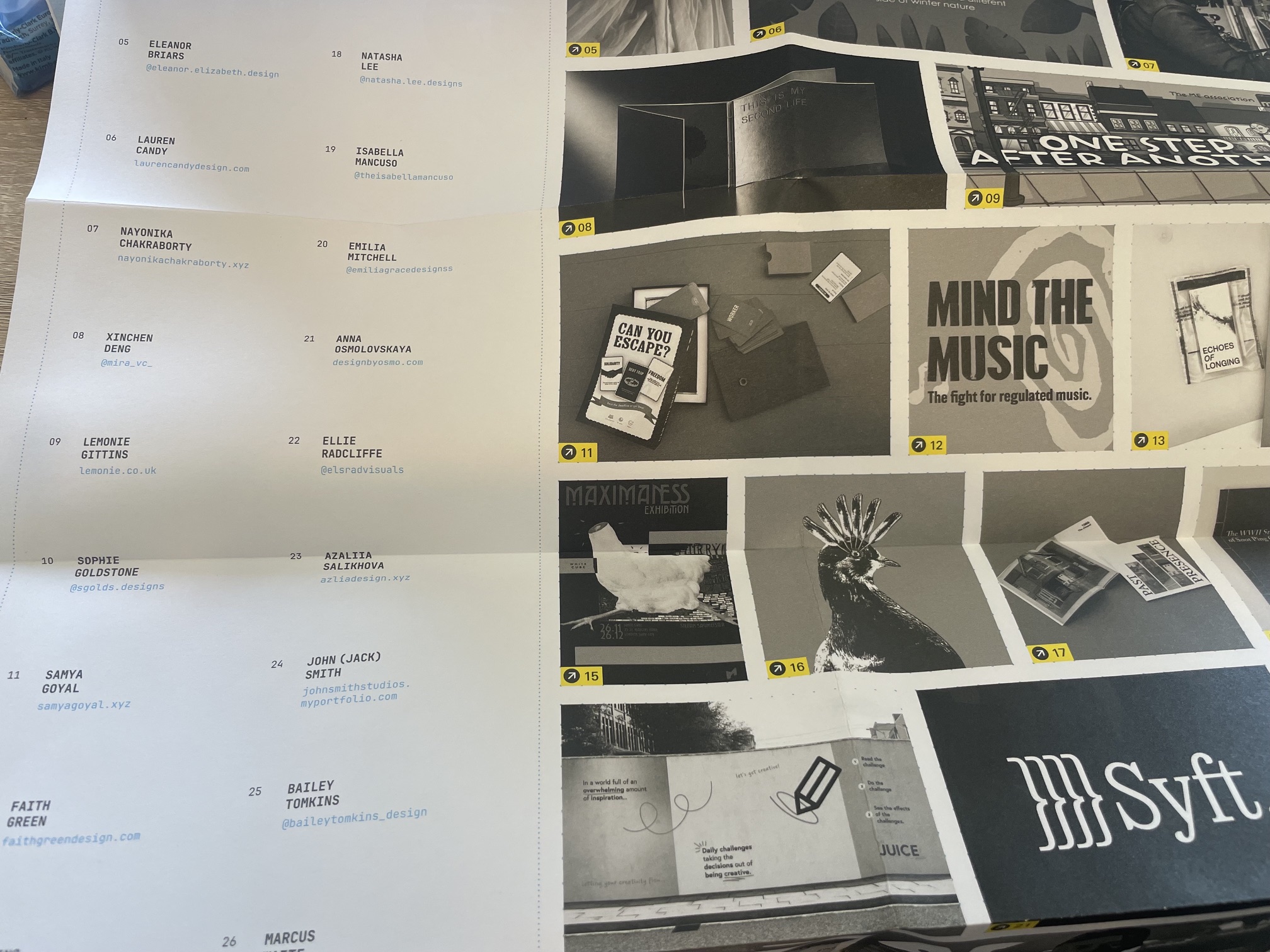
When a recruiter is interested in a specific aesthetic or technical skill, they need to be able to identify the creator instantly. Labels should be clear, consistent, and logically placed. If a visitor has to play detective to match a name to a project, they will simply move on to the next booth. Your exhibition space is a hiring tool; do not make your potential employer work for the information they need.
4. Accessibility and the "Call to Action"
Perhaps the most frustrating oversight I observed was the lack of readily available contact information. You are there to get a job. If an employer is impressed but cannot find your email, website, or social handles, you have lost a lead.
Arts University Bournemouth demonstrated an ingenious solution by incorporating student contact details into a boarding pass design. It was thematic, functional, and highly effective. Whether you use a QR code that links directly to your portfolio, a well-designed business card, or a clear, wall-mounted contact sheet, ensure that the path from "admiration" to "hiring" is as short as possible.
Strategic Execution: The "Why" Behind the Work
5. Contextualizing the Brief
One of the most valuable additions to a display is a brief, written summary of the project’s objective. Employers are not just looking at what you created; they are evaluating your ability to solve problems. By stating the brief, you allow the viewer to understand the constraints and the goal.
If you show a piece of packaging design, tell the viewer what the client’s challenge was. Did you have to work within a specific budget? Was the goal to reach a demographic that had never engaged with the brand before? Demonstrating that you understand the "why" behind the design is what separates a student from a professional.
6. The Technical Foundation: Audio-Visual Integrity
Technology is a double-edged sword. When it works, it elevates your presentation; when it fails, it becomes a distraction that suggests a lack of attention to detail.
If you are exhibiting animation or video, the playback must be flawless. Ensure your monitors are calibrated, your loops are seamless, and your content cannot be accidentally closed by a passerby. Most importantly, if you provide headphones, ensure there is audio. I cannot count how many times I picked up headphones at a stand only to hear silence. It is a small detail, but it reflects poorly on your commitment to the final output. If the gear isn’t working, remove it.
Implications for the Future of Graduate Shows
The D&AD New Blood Festival serves as an important bridge, but the lessons learned there extend far beyond the event. The shift toward experience-led displays mirrors the broader shift in the creative industry: agencies are no longer looking for "makers" who can simply execute a brief. They are looking for thinkers, curators, and storytellers who can manage an entire project lifecycle.
By treating your graduate show as a professional exhibition rather than a school project, you are signaling to the industry that you are ready to hit the ground running. You are demonstrating that you understand user experience, branding, and the importance of professional communication.
Ultimately, your stand is a projection of your professional identity. It is the first impression you make on the people who might define your early career. Whether you are at a large-scale festival like New Blood or a local degree show, remember that the smallest details—the clarity of a label, the responsiveness of an interactive element, the accessibility of your contact details—are the things that differentiate a student from a hireable talent.
Take the time to walk your own stand from the perspective of an outsider. Is it easy to navigate? Is the work clearly attributed? Does it reflect the professional standard you aim to achieve? If you can answer these questions with confidence, you are already ahead of the curve. The work you have done is the foundation; how you present it is the catalyst for your career. Treat your showcase with the same rigor you apply to your design work, and you will find that the industry is much more receptive to your message.