
Budgeting is often abandoned not because of a lack of discipline, but because of a lack of clarity. For the millions of employees paid on a biweekly schedule, the traditional "monthly" budgeting model—which assumes two pay periods per month—can feel like a square peg in a round hole. The result is often confusion, missed bill payments, and the eventual abandonment of sound financial habits. However, by reframing the biweekly pay cycle as a strategic advantage rather than a logistical hurdle, individuals can unlock significant potential for savings and debt reduction.
The Mechanics of the Biweekly Pay Cycle
To effectively manage a budget on a biweekly basis, one must first understand the fundamental math. A biweekly pay schedule results in 26 paychecks per year, rather than the 24 paychecks associated with a semi-monthly schedule (typically the 1st and 15th of the month).

This difference of two paychecks might seem minor, but it creates a ripple effect throughout the calendar year. Because most months contain slightly more than four weeks, the pay dates shift. Attempting to align a static monthly bill (like rent or a mortgage) with an inconsistent pay date is where most personal financial plans fail. Successfully navigating this requires a transition from "calendar-based" budgeting to "paycheck-based" budgeting.
The Strategy: A Five-Step Framework
The most successful budgets are not static documents; they are dynamic systems. To turn your biweekly pay cycle into a financial superpower, follow this proven methodology.
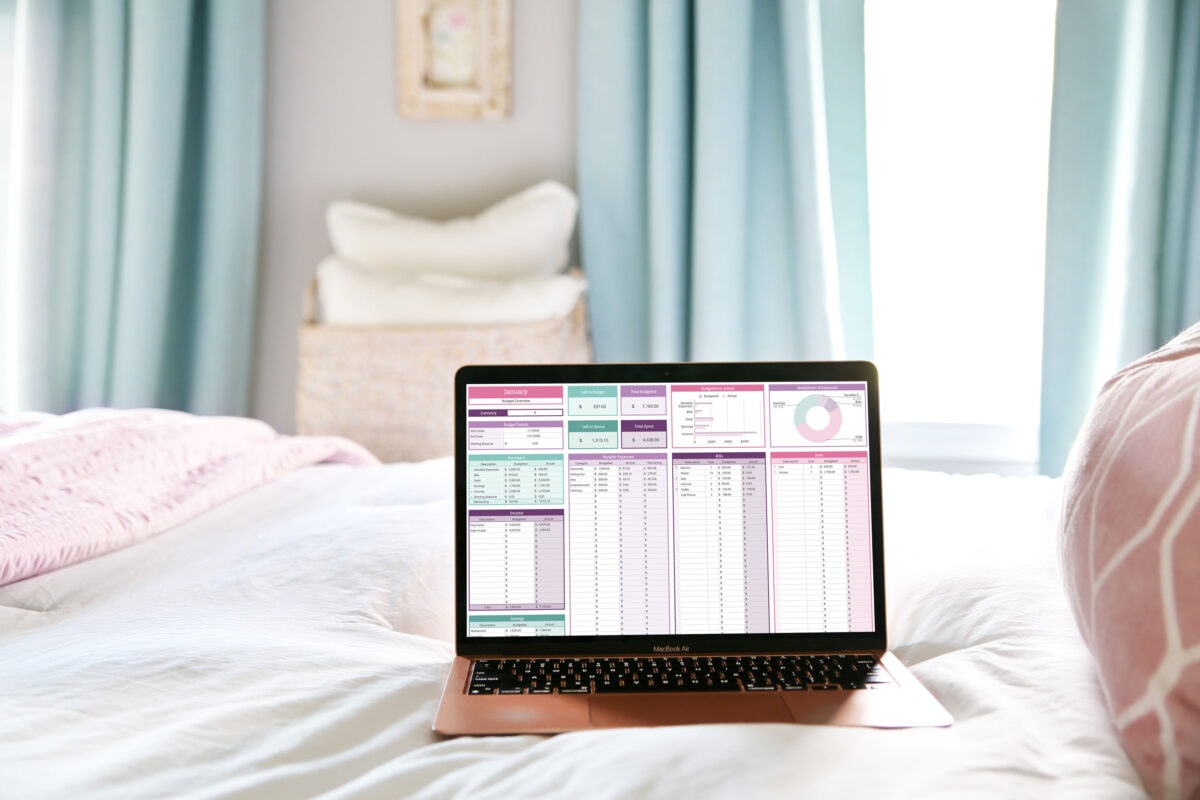
Step 1: Establish Your Baseline Income
Before allocating a single dollar, you must confirm your net take-home pay per check. If you share finances with a partner or maintain a side hustle, aggregate these figures into a single "total available income" number for each pay period. Do not rely on estimates; use your actual pay stubs to determine the exact amount hitting your account every fourteen days.
Step 2: Conduct a Comprehensive Financial Audit
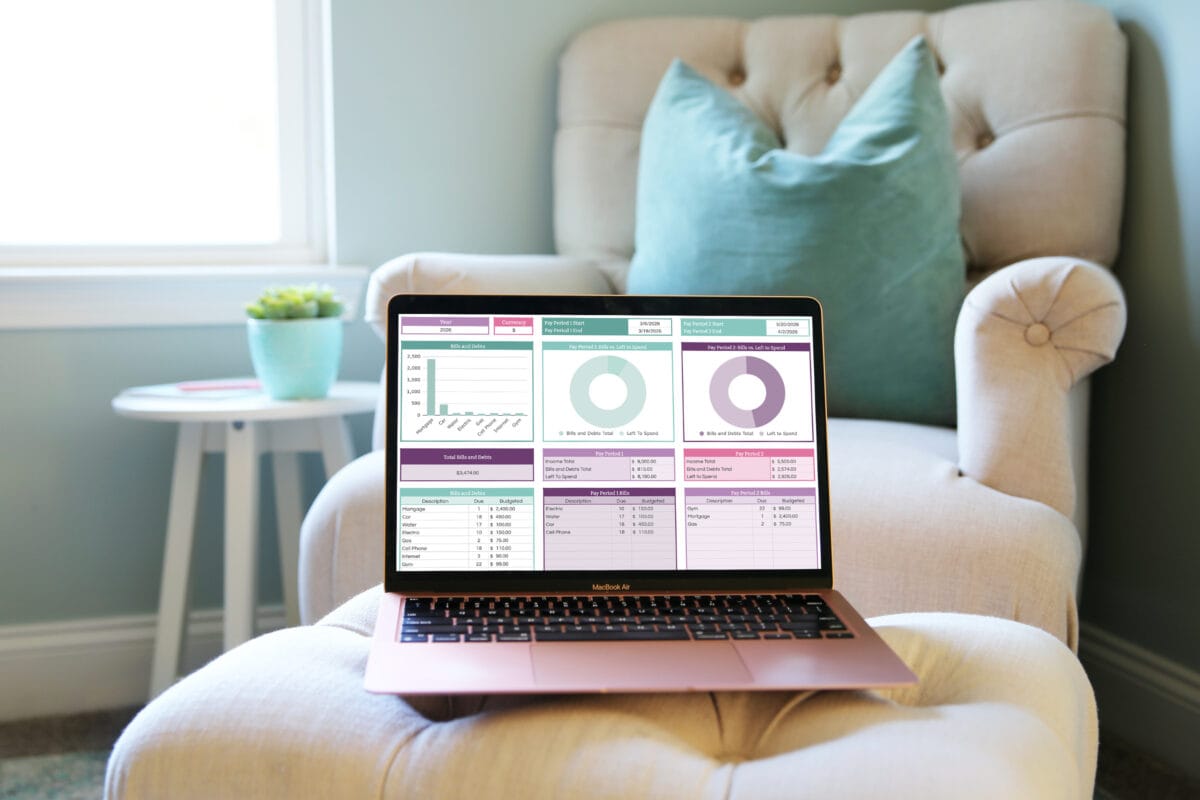
Transparency is the precursor to control. Conduct a deep-dive inventory of your recurring bills and debts by reviewing your bank and credit card statements from the past 30 days. For every bill, document the following:

- The Payee: Who are you paying?
- The Due Date: When is it due?
- The Amount: What is the cost?
For variable expenses like utilities that fluctuate, always budget for the high-end estimate. If you overestimate your costs, you create a natural "buffer" that prevents overdrafts and provides a surplus at the end of the month.
Step 3: Align Expenses with Paychecks
Once your bills are documented, distribute them across your 26 pay periods. If your total monthly bills exceed what you can cover in a single paycheck, you must redistribute them. Contact your service providers—utility companies, lenders, and landlords are frequently willing to adjust due dates to better align with your specific cash-flow cycle.
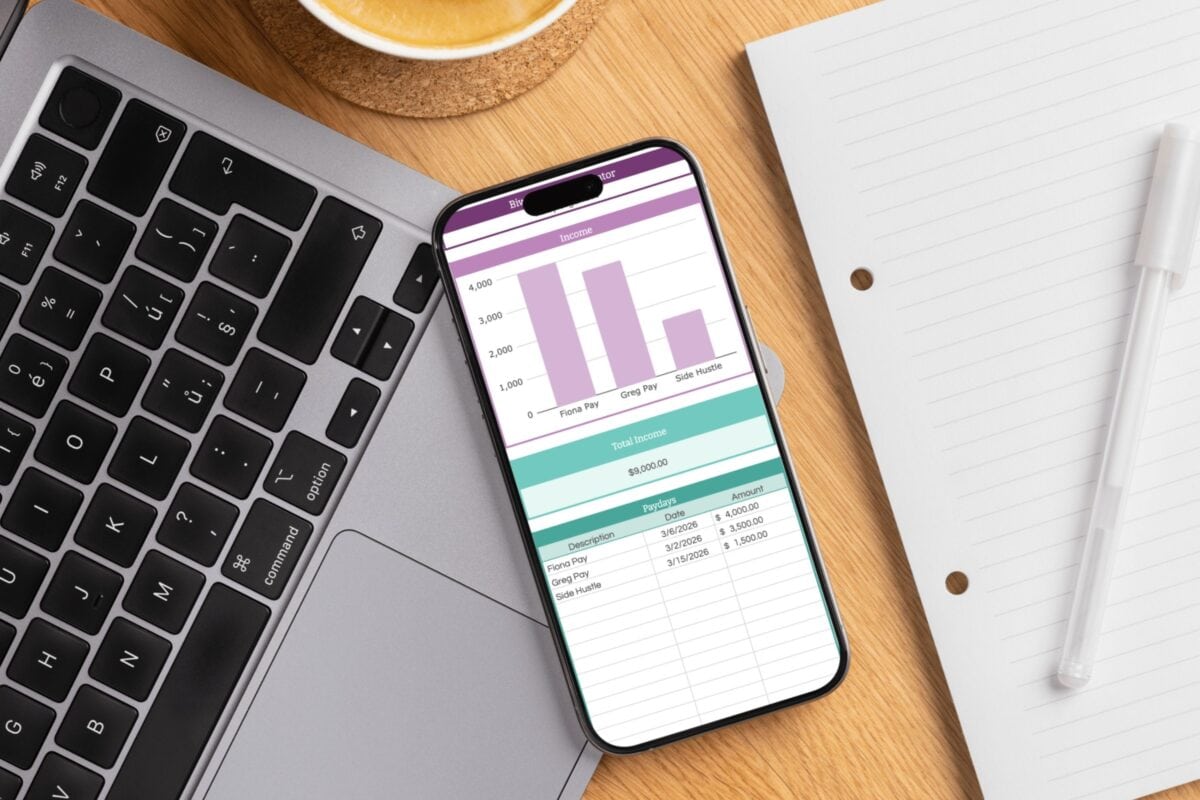
Step 4: Prioritize Variable Expenses and Savings
After the "non-negotiables" (bills and debt) are covered, allocate the remaining funds toward variable categories such as groceries, transportation, and entertainment. Crucially, treat your savings contributions as a mandatory bill. Whether it is an emergency fund, retirement contribution, or a sinking fund for upcoming travel, factor these in before you allocate discretionary spending. If your math shows a deficit, you have two options: reduce your variable spending or increase your income.
Step 5: The Habit of Consistent Tracking
A budget that isn’t monitored is merely a suggestion. Devote 20 minutes every Friday to updating your transaction logs. This short, weekly check-in prevents "budget creep" and allows you to make micro-adjustments before a small overspend becomes a major financial problem.
The "Third Paycheck" Bonus: A Strategic Advantage
The most compelling argument for the biweekly budgeting model is the "third paycheck" phenomenon. Because you receive 26 paychecks, there are two months in every year where you receive three paychecks instead of two.
If you have built your monthly lifestyle budget around the standard two-paycheck assumption, these third paychecks function as a massive financial windfall. Rather than treating this as "found money" to be spent on luxury items, savvy planners use these two paychecks as a "financial accelerant." These funds are ideal for:

- Aggressive Debt Paydown: Making a lump-sum payment on high-interest credit card debt.
- Emergency Fund Bolstering: Rapidly building a three-to-six-month cash reserve.
- Investment Contributions: Maxing out an IRA or brokerage account.
Supporting Data: Why Complexity Breeds Success
Financial experts often emphasize that "budgeting style" is less important than "budgeting consistency." A study on household cash flow management indicates that individuals who use a formalized, cyclical budgeting system (like the biweekly method) are 40% more likely to maintain a consistent savings rate over a three-year period compared to those using a loose, mental-math approach.
The primary reason for this success is the removal of decision fatigue. By utilizing a pre-calculated template—often referred to as a "Bill Calculator"—individuals stop asking, "Can I afford this today?" and start asking, "Does this fit within the current pay cycle’s allocation?"

Official Perspectives on Financial Planning
Financial planners often refer to the "Buffer Fund" concept as a critical safety net for those on biweekly schedules. A buffer fund is a small, dedicated amount of cash kept in your checking account to act as a shock absorber. Because your bills are fixed but your pay dates fluctuate, the buffer fund ensures that even if a utility bill is due three days before your next paycheck arrives, the capital is already present. This eliminates the anxiety of "timing" your bills and significantly reduces the reliance on credit cards to bridge gaps between pay periods.
Implications for Your Long-Term Financial Health
Adopting a biweekly budget is about more than just organizing bills; it is about shifting your relationship with money from reactive to proactive. When you master your cash flow, you stop living paycheck-to-paycheck, even if you are technically being paid every two weeks.

The psychological benefit of this shift is profound. By acknowledging that income is not a flat, monthly salary but a series of distinct, manageable intervals, you gain the ability to forecast your financial future with precision. You move from a state of constant, low-level financial stress to a state of strategic planning.
Conclusion: The Path Forward
The journey toward financial stability does not require an advanced degree in economics; it requires a commitment to a system that matches your reality. By auditing your expenses, aligning your due dates, and creating a strategy for your surplus income, you can turn your pay cycle into a powerful tool for growth.

Remember, the goal of a budget is not to restrict your life, but to give you the freedom to spend on the things that matter most. As you begin to track your expenses and see your "left-to-spend" amounts stabilize, you will find that your financial confidence grows alongside your savings. Start small, remain consistent, and take control of your financial narrative today.