As the gaming industry braces for the September 25 release of EA Sports FC 27—the latest iteration in Electronic Arts’ long-standing, multi-platform football franchise—a growing contingent of gamers is asking a provocative question: Is it time to stop playing the game and start building our own?
While titles like EA Sports FC continue to dominate the market on PlayStation 4 and 5, Xbox Series X/S, and the Nintendo ecosystem, the conversation surrounding these blockbuster titles has shifted. In recent years, players have become increasingly vocal about their frustrations regarding technical bugs, stagnant gameplay mechanics, and what many describe as "predatory" microtransactions within the Ultimate Team modes.
For developers and hobbyists looking for a creative outlet, the solution isn’t just to complain—it’s to code. The rise of the Godot Engine, a free and open-source game development platform, has democratized the creation of sports simulators, offering a pathway for indie developers to bring their own vision of the beautiful game to life.
The Main Facts: Why the Shift to Indie Development?
The disillusionment with major sports titles is not merely anecdotal. It is rooted in a fundamental disconnect between consumer expectations and the current "games-as-a-service" model. Every year, players are asked to invest in a full-priced title that often feels like an incremental update, plagued by server issues and a heavy emphasis on monetization.
Conversely, the open-source movement in game development—led by projects like the Godot Engine—prioritizes transparency, accessibility, and user agency. Godot has emerged as a premier choice for developers who want to avoid the restrictive licensing fees and proprietary black boxes of larger engines like Unity or Unreal. For a developer looking to create a football game, Godot offers a robust, lightweight, and incredibly flexible environment that doesn’t require a corporate budget to master.
Chronology: From Concept to Kick-off
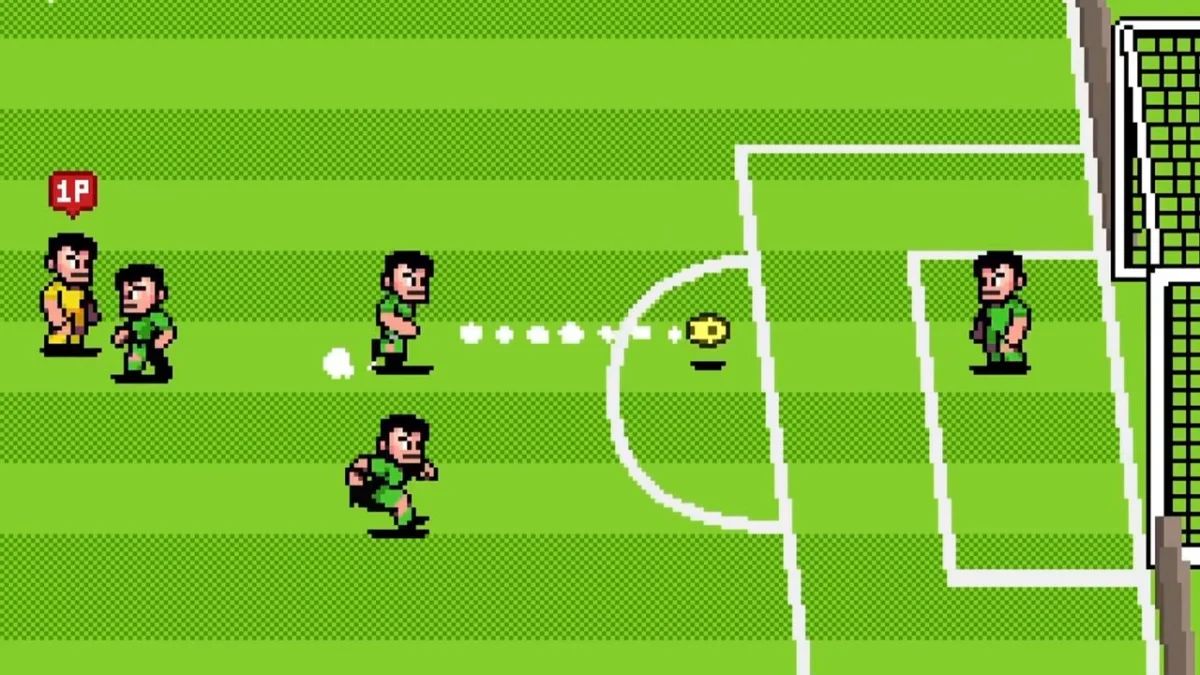
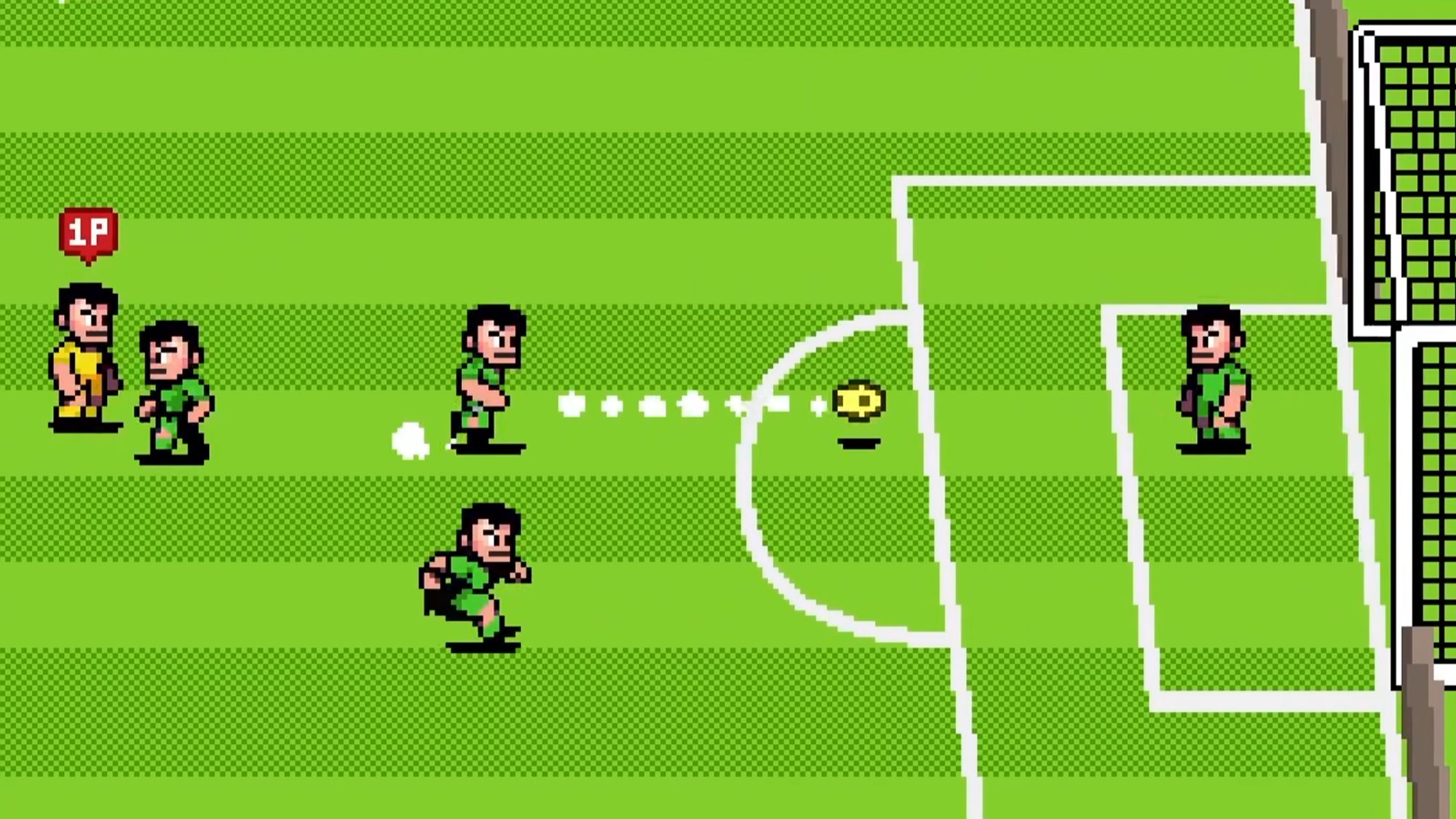
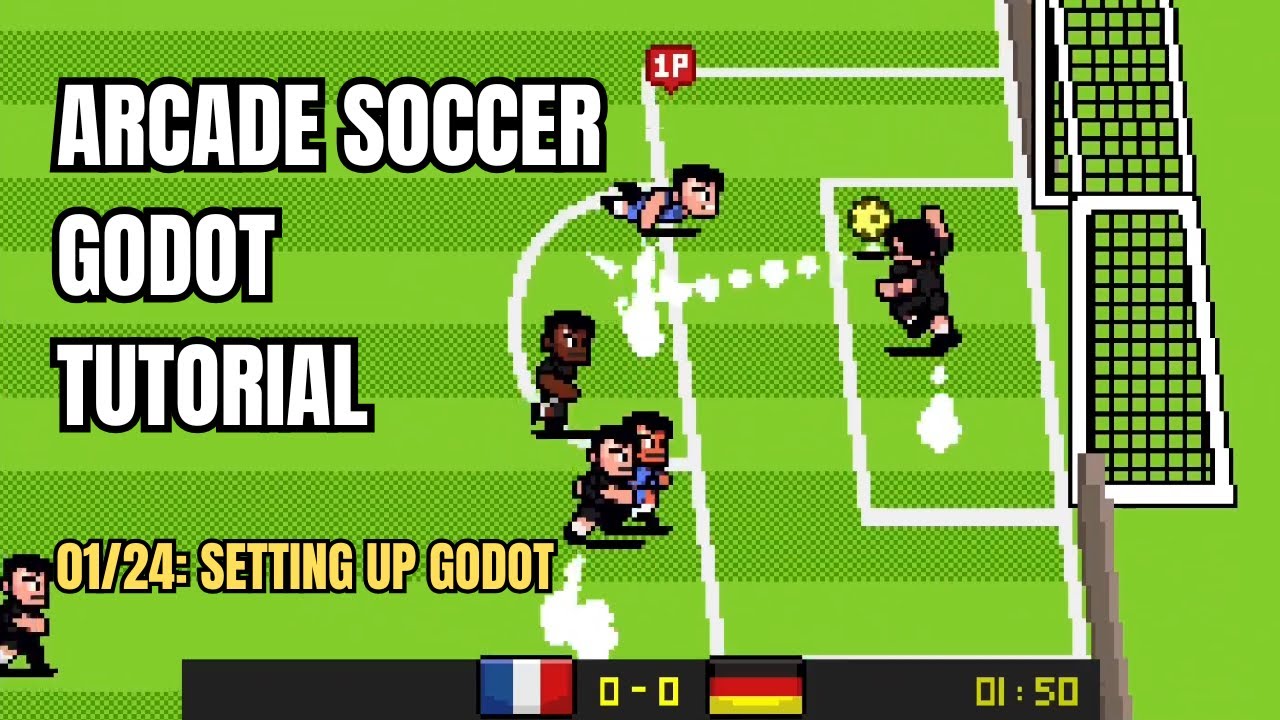
The journey from a blank screen to a playable football pitch is daunting, but modern educational resources have significantly lowered the barrier to entry. A standout example is the 12-hour "Arcade Soccer" masterclass offered by the GameDev Tavern.
The development journey is broken down into a manageable, 24-part series that mirrors the complexity of actual game production:
- Phase 1: Foundation (Episodes 1-4): The series begins with the basics—environment setup, project architecture, and understanding the node-based structure of Godot. This phase is crucial for ensuring that the physics engine is properly calibrated for ball movement.
- Phase 2: Mechanics (Episodes 5-12): This stage covers the core "feel" of the game. It includes implementing player movement, collision detection, and complex logic such as dribbling, shooting, and the physics-heavy mechanics of the bicycle kick.
- Phase 3: Intelligence (Episodes 13-18): Perhaps the most challenging aspect of sports game development is AI. The course walks developers through steering behaviors, decision-making logic for teammates, and how to create an opponent that doesn’t just chase the ball, but actively defends space.
- Phase 4: Polish and Presentation (Episodes 19-24): The final stretch focuses on the "look and feel." This includes using JSON data to generate player squads, designing dynamic User Interfaces (UI), and implementing shaders to allow for diverse character customization, such as varying skin tones and kit designs.
By the end of this 12-hour intensive, a student of the course has not only built a prototype but has created a functional, playable soccer game that can be deployed to platforms like Itch.io.
Supporting Data: The Power of Open Source
Why is Godot specifically gaining traction? The statistics speak for themselves. According to the 2024 State of Game Development surveys, the number of indie projects utilizing Godot has seen a year-on-year increase of over 30%. This is largely attributed to the engine’s "Everything is a Node" philosophy, which allows for highly modular code.
For those curious about the results, the assets used in the GameDev Tavern tutorials are entirely open-source, hosted on GitHub. This level of transparency is unheard of in the world of AAA development, where assets are guarded by strict intellectual property laws. By removing the financial gatekeeping, the community has created a "learning-by-doing" ecosystem where the barrier to building a 3D soccer game is limited only by the user’s time and dedication.
Industry Implications: The David vs. Goliath Dynamic
Does the rise of independent football simulators threaten the dominance of EA Sports FC? In the short term, no. The multi-million dollar licensing deals with FIFA, the Premier League, and various other international bodies ensure that the big players will maintain a stranglehold on the market for the foreseeable future.
However, the long-term implications are profound. As more developers learn to build their own systems, we are likely to see a "democratization of simulation." Indie developers aren’t trying to recreate the exact graphical fidelity of a billion-dollar production; they are focusing on gameplay innovation.
When you build your own game, you aren’t beholden to a publisher’s demand for microtransactions. You can create a "pure" football experience that emphasizes skill, tactical depth, and fun over the "pay-to-win" mechanics that have soured the reputation of modern sports titles. This creates a market niche for "arcade-style" sports games—titles that prioritize the joy of the sport rather than the extraction of player value.
Expert Insights and Community Perspectives
Professional game developers and educators have long advocated for this hands-on approach. The GameDev Tavern has previously proven that complex 3D genres—such as Dungeon Crawlers—are accessible to novices if the curriculum is structured correctly.
"The transition from a fan of the sport to a creator of the game is a fundamental shift in perspective," says a lead developer from a prominent indie studio. "When you understand the math behind a through-ball, or the steering logic behind a defender’s movement, you appreciate the medium in a completely different way. It changes your relationship with the games you play."
For those interested in exploring this path, the equipment requirements are also surprisingly low. You do not need a multi-thousand-dollar rig to start learning. A modern laptop with decent processing power and a reliable internet connection is sufficient to handle Godot’s lightweight requirements. For those looking to upgrade, there are numerous guides on "best laptops for game development" that cater to the indie budget, focusing on RAM and GPU efficiency rather than pure, overkill raw power.
Conclusion: The Pitch is Yours
Whether you are a seasoned programmer or someone who has never written a line of code in their life, the current landscape of game development is more accessible than ever before. If the upcoming EA Sports FC 27 release feels like a disappointment, or if you simply find yourself craving a football experience that respects your time and your wallet, the tools are available to build exactly what you want.
The 12-hour GameDev Tavern course is more than just a tutorial; it is an invitation. It is an opportunity to learn how the digital grass is grown, how the players move, and how a game comes to life. As the world watches the next major tournament, perhaps the most exciting match won’t be on the television—it will be the one you are coding on your monitor.
The pitch is open, the engine is free, and the whistle has already blown. The only question left is: are you ready to take the field?