The morning routine often functions as a high-stakes performance of logistics. You pack lunches with practiced efficiency, sign a permission slip while balancing a phone on your shoulder, and hunt for a missing sneaker beneath the couch. By the time you reach the school drop-off line, you have already managed a professional crisis via email and prepared for your first conference call. From the outside, the machinery of your life appears to be running at peak capacity.
Yet, the part of the narrative that remains unspoken—the part that doesn’t make it onto social media—often unfolds at 6:40 p.m. Your daughter sits beside you, eager to recount the nuances of a playground disagreement, and you realize you feel nothing. There is no flicker of impatience or frustration; there is simply a void. You nod, you offer the requisite verbal cues, and you find yourself counting the seconds until the interaction concludes.
If you are exhausted, a long weekend might offer a temporary patch. But this—this profound sense of disconnection—cannot be explained by a lack of sleep. It is the signature of parental burnout, a psychological state that is far more complex, and more dangerous, than the simple label of "tired" implies.
Main Facts: The Four Dimensions of Burnout
Parental burnout is not a personal failure; it is a clinical construct defined by a chronic imbalance between the demands placed upon a parent and the resources available to them. Research in the field, bolstered by studies involving hundreds of participants, has identified four distinct dimensions that differentiate true burnout from mere daily fatigue:
- Exhaustion in the Parental Role: A deep-seated depletion that persists even after periods of rest.
- Contrast with the Past: A painful awareness that the parent you are today is a shadow of the parent you once were or intended to be.
- Feeling Fed Up: A growing sense of resentment toward the role of parenting itself.
- Emotional Distancing: The most concerning symptom, characterized by a physical presence paired with an emotional withdrawal from one’s own children.
While exhaustion is the "loudest" symptom, it is also the least useful for diagnostic purposes. Because exhaustion is common to life stressors—such as a new baby, a demanding work project, or a bout of illness—it often masks the deeper, more corrosive symptoms of distancing and resentment.
Chronology: The Evolution of a Pattern
Burnout rarely arrives as a sudden collapse. Instead, it typically follows a recognizable, albeit insidious, trajectory.
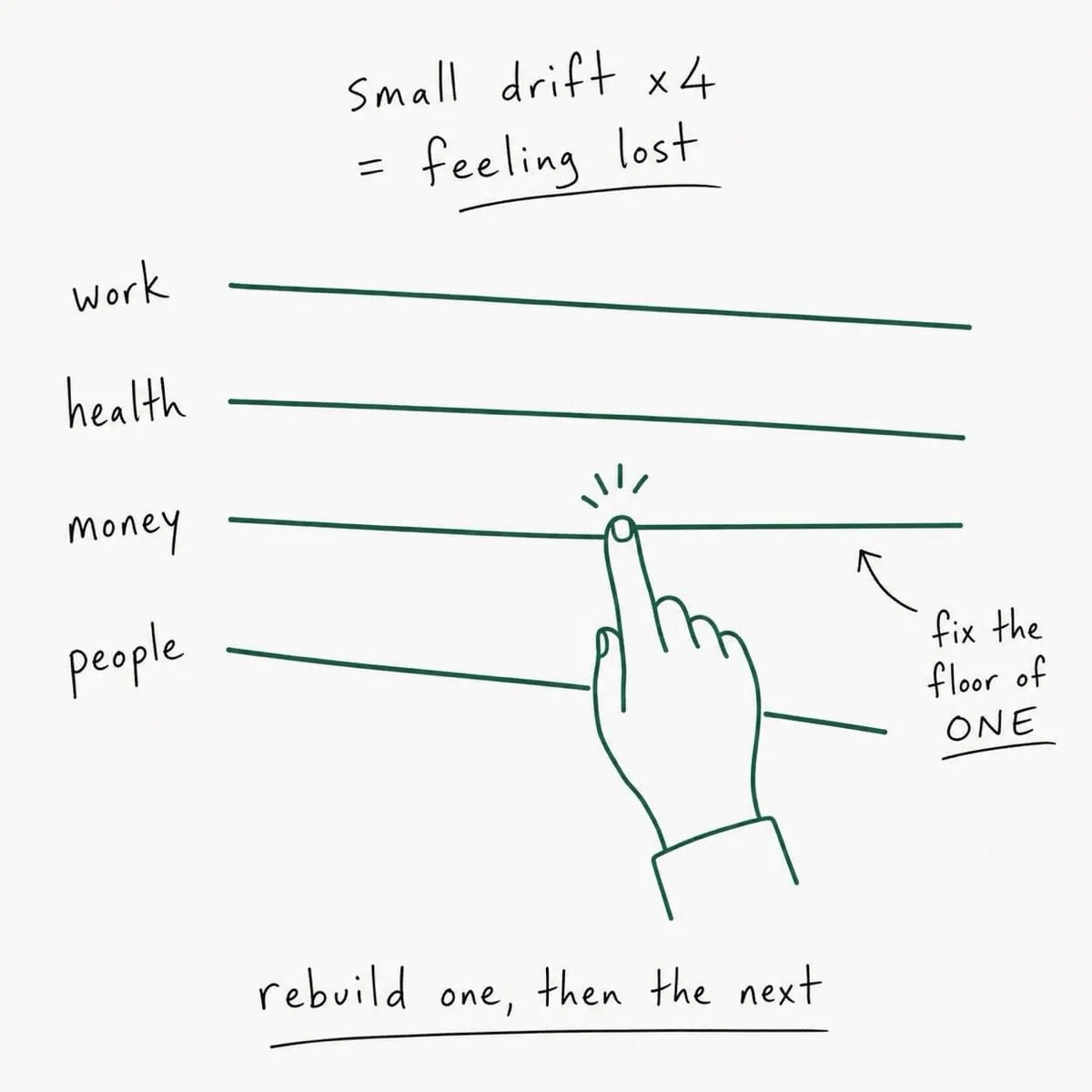
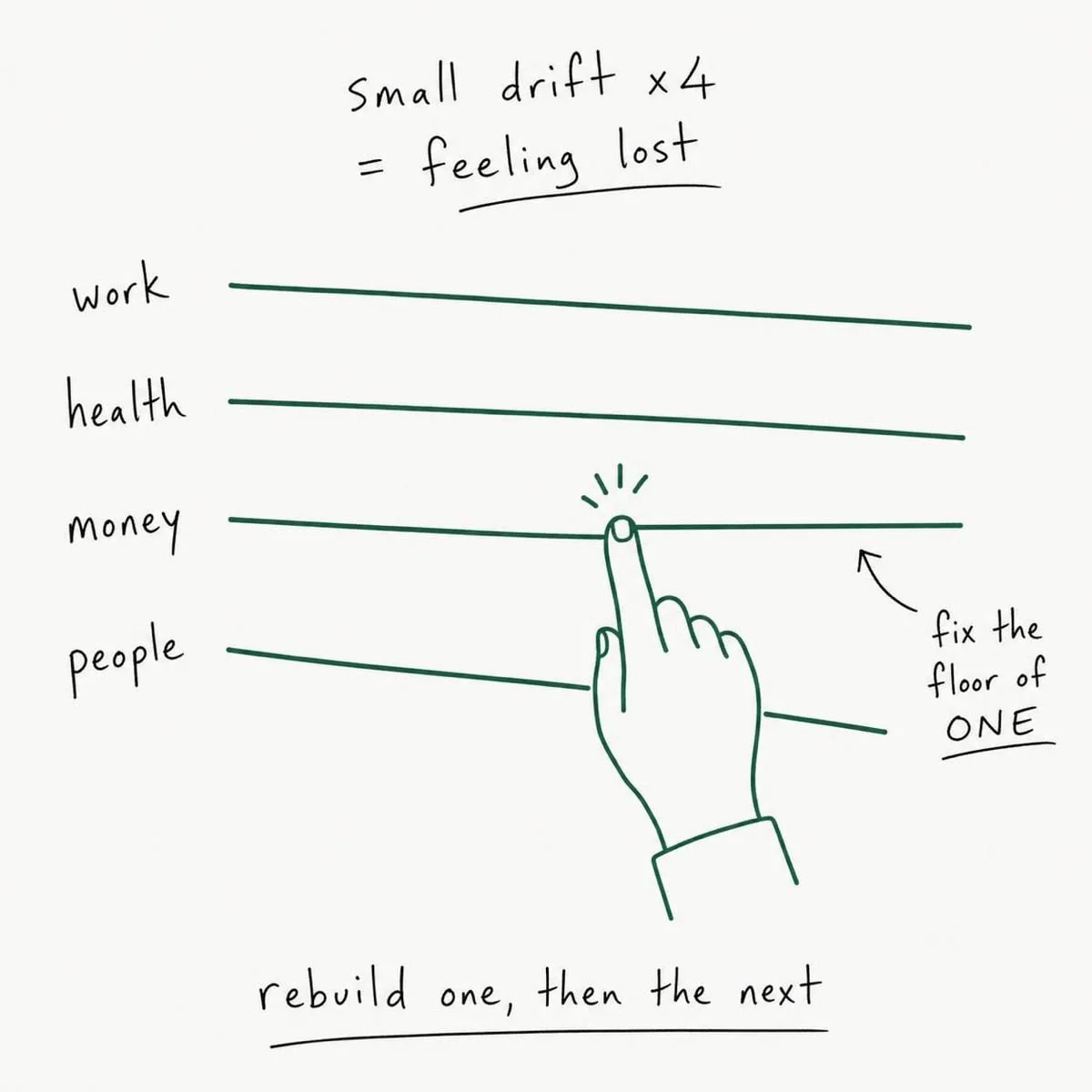
- The Accumulation Phase: Initially, the "risks"—the stresses of parenting—begin to outpace the "resources"—the support systems. This might include an increase in school-related IEP meetings, a partner shifting to a more demanding work schedule, or a subtle increase in the household’s commute times.
- The Normalization of Stress: During this phase, parents attempt to compensate. They tighten their schedules, sacrifice their own downtime, and adopt higher standards (such as the expectation of perfectly homemade meals) to maintain the illusion of control.
- The Onset of Autopilot: As the gap between demands and resources widens, the parent enters a state of "functioning." Responsibilities are met, but the internal experience shifts from engagement to duty. This is where the morning routine becomes a scripted performance.
- The Crisis of Connection: This is the phase where emotional distancing takes root. A parent may continue to provide for the child’s material needs—packing bags, paying for activities—while the emotional connection thins. If left unaddressed, this state can persist for months, transforming a rough patch into a structural pattern of existence.
Supporting Data and Evidence
In a 42-country study involving 17,409 parents, researchers found that the prevalence of parental burnout varies significantly based on cultural factors. While global averages hover around 5%, Western samples often see rates as high as 9%. This suggests that parental burnout is at least partially an environmental byproduct, often exacerbated by cultures that prioritize extreme individualism and minimize the necessity of a communal support network.
Furthermore, studies have shown that parental burnout is statistically distinct from both job burnout and clinical depression. While these states often overlap, they function as separate factors. This is a critical distinction for the working parent: if the exhaustion is born of the parenting role, cutting back on professional hours may provide temporary relief, but it will not resolve the underlying, persistent dread that accompanies the "parenting shift."
Perhaps most chillingly, research has identified a correlation between high levels of parental burnout and a higher risk of child maltreatment. While this does not imply that all burned-out parents will cause harm, it serves as a stark, evidence-based warning: emotional distancing is not just a personal struggle; it is a warning light on the dashboard of family health.

Official Responses and Clinical Perspectives
Mental health professionals emphasize that parental burnout is not a formal medical diagnosis but rather a research-based construct. It is vital for parents to distinguish between temporary situational stress and chronic, systemic burnout.
When to Seek Immediate Help:
If you find yourself fearing that you might hurt yourself or your child, or if you feel you can no longer keep your family safe, the situation has moved beyond the scope of "burnout" management.
- In the U.S.: Call or text 988 to reach the Suicide & Crisis Lifeline.
- Child Protection: The Childhelp National Child Abuse Hotline (800-422-4453) provides support and resources for parents who are concerned about their own capacity to care for their children or who fear their own behavior.
Clinicians warn that attempting to "self-diagnose" using online quizzes can be misleading. A professional assessment is required to rule out depression, thyroid dysfunction, or sleep disorders, all of which can mimic the symptoms of burnout.
Implications for the Modern Family
The most significant implication of this research is that "trying harder" is almost never the solution. Because burnout is a result of a resource-to-risk imbalance, the fix must be structural rather than attitudinal.
The Myth of the "Work-Life Balance"
Many parents view their struggle as a failure of time management. However, when we look at the data, the issue is often a "resource-counting" problem. Resources are concrete: hours of uninterrupted sleep, the presence of another adult to share the mental load, and the ability to delegate tasks. A parent who lacks these resources cannot "mindset" their way out of burnout.
The Role of the Partner and Community
The research highlights that the most effective interventions involve a direct, written negotiation of duties. This isn’t about asking for help; it is about re-balancing the load. In successful interventions, couples identify specific, high-stress tasks and officially transfer them to another adult. This is not a permanent redesign of the family unit, but a necessary recalibration to allow for recovery.
The Path Forward: A 20-Minute Intervention
If you are currently experiencing these symptoms, consider a simple, diagnostic exercise:
- Map the Risks: Write down every parenting responsibility that feels heavy.
- Count the Resources: List only the hours or supports that genuinely remove a load from your shoulders (e.g., a babysitter, a partner who takes a specific shift).
- The Intervention: Choose one "risk" to delete or hand off entirely.
- Protect the Recovery: Schedule a block of time—at least two hours—where someone else is responsible for the children.
Observe the outcome over two weeks. The metric for success is not whether your energy levels spike—energy is a fickle and often temporary feeling—but whether your interest and emotional warmth toward your children begin to return.
Conclusion
Parental burnout is a signal, not a verdict. It is the result of carrying an unsustainable load for too long. By acknowledging the symptoms of emotional distancing and moving away from the shame that keeps these feelings hidden, parents can begin to bridge the gap between their reality and their capacity. Recovery is not about becoming a "perfect" parent; it is about building a support system that ensures you are a present one. When the load is shared, the weight that once felt crushing can finally begin to lift.