By Daniel Oropeza | Shopping Editor
November 20, 2026
For millions of consumers, Amazon Prime has become as essential to the modern household as electricity or high-speed internet. Yet, many subscribers treat the service as little more than a "shipping insurance" policy—a way to ensure packages arrive within 48 hours without paying individual delivery fees. While expedited shipping remains the bedrock of the Prime value proposition, the ecosystem has expanded drastically over the last decade. As we head into the height of the 2026 holiday shopping season, it is time to look at the full scope of your membership and ensure you are squeezing every bit of value from your monthly or annual investment.
The Financial Landscape: What You Are Actually Paying For
The economics of Amazon Prime are not one-size-fits-all. While the standard retail price for an individual membership sits at $14.99 per month, or $139 annually, Amazon has diversified its entry points to capture a wider demographic. Understanding these tiers is the first step toward "getting your money’s worth."
Standard and Student Pricing
For the average adult, the $139 annual fee effectively breaks down to roughly $11.58 per month, assuming the user utilizes at least one major benefit—like streaming or expedited shipping—every 30 days. However, Amazon has aggressively targeted the younger demographic through the "Prime for Young Adults" program. Aimed at individuals aged 18 to 24, this tier slashes the cost of entry by 50%, offering the full suite of benefits for just $7.49 per month or $69 annually. This move is clearly intended to lock in brand loyalty before these consumers enter their prime earning years, providing them with a "premium" lifestyle service at a "budget" price point.
The Math of Membership
Is it worth it? For the heavy shopper, the math is simple: if you order more than once or twice a month, the savings on shipping alone often negate the annual fee. But for the casual shopper, the decision hinges on the auxiliary services. If you are paying for a separate music streaming service, a video subscription, and an audiobook account, collapsing those into a single Prime membership can represent a net savings of hundreds of dollars per year.
Chronology of Prime: From Shipping to Lifestyle Ecosystem
The evolution of Prime is a case study in market dominance. What began in 2005 as a simple "two-day shipping" subscription has slowly consumed every aspect of the digital and physical consumer experience.
- 2005: Amazon launches Prime, offering free two-day shipping on eligible items for a flat $79 fee.
- 2011: The introduction of Prime Instant Video changes the game, moving the service from a shipping tool to a media content library.
- 2014: The launch of Prime Music adds an audio component, putting Amazon in direct competition with Spotify and Apple Music.
- 2018: Whole Foods integration begins, bringing "in-store" discounts to the digital subscriber.
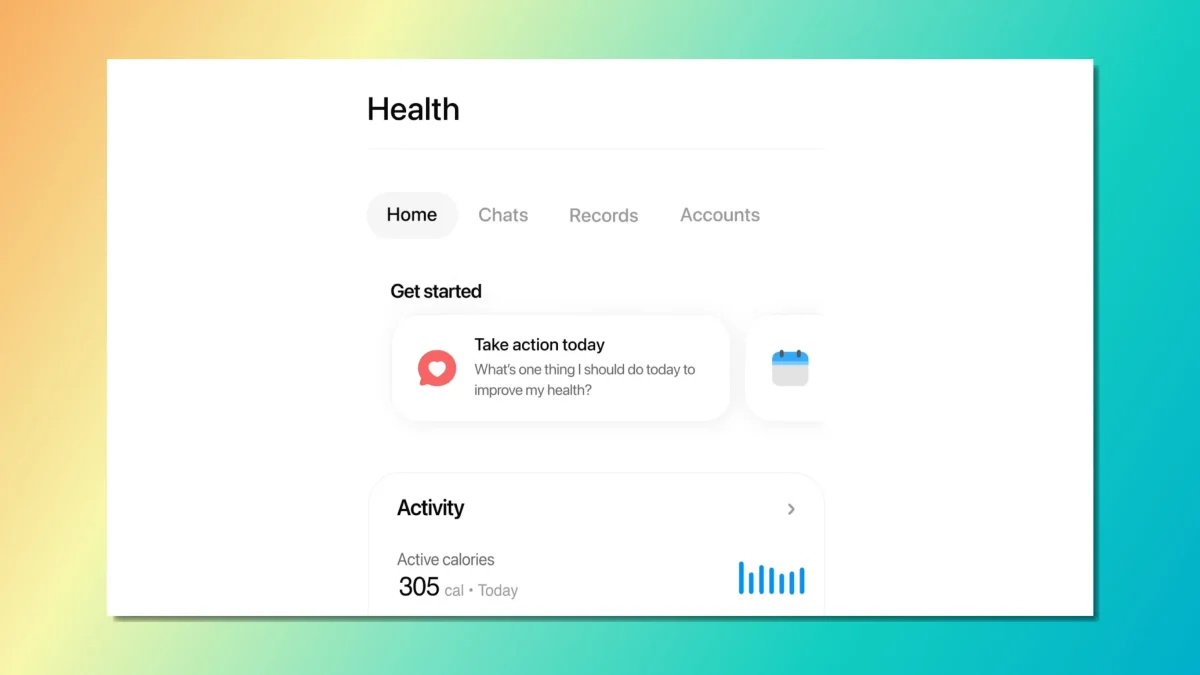
- 2022-2024: Amazon shifts focus toward "healthcare and wellness," integrating One Medical and pharmacy services into the Prime benefit tier.
- 2026: Prime is now a hybrid model, balancing massive retail logistics with a suite of professional, digital, and healthcare services that aim to make the platform "sticky" for every hour of a user’s day.
Supporting Data: Why Subscribers Stay
Recent market analysis suggests that once a user signs up for Prime, their annual spending on the platform increases by nearly 200% compared to non-subscribers. This "Prime Effect" is not just about the convenience of shipping; it is a psychological phenomenon driven by the "sunk cost" of the membership. Because users feel they have already paid for the service, they are naturally incentivized to source all their needs—from tech gadgets to groceries—through the platform to "maximize" their membership.
Furthermore, during major sales events like the current 2026 Black Friday and Cyber Monday windows, the data shows that Prime members enjoy significantly deeper discounts than the general public. Exclusive "Prime-only" lightning deals act as a form of gated commerce, creating a sense of urgency that drives high transaction volumes during the final quarter of the year.
Official Stance and Strategic Shifts
Amazon’s leadership has consistently maintained that Prime is designed to be the "most valuable membership in the world." In recent shareholder communications, the company highlighted its move toward "Integrated Living."

"We are no longer just a retailer," a spokesperson noted in a recent briefing. "We are a logistics partner for your home, your health, and your entertainment."
This shift is evident in the inclusion of medical benefits. Through partnerships with providers like One Medical, Prime members now have access to virtual care and prioritized scheduling, marking a significant pivot from selling goods to selling services. While some critics argue that this represents a dangerous level of corporate centralization, the consumer response has been overwhelmingly positive, driven by the convenience of having medical, retail, and entertainment services under one billing umbrella.
Implications for the Modern Consumer
The rapid expansion of Prime carries significant implications for how we live and shop.
1. The Death of the "Comparison Shop"
Because Prime makes purchasing so frictionless, many users have stopped comparing prices with other retailers. The convenience of "One-Click" ordering creates a "walled garden" effect where the customer is less likely to look at competitors. While this saves time, it may cost the consumer more in the long run if they fail to check if an item is available cheaper elsewhere.
2. The Rise of the "Convenience Tax"
We are moving toward a subscription-based economy where our basic needs are bundled. While this simplifies budgeting, it also means that canceling a membership is no longer just about stopping shipping—it is about losing access to your photos, your music, your health records, and your media. This makes "switching costs" very high, giving Amazon massive leverage over the consumer.
3. Sustainability and Logistics
The sheer scale of Prime’s shipping infrastructure is a major point of debate. As we push for faster deliveries, the environmental footprint of thousands of delivery vans becomes a concern. While Amazon has invested heavily in electric vehicles and carbon-neutral logistics, the "Prime" promise of speed remains inherently energy-intensive. Consumers are now forced to weigh their desire for immediate gratification against the environmental impact of the "next-day" culture.
How to Get the Most Out of Your Membership Today
If you are currently a subscriber, or if you are considering the 30-day free trial during this holiday season, here is how you should be auditing your account:
- Review Your Digital Media: Ensure you are using Prime Video and Amazon Music. If you are paying for other services, you may be duplicating your costs.
- Check Your Healthcare Benefits: Many members forget they have access to discounted prescription programs or telehealth services. Verify your eligibility in your account dashboard.
- Leverage Household Sharing: Prime allows you to share benefits with another adult and up to four children. If you are a single member, you are likely leaving value on the table by not utilizing these shared profiles.
- Monitor "Prime-Only" Sales: During this Black Friday window, use the Amazon app to filter specifically for "Prime Early Access" deals. These are often the items with the deepest price cuts.
Conclusion
Amazon Prime has successfully transitioned from a retail perk to a lifestyle infrastructure. As we navigate the 2026 shopping season, it is clear that the value of the membership is no longer found solely in the cardboard box that arrives on your porch. It is found in the time saved by integrating your errands, your entertainment, and your health needs into a single ecosystem.
However, with that convenience comes the responsibility of the consumer to remain vigilant. Audit your spending, use the benefits you are paying for, and don’t let the "Prime" label be a blindfold to the broader marketplace. Whether you view Amazon as a tool for efficiency or a corporate giant with too much influence, the reality is that the platform is here to stay. Your best bet is to ensure you are the one using the service, rather than letting the service dictate your habits.